Ukraine drones hit Moscow region in biggest attack in year
At least four people were reported killed after Ukraine launched its biggest drone attack on the Moscow region in more than a year, testing air defences around Moscow.
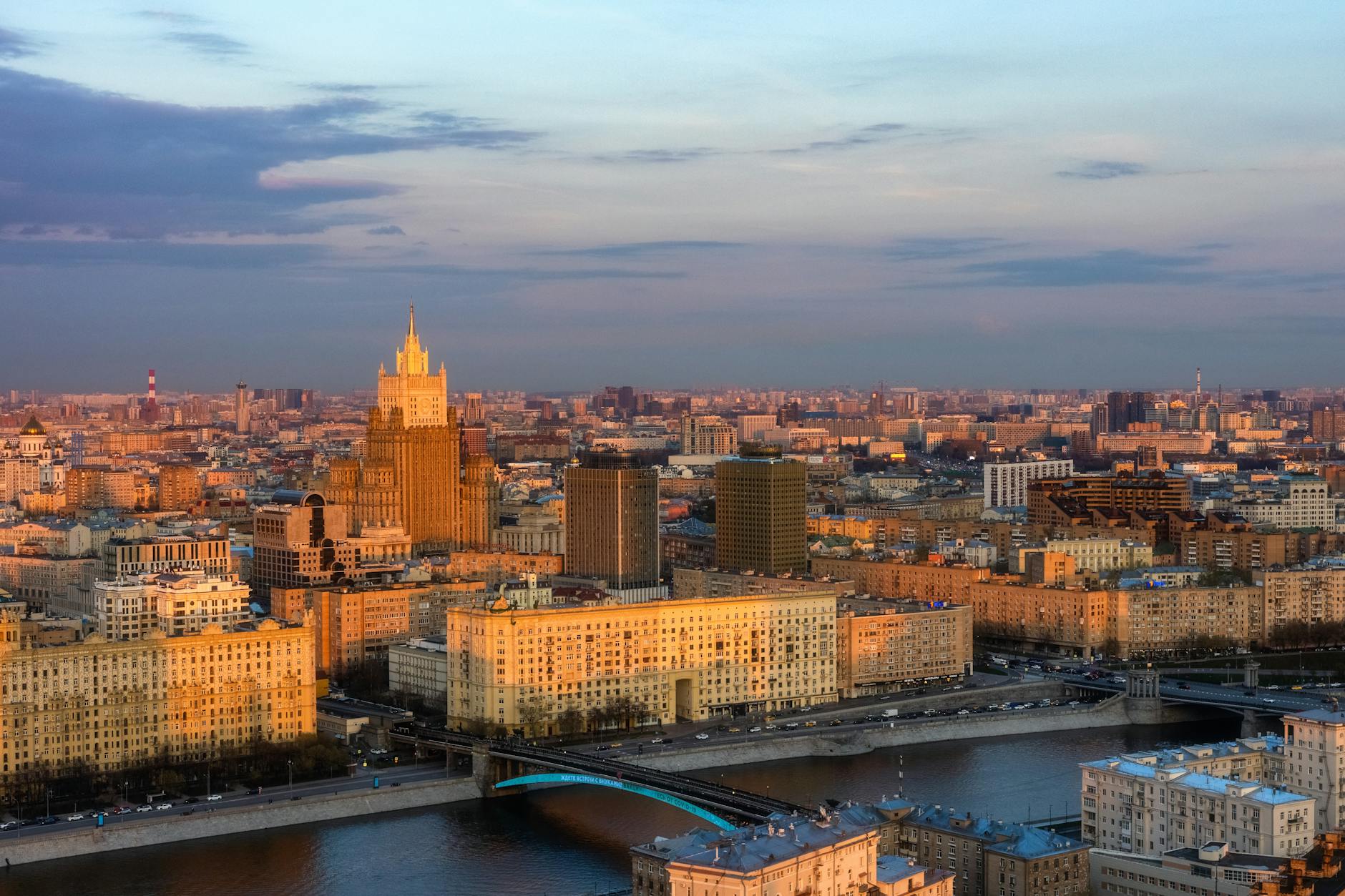
Ukraine launched its biggest drone attack on the Moscow region in more than a year overnight, killing at least four people across Russia — three of them in the capital region, Reuters reported.
Russia’s defence ministry said 556 Ukrainian drones were intercepted or shot down across more than a dozen regions, The New York Times reported. Moscow Mayor Sergei Sobyanin put the tally heading for the city at 81 destroyed since midnight. The scale, the deaths and the location combined to make a strike Moscow could not dismiss as another border incident.
That left Russian officials having to explain why a raid of this size had reached the country’s most heavily defended region.
Emergency crews in the Moscow region were working at multiple sites and 12 people were wounded, according to local officials. Governor Andrei Vorobyov oversaw the response. The Washington Post also centred its account on the fatalities around Moscow, noting that the strike was not another routine drone alert near a frontier zone.
In Kyiv, Ukrainian President Volodymyr Zelenskyy said Ukraine’s responses to Russia’s continuing attacks on Ukrainian cities were “entirely justified.” “We are clearly telling the Russians: Their state must end its war,” he added, in remarks carried by Reuters.
The comments offered no operational detail. They made clear, though, that Kyiv wanted the impact inside Russia to register.
Geography mattered as much as the numbers. Attacks on border regions and military sites have grown familiar over two years of war. Strikes hitting the capital region carry a different weight: they challenge the Russian state’s claim that its core is insulated from the front and shielded by layered defences.
Pressure on Moscow
Sobyanin’s count of 81 drones destroyed on the approach to Moscow suggested a long night of interceptions over and around the city, not a single breach. Most were shot down before reaching dense urban areas, but the volume pointed to sustained pressure on systems designed to keep the capital running without disruption.
The capital’s defence belt could not prevent the political shock of deaths in the region where the Kremlin is supposed to appear most secure. Interceptions can limit physical damage. They do not erase the sight of repeated air-raid warnings over Moscow.
Nationwide, the numbers added another dimension. If the defence ministry’s count of 556 drones is accurate, the operation would rank among the largest harassment missions Ukraine has mounted against Russian territory — and would suggest an effort to stretch air-defence resources beyond a single headline target. Russian interception claims could not be independently verified. But the deaths reported by regional officials gave the attack a human toll that went beyond routine military accounting.
The casualties near Moscow and the scale of the operation forced a sharper reckoning on both sides. For Kyiv, the raid showed Russian civilians and officials that the war could reach them, not just the front line. For the Kremlin, it raised a different question: did repeated assurances about security around the capital still match what residents were being told.
By early Sunday, emergency services were still dealing with the aftermath in the Moscow region, Russian officials were tallying destroyed aircraft, and Ukraine was framing the operation as a justified response to Moscow’s own campaign. No Russian shift in strategy was visible. But the strike had made pressure felt in the one place the state insists is the safest.

Anya Voronova
Eastern Europe correspondent covering the war in Ukraine, Russia and the Caucasus. Reports from Warsaw.