Trump approval slide turns Iran war into a midterm threat
Trump approval has fallen to 37 per cent in a Times/Siena poll as the Iran war and economic strain deepen Republican midterm nerves.
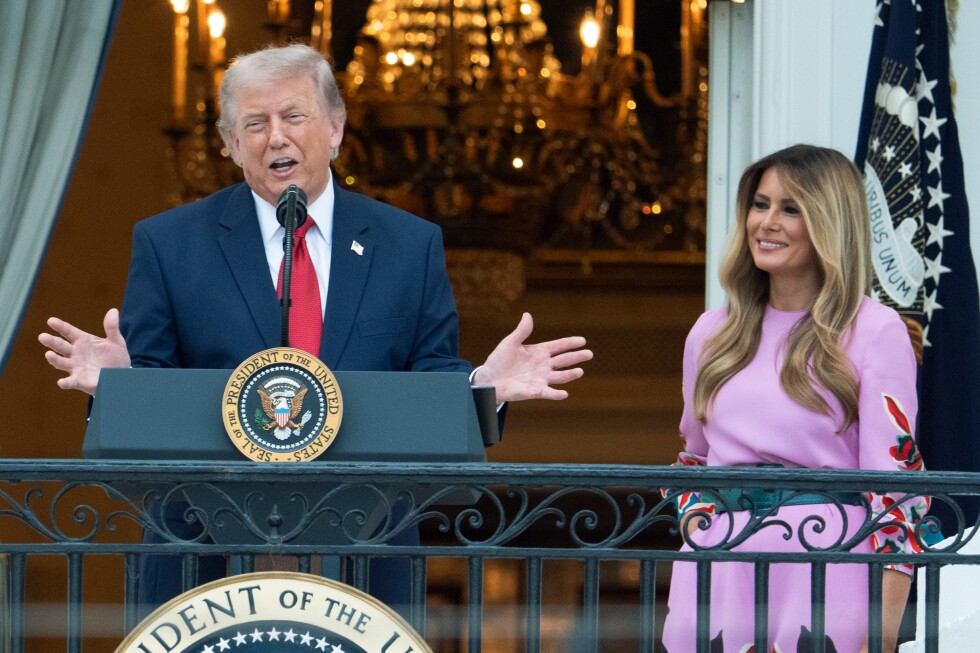
President Donald Trump’s second-term floor looks less like a floor than a warning light. A Times/Siena poll put his approval at 37 per cent, with 64 per cent saying he made the wrong decision to go to war with Iran, 55 per cent saying the war was not worth the costs and Democrats leading the generic congressional ballot by 50 to 39 per cent. Taken together, those numbers describe more than a bad headline cycle. They show voters folding an overseas conflict and a sour economic mood into a single judgment about governing.
The electoral risk is broader than the president’s own standing. In Nate Cohn’s analysis for The Upshot, the poll points to a crack in the approval floor that had helped Trump absorb earlier controversies without paying a clear national price. Nationally, a president stuck in the high 30s can still dominate his own party. He has a harder time protecting House incumbents in costly suburbs or persuading Senate candidates to run as if national conditions do not apply to them.
From a Republican operative’s vantage, that is the immediate danger. For strategists such as Kevin Madden, whose concern was reflected in The Hill’s reporting on party anxiety, the question is whether swing-district voters will punish congressional candidates for a war they did not choose and fuel prices they cannot control. Republicans expected a different conversation after November 2024, when the economy and immigration helped Trump assemble a winning coalition.
Trump himself has sounded strikingly relaxed about the politics of the conflict. As The Hill reported, he brushed aside the calendar pressure that congressional Republicans can feel more acutely.
“I’m in no hurry. Everyone is saying, ‘The midterms, I’m in a hurry.’ I’m in no hurry.”
— Donald Trump, The Hill
Inside the party, that answer may work for voters who still see him as the central figure. Outside it, the line is less reassuring. In national polling, approval is not just a referendum on presidential intent; it is a running measure of whether voters think the costs of a president’s choices are landing in their own households.
Why this looks bigger than one poll
In the latest polling, the cleanest explanation for the slump is that Iran and the economy are reinforcing each other, not competing for attention. The Times/Siena toplines show voters rejecting the war itself, while a Reuters/Ipsos poll found Trump’s approval at 35 per cent as support among Republicans softened. That is what a politically dangerous feedback loop looks like: foreign policy drives higher oil anxiety, higher oil anxiety revives economic doubts, and economic doubts make the foreign-policy case harder to sustain.
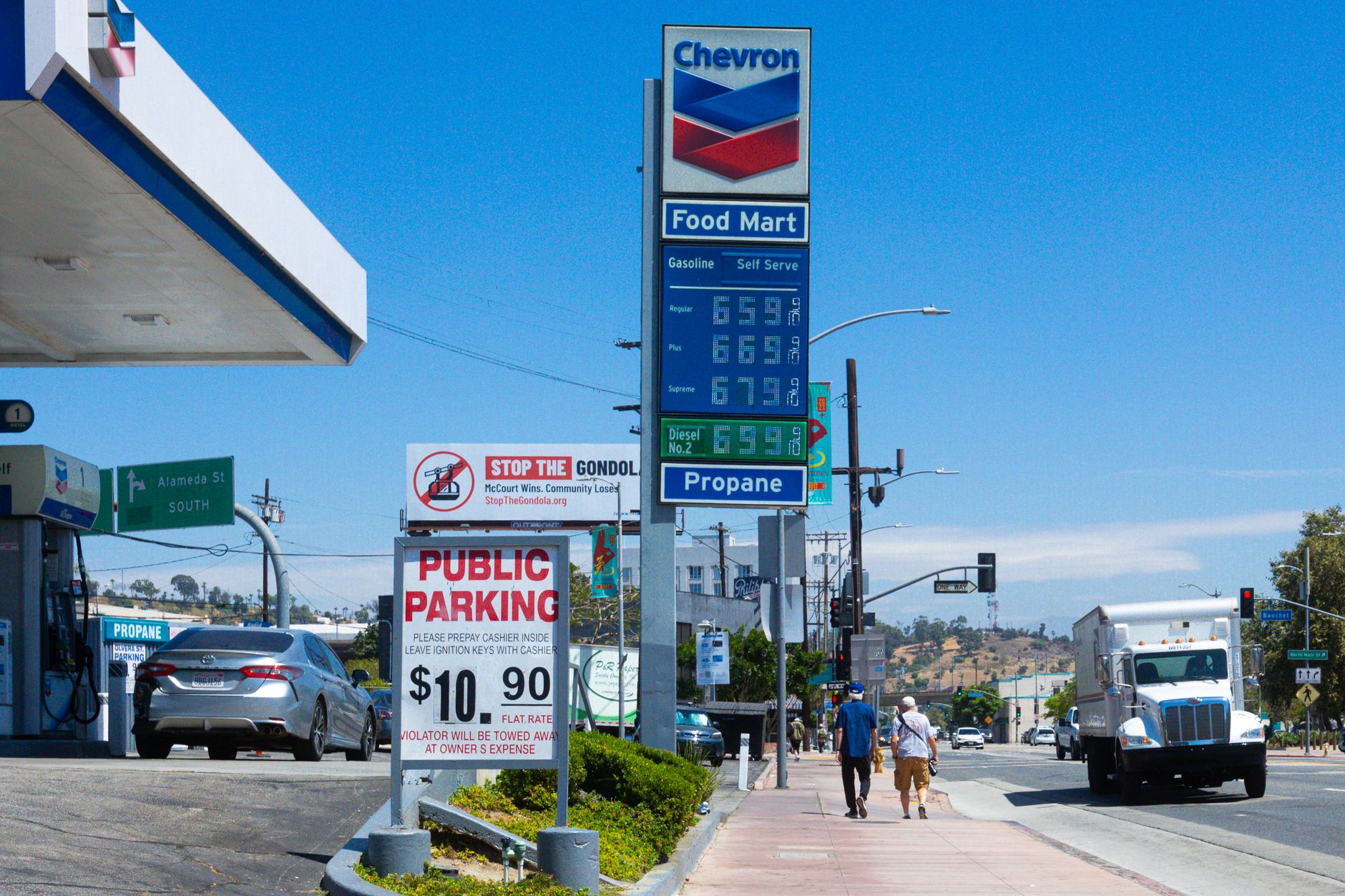
On paper, the economy was supposed to be Trump’s safer ground. An AP-NORC poll reported by AP found that 63 per cent of Republicans approved of his handling of the economy, down from 79 per cent in February. That is still a majority, but it is not the kind of cushion that lets a party ignore a war-related shock at the pump. The voter perspective in that same coverage was blunt.
“I feel like we’re wasting resources over there at this point and not for the benefit of the American people.”
— Amanda Wylie, AP-NORC poll coverage
Just as important, Wylie’s complaint helps answer the question analysts are asking about causation. Is Iran breaking Trump’s floor, or merely exposing how soft it already was? The evidence in the current poll run points to both. Voters in the Times/Siena survey disapproved not only of the war but also of Trump’s handling of the economy. Semafor argued before the latest polling that an oil shock tied to the Hormuz standoff was already testing voters’ tolerance for geopolitical risk. The war did not invent the cost-of-living problem. It appears to have fused it to Trump’s brand.
Even so, the president’s coalition is not collapsing evenly. The Times found that roughly three-quarters of Republicans and Republican-leaning independents still approved of his job performance even as his national numbers deteriorated. The resilience of the core is real. So is the warning embedded in it: a party can remain loyal and still become too narrow to win the voters who decide House majorities.
Where Republicans feel the pressure first
Midterm arithmetic, not ideological purity inside the party, is the pressure point. A 50 to 39 per cent Democratic lead on the generic ballot does not map neatly onto every district, but it is the kind of margin that forces Republican candidates to spend the summer explaining Washington instead of localising their campaigns. That is why the operative class is now talking less about message discipline and more about political drag.

One Republican consultant put the party’s nightmare scenario in unusually direct terms in The Hill’s reporting.
“If he’s sitting in the low 30’s as we approach November, Republicans are screwed, period, hard stop.”
— Republican consultant, The Hill
Still, the warning is harsher than the public posture coming from most elected Republicans, but it fits the broader pattern in Washington Post analysis and other follow-up coverage: Trump remains dominant inside the GOP even as he weakens nationally. That combination can help him clear primaries, punish dissenters and keep congressional Republicans in line. It does not solve the central midterm problem, which is that voters outside the base do not experience party discipline as a governing achievement.
On Capitol Hill, the policy consequences are already visible. CNBC reported that the Senate advanced a measure to end military action in Iran, a sign that public unease is beginning to create room for institutional resistance. Even if such efforts stall, they show why the war is not just another cable-news fight. Once lawmakers start treating public fatigue as actionable, the issue stops being a temporary optics problem and becomes a test of how much unilateral room Trump still has.
What Republicans need to learn before summer ends
For Republicans, the mistake would be to read the latest numbers as a media panic that will fade on its own. The more important lesson is that the party’s strongest 2024 arguments, especially on prices and competence, are harder to make when a Middle East conflict is reshaping domestic economics in real time. Trump can still count on loyal voters to defend the decision to use force. He cannot assume that wavering voters will separate that decision from what they pay at the pump or from whether Washington looks in control.
Beyond its topline, the poll matters because it does not prove that the Iran war has doomed Republican candidates, or that Trump’s approval cannot recover. It does show that the party is entering the midterm run-up with less room for error than it expected. By late summer, even a modest further slide would force Republican candidates to spend on persuasion and turnout at the same time, the costliest posture for any governing party. If the president stays in the high 30s, Republicans can still argue that their coalition is intact enough to survive. If he slips closer to the low 30s while gas prices and war fatigue keep rising, the question will no longer be whether the Iran conflict hurt Trump. It will be how many Republican candidates were pulled down with him.

Ramona Castellanos
US politics correspondent covering Congress, primaries and the Trump administration. Reports from Washington.