Iran war powers vote passes House in Trump rebuke
Iran war powers vote cleared the House 215-208, with four Republicans joining Democrats to challenge Trump's authority over Iran.

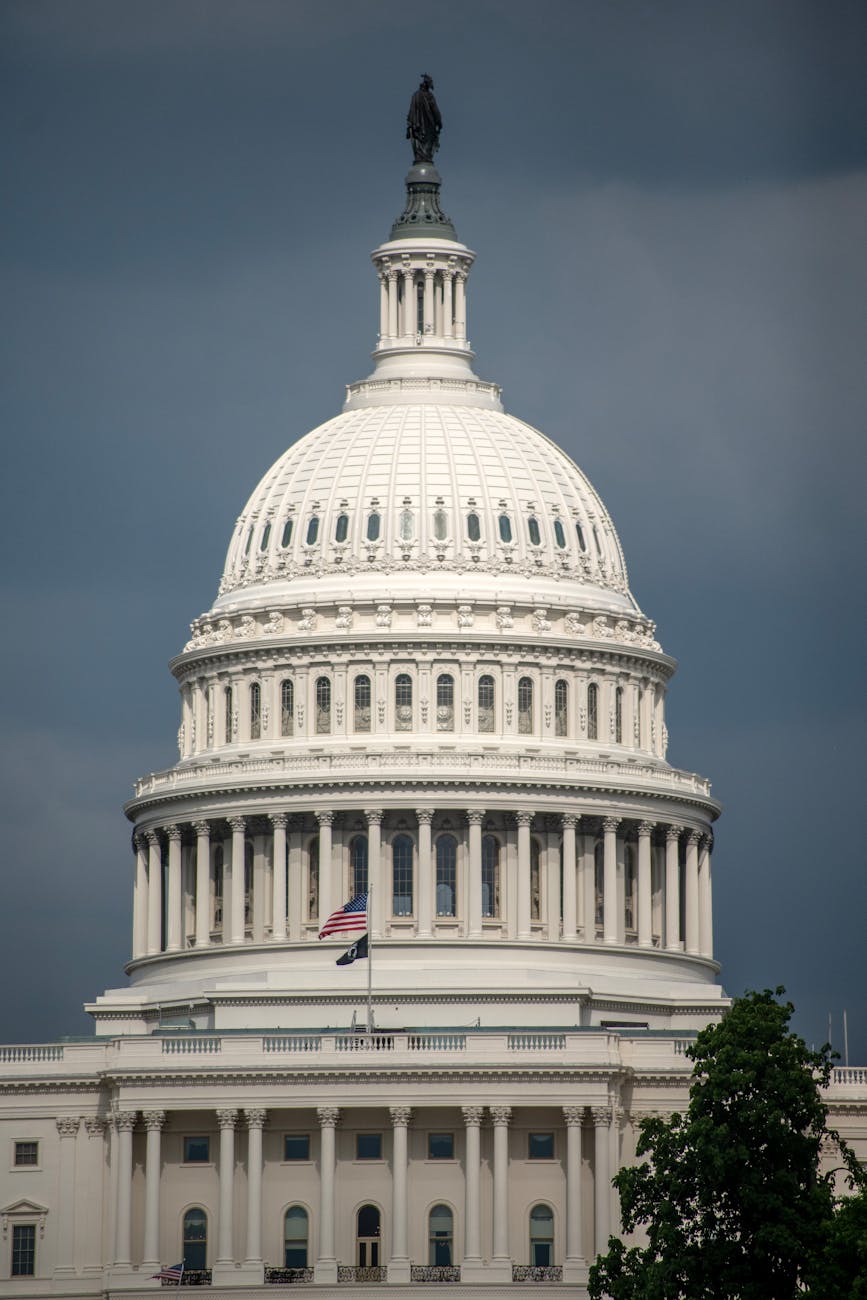
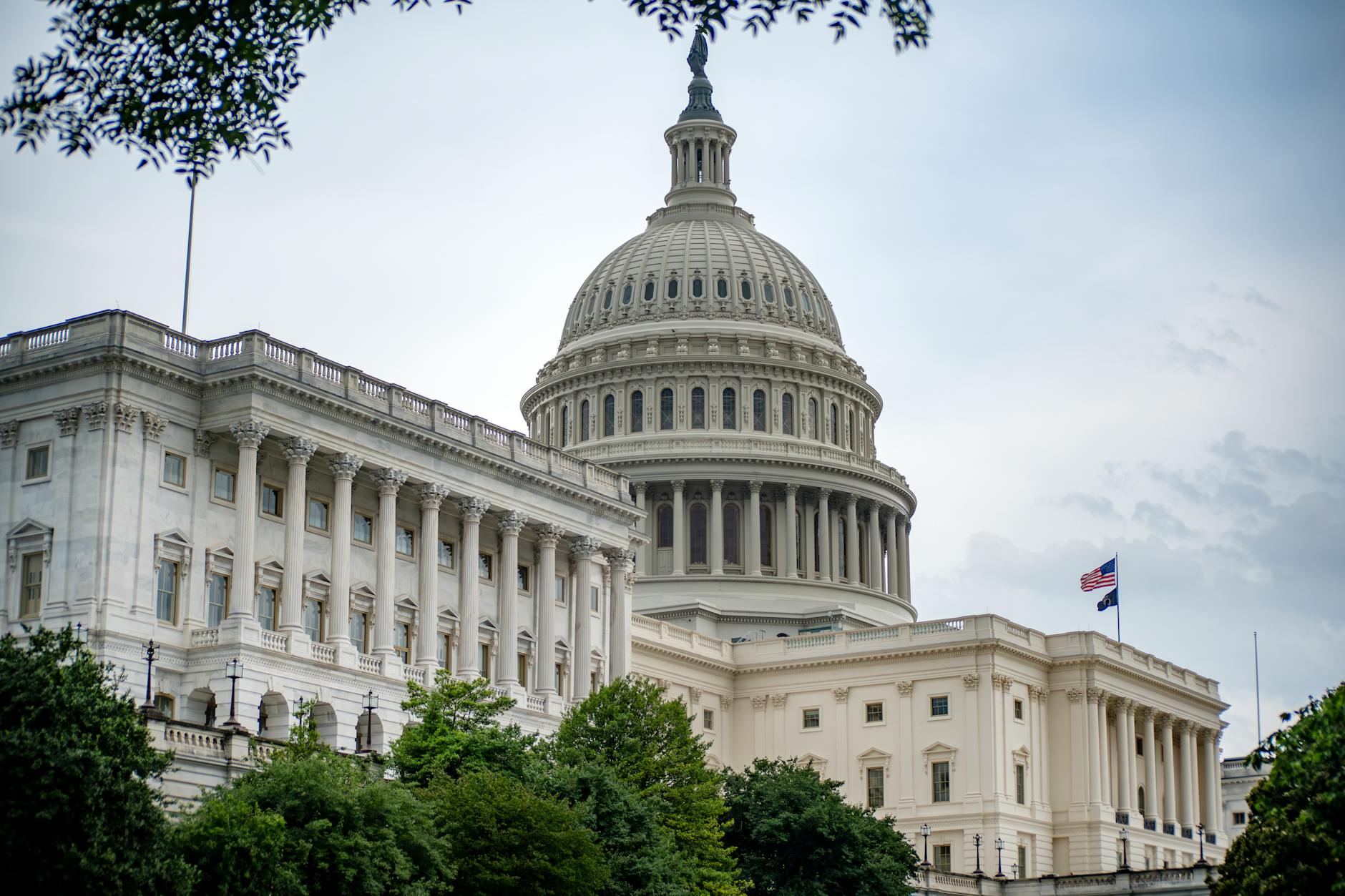
The House on Wednesday approved a war powers resolution to halt U.S. military action against Iran, passing it 215-208 as four Republicans joined Democrats in a direct challenge to President Donald Trump’s war authority.
By itself, the resolution would not stop the fighting. It still needs Senate approval, and Trump could veto it unless two-thirds majorities in both chambers voted to override him. For now, the tally puts a Republican-led House on record after weeks of unease inside the party over the conflict.
Under the measure, Trump would have to remove U.S. forces from hostilities against Iran unless Congress authorises the action. Democrats described the vote as an assertion of Congress’s constitutional role. Republican leaders said it would undercut the president as he tried to protect Americans.
Speaker Mike Johnson defended Trump and urged Republicans to reject the resolution, according to NPR.
“Remember … Iran declared war on us 47 years ago. They chant ‘death to America.’ The president is trying to keep the people safe.”
Speaker Mike Johnson, via NPR
House Minority Leader Hakeem Jeffries said Democrats had forced a vote on a question Congress could not avoid. He called for Senate Republicans to follow the House after the measure passed with a narrow bipartisan majority.
“House Democrats successfully passed our War Powers Resolution today … It is now time for Senate Republicans to do the right thing.”
House Minority Leader Hakeem Jeffries, via NPR
Those four Republican votes gave Democrats the clearest House break with Trump on Iran since the conflict began. The Guardian reported that the fighting had run for more than 90 days, while the White House has cited an 8 April temporary ceasefire in defending the president’s approach.
A similar fight had been building for weeks. In May, House Republicans cancelled a planned Iran war-powers vote, delaying a public test of where the party stood on Trump’s military campaign.
War-powers resolutions are designed to force debate over military operations that have not been expressly authorised by Congress. This vote put pressure on lawmakers who had avoided a direct roll-call while the administration argued that the president already had authority to act.
The margin showed the limits of the challenge as well. A 215-208 vote can send a signal, but it is far below the level needed to overcome a veto. That leaves the measure dependent on the Senate, where Democratic efforts have not yet produced the votes needed to pass a parallel resolution.
What happens next
In the Senate, the measure will test how far Republican unease extends beyond the House. Supporters are expected to keep pressing for action, while the White House and congressional Republican leaders are likely to argue that Congress should not restrict the commander in chief during an active conflict.
The vote adds a domestic constraint for Trump as the White House presents the Iran campaign as a matter of executive command. It also puts members of Congress on record over whether the campaign can continue without fresh authorisation from Capitol Hill.

Ramona Castellanos
US politics correspondent covering Congress, primaries and the Trump administration. Reports from Washington.