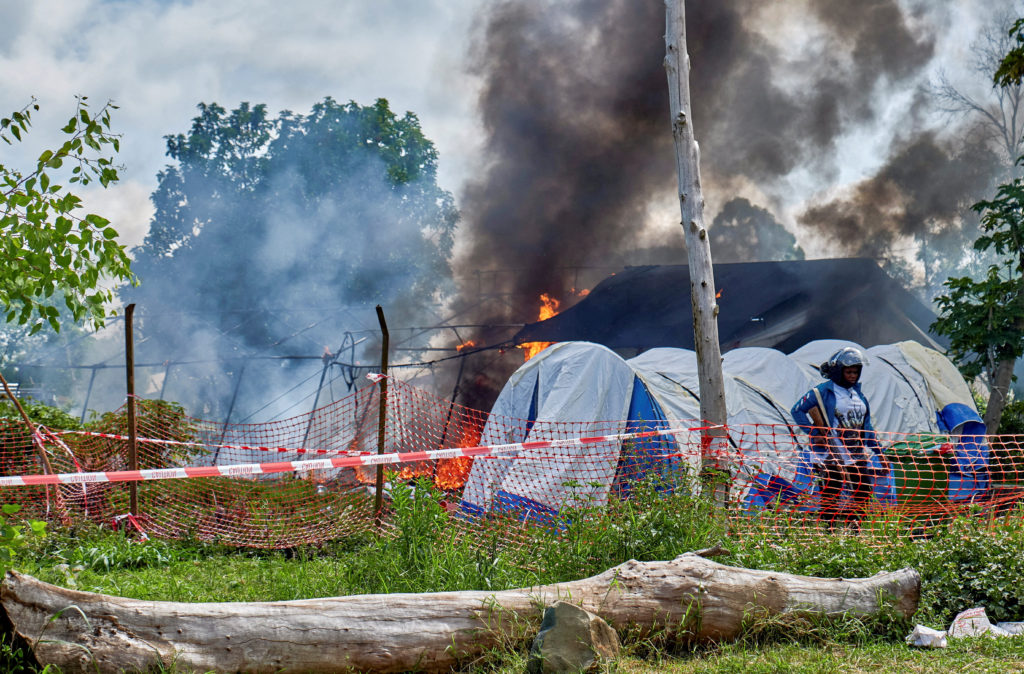
WHO elevates Congo Ebola outbreak to global emergency
WHO declared the Ebola outbreak in DR Congo an international health emergency, citing uncertain case counts, high lethality and cross-border risk.
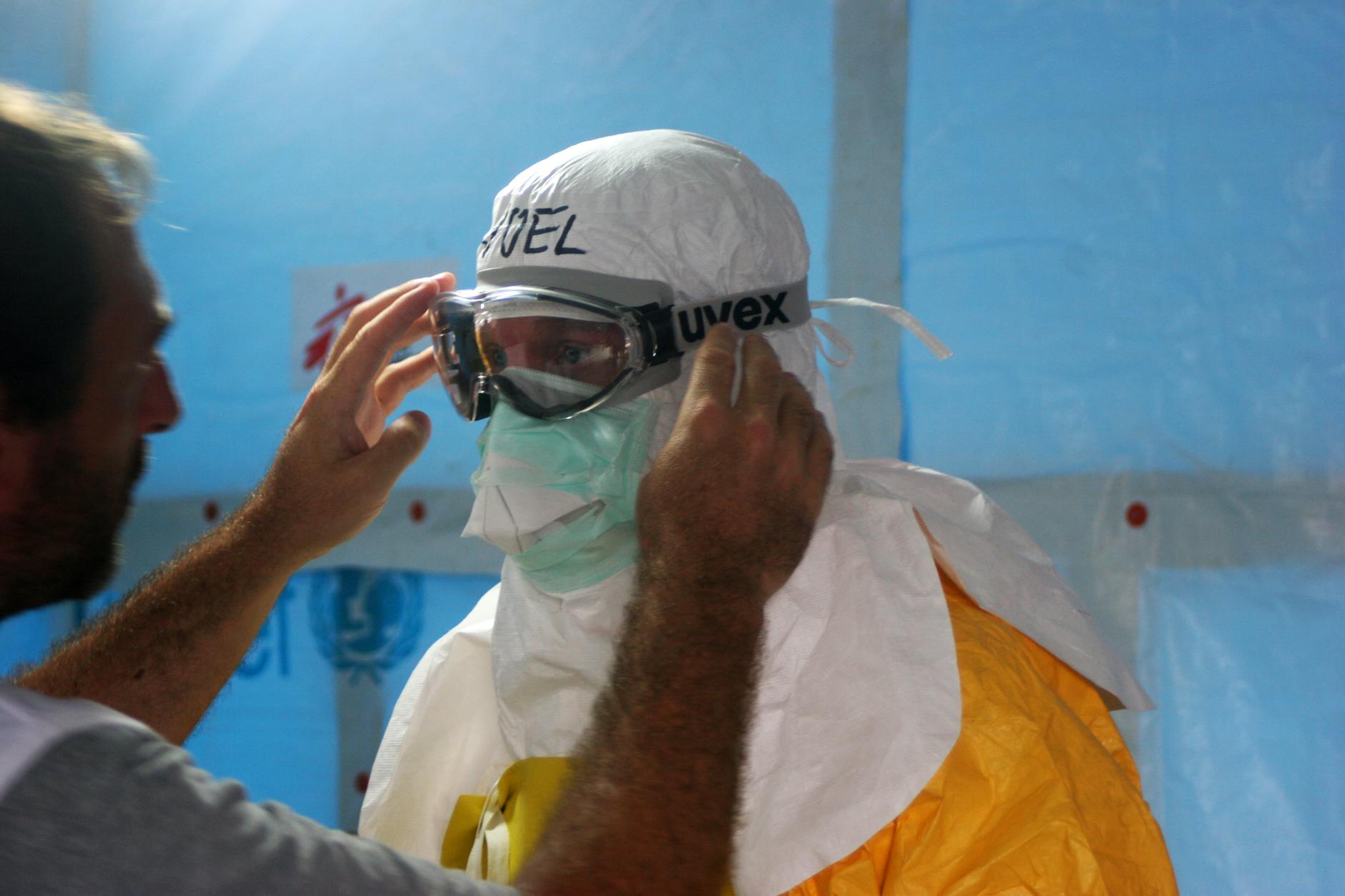
The World Health Organization declared the Ebola outbreak in Democratic Republic of Congo a public health emergency of international concern on Saturday, warning that the true number of infections may be larger than published figures show and that the outbreak now poses a cross-border risk to at least 10 neighbouring countries.
It stopped short of a pandemic emergency, the WHO said. But the designation signals that the threat has moved beyond the immediate treatment zone in eastern Congo’s Ituri province — and that the response needs to move with it.
BBC News reported 246 suspected cases and 80 deaths. Deutsche Welle put the count above 300 suspected cases with 88 suspected deaths. The gap between those numbers is part of why the agency acted. Surveillance remains patchy, the WHO’s own director-general acknowledged, and the outbreak’s footprint may be larger than what is currently documented.
WHO director-general Tedros Adhanom Ghebreyesus told reporters there were “significant uncertainties to the true number of infected persons and geographic spread,” according to the BBC. His wording points to an outbreak still being traced — not one whose dimensions are reliably measured.
Samuel-Roger Kamba, DR Congo’s health minister, said the strain in circulation had “a very high lethality rate, which can reach 50%,” Deutsche Welle reported.
Officials stressed they were describing a severe outbreak with a high death risk and uncertain transmission data, not a pandemic. The distinction matters. An emergency label tells governments and aid agencies to accelerate the parts of the response that count before a regional spillover is confirmed: border surveillance, case reporting from provincial clinics, protective equipment for health workers and coordination between national ministries and outside responders.
Ten countries sharing land borders with Congo were identified by the WHO as high-risk. The concern extends beyond the possibility of an infected person crossing a frontier. Health systems in those countries may need to detect, isolate and report suspected cases quickly while the outbreak’s full scale remains unclear.
Why the numbers matter
Conflicting tallies from BBC and Deutsche Welle point to a deeper problem. Tedros said outright that neither count fully captures the number of infections or the outbreak’s geographic reach. That kind of uncertainty is something international health agencies are expected to address early — before it becomes harder to trace transmission chains or to position treatment and screening capacity where it is needed.
The WHO made clear the outbreak does not yet meet the criteria for a pandemic emergency. The present concern is regional spread and readiness, not worldwide escalation. Governments needed a warning strong enough to tighten preparedness. They also needed one precise enough to avoid implying the agency had evidence it did not claim to have.
The outbreak remains centred in Congo for now. Whether the WHO’s emergency call looks prescient or premature depends on what happens next. If surveillance improves and neighbouring states catch suspected cases early, the declaration will read as a well-timed intervention. Should the caseload keep rising and infections surface beyond the current outbreak zone, it will mark the point at which the wider region was told to prepare.

Yara Halabi
Foreign affairs correspondent covering the Middle East, the Gulf and US foreign policy. Reports from London.