Putin eases Russian citizenship rules for Transnistria residents
The decree widens a Kremlin pressure tactic in Moldova's breakaway enclave and prompts Maia Sandu to link the move to the war in Ukraine.
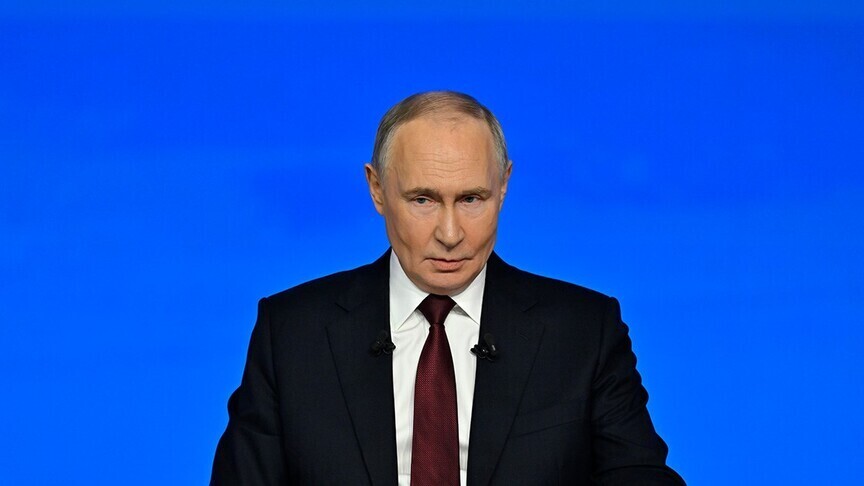
Vladimir Putin has eased Russian citizenship rules for adult permanent residents of Transnistria, the Moscow-backed breakaway region on Moldova’s eastern edge, widening a Kremlin pressure tactic in an enclave that sits against Ukraine’s western flank.
Chisinau reads the decree as a strategic signal — not paperwork. Transnistria has remained outside Moldova’s control since a 1992 ceasefire ended armed clashes, and the strip of territory has long given Russia a lever inside a state that borders Ukraine. Expanding access to Russian passports there deepens Moscow’s formal ties to a disputed region that already functions as a pressure point.
Moldovan President Maia Sandu said the move could help Russia find more people for its war. “Probably they need more people to send to the war in Ukraine,” she said, linking the decree to the conflict next door. Many residents of the enclave had increasingly sought Moldovan documents since Russia’s full-scale invasion, Sandu added, because they felt safer holding Moldovan citizenship than Russian nationality.
Under the decree, people aged 18 and older who permanently live in Transnistria can apply for Russian citizenship through a simplified process, the Associated Press reported. Russia keeps about 1,500 troops in the enclave. Moldova has long called that presence a violation of its sovereignty. The conflict itself has remained mostly frozen.
Citizenship policy creates a constituency Moscow can claim it must defend. The political logic is straightforward. In a territory where the political status is unresolved and Russian soldiers are already stationed, each new administrative tie to Russia complicates future negotiations for Chisinau. Even with the front line hundreds of kilometres away, the enclave stays tethered to the security dynamics of the Ukraine war.
Why the move matters
A passport measure builds claims over time — the opposite of a sudden troop movement. The Kremlin has used citizenship policy in contested spaces before: to tighten political ties, to widen the argument that it has citizens to protect and to complicate efforts by neighbouring states to reassert control. In Transnistria, the decree adds another layer of Russian influence inside a territory already perched between Moldova and southwestern Ukraine.
Reuters reported in April that talks between Moldova and the separatist authorities in Transnistria had made no progress, confirming how little diplomatic room existed before Putin’s decree. The stalled talks leave Chisinau cornered from multiple directions: a frozen conflict on paper, Russian troops on the ground and now an expansion of Moscow’s citizenship reach.
For Ukraine, the step lands on a sensitive flank. There is no sign in the reporting of an immediate military shift. Any policy that broadens Russia’s formal claim over Transnistria residents sharpens concern in both Chisinau and Kyiv about how the enclave could be used in a wider regional squeeze. The decree does not redraw the map overnight, but it binds the territory more tightly to Russian state machinery.
The immediate effect may prove more political than practical. Sandu’s second observation suggested many in Transnistria had been moving the other way on citizenship since the Ukraine war began, opting for Moldovan papers because they appeared safer. If that trend holds, the decree signals Russia’s intent to hold leverage over the enclave more than it changes daily life on the ground. The signal carries weight by itself.

Anya Voronova
Eastern Europe correspondent covering the war in Ukraine, Russia and the Caucasus. Reports from Warsaw.