Trump says West Potomac Park will host sculpture garden
Trump's decision to name West Potomac Park as the home of the National Garden of American Heroes raises questions over congressional funding, federal review and the politics of public space in Washington.
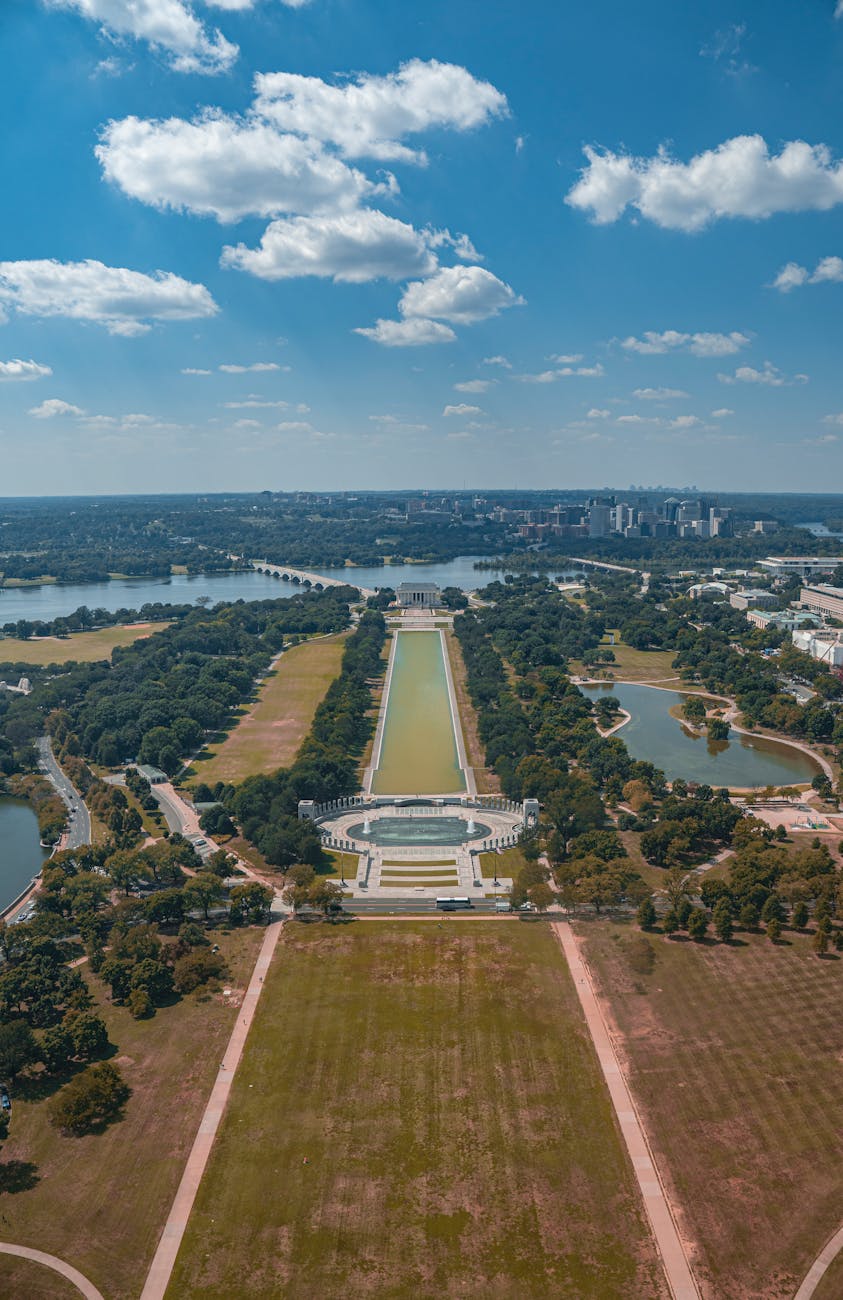
Trump said Friday that West Potomac Park will host the National Garden of American Heroes, giving his long-running monument project a Washington address and opening a new fight over whether the White House can place a major sculpture garden on federal land without Congress and planning authorities signing off.
Congress has already approved $40 million for the project, the Associated Press reported. The site choice also pulls in the federal bodies that review major development in the capital, including the National Capital Planning Commission.
Trump, according to CNN, said, “This magnificent exhibition of statues will be located in West Potomac Park.” He described the site as a “totally BARREN field of Prime Waterfront Real Estate along our Mighty Potomac River.” He has said the garden will honor 250 prominent Americans and Reuters reported that he wants it tied to the July 4, 2026 semiquincentennial.
West Potomac Park sits inside Washington’s monumental core, close to some of the busiest memorial spaces in the capital. It is not empty land at the edge of town. Any federal project slated for that location will draw scrutiny over design, traffic and precedent. By naming the site before releasing a design or construction schedule, the White House has put those questions in play without yet showing how it plans to answer them.
The $40 million appropriation does not resolve them. Congress can back the idea while a site-specific plan still has to clear the federal process that governs visible public land in the capital. The White House has not made public a final design, a firm construction timetable or a clear sequence for congressional and planning actions beyond the money already set aside. The July 4, 2026 target allows almost no room for the kind of delay that has hit other Washington memorial projects. An early design or siting dispute would tighten that schedule further.
AP noted that the Eisenhower Memorial took 21 years to finish, a reminder that Washington memorial projects can stall even with political backing. Design fights, siting fights and overlapping agency reviews have held up other projects for years. Trump’s announcement gives the garden a destination. It does not supply a faster route.
Approval hurdles
The park decision widens the distance between Trump’s political goal and the machinery needed to carry it out. His allies can frame the garden as part of the semiquincentennial and as an effort to place a preferred national canon onto public ground. Lawmakers and review bodies still have to settle narrower questions about what is being built, who oversees it, how the plan fits the site and whether it can move on the president’s timeline.
Those questions carry weight because the garden has been one of Trump’s most durable projects, surviving from his first term into a second. CNN’s account of the announcement said Trump connected the idea to architecture and monumental form after his China trip, making the site choice more than a landscaping matter and turning it into a statement about whose version of American public memory belongs on one of the capital’s most sensitive stretches of federal ground.
No congressional timetable or planning-commission calendar emerged with Friday’s announcement. The administration now has to convert the president’s declaration into a reviewable plan for West Potomac Park, keep lawmakers behind the $40 million and avoid the delays that have slowed other Washington memorial projects.

Ramona Castellanos
US politics correspondent covering Congress, primaries and the Trump administration. Reports from Washington.