Iran answers US ceasefire offer as Gulf drone attacks spread
Iran has formally answered a U.S. ceasefire proposal, but new drone attacks and shipping alerts across the Gulf show the regional crisis is still deepening.
Iran has sent a formal response to the latest U.S. ceasefire proposal through Pakistani mediators, but fresh security incidents in the Gulf suggested Thursday that diplomacy has yet to slow the war’s spread. Scripps News reported that the reply reached Washington as drones targeted Gulf states and a commercial ship came under attack near Qatar, leaving the United States and its regional partners balancing a negotiating opening against a still-worsening security picture.
The diplomacy moved. The attacks did too.
The problem facing any ceasefire push is immediate. Tehran is no longer ignoring a U.S. offer — a step beyond public threats — but governments along the Gulf shipping lane are still dealing with incidents that can disrupt trade routes, port planning and energy flows before negotiators can even test whether the two sides can narrow their demands.
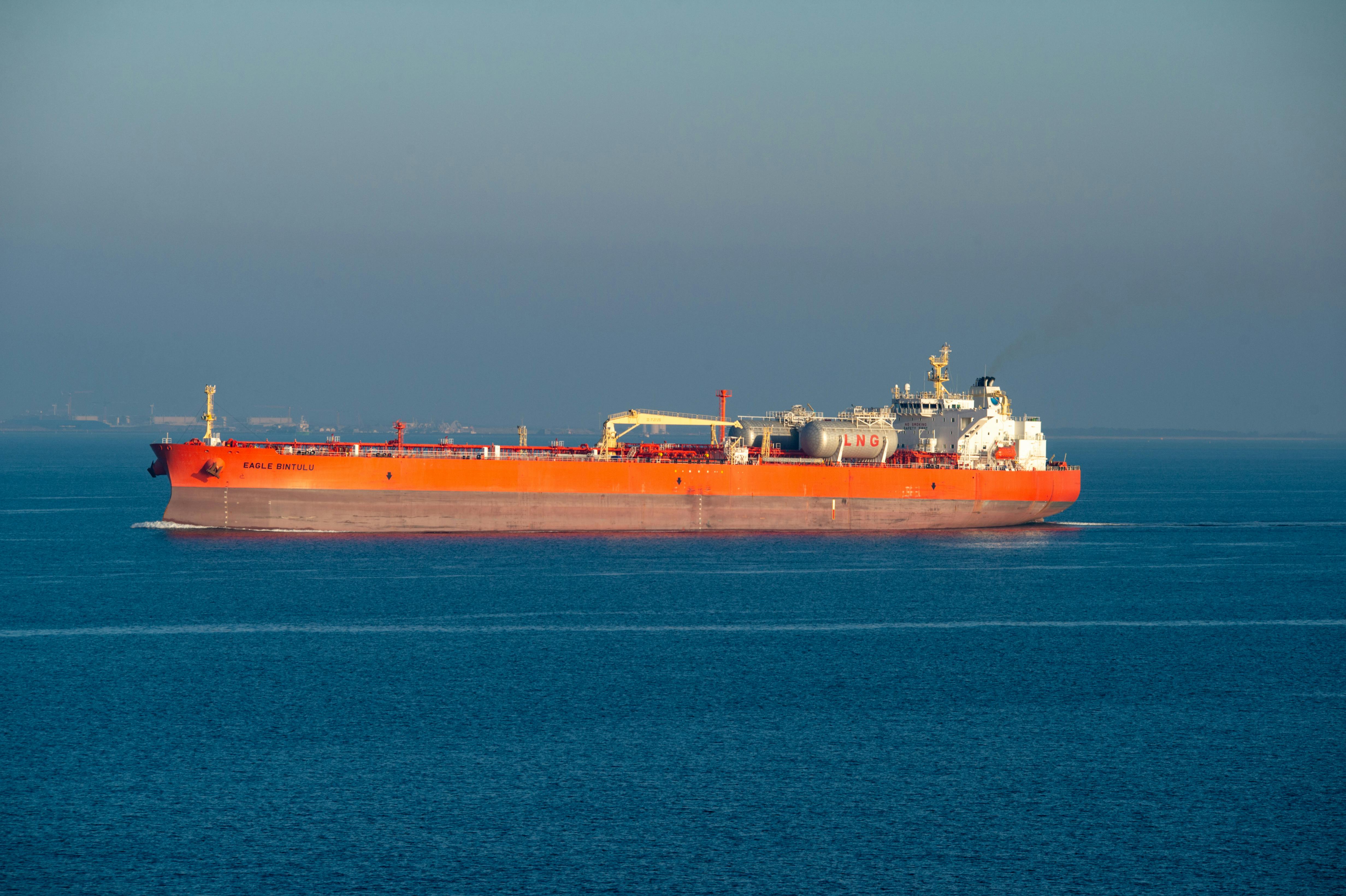
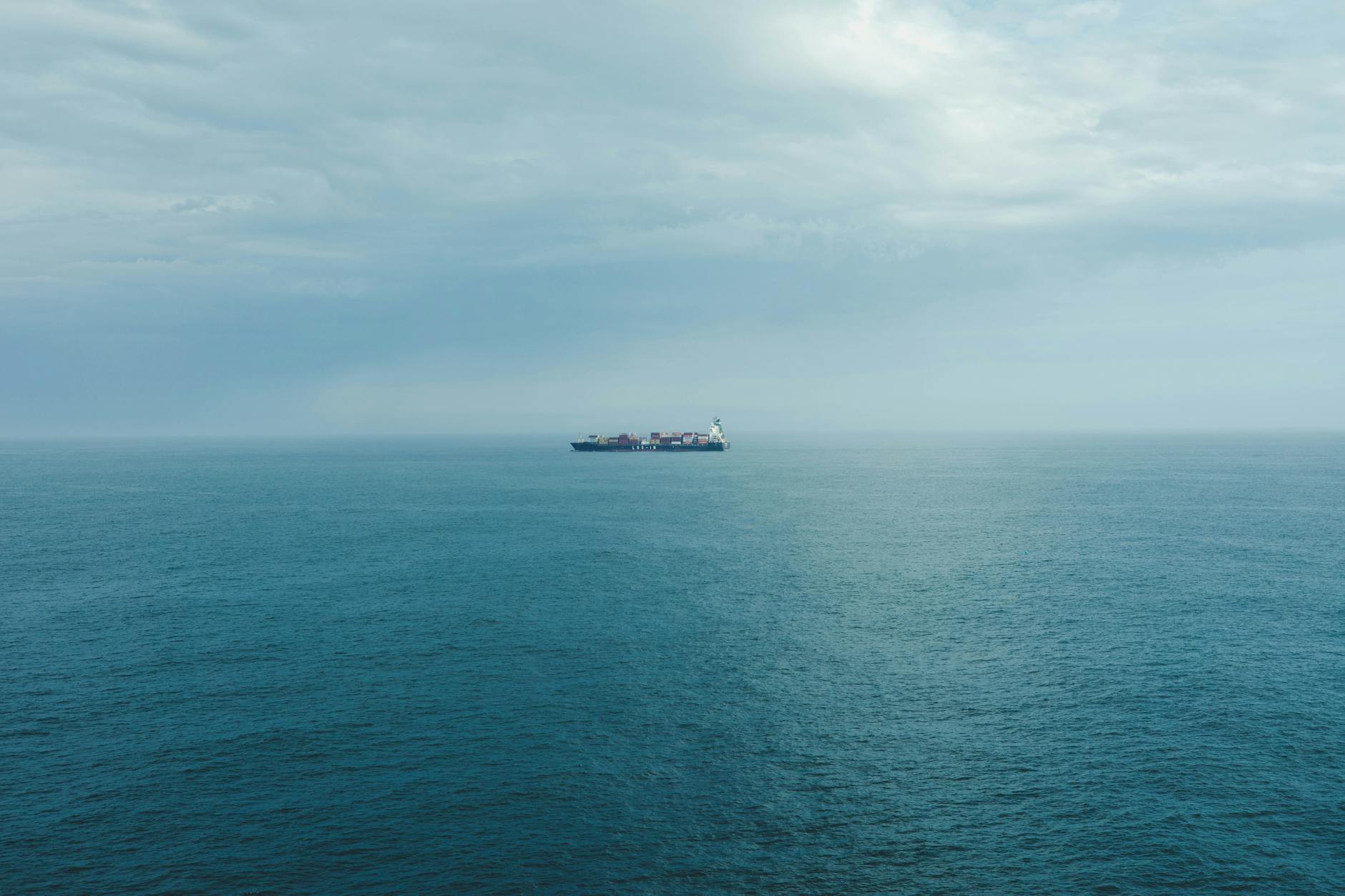
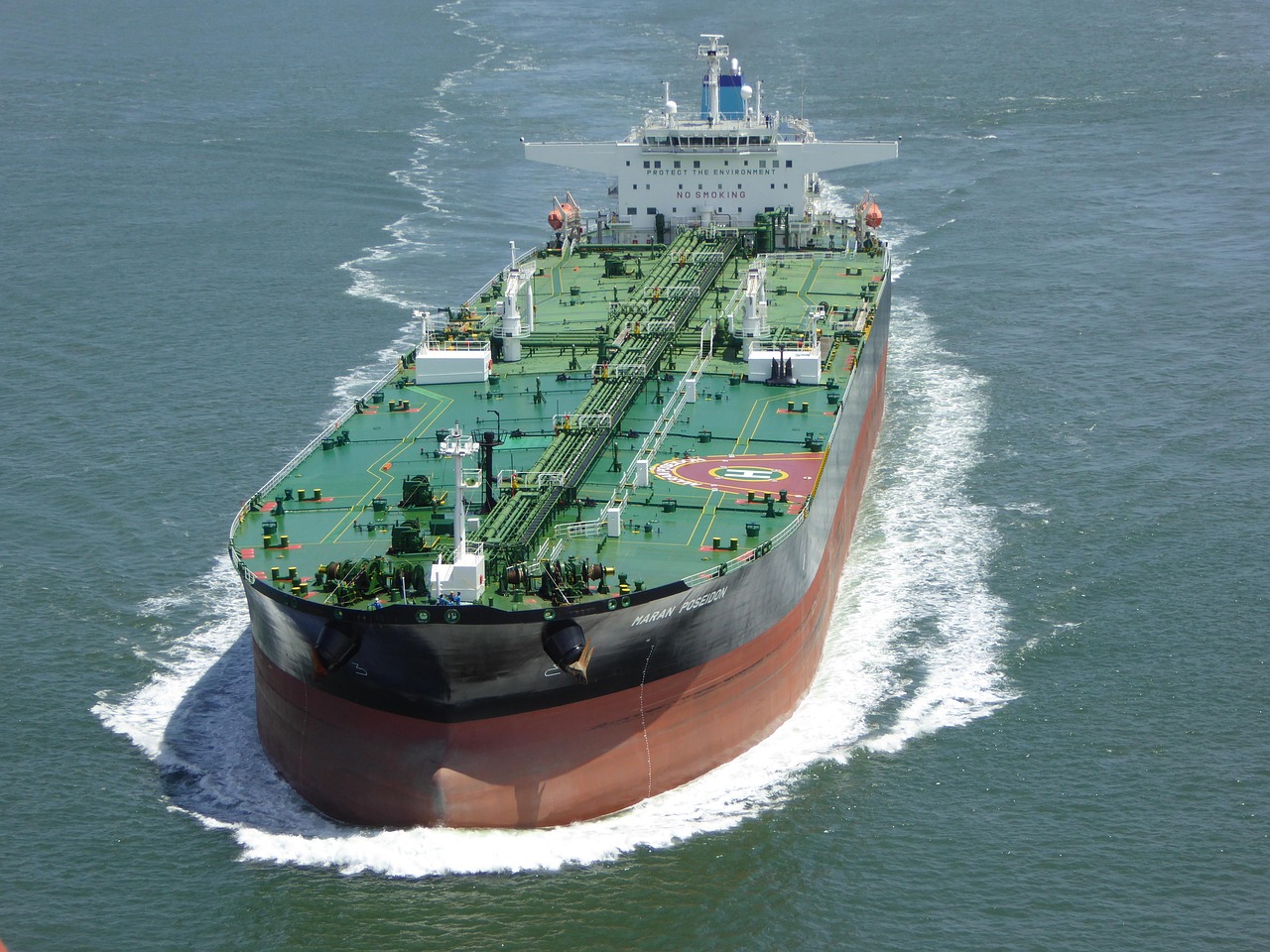
According to Scripps, one vessel was attacked about 23 nautical miles (43 kilometers) northeast of Doha. Qatar’s foreign ministry called the incident a “dangerous and unacceptable escalation that threatens the security and safety of maritime trade routes and vital supplies in the region.” The language from Doha mattered because it came from a Gulf state watching the war move closer to its own coastline, not from Washington or Tehran. It also showed how quickly a ceasefire discussion can be overtaken by events at sea.
Scripps said that since the U.S. blockade began on April 13, the U.S. military has turned back 61 commercial vessels and disabled four. That means continuing disruption along one of the world’s most important shipping corridors, even before any formal breakthrough in the talks. Each diverted vessel is a reminder that shipping risk is now part of the war’s daily tempo, not a side issue. The same report said the U.N. nuclear agency still assessed Iran as holding about 440 kilograms (970 pounds) of uranium enriched to 60 percent purity, keeping the nuclear dispute tied to the military and maritime pressure.
President Donald Trump has kept up public pressure while the ceasefire channel remained open. Scripps reported that Trump warned in a social media message that Iranian leaders “will be laughing no longer!” Al Jazeera also reported that Trump and Chinese President Xi Jinping discussed Hormuz as Tehran sought support from BRICS partners. The strait is no longer only a battlefield concern — it is also a diplomatic fault line drawing in other major powers with an interest in keeping oil and commercial shipping moving. Any U.S.-Iran exchange now sits inside a broader effort to stop a shipping crisis from hardening into a longer regional rupture.
The same Al Jazeera report quoted Iranian Foreign Minister Abbas Araghchi saying Iran would “never bow to any pressure.” Tehran appeared to want to answer the U.S. proposal without looking as if it was yielding under fire. The phrasing also signaled to domestic and regional audiences that any written reply would be framed as resistance rather than retreat, a position likely to complicate quick concessions.
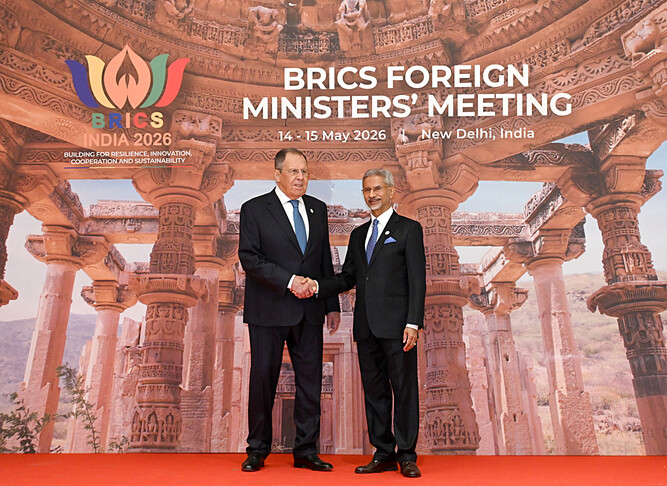
Araghchi was also working other diplomatic lines. Anadolu Agency reported that he met Indian Foreign Minister S. Jaishankar in New Delhi to discuss the Middle East conflict and the Strait of Hormuz. The meeting did not signal a breakthrough, but it showed that outside capitals are still trying to keep contact with Tehran as the pressure spreads across the Gulf and shipping risks remain elevated.
For now, Iran’s response gives the United States something concrete to examine. It does not yet appear to have changed conditions on the water. As long as attacks continue near Gulf shipping lanes, the next incident may matter more than the last message.

Yara Halabi
Foreign affairs correspondent covering the Middle East, the Gulf and US foreign policy. Reports from London.