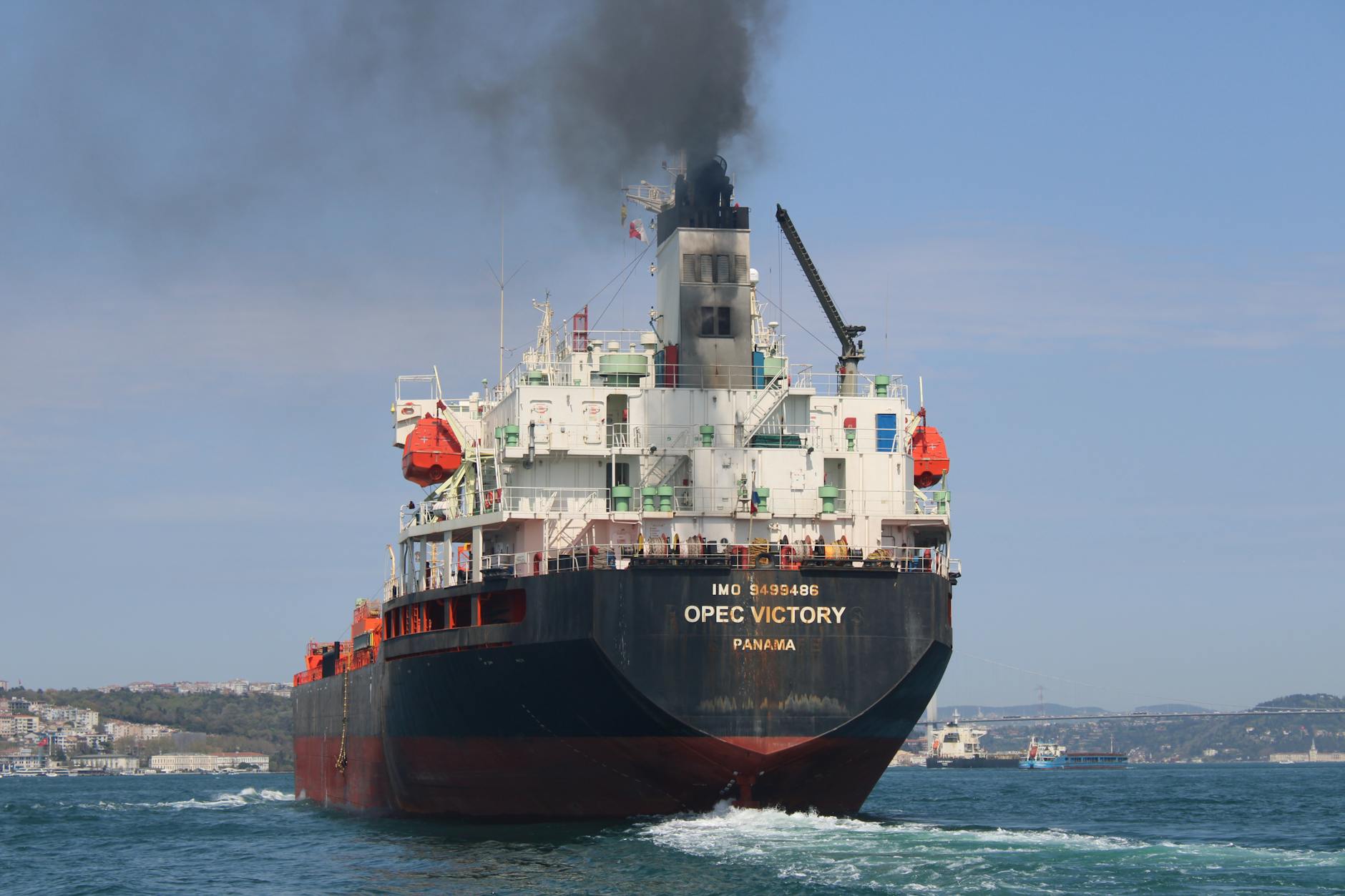
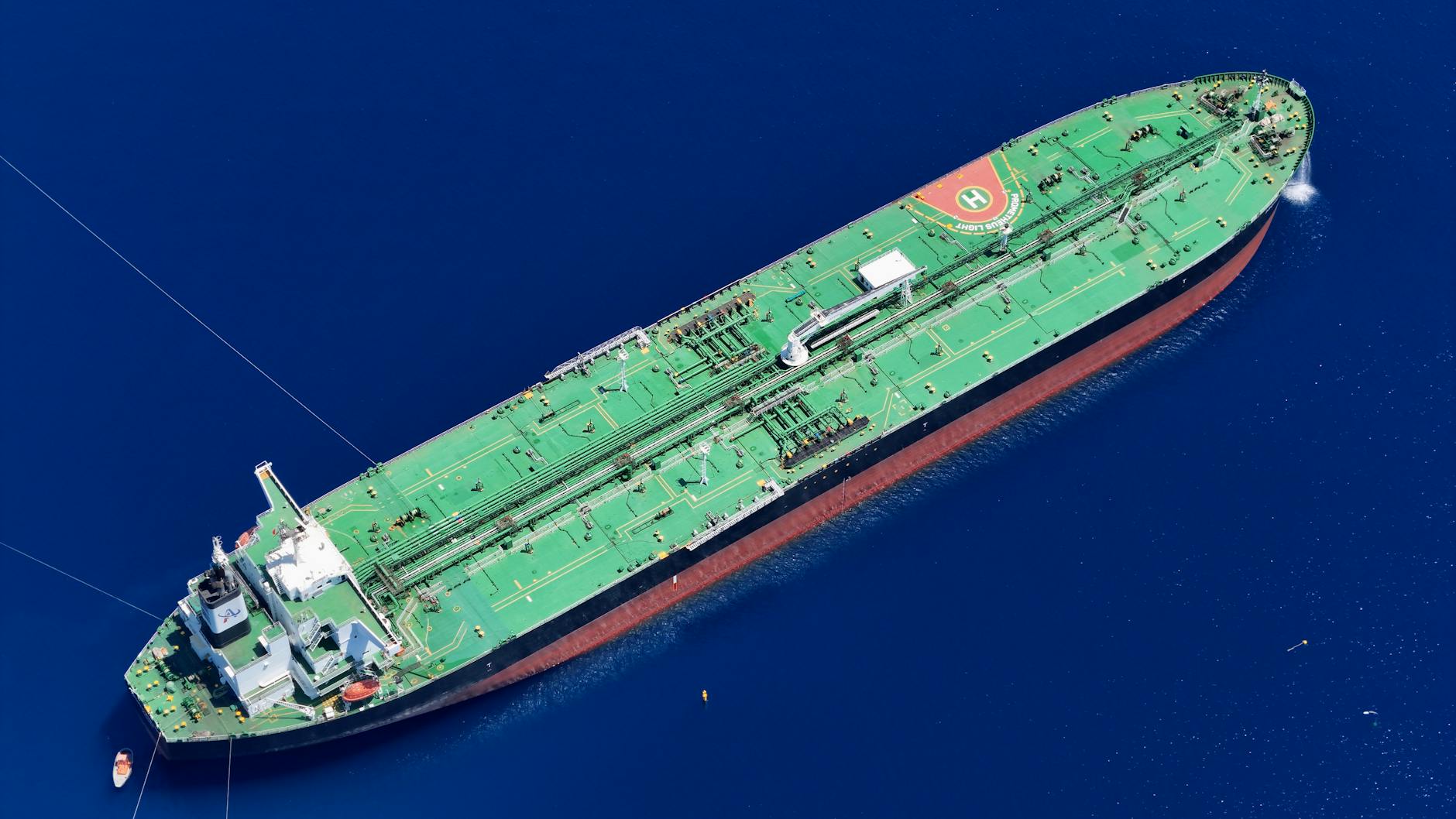
OPEC cuts 2026 oil demand forecast as Brent crude nears $106
OPEC slashed its 2026 global oil demand growth forecast by roughly 200,000 barrels per day, but supply losses from the Strait of Hormuz closure pushed Brent crude near $106 a barrel as cartel production fell more than 30 percent since the Iran war began.
OPEC slashed its 2026 global oil demand growth forecast by roughly 200,000 barrels per day in its May monthly report. Brent crude futures for July delivery settled near $105.99 on Wednesday — within sight of $106 — as supply losses from the Strait of Hormuz closure overwhelmed any relief from softening demand.
The cartel now expects global oil consumption to grow by about 1.17 million bpd this year, down from the 1.38 million bpd it forecast in April. The revision reflects weakening consumption in several major importing economies, particularly in China and across parts of emerging Asia where higher prices are beginning to suppress industrial activity.
Total OPEC production has dropped by roughly 9.7 million bpd — a decline of more than 30 percent — more than ten weeks into the Iran war, according to the OPEC report. The Strait of Hormuz, a narrow waterway through which roughly one-fifth of global oil supply normally transits, has been effectively closed since the conflict erupted in late February.
The heaviest production losses are concentrated among Iran, Iraq and Kuwait, all of which depend on Hormuz for exports. Saudi Arabia and the United Arab Emirates retain alternative pipeline routes, but those have limited capacity relative to the volumes that normally move by sea.
“The global economic growth continues to show resilience for this year despite geopolitical tensions, particularly in the Middle East,” OPEC said in the monthly report.
The International Energy Agency offered a darker reading. The Paris-based watchdog now estimates that global oil demand will fall by 420,000 bpd in 2026. The divergence between the two forecasts — roughly 1.6 million bpd — is among the widest in recent years.
“More than ten weeks after the outbreak of the Middle East war, the losses in oil supply through the Strait of Hormuz have continued to worsen, depleting global oil inventories at a record pace,” the IEA said.
The agency calculated that global stockpiles contracted by an estimated 250 million barrels over March and April, a draw of roughly 4 million bpd. No comparable two-month run exists in IEA records, which stretch back to the late 1970s.
Crude futures initially dipped on the downgrade before reversing higher as traders refocused on the supply numbers. Publishing the downgrade alongside record supply-loss figures gave the report a split character that analysts seized on.
What the banks are watching
ING Groep analysts, in a note to clients, said the market’s dilemma is about duration rather than direction. “The duration of high fuel prices remains a hot topic, closely tied to the ongoing geopolitical situation triggered by the closure of the Strait of Hormuz,” they wrote.
Several major banks had pencilled in demand downgrades of 150,000 to 200,000 bpd ahead of the report’s release. But the magnitude of the supply-side losses — 9.7 million bpd and counting — has made demand forecasting a secondary concern. Traders are pricing crude on the physical availability of barrels, not on econometric projections of global consumption three quarters out.
Pump prices in the United States, Europe and major Asian markets have risen sharply since late February. Benchmark gasoline futures have tracked Brent higher, and knock-on effects are surfacing in inflation readings across the Group of Seven economies. Central banks that had been preparing to ease monetary policy are now confronting an energy-driven inflation pulse that could delay rate cuts.
What happens next
The next OPEC+ ministerial meeting, scheduled for early June in Vienna, is now freighted with the question of whether the alliance can compensate for the Hormuz outage. OPEC+, which includes Russia and several non-cartel producers, has spare capacity concentrated in Saudi Arabia and the United Arab Emirates. Both countries have so far declined to fill the gap, citing political neutrality in the Iran conflict.
Without a diplomatic breakthrough on Hormuz — and none appears imminent — most analysts expect the supply deficit to persist through the third quarter.

Pria Kothari
Energy and commodities correspondent covering OPEC, oil markets and the Gulf. Reports from London.