SpaceX IPO price set at $135 for record $75B raise
SpaceX IPO price of $135 puts Musk’s company on course for a $75 billion raise, but valuation and governance questions now move to market.
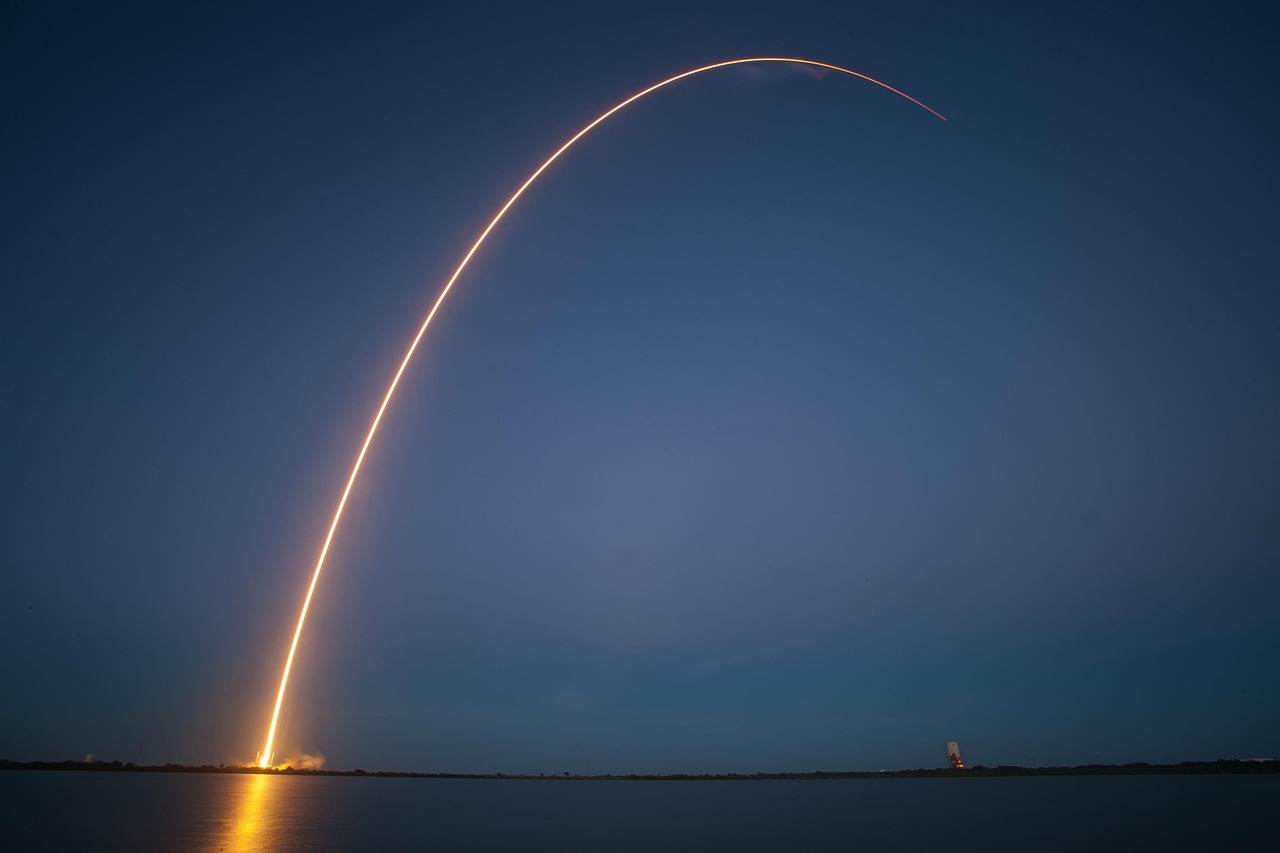
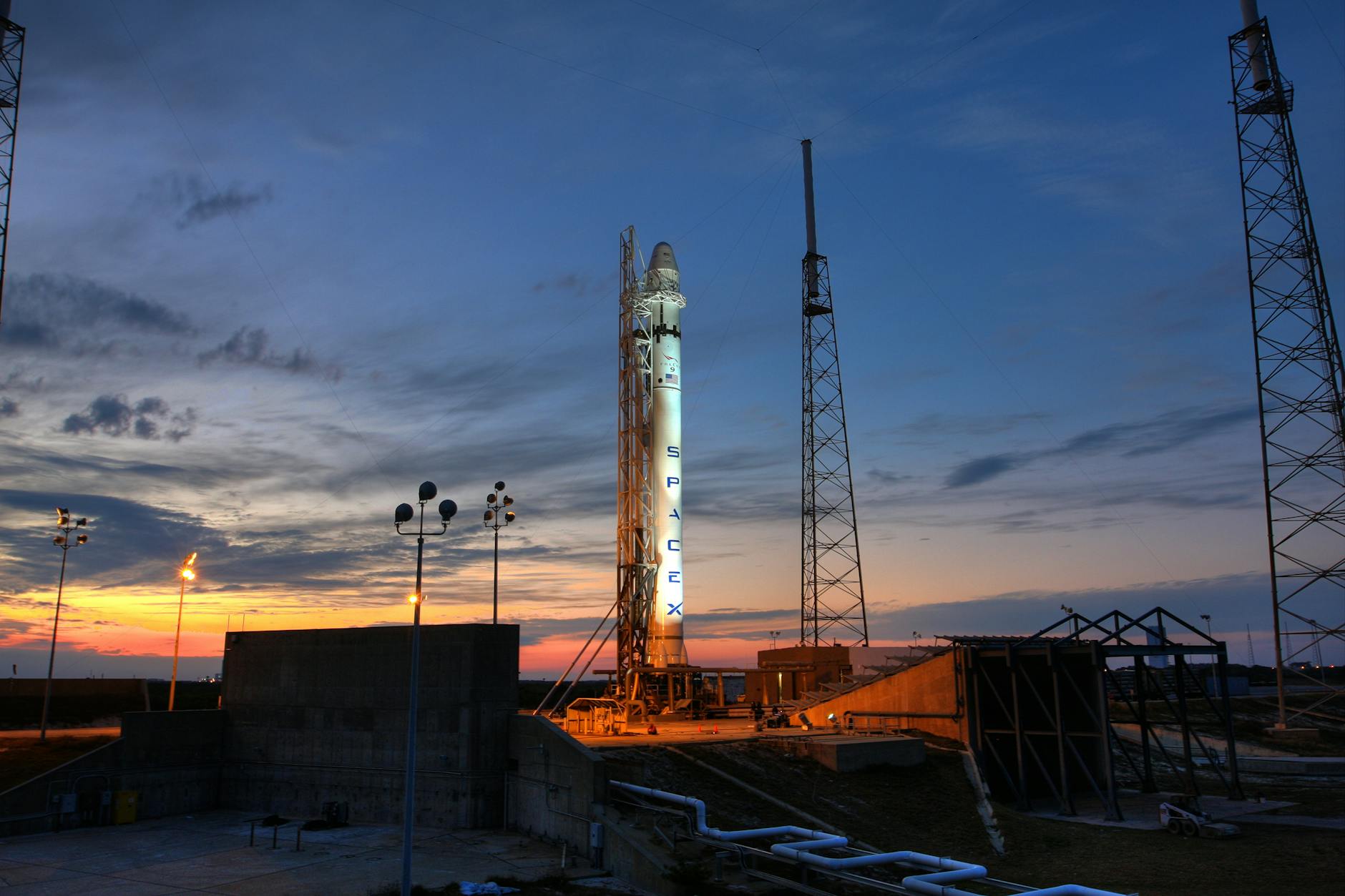
SpaceX has put a fixed $135 price on what could become the largest initial public offering in history, moving Elon Musk’s rocket company from years of IPO speculation into a $75 billion test of public-market demand.
The price, reported by Reuters, would value SpaceX at roughly $1.77 trillion and place 555.6 million shares in an offering scheduled for Nasdaq. That would dwarf Saudi Aramco’s 2019 debut. It also leaves Wall Street to decide whether the company should trade as a launch provider, a broadband network, an AI infrastructure play, a defense contractor or some combination of all four.
For years, a SpaceX listing could sit just over the horizon, pushed back by Starship tests, private funding rounds or Musk’s preference for operating outside quarterly scrutiny. A fixed price changes the discussion. Banks can still test demand during the roadshow, but investors now have a number in front of them: $135 a share, $75 billion in proceeds and a valuation that would immediately rank with the world’s largest listed companies.
Importance is not the question. Price is. Morningstar analysts, in a CNBC report, said they believe SpaceX is worth less than half the target implied by the offering.
“We think the company has been significantly overvalued and investors will have opportunities to buy the stock at more attractive levels after the IPO,”
Morningstar analysts, CNBC
That warning is likely to hang over the first trading days. It does not mean the deal cannot clear. Scarcity has value, especially for a company public investors have chased for years and a founder whose businesses draw institutional demand and retail heat. Scarcity, though, is not the same as a durable valuation. The price asks buyers to underwrite years of execution across businesses that move at different speeds and carry different risks.
A record float
Scale is the simple part and still the hardest to absorb. A $75 billion raise would be a capital-markets event on its own, even before the SpaceX name is attached. It would also land as investors debate whether a cluster of AI and technology listings reflects renewed risk appetite or a late-cycle scramble for exposure.

A fixed-price approach adds pressure. Conventional IPOs lean heavily on book-building to narrow a range. SpaceX is asking the market to absorb a number that already implies unusual confidence. Underwriters get a cleaner story to sell, with less room to soften expectations if demand proves uneven.
For banks, brokers and large institutions, the IPO is also a fee pool and a client relationship that could define the year’s equity-capital-markets standings. Business Insider has reported that Goldman Sachs took the lead-left role on a large underwriting syndicate. A successful deal would validate a market hungry for listings with real scale. A messy aftermarket would raise a harder question: whether the new technology IPO window is being priced for perfection.
The company is courting a broader buyer base, too. CNBC reported that SpaceX reserved up to 5 per cent of IPO shares for certain employees and friends. Retail access can deepen demand, but it can make the first week noisier. A stock that opens as a cultural event can trade differently from one that opens as a claim on future cash flow.
What investors are buying
SpaceX is not a simple single-line company. It launches rockets, sells satellite broadband through Starlink, holds government and defense contracts, and has disclosed a growing connection to AI compute. Wired has reported that Anthropic is paying SpaceX for access to data-center capacity. In the company’s own words, according to Wired’s account of the filing, the pitch reaches beyond reusable launch.
“We believe our dual monetization strategy provides multiple pathways to generate returns on invested capital.”
SpaceX filing, reported by Wired
Breadth is both the sell and the diligence problem. If Starlink is treated like a global telecom network, investors will look for subscriber growth, churn, spectrum constraints and regulatory exposure. A launch-infrastructure valuation points instead to cadence, margins, Starship development and government demand. Add AI compute, and the company borrows from a different market narrative altogether.
Defense gives the valuation another layer because it supplies revenue and strategic weight. TechCrunch reported last week that SpaceX had been awarded $6.45 billion in Space Force contracts ahead of the IPO. That strengthens the case that SpaceX is embedded in U.S. national-security infrastructure. It also means public investors would own a company tied to procurement cycles, political scrutiny and the government’s dependence on a private launch provider.
The operating risks are more prosaic but no less real. TechCrunch also reported that water access has become a risk factor in the IPO filing, a reminder that SpaceX’s physical footprint is not abstract. Launch cadence depends on sites, permits, cooling, environmental compliance and local infrastructure. Those constraints can turn a growth story into a public-company headache.
Control and disclosure
Governance is where the skeptic’s case starts. SpaceX may be entering public markets, but the offering does not appear to invite ordinary shareholders to shape the company. The filing indicates that Musk and insiders would retain about 82 per cent voting control after the offering. Dual-class control is familiar in founder-led technology companies. At this scale, it is more consequential.

Investors may treat control as a feature if they believe the founder is the source of the company’s edge. They may treat it as a discount if they believe public shareholders will bear risk without meaningful influence. SpaceX sits between those readings. Musk is central to its brand, capital access and operating mythology; he is also why governance will stay in the valuation debate from the first trade.
Disclosure is the sharper issue because the business mix is becoming harder to parse. CNBC has reported that SpaceX skeptics grew more concerned after Musk’s comments diverged from IPO filing language around the Anthropic arrangement. A private company can manage that kind of tension inside a narrower circle. For a listed company valued in the trillions, ambiguity becomes a market event.
SpaceX’s filing also described historical commercial links with Tesla, another Musk-controlled company.
“We have historically collaborated with Tesla through commercial, licensing, and support agreements,”
SpaceX filing, reported by CNBC
That sentence will not decide the IPO. It does explain why public investors will read related-party disclosures closely. Musk’s empire includes companies that share technology ambitions, investor bases, executives, suppliers and public attention. A Nasdaq listing means the market must price not only SpaceX but the intersections around it.
The market test ahead
The bullish case is clean enough: SpaceX combines defensible technology, government relevance, global broadband demand and optionality in AI infrastructure. Few businesses can credibly claim that mix. Fewer still can enter public markets with enough brand pull to make an IPO a macro event.
The caution is just as plain. At $1.77 trillion, the offering front-loads a lot of the future. It is not merely rewarding past launches or Starlink adoption. It assumes that several hard businesses will scale together, that government demand will remain supportive, that regulatory frictions will stay manageable and that Musk’s control will be accepted rather than discounted.
That is why the $135 price matters. It turns SpaceX from a private-market legend into a security with a quote, a float and daily judgment. The company can still command a premium. Public investors now have to decide whether that premium is the price of access to one of the world’s most strategically important companies, or evidence that the year’s most anticipated listing arrived already priced for a perfect flight.
Kai Mendel
Technology editor covering fintech, AI and the platform economy. Reports from San Francisco.