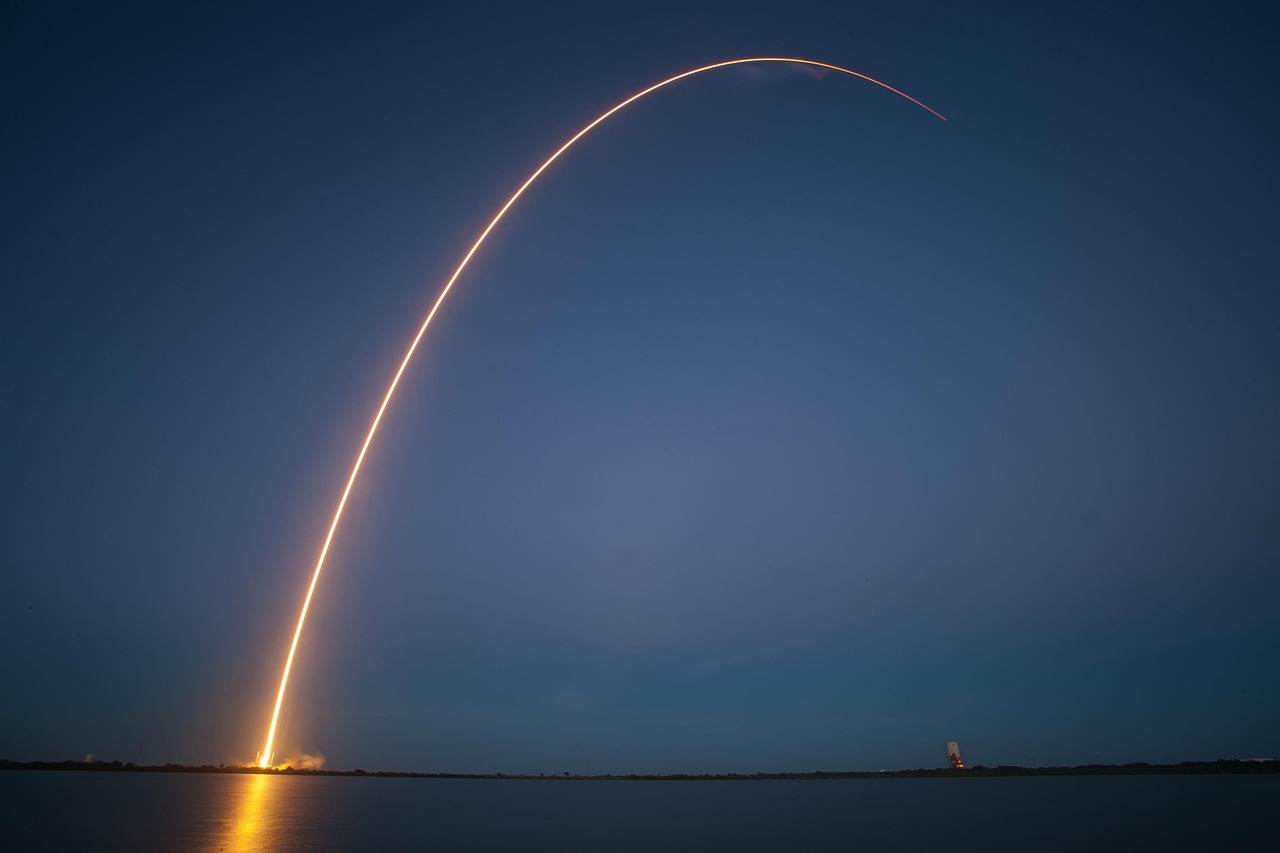
SpaceX $1.75tn IPO filing reveals $15bn Anthropic compute deal and xAI's $6.4bn loss
SpaceX filed its S-1 registration with the SEC on Wednesday, disclosing a $15 billion annual compute contract with Anthropic and a $6.4 billion loss at xAI in 2025, as the rocket-to-AI conglomerate targets a $1.75 trillion valuation.
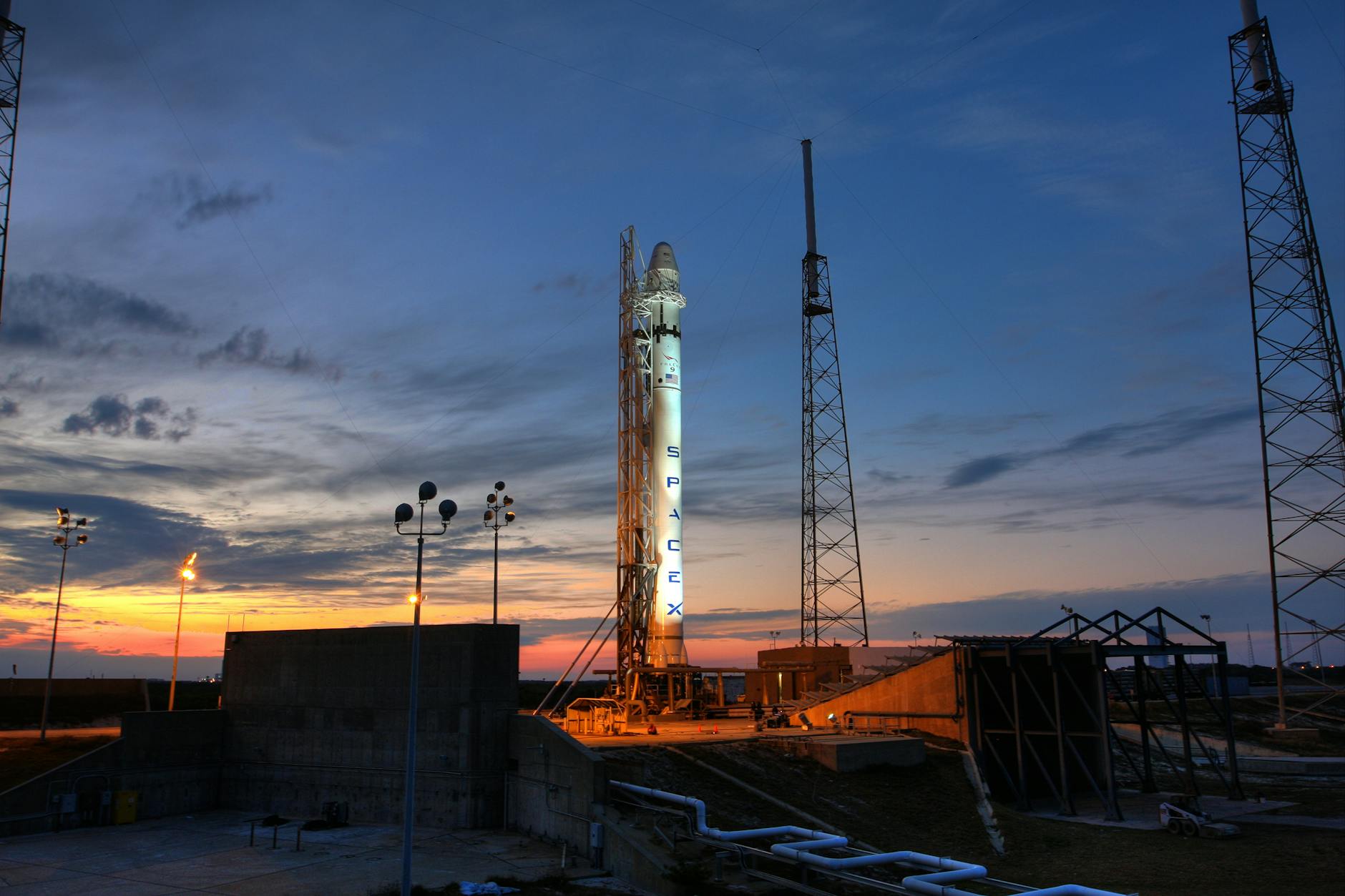
SpaceX filed its long-awaited S-1 registration statement with the Securities and Exchange Commission on Wednesday, disclosing for the first time that AI company Anthropic is paying it $15 billion a year for computing power and that Elon Musk’s xAI subsidiary lost $6.4 billion in 2025 — financial details that recast the rocket maker as an AI-infrastructure conglomerate targeting a $1.75 trillion valuation in what would be the largest initial public offering in US history.
The filing, which sets up a $75 billion raise led by Goldman Sachs and Morgan Stanley atop a 21-bank syndicate, reveals a company whose centre of gravity has shifted decisively from launch pads to data centres. Starlink generated $11.3 billion in 2025 revenue, more than half the company’s $18.67 billion total, and the satellite-internet unit counted 10.3 million subscribers in the first quarter of 2026. But the surprise buried in the prospectus is a compute-as-a-service business that already dwarfs the rocket operation most investors thought they were buying.
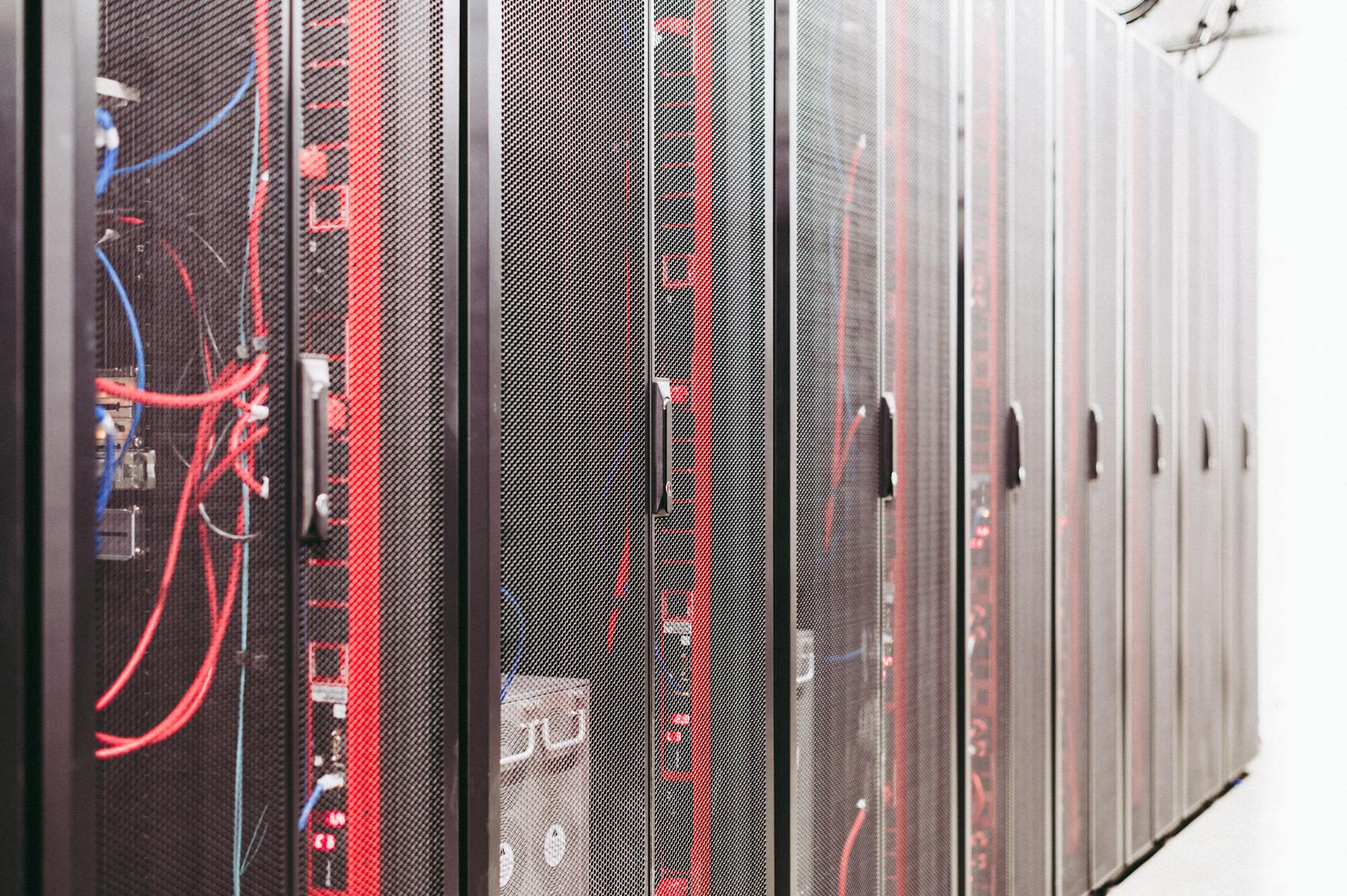
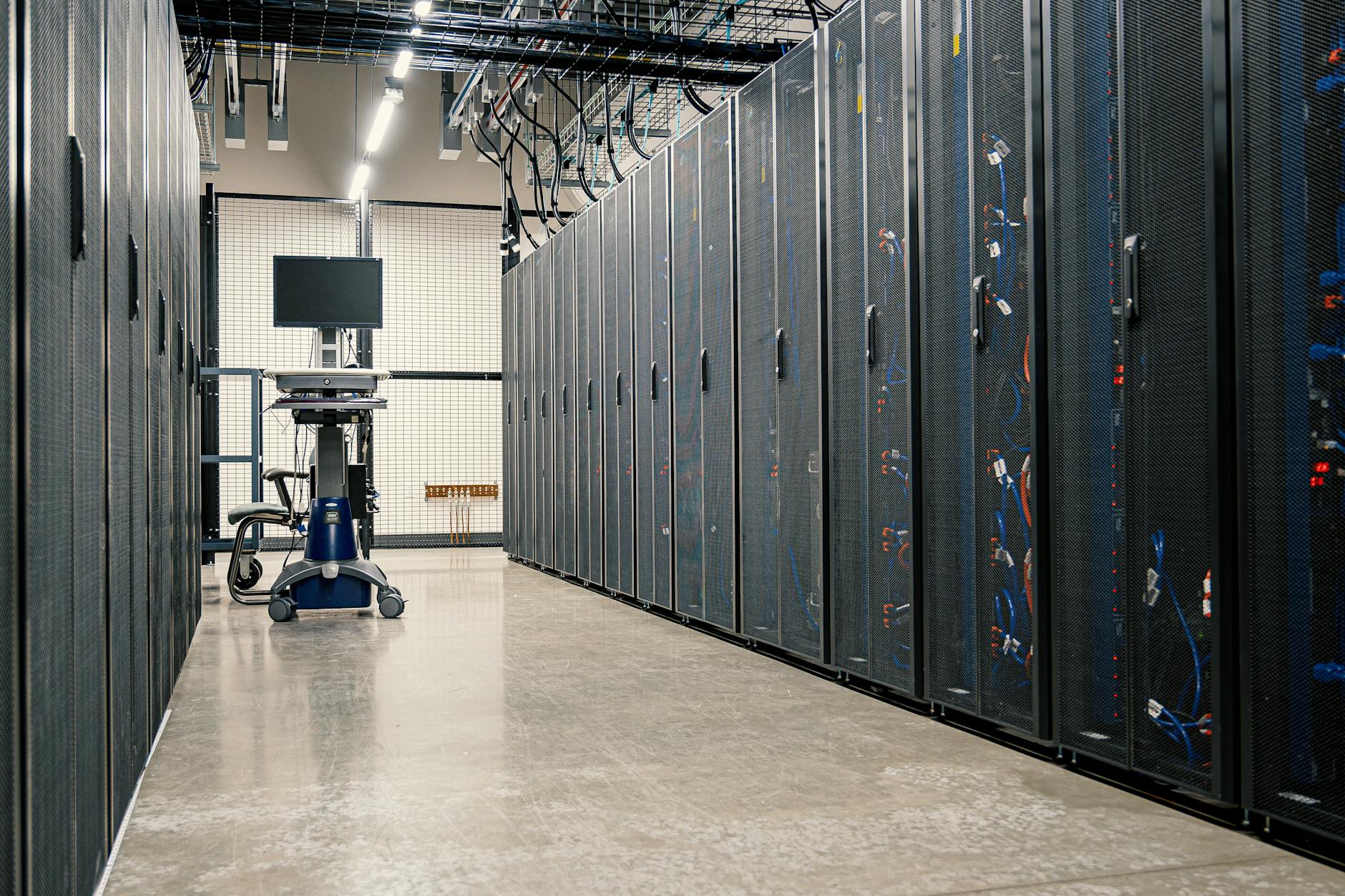
The Anthropic contract, first reported by WIRED, commits the AI lab to pay $1.25 billion per month through May 2029 for access to SpaceX’s Colossus data centres near Memphis, Tennessee. At $15 billion annually, the deal makes Anthropic the largest single customer in SpaceX’s history — larger than NASA, the Department of Defense, or any commercial satellite operator — and anchors a compute division that the S-1 describes as a “dual monetisation strategy” in which SpaceX both trains its own models and sells capacity to third parties. The filing notes the company is spending $2.8 billion on gas turbines to power the Colossus facilities, underscoring the scale of the buildout.
“We have sufficient capacity to provide compute for our own AI models,” the S-1 states. “We believe our dual monetisation strategy provides multiple pathways to generate returns on invested capital.”
The xAI question
The xAI numbers are the filing’s most sobering disclosure. Acquired by SpaceX in February 2026, xAI generated $3.2 billion in revenue in 2025 while posting a $6.4 billion operating loss, according to the S-1. The loss was driven largely by the cost of training Grok, xAI’s large language model, and the capital expenditure required to compete with OpenAI, Anthropic, and Google in a market where frontier-model training runs now cost upwards of $1 billion apiece.
Public investors buying into the IPO are effectively funding a money-losing AI lab inside a money-losing rocket company — SpaceX itself recorded a $4.9 billion net loss in 2025 on $18.67 billion in revenue — at the moment the AI arms race is accelerating. Former OpenAI staffers warned this week that xAI’s safety record — including pending litigation over Grok deepfake outputs and a data breach affecting millions of users — represents a material risk that the S-1 itself acknowledges in its risk-factors section, flagging expected legal costs in the “half-billion dollar” range.
But the governance architecture that NY/CA public pension fund leaders called “the most management-favourable governance structure ever brought to US public markets” may carry more weight for institutional investors. Musk controls roughly 43 per cent of SpaceX equity, and the S-1’s corporate governance provisions make clear that only Musk can remove Musk. No independent board, no shareholder vote, no activist campaign can dislodge him. “We acknowledge SpaceX’s extraordinary technical and commercial achievements,” the pension funds said in a joint statement. “Its governance must at least adhere to the baseline protections upon which long-term institutional capital depends.”
Gordon Johnson, founder of research firm GLJ Research, told New York Magazine that “the governance architecture is the most one-sided of any company that will list at this scale.” The concern is not abstract. Because Nasdaq has adopted a fast-entry rule that would put SpaceX into the Nasdaq-100 within 15 trading days of listing, passive index funds — which collectively manage trillions in assets — become price-insensitive forced buyers of a stock with roughly 5 per cent of its shares in the public float.
What the valuation assumes
At the midpoint of its $1.5 trillion to $2 trillion range, the $1.75 trillion target prices SpaceX at roughly 70 times its 2025 revenue. Sum-of-parts analyses from independent researchers all land below the IPO price. Aswath Damodaran, the NYU finance professor whose valuations are widely cited in IPO pricing discussions, estimates SpaceX’s fair value at $1.22 trillion. FutureSearch, an AI industry research firm, puts it at $1.25 trillion. PitchBook’s range spans $1.1 trillion to $1.7 trillion, with the top end only brushing the IPO’s floor.
The gap — 20 to 40 per cent above even the most generous independent estimates — implies investors are being asked to price every business line at perfection. Starlink must sustain 63 per cent EBITDA margins as Amazon’s Kuiper constellation comes online as a direct competitor. The Anthropic compute deal, while enormous, runs only through May 2029; the S-1 does not disclose renewal terms or whether Anthropic has made binding commitments beyond the initial contract period. And xAI must close a $6.4 billion loss while competing against labs that are themselves burning billions in pursuit of artificial general intelligence.
The Starship variable
The most consequential unknown in the S-1 is Starship, SpaceX’s next-generation heavy-lift rocket, which has cost more than $15 billion to develop and has yet to fly a fully successful orbital mission with a payload. The S-1’s forward revenue projections rely on Starship economics — the rocket’s ability to carry payloads of more than 100 tonnes to orbit at a marginal cost the company says will undercut every competitor, including its own Falcon 9 — to model the launch division’s contribution to free cash flow through 2036.
The twelfth Starship test flight was scheduled for Thursday, hours after the S-1 went public, in what Scientific American described as a demonstration that “could set the tone for SpaceX’s highly anticipated IPO.” A successful flight would validate the technical roadmap. A failure — or a delay driven by the parallel investigation into a worker death at the company’s Starbase facility in Texas — would force underwriters to recalibrate the narrative that the $75 billion raise depends on.
The IPO’s 30 per cent retail allocation, roughly triple the Wall Street norm for deals of this size, suggests the syndicate is counting on Musk’s personal following to absorb a meaningful portion of the offering. Retail demand has been a decisive factor in recent high-profile listings: the 2024 Reddit IPO allocated 8 per cent to retail and saw first-day gains of 48 per cent. At 30 per cent, SpaceX is betting that individual investors — many of whom cannot independently model discounted cash flows — will pay the premium that institutional buyers, bound by fiduciary duty, may not.
For Musk, whose 43 per cent stake would be worth roughly $750 billion at the midpoint of the range, the IPO crystallises a fortune that would make him the world’s first trillionaire if the stock trades up. For public markets, it introduces a company whose financial disclosures, governance structure, and risk profile together represent the most complex underwriting challenge since the dot-com era. Pricing is expected in June.
Kai Mendel
Technology editor covering fintech, AI and the platform economy. Reports from San Francisco.