Bill Pulte intelligence role draws Senate skepticism
Bill Pulte intelligence role drew Senate skepticism after Trump chose the housing regulator for an acting DNI post overseeing 18 agencies.
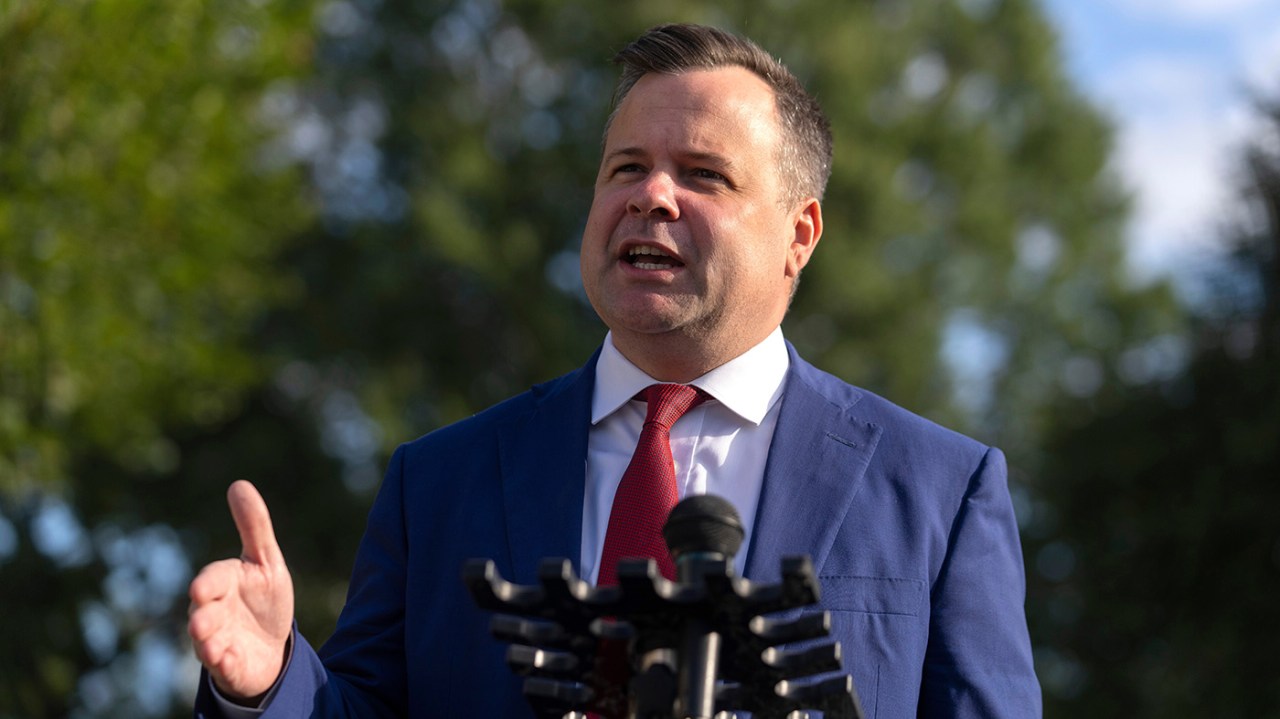
President Donald Trump said he would tap Bill Pulte for an acting intelligence post, prompting early questions in the Senate about whether the housing regulator has the background to lead the U.S. intelligence community.
Pulte, who runs the Federal Housing Finance Agency, would become acting director of national intelligence after Tulsi Gabbard’s resignation takes effect on June 30. The office coordinates a U.S. intelligence community of 18 agencies, including the CIA, NSA and intelligence units at the Pentagon and other departments.
The choice revived a familiar fight over acting appointments in national-security posts. The Senate confirms permanent intelligence chiefs. It has little formal leverage, however, when a president makes a temporary designation, and that gap shaped the first response from Republicans and Democrats on the Senate Intelligence Committee.
It also moved Pulte out of a portfolio the White House has treated as politically sensitive. At FHFA, he has dealt with housing finance at a time when mortgage rates and affordability remain pressure points for Trump. The intelligence post would put him in a different chain of command, one built around classified assessments, threat warnings and daily coordination between civilian and military agencies.
The Hill reported that Sen. John Cornyn, a Texas Republican, questioned whether Pulte met the standard for the job.
“The Senate doesn’t have any role to play in terms of confirming acting officials, but I see no evidence of any qualifications for that job.”
John Cornyn, quoted by The Hill
Senate questions the choice
Sen. Lisa Murkowski, an Alaska Republican, said she needed more information about Pulte’s background before judging the appointment. Her response showed the unease was not limited to Democrats, even if senators may never get a confirmation vote.
“I was surprised to see the name. I am not familiar whether he has any intelligence background, so obviously I’m going to have to learn a little bit more,”
Lisa Murkowski, quoted by The Hill
Pulte, 38, is better known in Washington for housing finance and loyalty to Trump than for national-security work. ABC News reported that critics quickly cast the choice as an unusually thin résumé for a post that filters intelligence products before they reach the Oval Office.
The objection is practical as well as political. The director of national intelligence is meant to sit above individual agencies, settle disputes over collection priorities and deliver assessments that may cut against a president’s preferred account of events. The job requires confidence from the White House and enough credibility with Congress to sustain classified briefings during crises.
The timing gives the dispute a national-security edge. Acting officials can keep agencies running between confirmed leaders, but the DNI sits where intelligence about foreign governments, terrorism and cyber threats is sorted for the president. Even a temporary assignment can matter.
An acting designation can move faster than a nomination. It can also leave senators with fewer tools to probe a nominee’s record, financial interests and management history before the official takes control of sensitive information. That is why the early objections focused as much on process as on Pulte.
Sen. Mark Warner, the Democratic vice-chair of the Senate Intelligence Committee, gave the criticism its sharpest form. Warner said the appointment suggested the White House wanted a political messenger at the top of the intelligence apparatus.
“because the White House believes he will provide the narrative it wants, not the intelligence we need”
Mark Warner, quoted by ABC News
Republicans quoted by The Hill said a permanent appointment would need 51 votes, a threshold that could force several uneasy senators to demand more detail on Pulte’s qualifications. The acting route avoids that vote for now, while giving the committee a line of questioning for the administration’s next intelligence oversight hearing.
What happens next
The White House still has to say how long Pulte would serve, what authority he would hold and whether he would remain at the housing finance agency while taking on intelligence duties. Those questions are practical as well as constitutional, since the intelligence director’s daily access can shape how agencies frame threats for the president.
The appointment may also complicate Pulte’s existing job. FHFA sits at the center of federal housing finance policy. The DNI post is built around threat assessment, classified collection and coordination among agencies with different missions. A dual role would invite questions about bandwidth before lawmakers reach the larger question of experience.
Gabbard’s June 30 resignation date gives senators only a short window to seek answers before the chain of command changes. Until then, Pulte’s selection will test how much resistance Congress can mount when an intelligence post is filled through acting authority instead of a confirmation vote.

Ramona Castellanos
US politics correspondent covering Congress, primaries and the Trump administration. Reports from Washington.