Trump Rejects Iran Ceasefire Response as Drones Hit Gulf Shipping
President Donald Trump rejected Iran's response to a US ceasefire proposal as drones struck commercial shipping off Qatar and entered UAE and Kuwaiti airspace. Tehran demanded a permanent end to the war on all fronts, including Lebanon, and guarantees for shipping security.
President Donald Trump on Sunday rejected Iran’s response to a US ceasefire proposal as “TOTALLY UNACCEPTABLE,” hours after drone strikes on commercial shipping off Qatar and the United Arab Emirates signalled the three-month-old conflict in the Gulf was deepening.
Iran delivered its counter-proposal through Pakistani mediators over the weekend, demanding that any negotiations cover a permanent end to the war on all fronts, including Lebanon where Israel continues to fight Hezbollah, and insisting on guarantees for shipping security through the Strait of Hormuz. The US proposal, by contrast, focused on ending hostilities between Washington and Tehran, reopening the strait, and rolling back Iran’s nuclear programme, which the International Atomic Energy Agency says now includes more than 440 kilogrammes of uranium enriched to 60 per cent, a short technical step from weapons-grade material.
Trump gave no detail on which elements of the Iranian response he found objectionable. His UN ambassador, Mike Waltz, told ABC News the administration was pursuing “every chance we possibly can before going back to hostilities,” though the diplomatic track has now produced two rejections in less than a week.
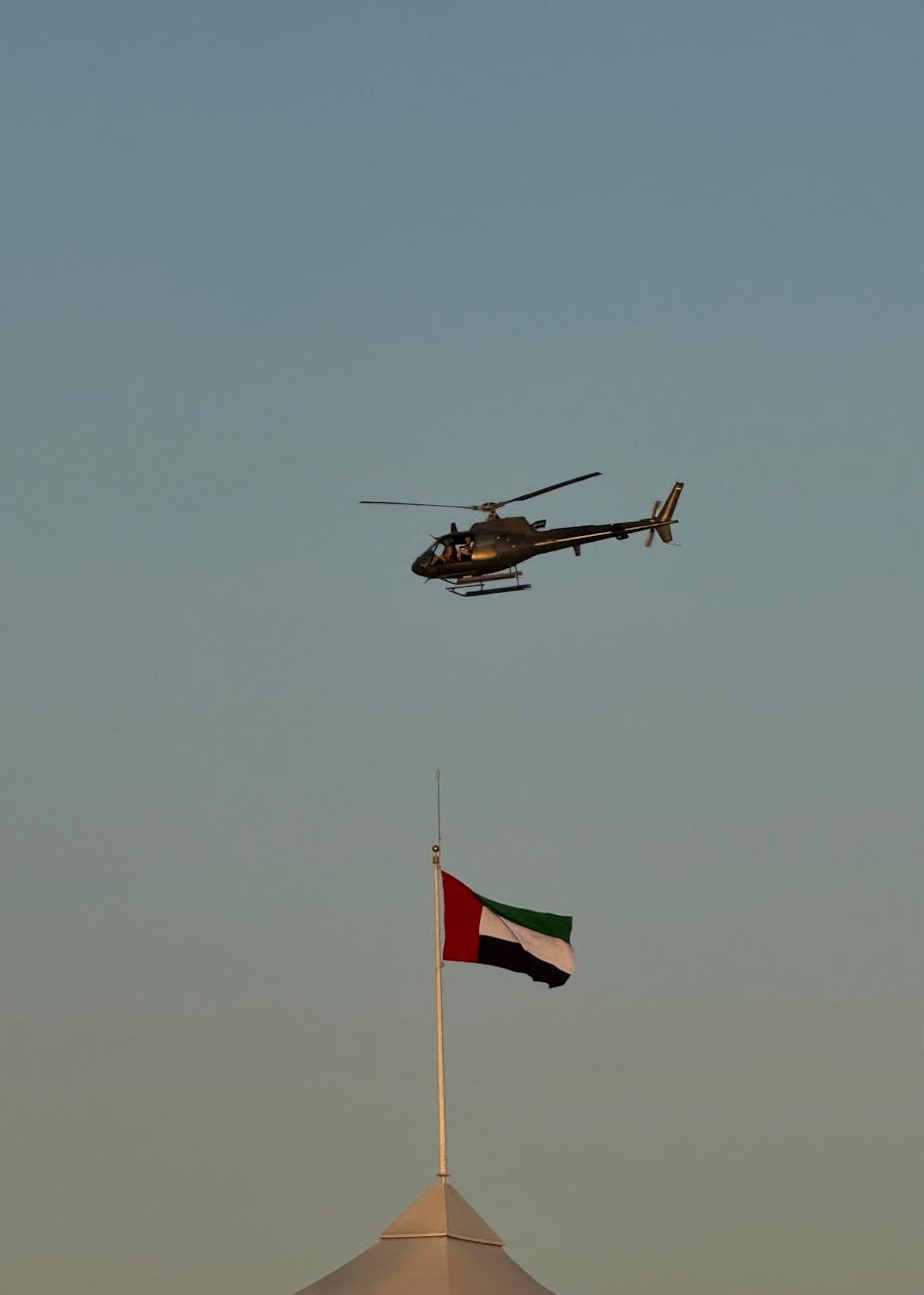
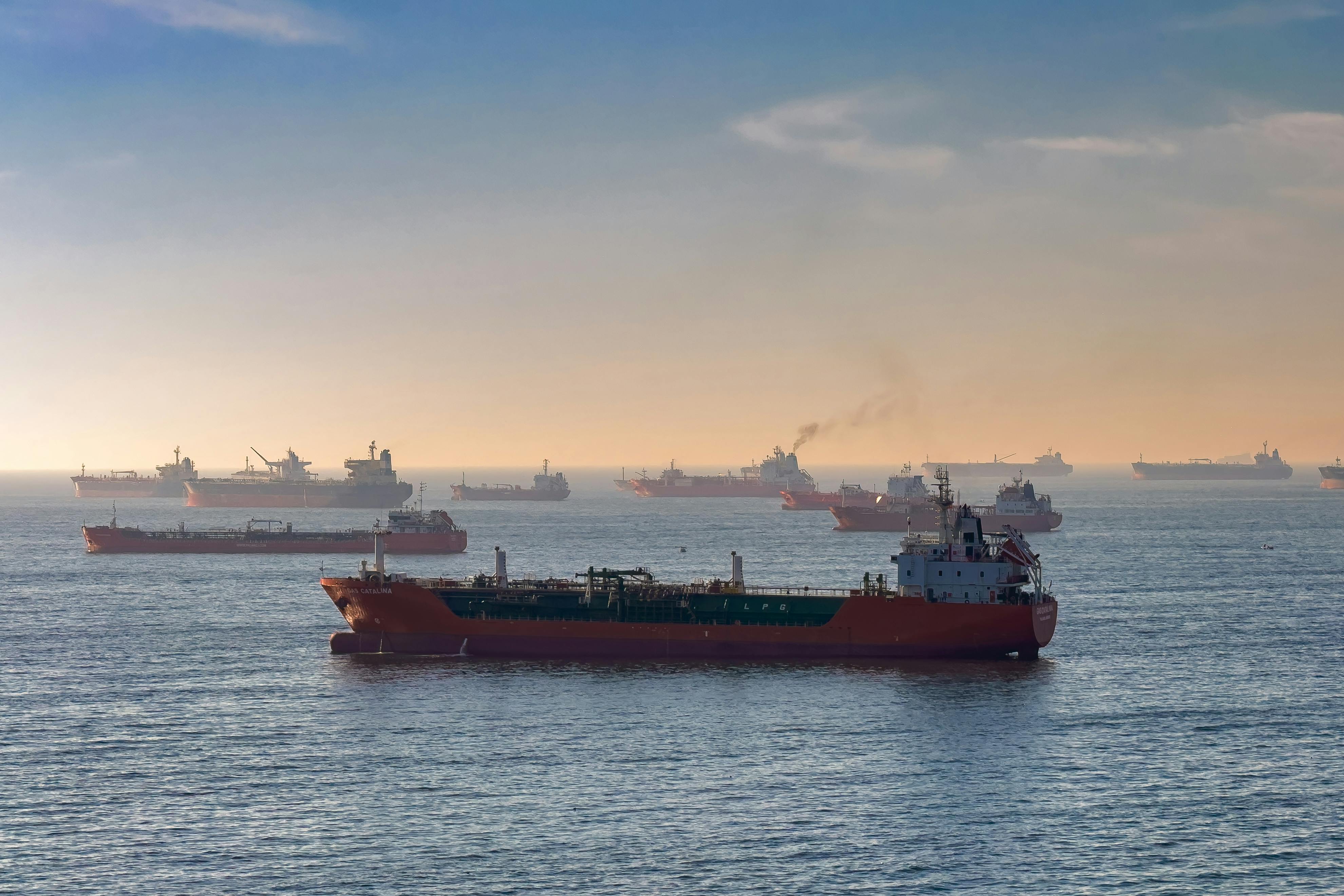
The drone strikes on Sunday came after Iran signalled it would not soften its position in the negotiations. An unmanned aircraft ignited a small fire on a commercial vessel off the Qatari coast, while both the UAE and Kuwait reported drones entering their airspace. The UAE blamed Iran directly; Kuwait said its forces had responded but did not identify the source. No casualties were reported and no group claimed responsibility. Qatar’s foreign ministry described the incident as a “dangerous and unacceptable escalation that threatens the security and safety of maritime trade routes.”
Inside Iran, state broadcaster reported that Supreme Leader Mojtaba Khamenei, who has not been seen publicly since the war began on 28 February with coordinated American and Israeli strikes, had “issued new and decisive directives for the continuation of operations and the powerful confrontation with the enemies.” The Revolutionary Guard navy separately warned that any attack on Iranian tankers or commercial vessels would trigger a “heavy assault” on a US base or enemy shipping. The warning came two days after American forces struck two Iranian oil tankers the Pentagon said were attempting to breach the US naval blockade of Iranian ports, which began on 13 April and has since turned back 61 commercial vessels and disabled four.
The nuclear question
The impasse over Iran’s nuclear programme is the hardest point in any ceasefire negotiation. IAEA Director-General Rafael Mariano Grossi has confirmed Iran holds roughly 440 kg of uranium enriched to 60 per cent purity, with the bulk of the stockpile believed to be at the Isfahan nuclear complex. Brigadier General Akrami Nia, an Iranian military spokesman, told the state news agency IRNA that Iran had considered the possibility that adversaries “might intend to steal it through infiltration operations or heliborne operations.”
Israeli Prime Minister Benjamin Netanyahu, speaking to CBS, said Trump had told him directly: “I want to go in there.” Netanyahu added that he believed destroying the facility “can be done physically.” Russian President Vladimir Putin, in separate remarks, said Moscow’s earlier proposal to take custody of Iran’s enriched uranium in order to facilitate a negotiated settlement “remained on the table.”
The military balance
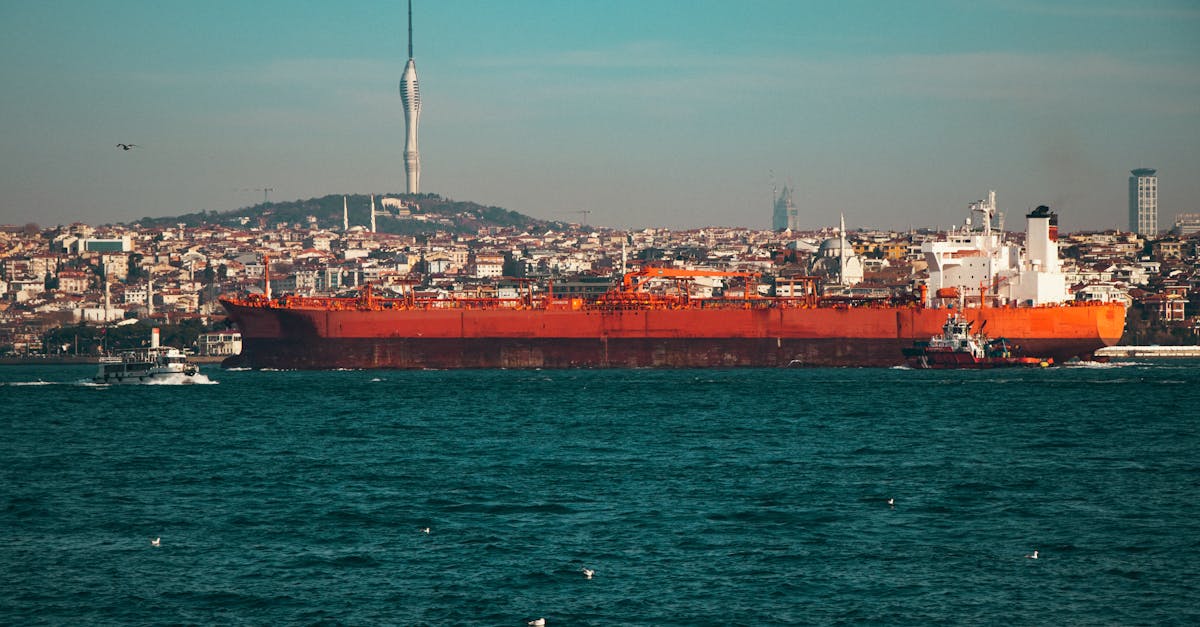
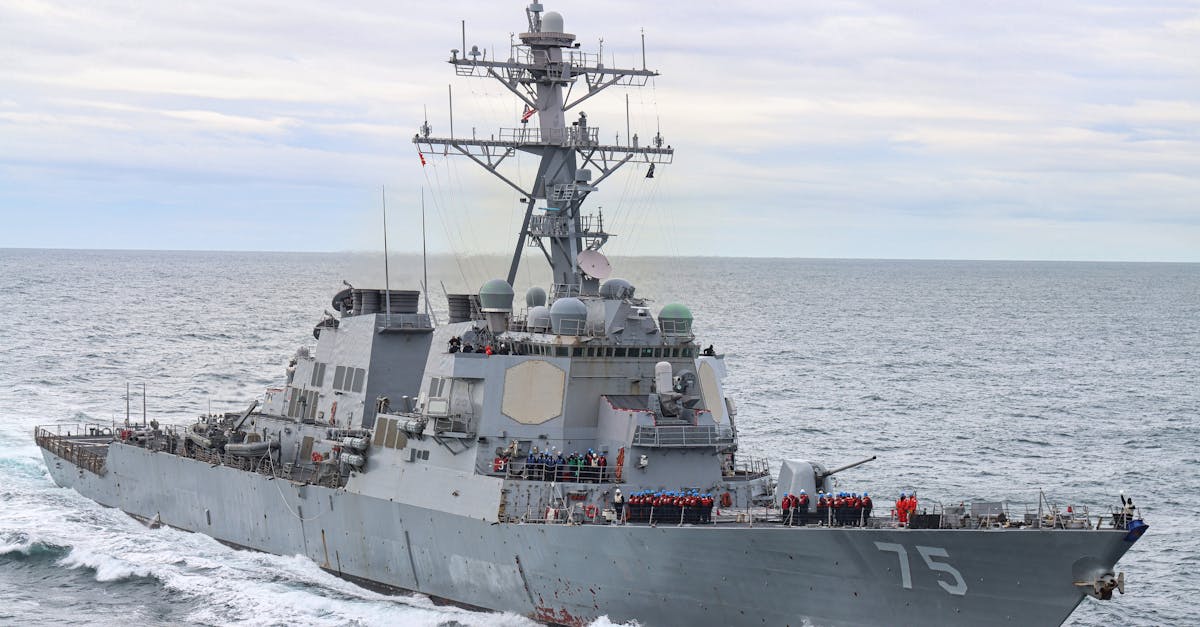
The war, now in its eleventh week, has shut down maritime traffic through one of the world’s most critical energy chokepoints. Iran has largely blocked the Strait of Hormuz since late February, and the US blockade of Iranian ports, enforced by a carrier strike group led by the USS Harry S. Truman, has stopped all major Iranian crude exports. Global benchmark Brent crude has traded above $95 a barrel for most of the past month.
Iran and allied groups have launched hundreds of drone strikes since the conflict began. A South Korean-flagged vessel, the HMM NAMU, was struck last week by what a preliminary investigation described as two unidentified airborne objects hitting roughly one minute apart while the ship was anchored in the strait. Seoul has not assigned responsibility.
France and the United Kingdom are planning a joint maritime security mission for the Gulf, intended to deploy once hostilities end. Iran’s deputy foreign minister, Kazem Gharibabadi, warned on Sunday that any presence of French or British naval vessels in the region “will be met with a decisive and immediate response from the armed forces.” President Emmanuel Macron responded that the mission would be international and defensive in nature, aimed at securing commercial shipping “once conditions allow.”
Mediation continues
Pakistan’s prime minister, Shehbaz Sharif, spoke on Sunday with his Qatari counterpart, Sheikh Mohammed bin Abdulrahman Al Thani, as Islamabad pressed both Washington and Tehran to keep the diplomatic channel open. Pakistan’s army chief, Field Marshal Asim Munir, has been the primary interlocutor between the two sides, having hosted the first face-to-face US-Iran meeting in Pakistan last month.
Neither side has set a date for further discussions. With Khamenei ordering continued military operations and Trump rejecting Tehran’s terms, the Pakistani-mediated channel that produced the first direct US-Iran talks is under acute strain.

Yara Halabi
Foreign affairs correspondent covering the Middle East, the Gulf and US foreign policy. Reports from London.