UAE air defences shoot down two Iranian drones over Gulf waters
UAE air defence systems intercepted two drones launched from Iran on Sunday as a cargo ship was struck in Qatari waters and Kuwait detected hostile drones, the sharpest test of a ceasefire now in its fifth week.
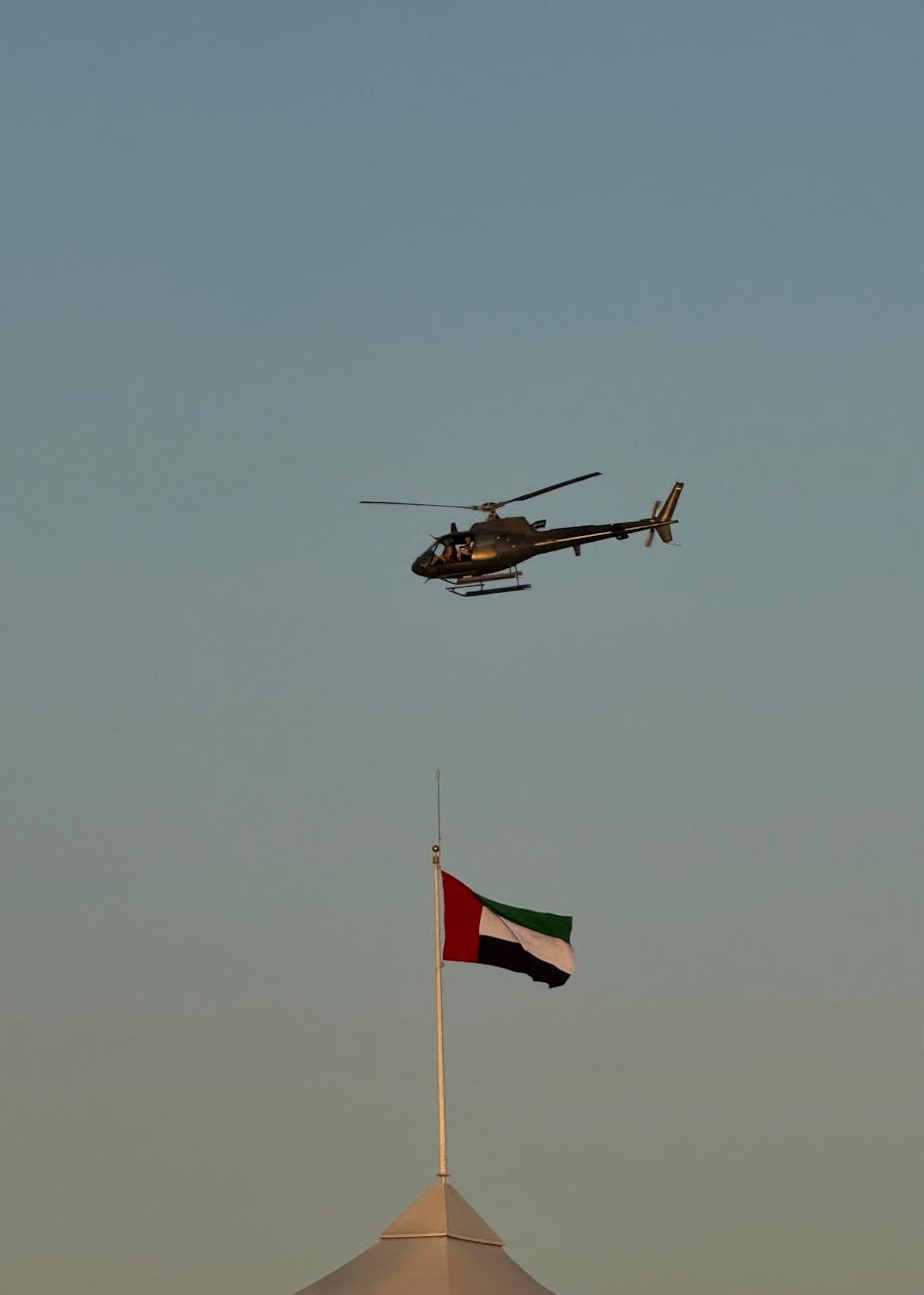
UAE air defence systems intercepted two drones launched from Iran on Sunday, the Emirati defence ministry said, the most direct breach of a four-week-old ceasefire between Washington and Tehran. The ministry said the drones were shot down over UAE territorial waters. No casualties or damage on the ground were reported.
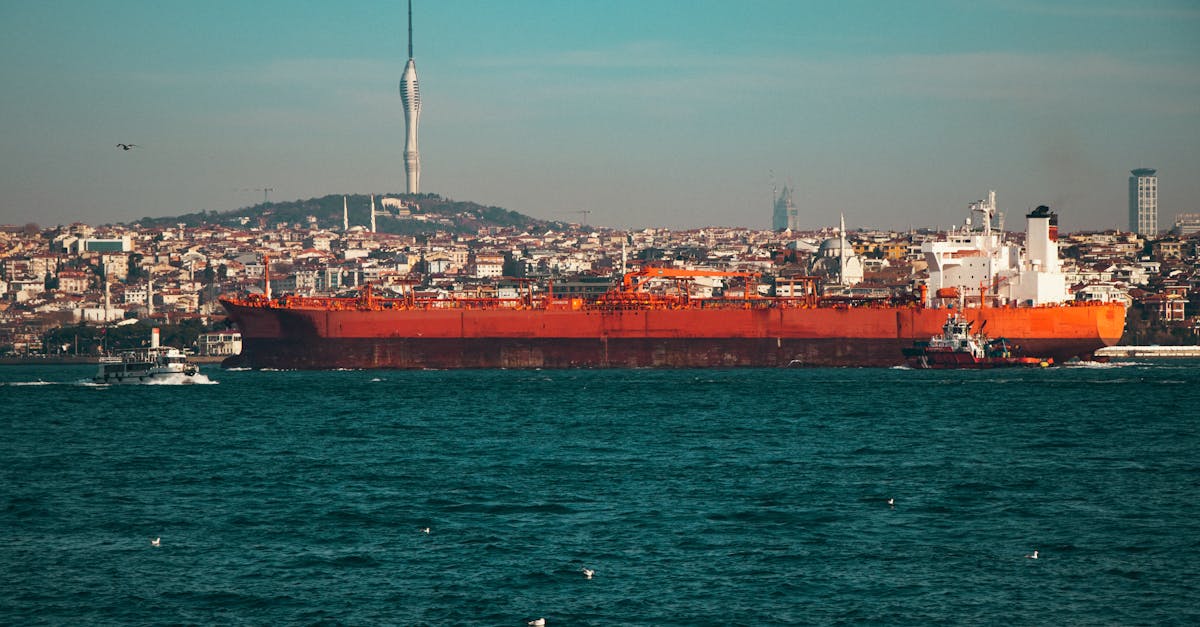
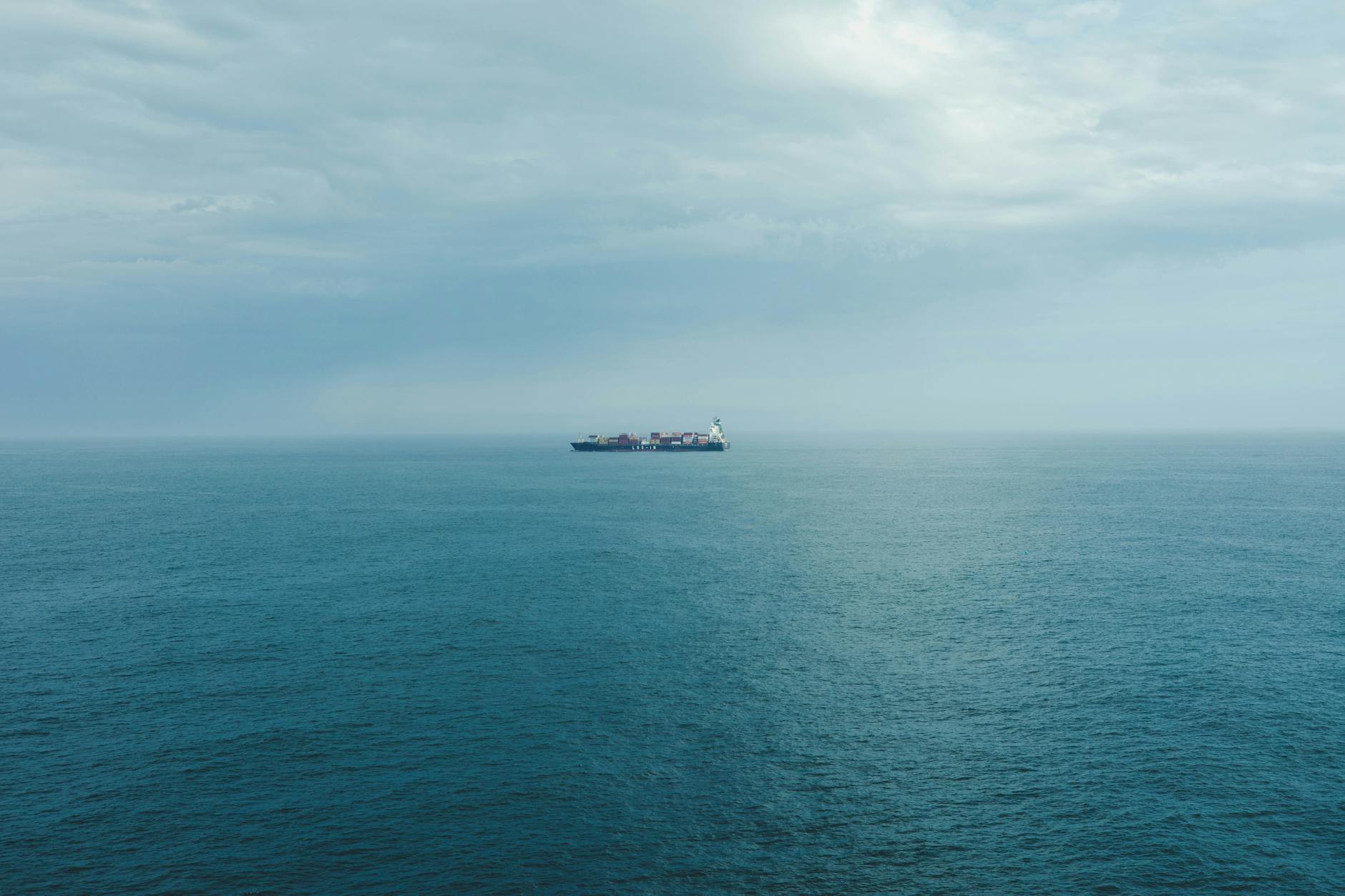
A cargo ship was struck by a drone in Qatari waters northeast of Mesaieed Port, Qatar’s defence ministry reported separately. The vessel, arriving from Abu Dhabi, caught fire after impact. No crew were injured. The blaze was extinguished before the ship continued to port. The United Kingdom Maritime Trade Operations confirmed a bulk carrier was hit by what it described as an unknown projectile. No environmental damage was reported.
Kuwait’s defence ministry said its forces detected a number of hostile drones in its airspace at dawn on Sunday and dealt with them in accordance with established procedures. The ministry did not identify the drones’ origin or say how many were intercepted.
The three incidents, within hours of each other, are the sharpest test yet of a truce that took effect on 8 April. The US and Iran agreed to the ceasefire after weeks of direct military exchanges. American forces struck Iranian positions. Tehran launched missile and drone barrages against Israel and Gulf states.
On Friday, US forces struck two Iranian oil tankers attempting to breach an American naval blockade of Iranian ports. The blockade, now in its second month, has kept most Iranian crude off global markets. Iran has restricted commercial traffic through the Strait of Hormuz, the narrow waterway through which roughly a fifth of global oil consumption transits.
Ebrahim Rezaei, spokesman for the Iranian parliament’s foreign policy and security committee, said any aggression against Iranian vessels would trigger a heavy and decisive Iranian response against American vessels and bases. “The clock is ticking against the Americans’ interests,” he wrote on X. The IRGC Navy separately warned on Sunday that attacks on Iranian ships would prompt a heavy assault on US bases or enemy vessels in the region.
Iran’s foreign ministry denied carrying out operations against the UAE and did not immediately address the Qatari and Kuwaiti reports. The denial fits Tehran’s established pattern. It also rejected responsibility for missile and drone attacks on the Emirates on 5 May, which the UAE defence ministry attributed to Iran.
Qatar warns on Hormuz
Qatar’s Prime Minister Sheikh Mohammed bin Abdulrahman bin Jassim Al Thani told Iran’s Foreign Minister Abbas Araghchi in a phone call that using the Strait of Hormuz as a “pressure card” would worsen the Gulf crisis and urged all parties to respond to mediation efforts.
Al Thani delivered the same message to US Secretary of State Marc Rubio during a meeting on 9 May. Qatar has been the principal intermediary between Washington and Tehran throughout the conflict, hosting indirect talks and shuttling proposals between the two capitals.
The American position
The Trump administration says the ceasefire remains in effect but has threatened to resume bombardment if Iran does not accept a deal covering the full reopening of the Strait of Hormuz and a rollback of its nuclear programme. Washington has presented Tehran with a 14-point proposal. Sticking points include the release of frozen Iranian assets and war reparations.
President Masoud Pezeshkian said on Sunday that negotiations “do not mean Iran is surrendering” and that his government’s goal is to “realise the rights of the Iranian people.” His remarks, reported by Iranian state media, suggest Tehran is readying the public for concessions while maintaining a defiant posture in public.
Economic pressure on Tehran
Inside Iran, the economic strain is acute. Al Jazeera’s Tehran correspondent described a population caught between nationalist support for the establishment and frustration over soaring prices. The rial has lost more than half its value against the dollar since the conflict escalated. Imported goods, from medicine to cooking oil, have grown scarce.
The UAE shifted schools to remote learning last week after earlier rounds of Iranian missile and drone attacks. The education ministry said in-person classes resume on Monday, a signal that authorities assess the immediate threat to have receded. It was the second time this year the Emirates moved classrooms online because of security fears. An image from 1 March showed Iranian projectile debris being intercepted over Dubai.
What comes next
Whether the Sunday drone launches were a calibrated signal from Tehran, an erosion of command authority over allied units, or an attempt by hardline IRGC factions to sabotage the diplomatic track is unclear. Western governments and Gulf states have long assessed that not all militia and proxy units operating under the Iranian umbrella answer directly to the central command in Tehran.
Energy markets have priced in a long disruption. The International Energy Agency warned last week that Hormuz-related volatility is now built into the market, with risk premiums embedded in crude futures even on days without a reported incident. Brent crude settled above $94 a barrel on Friday.
The ceasefire holds on paper. On the water, it is leaking.

Yara Halabi
Foreign affairs correspondent covering the Middle East, the Gulf and US foreign policy. Reports from London.