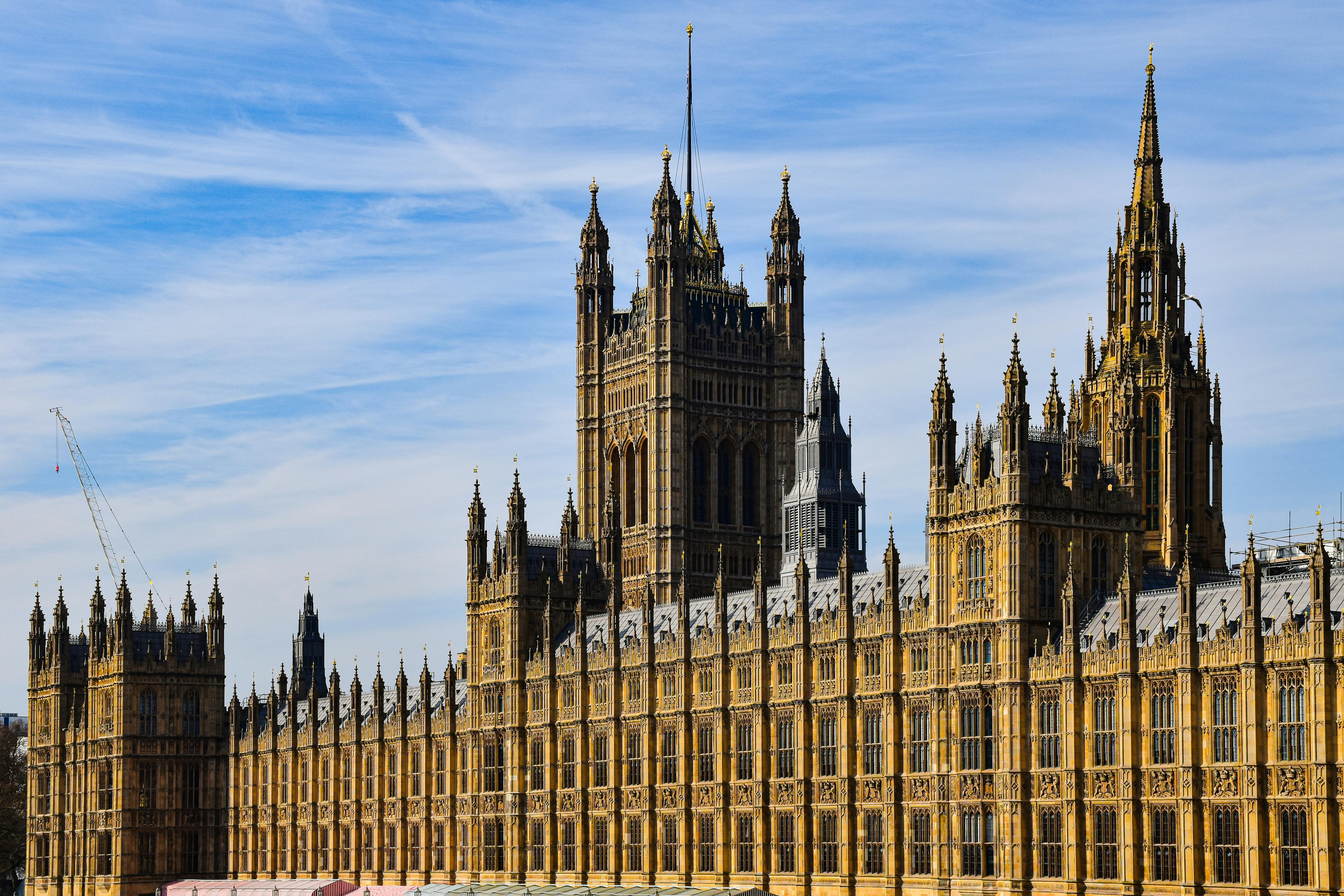
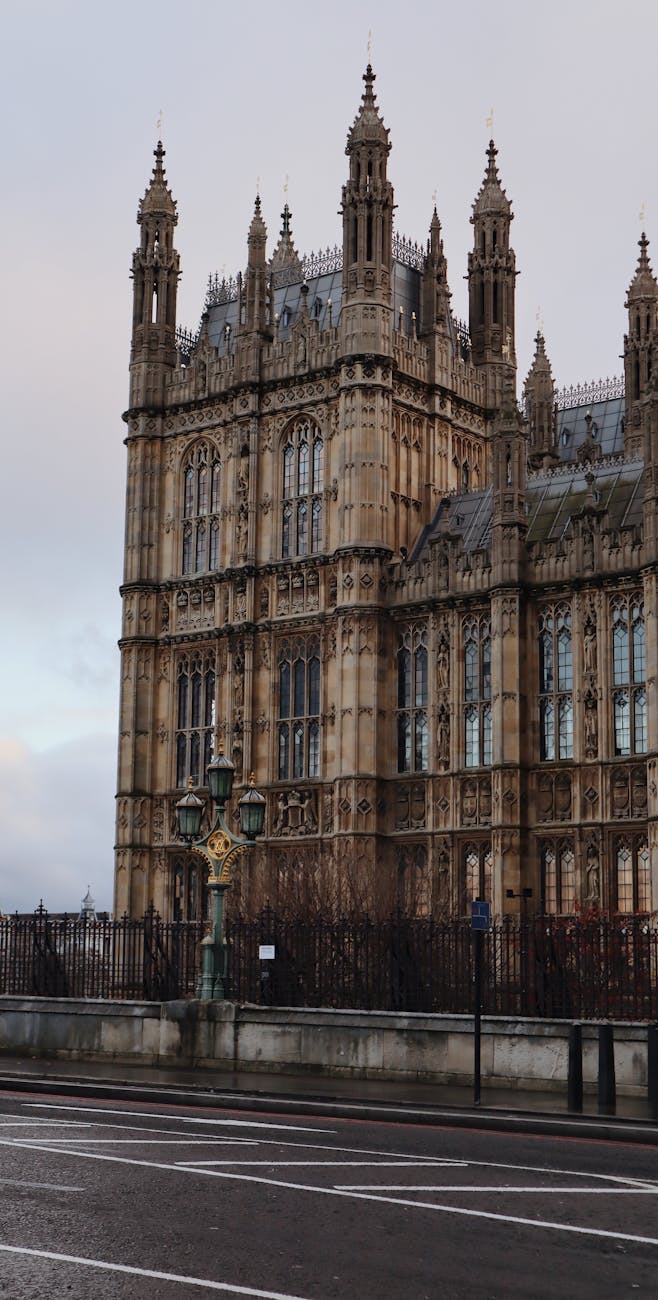
Labour councillors demand Starmer resign after historic election rout
More than 110 Labour councillors have signed a letter demanding Keir Starmer set a timetable for an orderly transition, as backbencher Catherine West threatened to trigger a leadership contest if cabinet ministers do not challenge the prime minister by Monday.
More than 110 Labour councillors have signed a letter demanding that Keir Starmer set a timetable for an “orderly transition,” after the party suffered its worst local election defeat for a governing party since 1995.
The letter, reported by The Telegraph on Friday, calls on the prime minister to announce his departure plan as the scale of Labour’s losses became clear across England, Scotland, and Wales. Separately, more than 20 Labour MPs have urged Starmer privately and publicly to stand down, according to Reuters.
Hours after the letter surfaced, Labour backbencher Catherine West went public with a threat to trigger a leadership contest. “If there are no leadership hopefuls who come forward tomorrow, then Monday morning I will put my name forward to stand for the Leader of the Labour Party,” West told BBC Radio on Friday.
West, a former minister, said she had secured only 10 backers so far but insisted others were preparing. Under Labour Party rules, any challenger must secure the support of 81 MPs, or 20 per cent of the party’s 403-member parliamentary contingent, to trigger a formal contest.
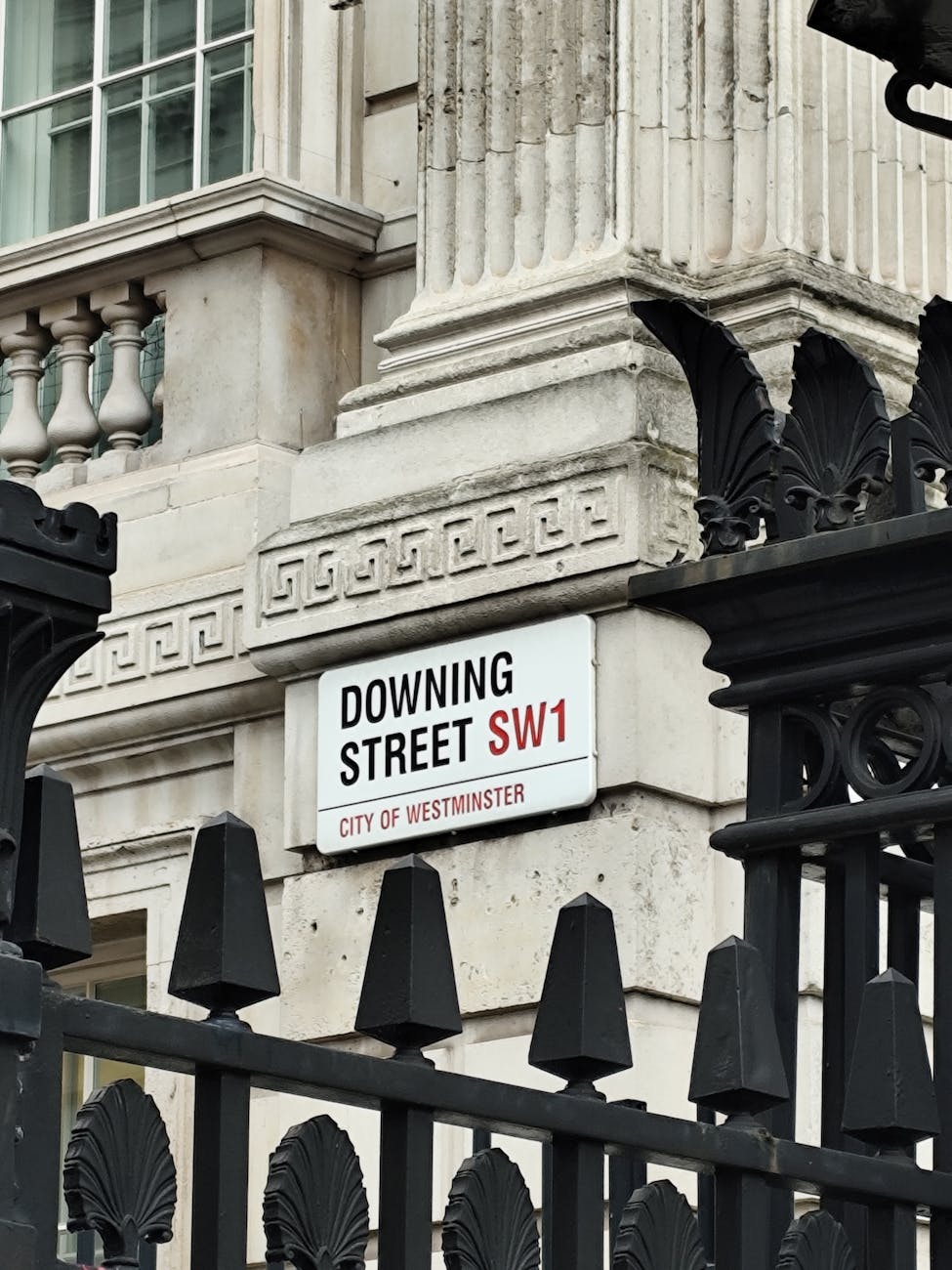
Starmer moved earlier on Friday to shore up his position, bringing in former prime minister Gordon Brown and former deputy leader Harriet Harman, both 75, as senior advisers. Brown was tasked with driving defence investment, strengthening European Union relations, and improving economic performance. Harman was assigned to tackle misogyny and violence against women. Downing Street described both roles as unpaid advisory positions.
The appointments did little to quiet the rebellion. By Friday evening, the number of MPs publicly calling for Starmer to go had climbed past 20, with the 110-plus councillor letter circulating alongside. Starmer’s team spent the day contacting MPs individually, urging them not to sign the letter and arguing that a leadership contest would deepen the party’s polling deficit rather than reverse it.
Starmer, speaking to reporters, rejected demands that he resign. “I am not going to walk away from this,” he said. He pointed to a plan to tackle the cost of living and forge closer ties with the European Union as the route to reviving Labour’s standing before the next general election.
The scale of the defeat
Labour lost hundreds of council seats across England in Thursday’s vote, with the party’s vote share falling sharply in its traditional strongholds across the Midlands and the North. Reform UK won hundreds of seats and gained control of two councils, Newcastle-under-Lyme and Havering. Nigel Farage called the result a “historic” political shift and said his party was now the main opposition in large parts of England.
In Scotland, Labour recorded its worst ever Holyrood result, losing ground to John Swinney’s Scottish National Party across the central belt. The losses are the deepest mid-term collapse for a governing party in British local government since John Major’s Conservatives were routed in 1995, two years before Tony Blair’s Labour won a landslide general election.
Thursday’s rout comes roughly two years after Starmer led Labour to a landslide general election victory that gave the party a 174-seat majority and 403 MPs in the House of Commons. The reversal has no modern precedent for a first-term government.
Who could challenge
Several potential challengers to Starmer face obstacles. Greater Manchester Mayor Andy Burnham is rated by Labour members but lacks a parliamentary seat, which is required to stand for the leadership. Former deputy prime minister Angela Rayner has unresolved tax issues that prompted her resignation from the cabinet last year and would face renewed scrutiny in any contest. Health minister Wes Streeting is seen as politically damaged by his association with Peter Mandelson, the former UK ambassador to the United States who was sacked over ties to Jeffrey Epstein.
West acknowledged her own long-shot position. Her 10 declared supporters fall well short of the 81 required, and she told the BBC she would prefer a cabinet-level candidate to step forward. She said others have been planning for months, without naming them.
What happens next
The Labour Party’s national executive committee has the power to set the timetable for any leadership contest. No sitting Labour prime minister has been forced out by an internal challenge since the party adopted its modern leadership rules, which require a challenger to clear the 20 per cent threshold of MPs before a ballot of party members can begin.
A cabinet minister, speaking to ITV News on condition of anonymity, said the prime minister retained the support of “the overwhelming majority” of Labour MPs but conceded the weekend would be “difficult.” The minister said Starmer’s decision to bring Brown and Harman into Downing Street had steadied some wavering colleagues.
West set a Monday deadline. If no senior figure emerges by then, she said she would formally request nomination papers from the parliamentary Labour Party. Even if she falls short of the 81 names required, the act of triggering a contest would force a public split that Starmer’s team is working through the weekend to avoid.
Dana Whitfield
Senior reporter covering UK politics, national security and community affairs.