Starmer brings in Brown and Harman to steady premiership after election rout
Sir Keir Starmer named Gordon Brown special envoy on global finance and Harriet Harman adviser on women and girls on Saturday, drafting in two Labour grandees to steady his premiership after the party's worst local election defeat since 1995.
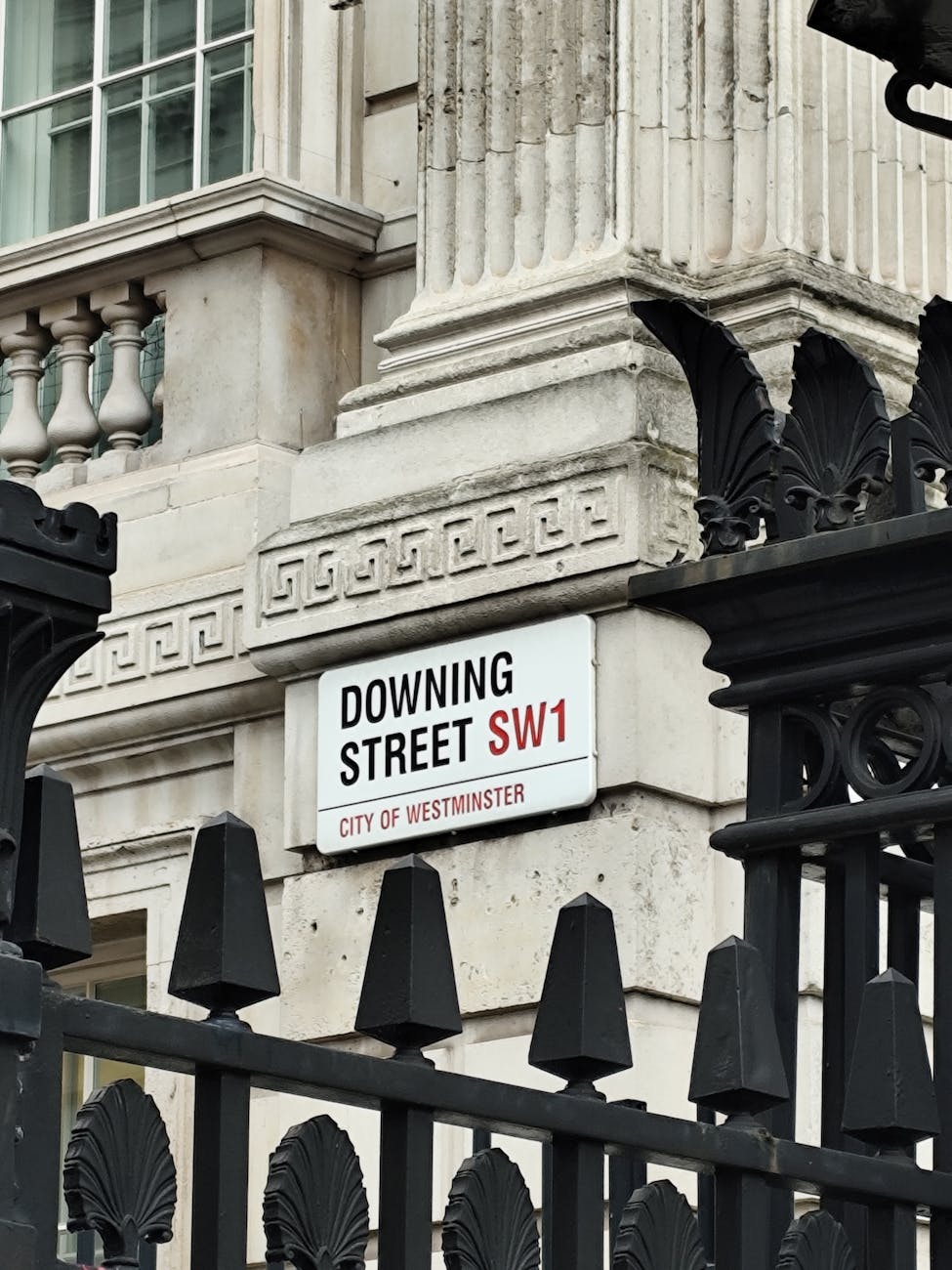
Prime Minister Sir Keir Starmer named former prime minister Gordon Brown as special envoy on global finance and former Labour deputy leader Harriet Harman as adviser on women and girls on Saturday, turning to two of his party’s most senior figures to steady his premiership after Labour’s worst local election defeat in three decades.
The appointments, announced from Downing Street on 9 May, came less than 48 hours after Labour lost 1,406 council seats across England, Wales and Scotland in the 1 May polls, Reuters reported. The total exceeded the 1,330 seats that Theresa May’s Conservatives shed in the 2019 local elections, three weeks before May resigned as prime minister. Starmer told reporters on Friday that he intended to remain in his job and lead Labour into the next general election.
Brown will work part-time and unpaid, reporting directly to the prime minister, GB News reported. His brief is to engage with international leaders, finance institutions and private finance partners on multilateral mechanisms supporting defence and security investment, and on the United Kingdom’s economic relationship with Europe. Brown, who led the Labour government from 2007 to 2010, is identified internationally with the G20 response to the 2008 financial crisis.
“Brown will be joining Starmer’s team to help advise the prime minister on how global finance can boost Britain’s security and resilience,” Reuters said, citing the Downing Street statement.
Harman, a former solicitor general and acting Labour leader who stood down from the Commons in 2024, will advise the government on policy affecting women and girls, RTÉ reported. She co-founded the Women and Equalities Select Committee in 2015 and has campaigned over three decades on domestic abuse, equal pay and parental leave.
What the numbers show
Labour lost more than 1,000 councillors in England and control of 32 local authorities in the 1 May vote, RTÉ said. Reform UK, led by Nigel Farage, gained 1,276 seats and took control of 13 councils. In Wales, Labour was reduced from holding half of all Senedd seats to nine of 96, with the First Minister, Baroness Eluned Morgan, losing her own constituency. In Scotland, the Scottish National Party remained the largest party at Holyrood without an outright majority, and Labour finished tied for second with Reform UK in its worst Scottish parliamentary result on record.
The 1,406-seat figure drew explicit comparisons inside Westminster to May 2019, when Theresa May lost 1,330 council seats and resigned 21 days later. Background on the count and the early calls for Starmer’s departure was set out in Friday’s reporting on the result.
Reform attacks the appointment
Farage said the move had backfired before it began. “An unpopular Prime Minister who lost a general election is now seen by Starmer as being the saviour. Labour are doomed,” the Reform UK leader said in remarks reported by GB News. Robert Jenrick, Reform UK economics spokesman, mocked Brown’s brief in the same report: “Genius. Bring back the guy who gave away our gold reserves to advise on ‘economic resilience’.” The line refers to Brown’s 1999 decision as chancellor to sell more than half of the United Kingdom’s gold reserves at what proved to be a multi-decade low in the gold price.
The Conservative leader, Kemi Badenoch, did not issue an immediate statement on the Downing Street announcement.
Pressure from Labour MPs
Calls inside the Parliamentary Labour Party for Starmer to set out a transition timeline have intensified since the count. Dozens of Labour backbenchers have publicly urged the prime minister to resign or commit to a handover date, RTÉ reported.
Deputy Leader Lucy Powell warned that the party risked losing power to Reform UK if it failed to rebuild its coalition of 2024 voters. “Nigel Farage is going to be walking into Downing Street,” Powell said in remarks reported by RTÉ.
Health Secretary Wes Streeting and other senior cabinet figures have so far declined to publicly distance themselves from the prime minister, although private soundings between MPs and potential successors have continued through the weekend, the same report said.
What happens next
Starmer is preparing a major policy speech for Monday and a King’s Speech on Wednesday, both intended to reset the direction of his government, RTÉ reported. The speeches are expected to focus on cost-of-living measures, immigration enforcement and defence spending, areas where Reform UK pressed hardest during the local campaign.
A formal leadership challenge requires a threshold of MP nominations under Labour Party rules. No challenger has come forward publicly. The next scheduled electoral test is the 2027 general election, assuming the government serves a full term.
The Brown and Harman appointments add to a Downing Street operation that critics inside Labour have described as too narrow since the 2024 general election. Starmer is the first sitting Labour prime minister to recruit a Labour predecessor in a formal advisory role; Tony Blair held no equivalent brief under Brown’s own government.
Dana Whitfield
Senior reporter covering UK politics, national security and community affairs.