Cargo ship hit off Qatar and Kuwait reports drones as ceasefire frays
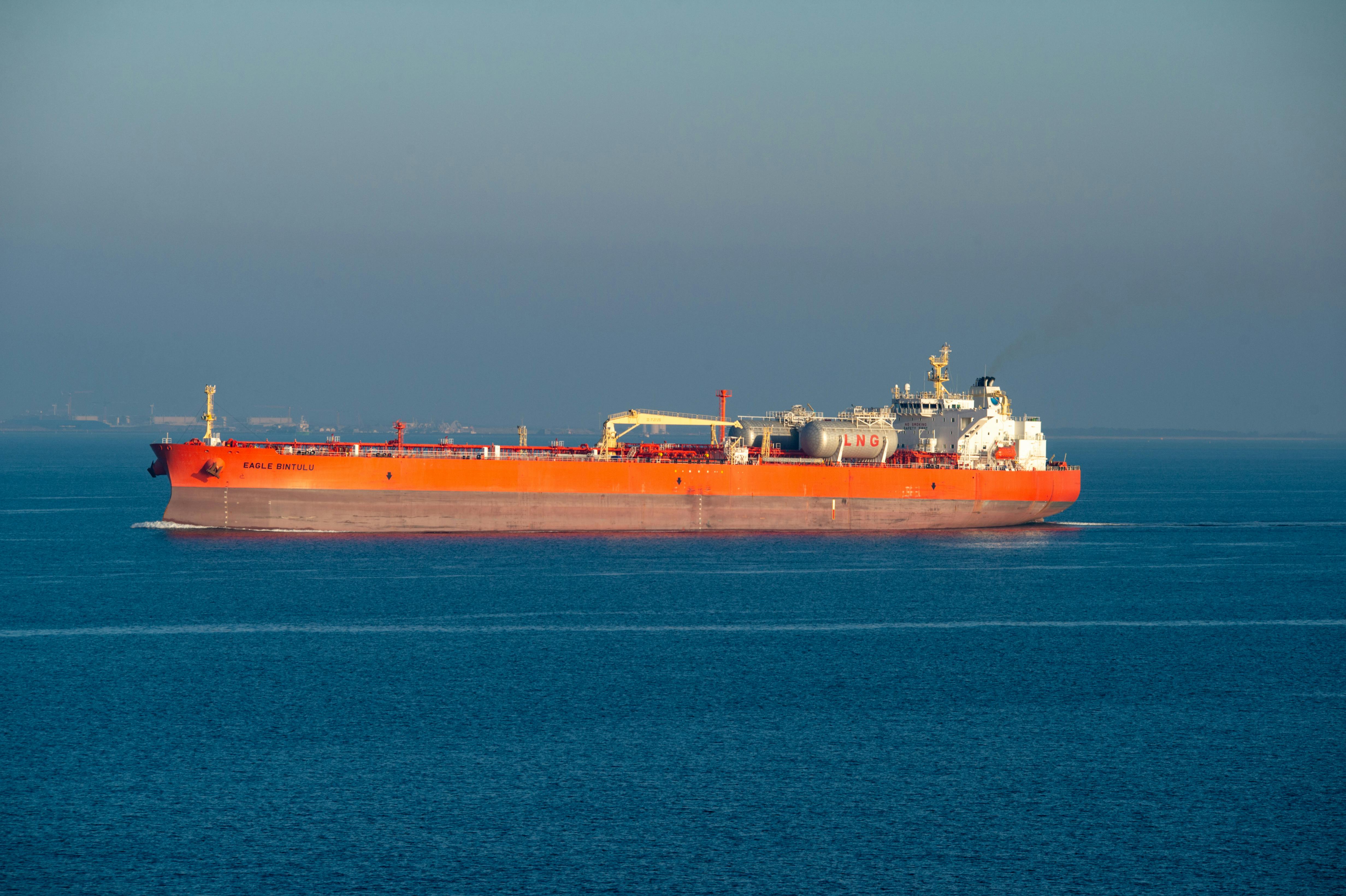
A cargo ship caught fire after being struck off Qatar's coast and Kuwait reported a drone incursion overnight, the sharpest test yet of the month-old ceasefire over the Strait of Hormuz as Washington awaits Tehran's reply to its latest terms.
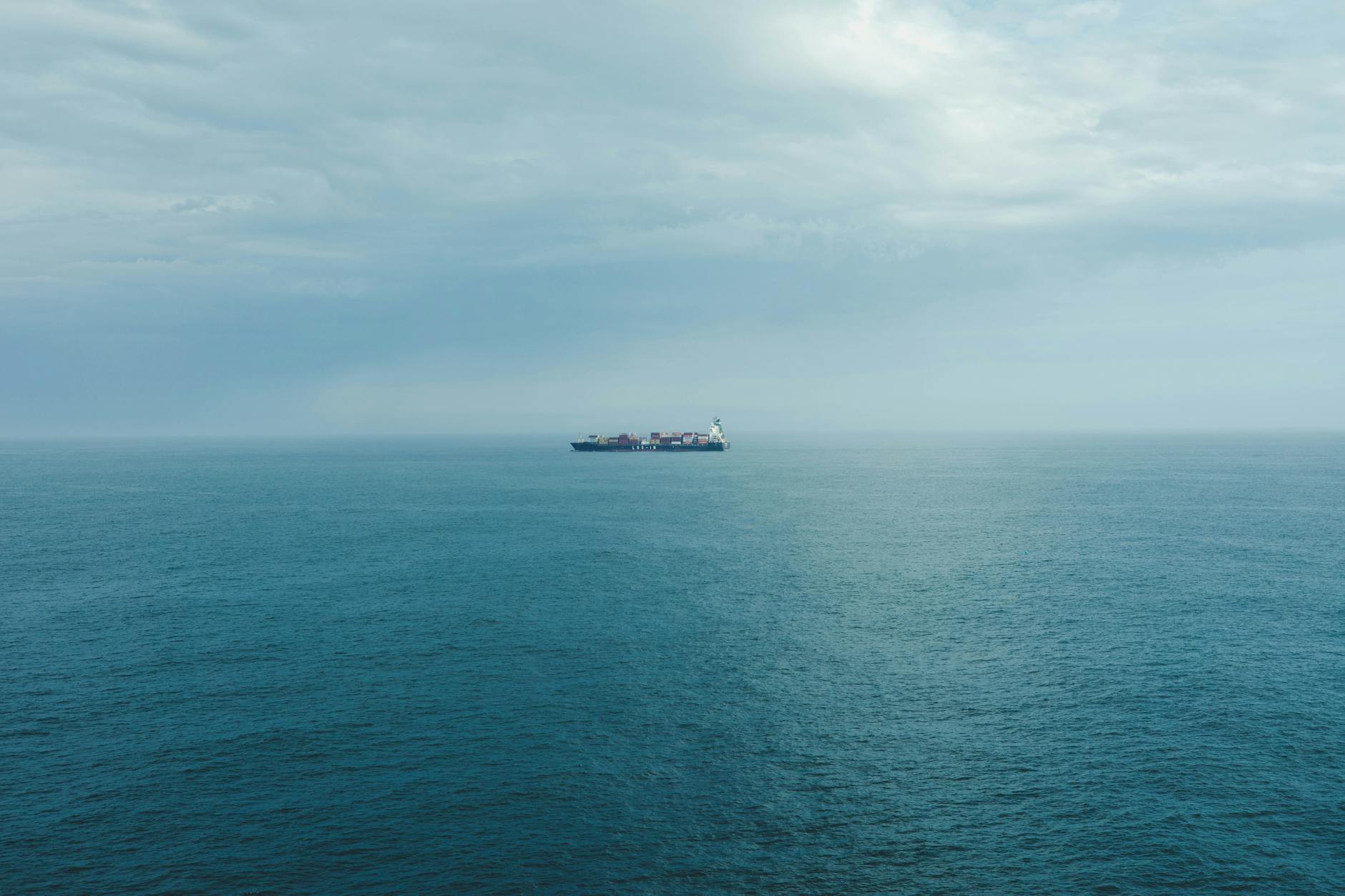
A cargo ship caught fire after being struck off Qatar’s coast on Sunday and Kuwait reported a drone incursion overnight, the sharpest test yet of the month-old ceasefire between Iran and a U.S.-led coalition over the Strait of Hormuz.
The vessel was hit by an unknown projectile about 23 nautical miles northeast of Doha, the British military said. The crew brought the fire under control. No casualties were reported. Hours earlier, Kuwait’s defense ministry said its forces had responded to drones that crossed into the country’s airspace, the second such episode since the ceasefire took effect a month ago.
The incidents land at a delicate moment for the Trump administration, which is trying to keep the strait open to commercial shipping while waiting on Tehran’s reply to its latest terms for ending the war. Secretary of State Marco Rubio said Washington would not absorb further attacks without responding.
“Only stupid countries don’t shoot back when you’re shot at, and we’re not a stupid country,” Rubio said, in remarks that echoed earlier U.S. strikes on two Iranian-flagged tankers last week.
President Donald Trump has threatened “full-scale bombing” if Iran rejects the agreement on offer. The pattern of low-level maritime incidents, each short of full-scale conflict, has tracked closely with the diplomatic timetable. Iran has so far neither claimed nor disowned the strikes.
Kuwait scrambles forces
Brig. Gen. Saud Abdulaziz Al Otaibi, a Kuwait Defense Ministry spokesman, said in a statement that “hostile drones entered Kuwait’s airspace early Sunday, and that forces responded in accordance with established procedures.” He did not specify the number of drones, their point of origin, or whether any had been brought down. There were no immediate reports of casualties on the ground.
Kuwait sits at the head of the Persian Gulf and shares borders with Iraq and Saudi Arabia. The country has avoided direct involvement in the past year’s hostilities and hosts a U.S. military presence under a long-standing defense cooperation pact.
The drone incident followed a separate pattern of overnight activity. Earlier this week U.S. forces struck two Iranian-flagged tankers that the Pentagon said were attempting to enforce Iranian tolls on shipping, an escalation that drew warnings from Tehran of attacks on U.S. bases if the campaign continued.
Hormuz remains contested
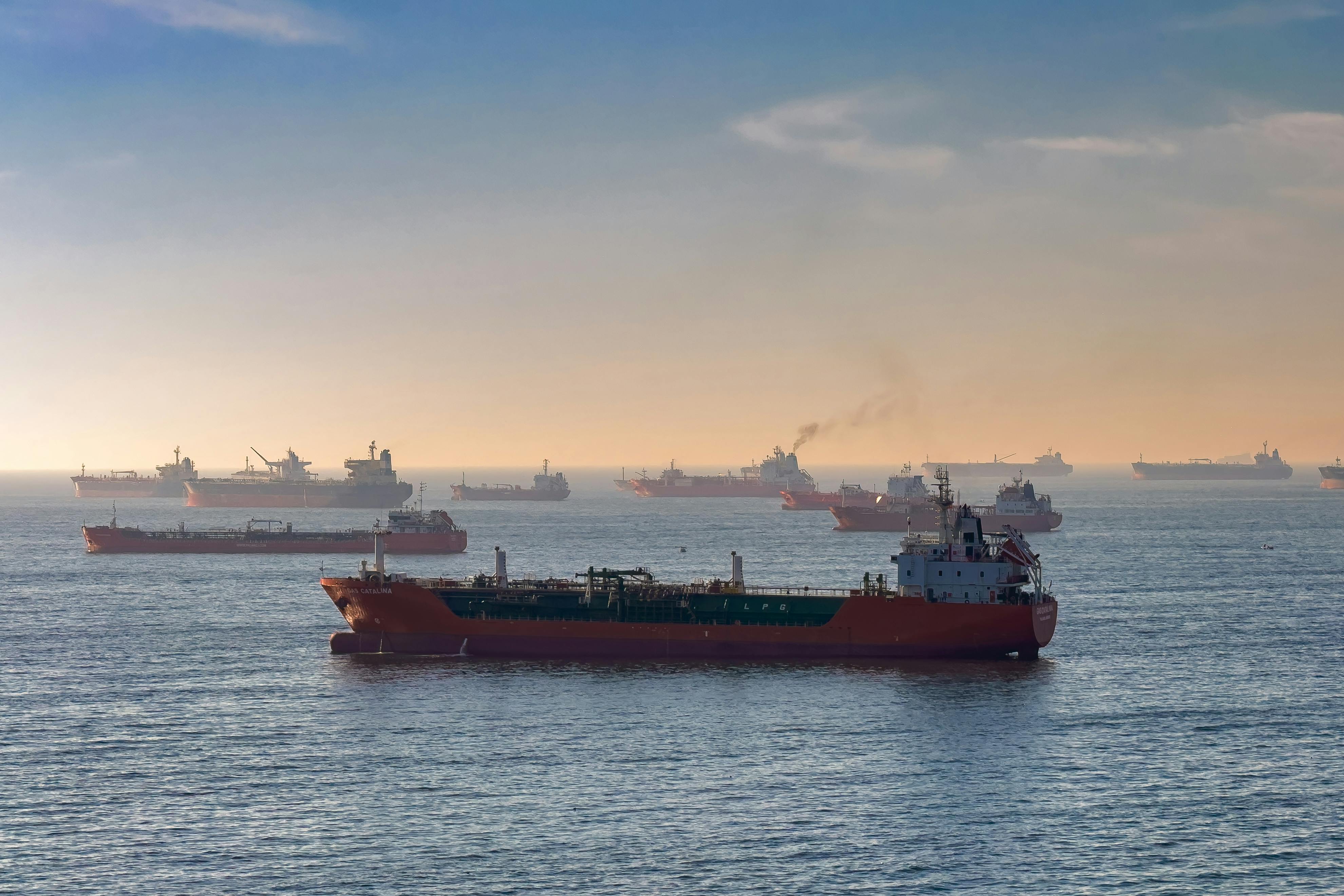
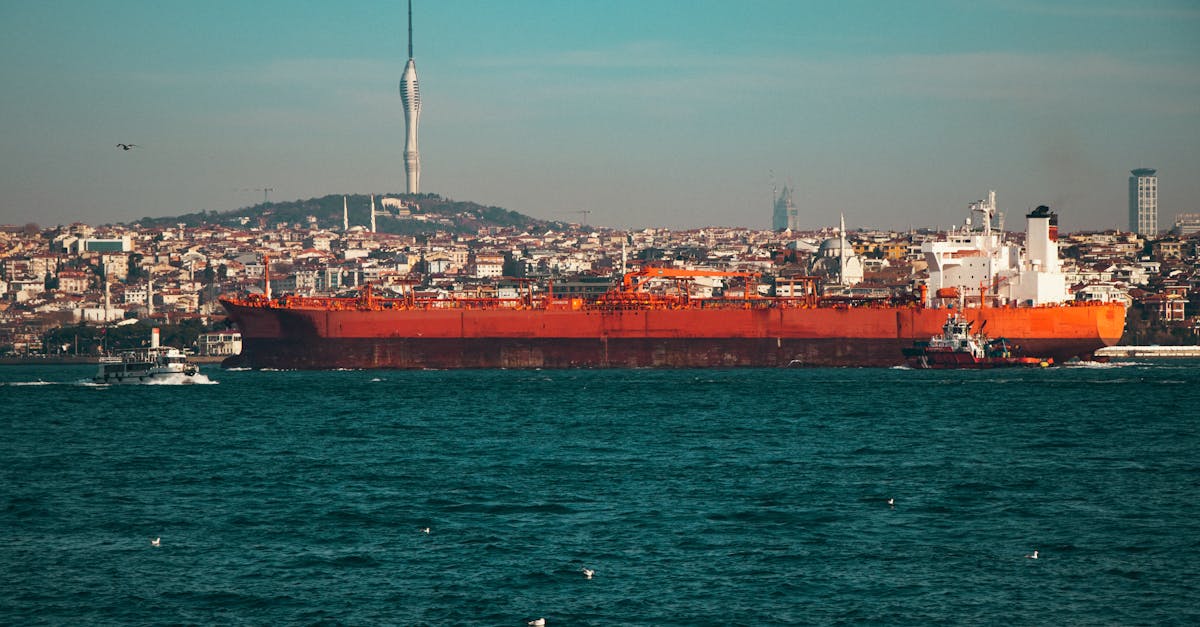
The Strait of Hormuz, through which roughly a fifth of seaborne oil moves, has remained effectively blocked since naval skirmishes intensified in early May. Most operators are holding vessels back rather than test the corridor. The cargo-ship fire on Sunday showed why.
The Pentagon’s Project Freedom escort scheme, announced this week, has so far moved a small number of U.S.-flagged ships through the chokepoint. Trump on Saturday urged South Korea to commit naval assets after a South Korean-operated ship exploded near the strait, a request Seoul has not publicly answered.
Officials in Washington have framed the operations as enforcement of freedom of navigation rather than as a return to active war. Iranian state media on Sunday continued to describe the ceasefire as conditional on the United States halting its enforcement actions in the Gulf, a framing that diverges from how the agreement is presented in Washington.
What the IAEA said
The other open file, separate from the maritime confrontation, is Iran’s nuclear stockpile. Rafael Mariano Grossi, director-general of the International Atomic Energy Agency, told The Associated Press last month that the majority of Iran’s highly enriched uranium was likely still at the Isfahan complex. The site was hit during the joint U.S. and Israeli strikes that opened the war on 28 February 2025.
Iran possesses more than 440 kilograms of uranium enriched to 60 per cent purity, according to the agency’s most recent reporting. That stockpile sits short of weapons-grade but well above the level needed for civilian power generation, and has been the load-bearing technical issue in every round of talks.
Brig. Gen. Akrami Nia, an Iranian military spokesman, said the country had been alert to the possibility that adversaries might try to seize the material directly during the 12-day war. “We considered it possible that they might intend to steal it through infiltration operations or heliborne operations,” Akrami Nia told the state news agency IRNA.
What happens next
Rubio is expected to brief the Qatari mediators handling the back-channel within days, U.S. officials said. The administration has been waiting on Tehran’s response to its written terms, which include a verification regime for the Isfahan stockpile, a freeze on enrichment above 5 per cent, and a phased lifting of sanctions tied to compliance milestones.
Tehran has signalled it is studying the document but has not committed to a counter-offer. For now, both governments appear willing to absorb individual incidents without abandoning the diplomatic track. Whether that holds depends on whether the next strike, on either side, produces casualties.

Yara Halabi
Foreign affairs correspondent covering the Middle East, the Gulf and US foreign policy. Reports from London.