China and US set Seoul trade talks before Trump's Beijing summit
China and the United States confirmed that Vice-Premier He Lifeng and Treasury Secretary Scott Bessent will meet in Seoul for two days of trade negotiations, the final preparatory round before President Donald Trump's state visit to Beijing for a summit with Xi Jinping.
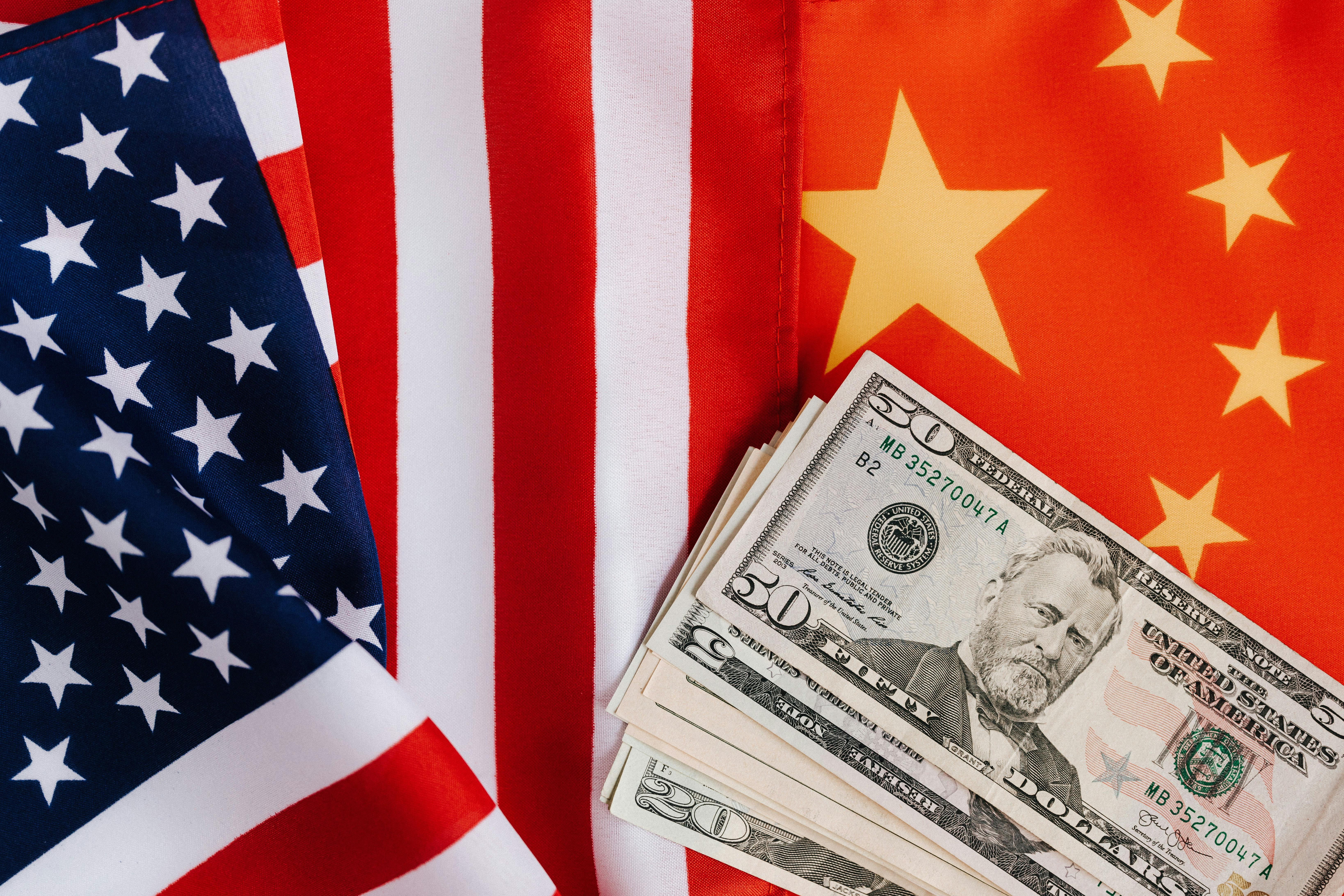
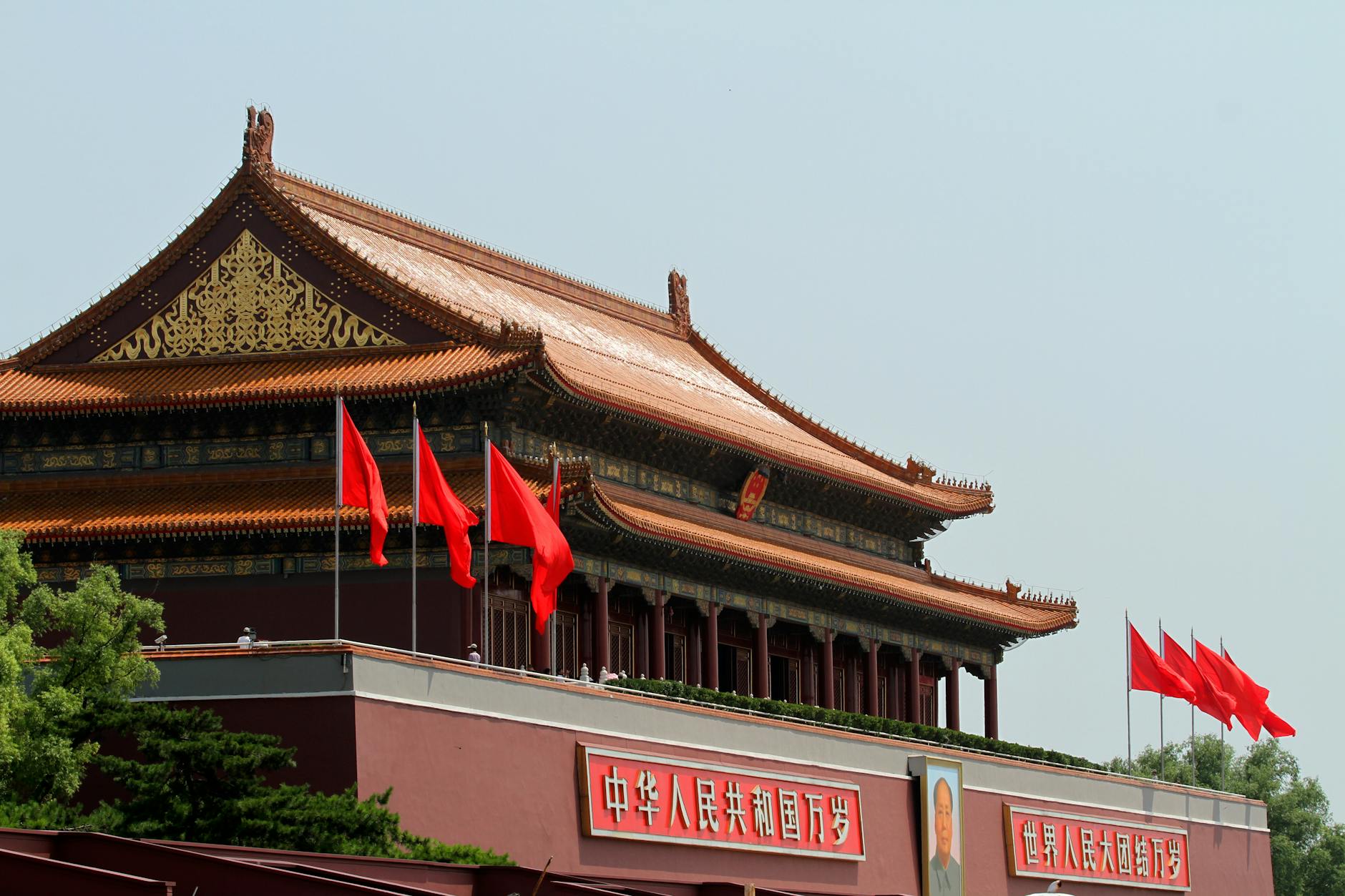
China and the United States confirmed on Sunday that Vice-Premier He Lifeng and Treasury Secretary Scott Bessent will meet in Seoul this week for two days of trade negotiations, the final preparatory round before President Donald Trump’s state visit to Beijing and a summit with Xi Jinping on May 14 and 15.
The meeting, scheduled for May 12 and 13, is the last round of ministerial-level talks before the Beijing summit. At their previous in-person meeting in the South Korean city of Busan last October, Trump and Xi agreed to a year-long trade truce that paused the tariff escalations of Trump’s first term.
China’s Ministry of Commerce said in a statement that He Lifeng would lead a delegation to South Korea for discussions “guided by the important consensus” reached between Trump and Xi. The talks would address “economic and trade issues of mutual concern,” a ministry spokesperson said, without specifying which sectors were on the agenda.
Bessent confirmed the itinerary in a post on X. He will fly to Tokyo first, meeting Japanese Prime Minister Sanae Takaichi and Finance Minister Satsuki Katayama on Tuesday, before travelling to Seoul on Wednesday for the session with He. From Seoul, Bessent will continue to Beijing for the summit. “Economic security is national security, and I look forward to a productive series of engagements,” Bessent wrote.
The choice of He Lifeng to lead the Chinese side signals that Beijing expects the Seoul round to lock in summit agreements. He, 70, is a long-time Xi confidant who has served as Beijing’s lead trade negotiator since March 2023. When both capitals send their most senior economic officials rather than deputies, the trip is backed by enough preparatory work to produce results.
The path to Seoul
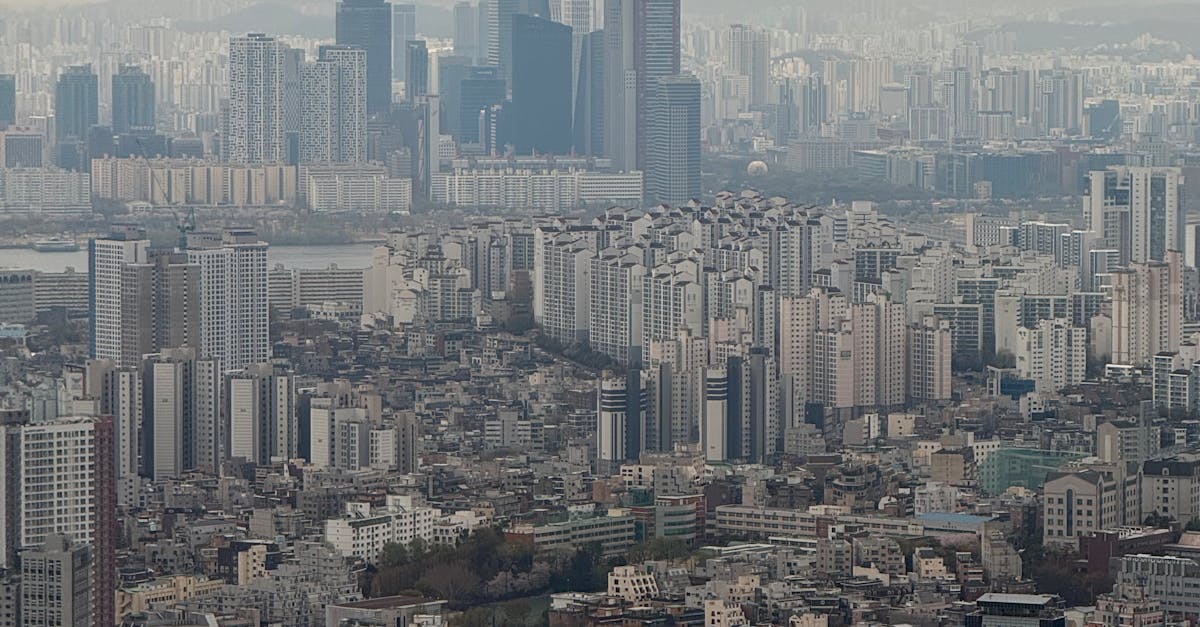
The Seoul meeting is the fourth engagement in a sequence that began after the Busan summit. He and Bessent met in Paris in March for an initial exchange of positions, followed by a video call in April that officials on both sides described as productive. The Seoul round is the first in-person meeting between the two negotiators since the trade truce was extended, and the first held on neutral ground. South Korea is a treaty ally of the United States and China’s largest trading partner.
Neither government has published a detailed agenda. Officials briefed on the preparations, speaking to the South China Morning Post on condition of anonymity, said the talks are expected to cover tariff reductions on a limited basket of goods, expanded market access for US agricultural exports, and rules governing Chinese technology investments in the United States. The conflict in the Middle East, which has kept crude oil prices elevated since the Strait of Hormuz was closed to commercial traffic, is also expected to feature. Both Beijing and Washington have an interest in stabilising energy markets ahead of the summit.
What is at stake in Beijing
Trump’s May 14 to 15 visit to Beijing, his first to China since returning to the White House, will test whether the Busan trade truce can be converted into a durable framework. A White House spokeswoman confirmed that Trump plans to host Xi for a reciprocal visit in the United States later in 2026.
Since October, neither government has imposed new tariffs on the other. The truce has held, but it has not resolved the underlying disputes. Washington has not lifted the semiconductor export controls that limit Chinese access to advanced chips, and it has signalled no intention of doing so. Beijing has refused to wind back subsidies for its electric-vehicle and solar-panel industries, which the US argues are unfair state support. A US Trade Court ruling on Saturday, which found Trump’s global tariffs unlawful under Section 122 of the Trade Act of 1974, has added a further complication to the legal framework the administration is negotiating within.
Taiwan, the most combustible item on the bilateral ledger, is certain to be raised during the summit. China claims the self-governing island as its territory and has not ruled out the use of force to bring it under Beijing’s control.
Taiwanese officials have pressed the Trump administration for reassurance that the island’s security will not be traded away in a summit deal. The KMT opposition chairwoman, Cheng Li-wun, separately finalised plans for a June visit to Washington, a trip that Taiwanese media have described as an effort to open a second channel of communication before any Beijing agreements are finalised.
The Seoul round is the last opportunity to lock in summit deliverables. If He and Bessent reach agreement on even a narrow package of mutual tariff reductions paired with Chinese commitments on technology-investment rules, the Beijing summit would produce the most substantive US-China trade outcome since the Phase One deal of 2020.
A White House readout of a preparatory call between Trump and Xi last month described the conversation as “constructive and forward-looking.” No text has been agreed. The Seoul meeting will determine how much of that language translates into signed commitments.

Yara Halabi
Foreign affairs correspondent covering the Middle East, the Gulf and US foreign policy. Reports from London.