Bessent to visit Japan and South Korea ahead of Trump-Xi summit
U.S. Treasury Secretary Scott Bessent will stop in Seoul for talks on foreign exchange and economic cooperation before heading to Beijing, where the Iran war is expected to dominate the first summit between Donald Trump and Xi Jinping since 2017.
U.S. Treasury Secretary Scott Bessent will stop in Seoul next Wednesday for talks with South Korean officials before continuing to Beijing for the May 14-15 summit between President Donald Trump and Chinese President Xi Jinping, diplomatic sources told Yonhap News Agency on Friday.
Bessent is to meet Finance Minister Koo Yun-cheol and other senior officials to discuss foreign exchange markets and economic issues of mutual interest. The Seoul stop is part of a three-country Asia tour that opens Monday with a three-day visit to Japan, where the treasury secretary is expected to meet Prime Minister Shigeru Ishiba and Bank of Japan Governor Kazuo Ueda.
The Trump-Xi meeting in Beijing will be the first visit by a sitting U.S. president to China since 2017. Iran is expected to dominate the agenda, pushing tariffs, rare earth supplies and technology restrictions into secondary status.
Bessent has already named Iran as a central topic. “China, let’s see them step up with some diplomacy and get the Iranians to open the strait,” he said in a Fox News interview on Monday. He noted that China buys 90 per cent of Iran’s energy exports, adding: “So they are funding the largest state sponsor of terrorism.”
China under pressure on Hormuz
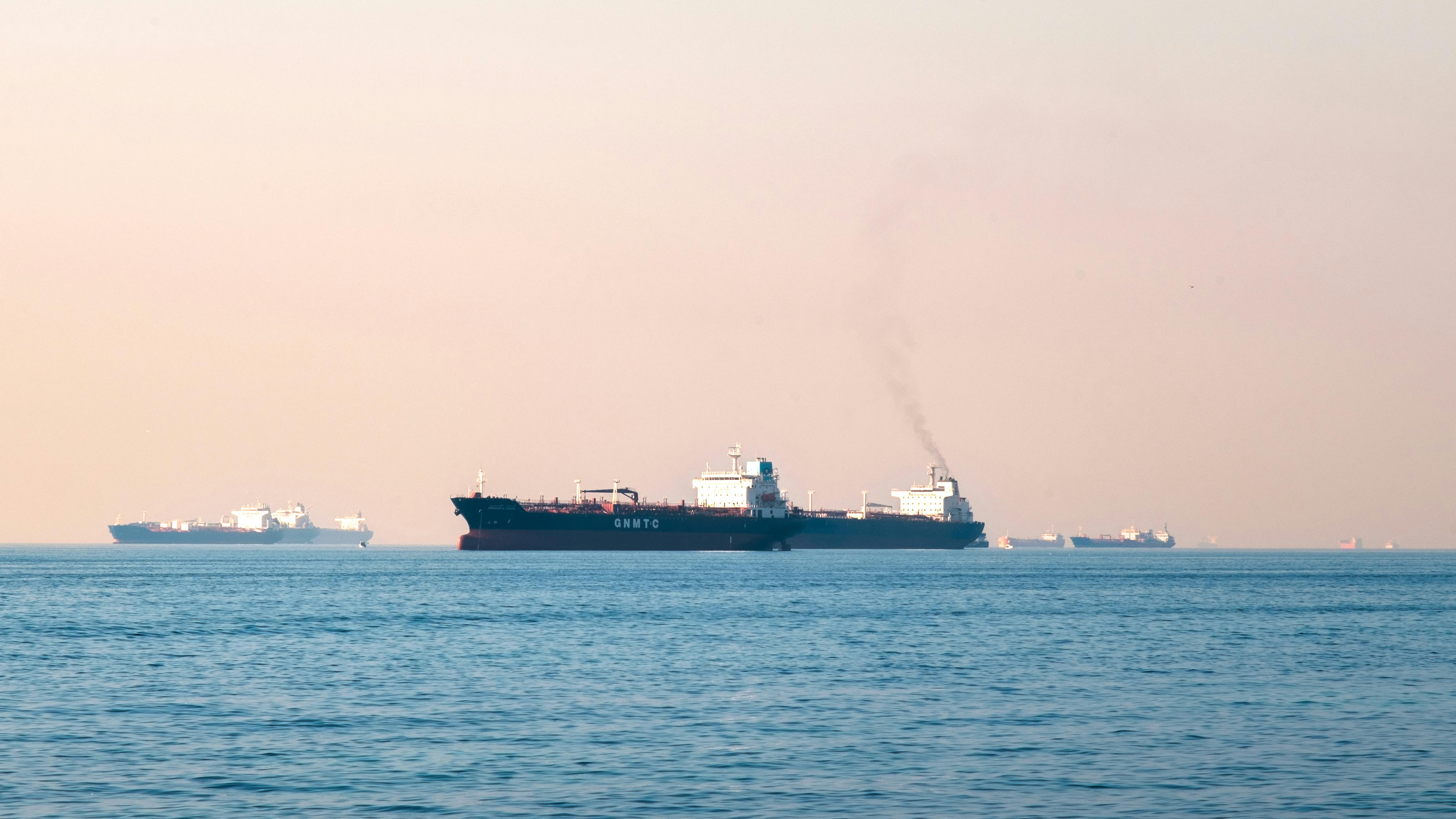
Washington wants Beijing to use its ties with Tehran to help reopen the Strait of Hormuz, where U.S. forces are enforcing a blockade of Iranian vessels. Bessent said China and Russia should stop blocking initiatives at the United Nations, including a resolution that would encourage steps to protect commercial shipping in the waterway.
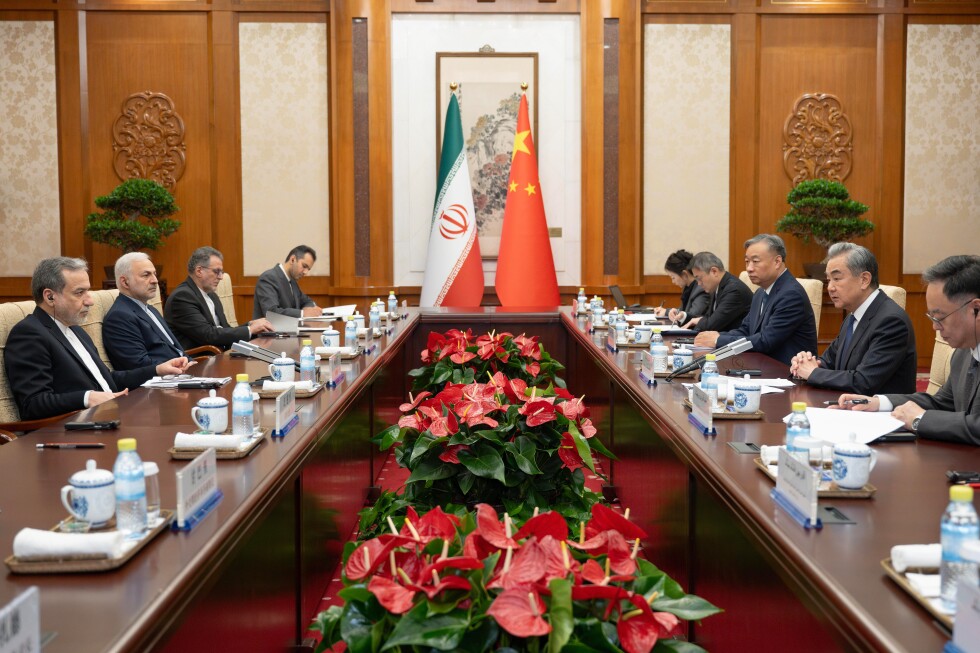
The U.S. and Iran traded fire in the strait again this week, further fraying a ceasefire that had briefly held. Earlier this month, China hosted Iran’s foreign minister for the first time since the war began in late February. The meeting raised hopes for a peace deal and sent oil prices lower, though the renewed clashes have since undercut those gains.
Bessent said the United States remains fully in control of the strait through its naval blockade and that a new U.S. Navy operation to guide commercial shipping through the waterway would bring oil prices down. He called high fuel prices a “temporary aberration” that would end in weeks or months.
Business delegation in flux
The White House has not yet formally invited executives to join the president’s delegation, and a proposed list of two dozen corporate leaders could be halved, according to a U.S. executive with direct knowledge of the arrangements. The administration declined Beijing’s offer to hold industry-specific meetings between senior Chinese leaders and U.S. chief executives, concerned it would make American businesses look too close to the Chinese government.
Boeing CEO Kelly Ortberg will accompany Trump, a source told CNBC, as the aircraft manufacturer seeks its first large order from China in nearly a decade. Citigroup CEO Jane Fraser also confirmed she plans to attend. “I think it’s very important to see engagement” between the two economic superpowers, Fraser said. “We all need that engagement to be occurring.”
Trump’s 2017 visit to China drew nearly 30 chief executives who signed 37 major deals worth more than $250 billion. More than 30 executives joined his trip to Saudi Arabia last May. The smaller delegation this time reflects the administration’s caution about the optics of corporate leaders meeting Chinese officials.
What to expect from the summit
Scott Kennedy, senior advisor at the Center for Strategic and International Studies, said Trump is expected to secure agreements on Chinese purchases of U.S. soybeans and Boeing aircraft. The president may also propose new bilateral trade and investment bodies to handle specific disputes.
Beijing’s priorities include tariffs, Taiwan’s status and U.S. restrictions on Chinese access to advanced technology, Kennedy said. China was the first major country to retaliate against tariffs imposed by the Trump administration in April 2025.
Hai Zhao, a director of international political studies at the Chinese Academy of Social Sciences, said an end to the Iran war would be “a great relief to global business” and “remembered as very much the success for the Trump-Xi summit.”
Michael Hart, president of the American Chamber of Commerce of China, said Chinese officials have grown “more hesitant to engage with the American business community” after U.S. military actions earlier this year. The images of the two leaders together in Beijing may begin to reverse that chill.
Bessent said Trump and Xi have “great respect for each other” and that the stability in the relationship, built on their October 2025 trade truce in Busan, would hold. “We’ve had great stability in the relationship, and again, that comes from the two leaders,” he said.

Yara Halabi
Foreign affairs correspondent covering the Middle East, the Gulf and US foreign policy. Reports from London.