Taiwan officials press Trump for reassurance ahead of Xi summit
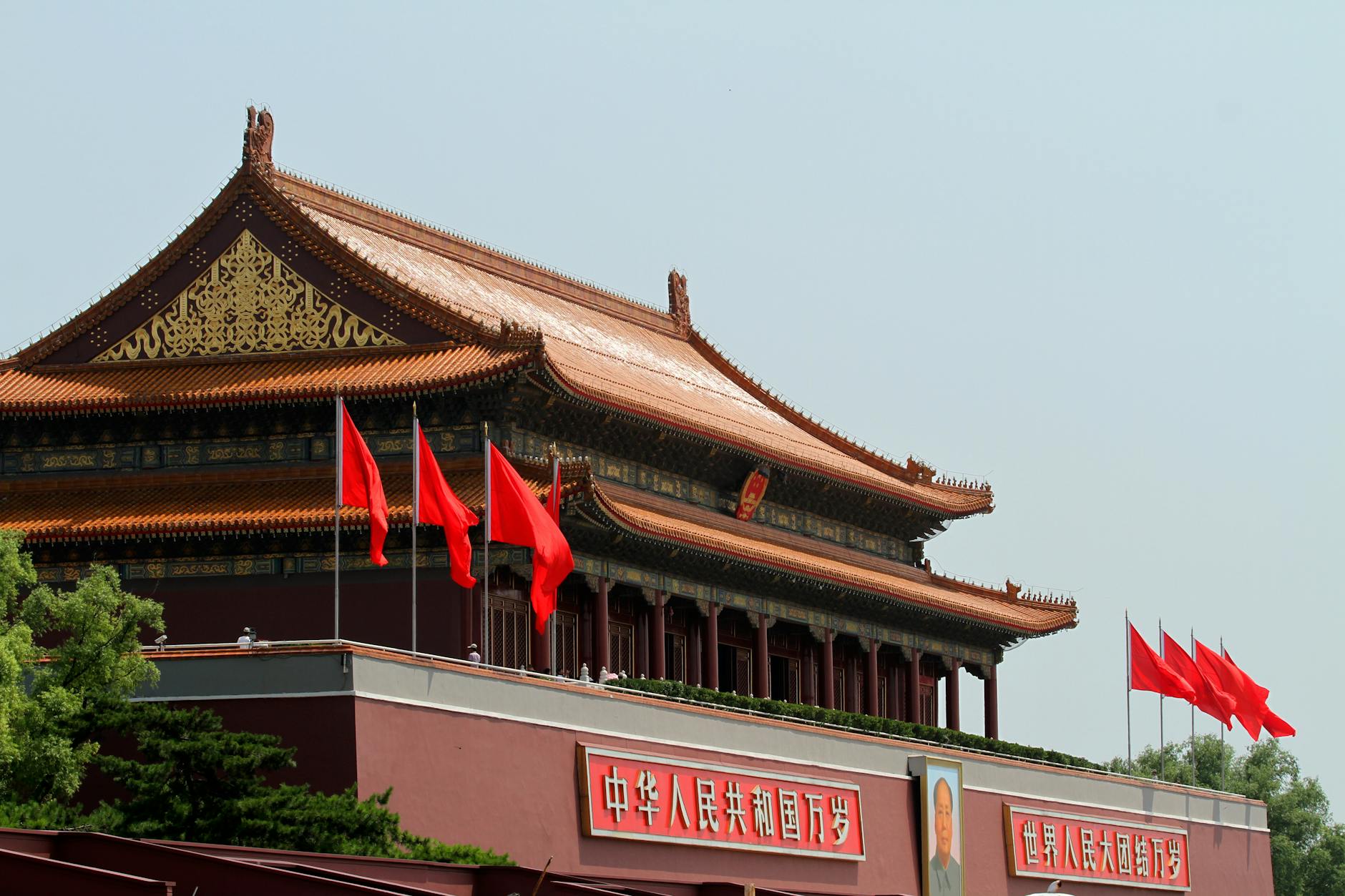
Senior Taiwanese officials have pressed the Trump administration for reassurances ahead of his state visit to Beijing this week. Their concern is not declared U.S. policy but an off-script remark to Xi Jinping that Beijing could read as a rhetorical concession on the island.
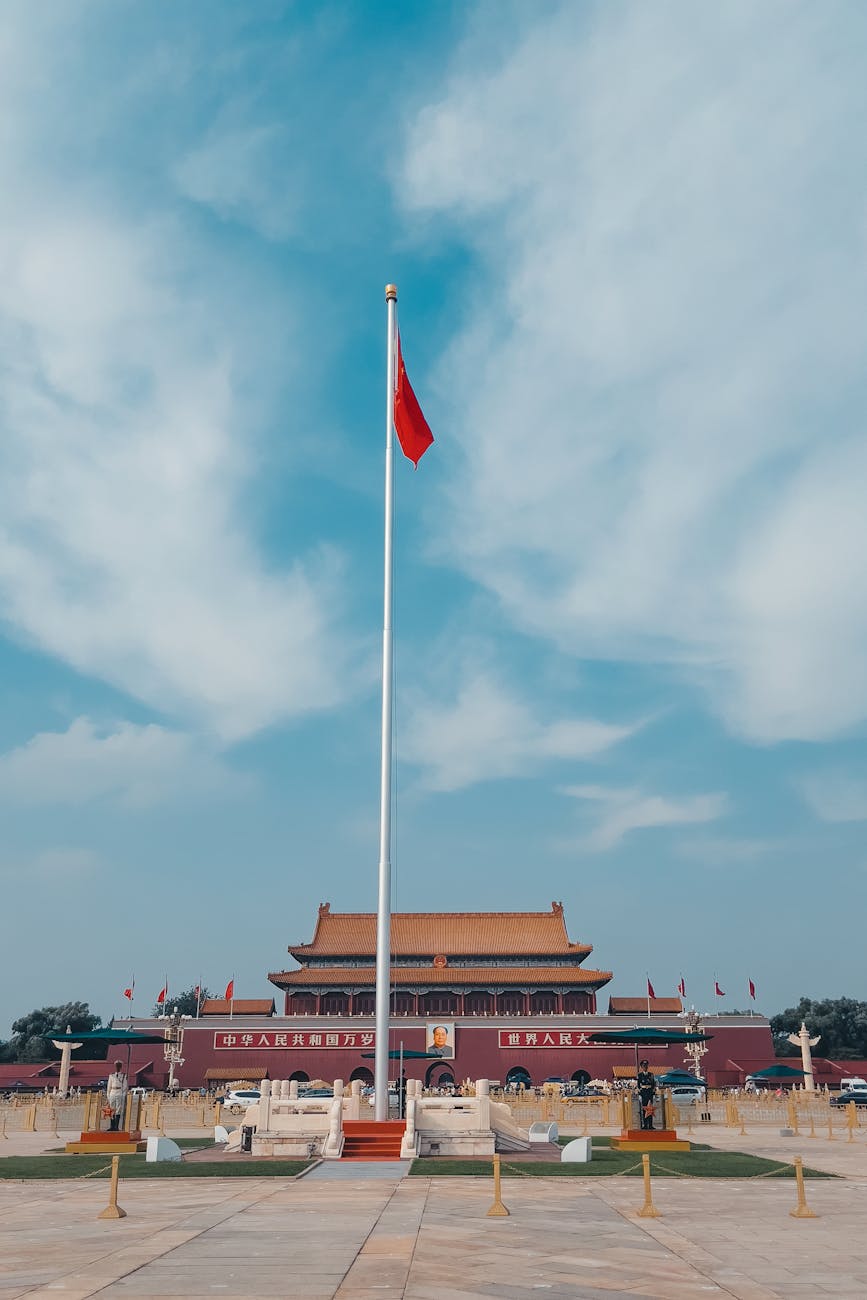
Senior Taiwanese officials have pressed the Trump administration for assurances that the U.S. president will not weaken Washington’s long-standing position on the island during his state visit to Beijing this week, two sources familiar with the discussions said.
The trip, Trump’s first to China since 2017, lands at a moment when Taipei’s confidence in U.S. consistency has been jolted. On Tuesday, Secretary of State Marco Rubio announced from the White House lectern that the United States had launched a bold operation to reopen the Strait of Hormuz, only for Trump to call off the campaign within a day.
Taiwanese officials worry less about the substance of declared U.S. policy than about what Trump might volunteer in a private audience with Chinese President Xi Jinping. The doctrine of strategic ambiguity, coined by Henry Kissinger 55 years ago and unchanged since, depends on what U.S. presidents do not say as much as on what they do.
“The most serious scenario would be if President Trump were to make an impromptu statement, such as, ‘I oppose Taiwanese independence,’ particularly if he were to link this to trade, the Iran issue, or a summit agreement,” said Chienyu Shih of the Institute for National Defense and Security Research in Taipei. “This would constitute a rhetorical concession of substantial significance to Beijing.”
A White House official said U.S. policy “remains the same as the first Trump administration,” resting on the Taiwan Relations Act, the three U.S.-PRC Joint Communiques and the Six Assurances. “There is no change to our policy with respect to Taiwan,” the official said.
At his news conference Tuesday, Rubio sounded a similar line. “I’m sure Taiwan will be a topic of conversation. It always is,” he said. “The Chinese understand our position on that topic, we understand theirs.” He added that neither side had an interest in seeing destabilising events in the Indo-Pacific.
What Beijing wants
Chinese officials have told The Times that Xi intends to raise Taiwan as a top priority of the talks, on the understanding that only one person, Trump himself, speaks for the administration today.
The Guardian reported that Beijing may push Washington to shift the wording of its declaratory policy on Taiwanese independence from “does not support” to “opposes,” a single-word change that diplomats would read as the most significant U.S. concession to Beijing on the island in decades. Chinese foreign minister Wang Yi said this week Taiwan was the “biggest risk” in U.S.-China relations.
Xi and Trump last met in Busan, South Korea, in October 2025, where they agreed to a temporary trade truce that capped tariffs after a year in which U.S. duties on Chinese goods reached 145 per cent. The Iran war has since crowded both tariffs and rare earths down the agenda for the Beijing leg.
The arms-sale backdrop
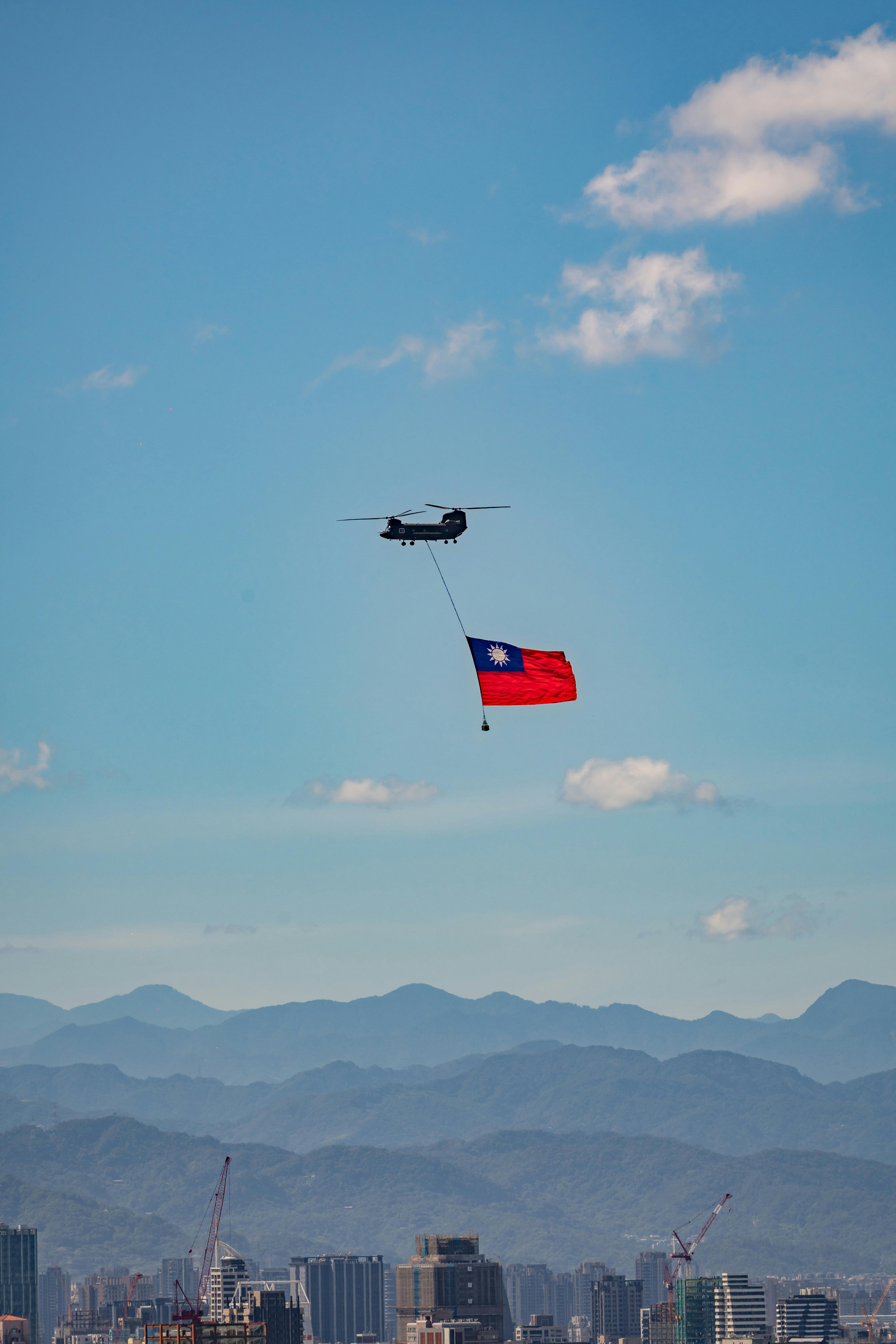
The summit comes days after Taiwan’s Legislative Yuan approved $24 billion in defence purchases, including a Pentagon package passed by Congress in December and a pending U.S. arms sale worth more than $10 billion. The figure fell short of the $40 billion package proposed by Taiwanese President Lai Ching-te, after the opposition-controlled chamber pared it back.
Taiwan accounts for more than 60 per cent of global semiconductor production and 90 per cent of the world’s most advanced chips. U.S. defence planners view the island as the clasp of the first island chain that limits Chinese maritime expansion in the Pacific.
The opposition Kuomintang has used the spending fight to position itself as a brake on confrontation with Beijing. Its chairwoman, Cheng Li-wun, met Xi in Beijing in April and is now finalising a June trip to Washington intended to reassure the administration that the KMT remains a partner on defence.
Trump’s record on the island
Trump has previously suggested he is willing to revisit the One China framework. During his 2016 campaign he openly questioned the policy, and after his victory he accepted a congratulatory call from then-President Tsai Ing-wen. At his 2017 meeting with Xi, the Wall Street Journal later reported, Trump told the Chinese leader he could “deal with” the Taiwan issue in “a matter of months.” Beijing dismissed the comment as rhetorical flourish.
The political setting this time is different. Trump enters Beijing with a domestic disapproval rating at a record 62 per cent, his Iran campaign in flux, and almost every word he speaks abroad parsed in real time.
“While it is rather unlikely that we will see a formal change in declaratory policy on Taiwan, what I think American allies will be watching most closely is for any reporting that suggests that President Trump has acknowledged President Xi’s prerogatives or interests over Taiwan, even if that concession comes in a casual or off-the-cuff way,” said Mira Rapp-Hooper, who served as the top White House adviser on the Indo-Pacific under former President Joe Biden.
Brian Hart, deputy director of the China Power Project at the Center for Strategic and International Studies in Washington, said the worry was real but not yet acute. “There is concern that the conversation between the two leaders could veer into sensitive territory on the topic of Taiwan,” he said, “but there are many in the administration who would still appreciate the importance of general continuity in U.S. policy.”
What Taipei is watching
In Taipei, defence analysts said they would judge the visit by what the U.S. did after the summit, not by what was said inside it.
“What Trump chooses to say in China might be difficult to predict,” said Jyh-Shyang Sheu, a Taiwan-based scholar of Chinese politics and military capabilities. “In Taipei, we are still focusing on the U.S. policy, more focusing on what he does instead of what he says.”
Trump is expected to arrive in Beijing on Wednesday for a 48-hour visit cut short by his Iran campaign, the first trip to China by a sitting U.S. president since his own three-day stay in 2017.

Yara Halabi
Foreign affairs correspondent covering the Middle East, the Gulf and US foreign policy. Reports from London.