Iran war pushes tariff and rare earth talks down Trump-Xi summit agenda
The May 14-15 Beijing summit was meant to lock in tariff and rare-earth deliverables. The Iran war has rewritten the agenda. Hormuz, not soybeans, will dominate leader-level time as Trump becomes the first US president back in China since 2017.
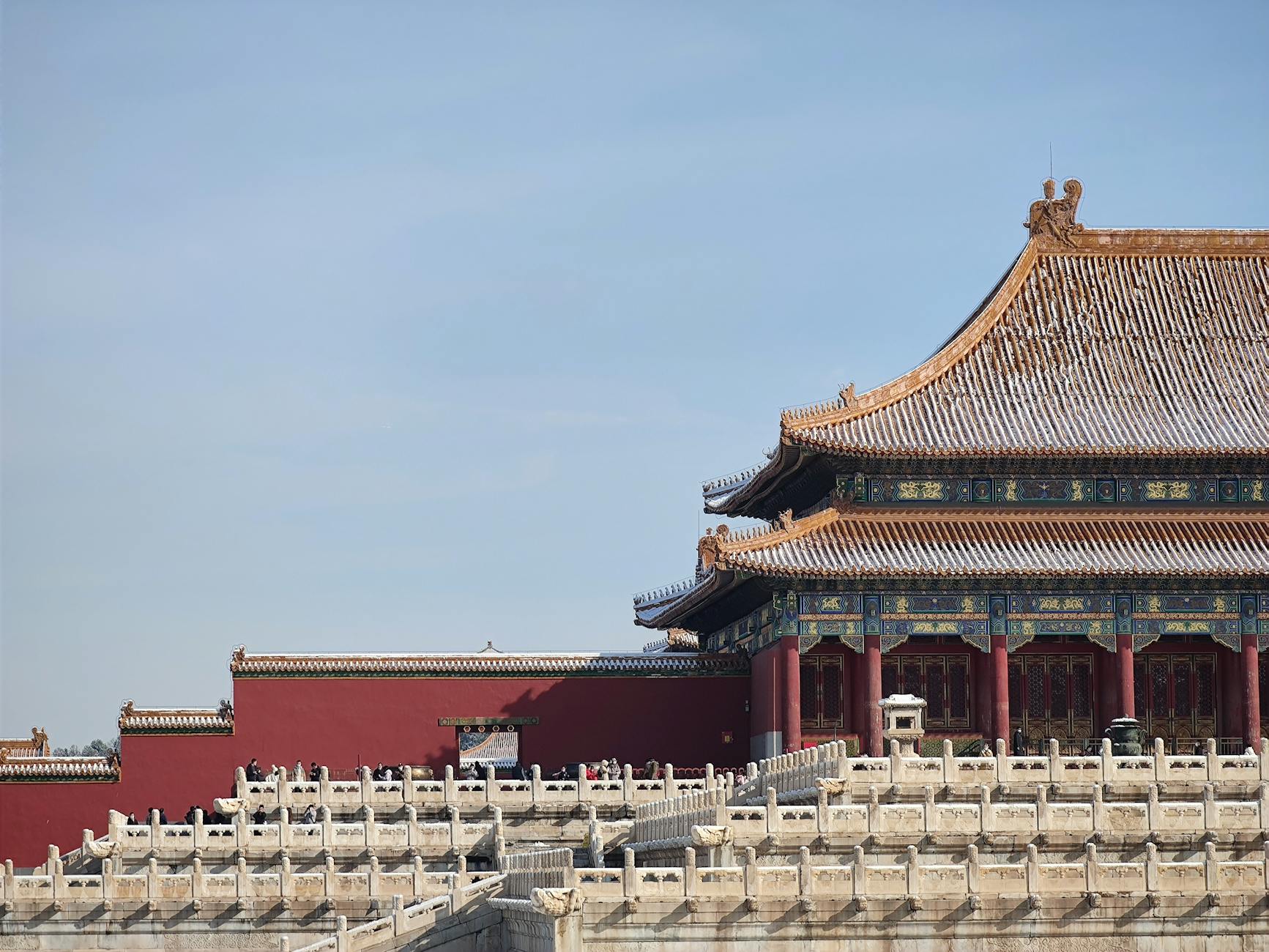
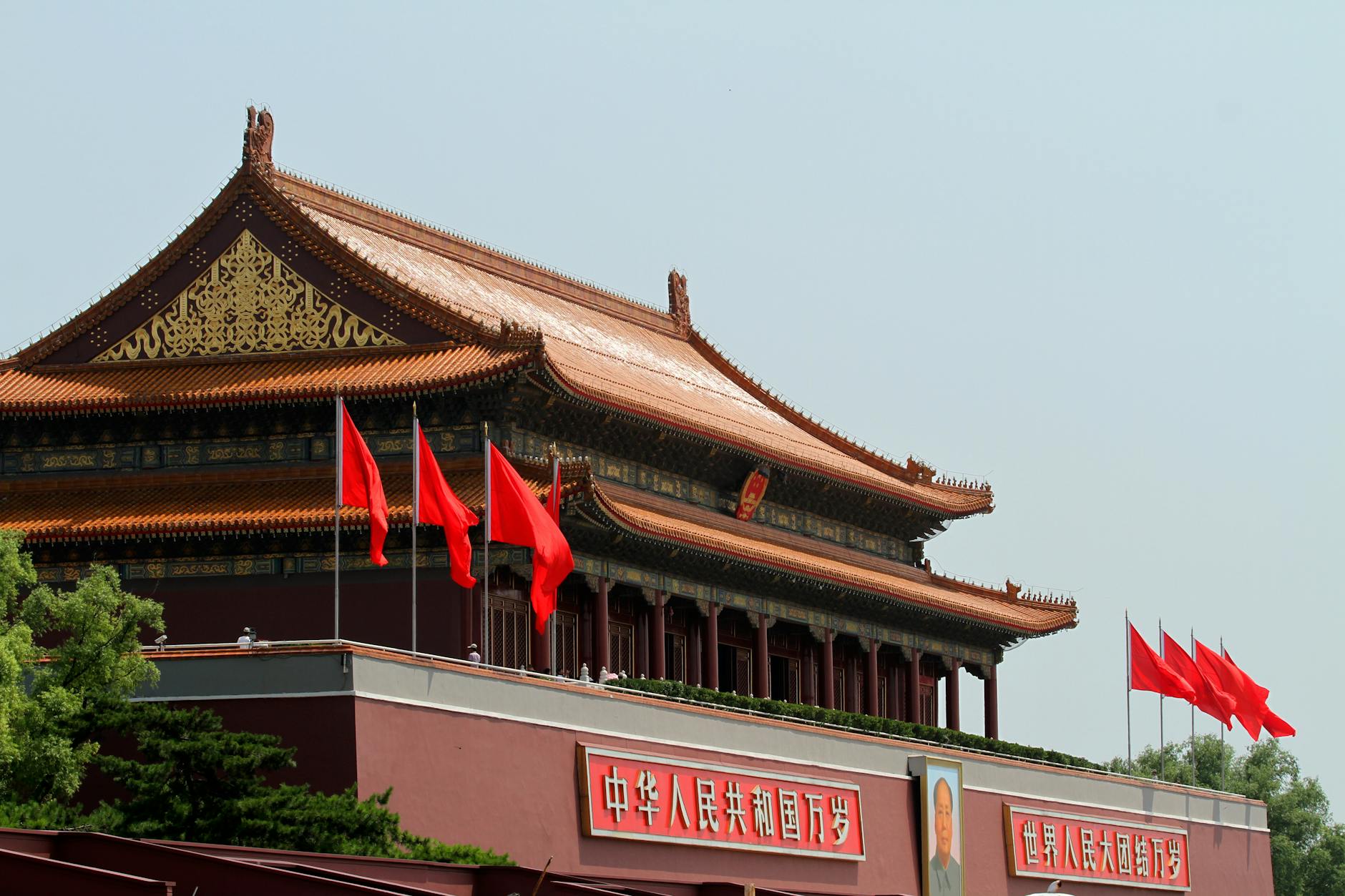
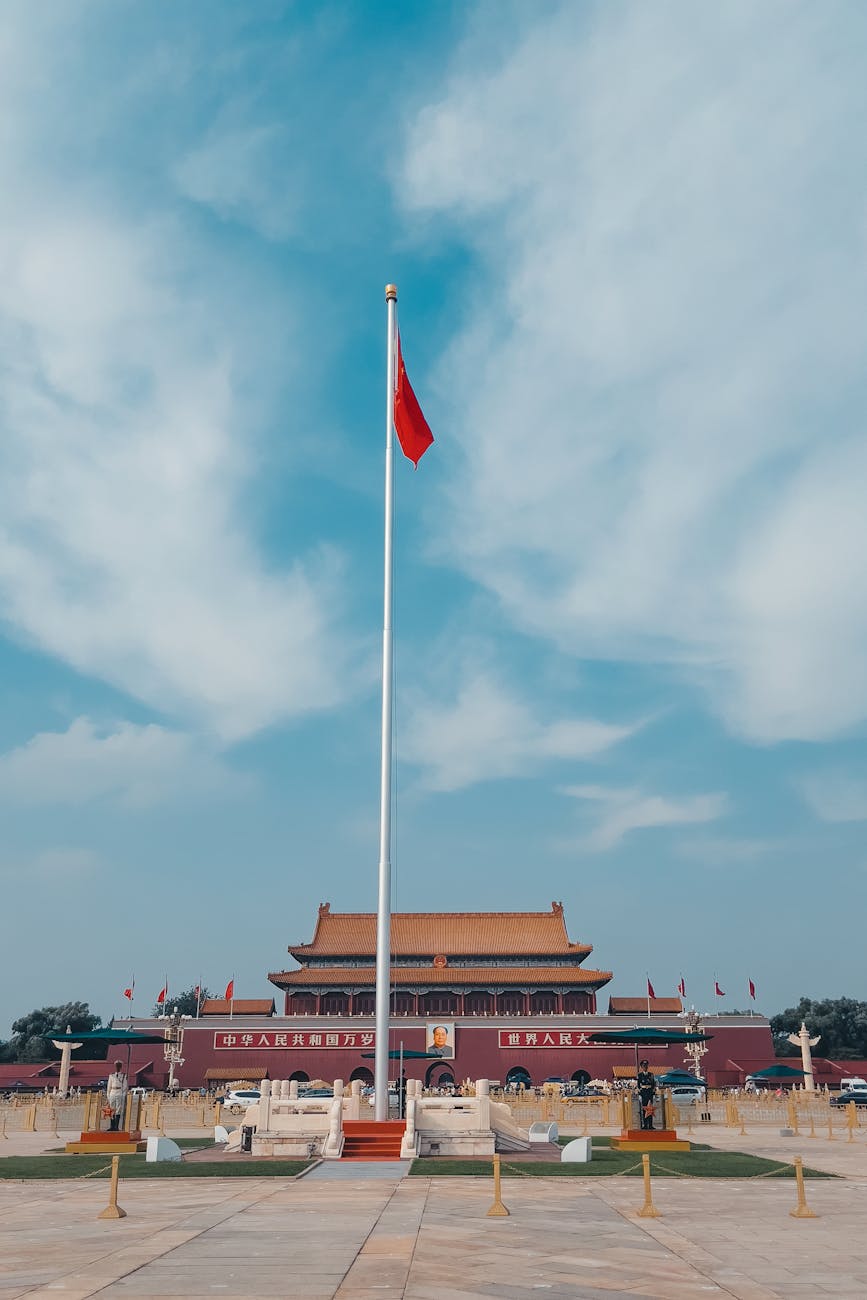
The war between Israel, the United States and Iran is set to dominate next week’s summit between Donald Trump and Xi Jinping in Beijing, narrowing the diplomatic space for tariffs, rare earths and the commercial agenda Washington had hoped to push to the front. The two leaders meet on May 14 and 15 for the first US presidential visit to China since 2017.
Treasury Secretary Scott Bessent confirmed last week that Iran would be on the table, telling reporters Beijing should “step up with some diplomacy” to pressure Tehran. Secretary of State Marco Rubio went further, accusing Iran of “trying to hold hostage the global economy” by closing the Strait of Hormuz. The remarks crystallised what foreign policy advisers in both capitals had been saying privately for weeks. Trump, who postponed the trip once already because of the war, is arriving with a security agenda where he wanted a trade one.
What the summit was meant to be
When Trump and Xi met in Busan on October 30, 2025, both sides walked out with a fragile understanding. China would resume bulk purchases of US soybeans and other agricultural products. The US would hold tariff increases in abeyance. Trade negotiators would build out a framework on rare earths, fentanyl precursors and chip export controls. The Beijing summit was supposed to convert that understanding into something durable, with Bessent flying to Tokyo and Seoul ahead of the trip to align allies on a common front.
A Center for Strategic and International Studies analysis by Edgard D. Kagan, written before Iran took over the agenda, set out what the US still wants to extract: expanded rare earth supplies, agricultural purchases ahead of the November midterms, cooperation on fentanyl, framework discussions on artificial intelligence safety and a “Board of Trade” structure to police future commitments. Beijing, the analysis said, wants “greater stability in its relationship with the United States, especially greater predictability on tariffs.”
Why Iran is now the spine of the meeting
Roughly one third of China’s imported oil and gas passes through the Strait of Hormuz, making Beijing the single largest non-belligerent stakeholder in any settlement. Iranian Foreign Minister Abbas Araghchi visited Beijing earlier this week, the first such trip since the war began in late February. The choreography signalled to Washington that any de-escalation runs through China.
Cui Hongjian, a Chinese foreign policy scholar, said the war had reshaped the agenda against Beijing’s preferences. “The sudden introduction of Iran into the centre of US-China relations has made things difficult for the Chinese side,” Cui said. Wu Xinbo, a foreign policy adviser to Beijing, framed the calculation differently. “Trump now would want to turn the Iran page as quickly as possible,” Wu said.
The pressure on Trump cuts both ways. A summit that ends with no movement on Hormuz would expose the limits of US leverage over a war Washington helped start. A summit that secures Chinese mediation, even informally, would let Trump claim the kind of diplomatic win that has eluded the administration since the war’s opening salvos. Joerg Wuttke, a former president of the EU Chamber of Commerce in China, captured the shift bluntly. “The US is fighting without winning, China is winning without fighting,” Wuttke said.
What gets pushed back
The casualties of the rearranged agenda are the items US business had spent months lobbying for. Rare earth export controls, suspended for one year under the Busan understanding, were due for an extension or formalisation. That conversation now slips. So does any movement on the chip export rules, where US semiconductor leverage is widely seen as eroding. Scott Kennedy, a senior CSIS scholar tracking the trip, has said realistic deliverables are limited to fresh Chinese soybean purchases and a possible Boeing aircraft order, neither of which requires summit-level attention.
The corporate delegation accompanying Trump tells the same story. Boeing chief executive Kelly Ortberg and Citigroup chief executive Jane Fraser have confirmed they will travel. A proposed list of roughly two dozen executives could be cut in half, after the White House declined a Chinese offer to set up industry-specific meetings between US chief executives and senior Chinese leaders. Officials worried the optics would suggest American business was getting too close to Beijing while the Iran war ground on. The contrast with prior visits is sharp. Trump’s 2025 trip to Saudi Arabia carried more than 30 executives. The 2017 Beijing trip produced roughly 30 chief executives signing what the White House at the time billed as $250bn in deals.
Hai Zhao, director of international political studies at the Chinese Academy of Social Sciences, suggested the trip’s success would be measured against a single metric. An end to the Iran war, Hai said, would be “a great relief to global business” and “remembered as very much the success” of the summit. Trade, in that framing, becomes the second-tier file. The Boeing CEO and Citi CEO travel anyway, but the framework around them is thinner than the White House had wanted heading into a midterm year.
What Beijing wants out of the new shape
For Xi, the rearranged agenda is not unwelcome. China gets to host a sitting US president, the first since 2017, and gets to do so as the indispensable interlocutor on a Middle East war it did not start. That is the validation Beijing has been seeking since the post-pandemic period of strained relations. Standing alongside Trump on a Hormuz off-ramp, even a partial one, lets Xi present China as a stabilising force in a region where US prestige has frayed.
Beijing’s underlying asks have not changed. Predictability on tariffs, room for Chinese technology firms inside the US market, and quieter US language on Taiwan all remain priorities. The Atlantic Council’s Melanie Hart, director of its Global China Hub, has warned that China is “using an extraordinary line up of pre-scheduled 2026 meetings to box him in.” If Iran consumes the bilateral, Beijing has more time to extract concessions on the longer files.
What happens next
Trump lands in Beijing late on May 13 ahead of formal talks the following morning. Bessent and Rubio remain in the delegation. The agenda, on paper, still covers tariffs, rare earths, fentanyl, Taiwan and AI. In practice, officials in both capitals expect the bulk of the leader-level time to be spent on Hormuz, on whether a ceasefire framework can hold, and on what role China is willing to play in stabilising oil supply if it does not.
Markets have already moved in anticipation. Oil settled below $102 a barrel on Friday after touching the highest levels of the conflict earlier in the week. Equities steadied. A summit communique that points to even tentative progress on Iran could move energy markets sharply lower at the start of the European session on May 16. A communique that produces nothing on Iran would deepen the sense that Trump’s first trip back to Beijing has been overtaken by a war he cannot end alone.
Either way, the rare earth and tariff files Washington had spent the spring preparing will not be settled this trip. Bessent’s team is already framing November, when Xi is expected at the next G20, as the next realistic window for trade deliverables. By then, the war’s outcome will define what is left to negotiate, and which side walks into the November room with the stronger hand.

Yara Halabi
Foreign affairs correspondent covering the Middle East, the Gulf and US foreign policy. Reports from London.