Britain deploys HMS Dragon to Hormuz as Iran ceasefire frays
The British Ministry of Defence will deploy HMS Dragon to the Middle East to pre-position for a UK and French coalition mission to safeguard Strait of Hormuz shipping, even as a fragile ceasefire between the United States and Iran shows fresh signs of strain.
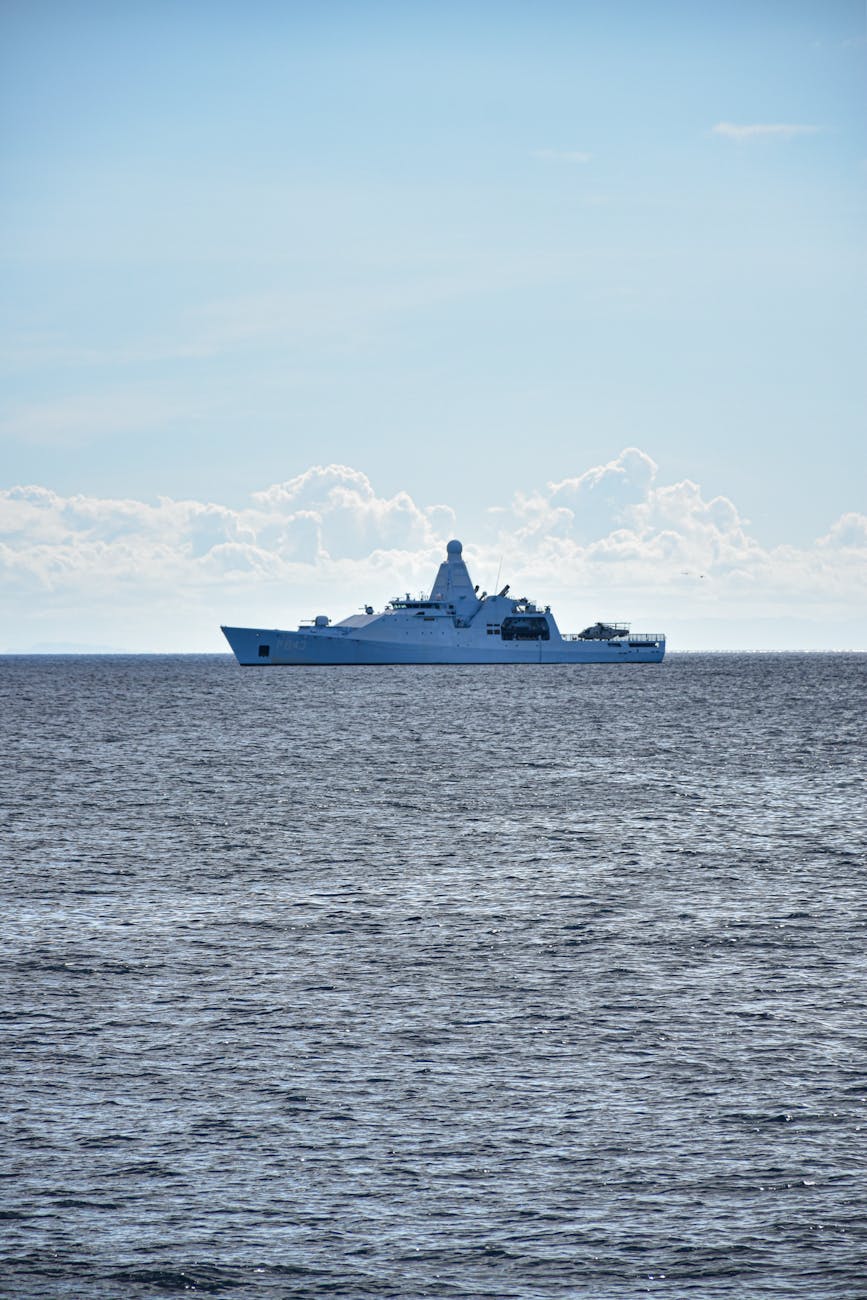
The British Ministry of Defence said on Friday it will deploy HMS Dragon, a Type 45 destroyer, to the Middle East to pre-position for a planned UK and French coalition mission to safeguard shipping in the Strait of Hormuz, even as a fragile ceasefire between the United States and Iran shows fresh signs of strain.
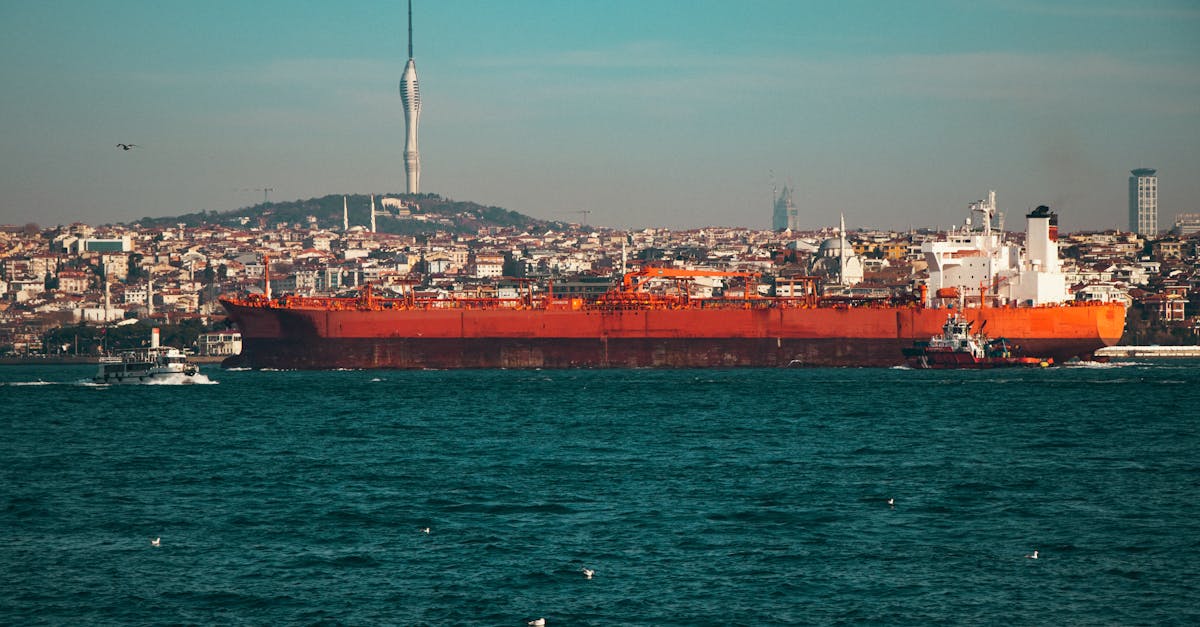
The move marks Britain’s most concrete step yet toward joining the multinational maritime initiative championed by Prime Minister Sir Keir Starmer and French President Emmanuel Macron. The plan, designed to guarantee freedom of navigation through the strait once hostilities end, has been under quiet discussion in London and Paris since March. Roughly 20 per cent of global oil supply transits Hormuz, and traffic through the chokepoint has been disrupted since US-Israeli forces and Iran went to war on 28 February.
“HMS Dragon will deploy to the Middle East to pre-position ahead of any future multinational mission to protect international shipping when conditions allow them to transit the Strait of Hormuz,” a Ministry of Defence spokesman said in a statement.
The destroyer carries a crew of about 200 and is one of six Type 45 air-defence warships in the Royal Navy fleet, equipped with the Sea Viper missile system. HMS Dragon had been stationed off Cyprus since early April, providing air-defence cover for the RAF’s Akrotiri base against Iranian drone attacks during the conflict. The MoD framed the redeployment as “prudent planning” rather than a step into active combat operations.
Ceasefire under strain
The roughly month-old truce between Washington and Tehran is officially still in place but has been punctuated by exchanges of fire in and around the strait. President Donald Trump described the recent skirmishes as “a love tap” and insisted the agreement holds, while warning Iran of harsher consequences if a peace deal collapses.
“We’ll knock them out a lot harder, and a lot more violently, in the future,” Trump said, adding that any deal “might not happen, but it could happen any day.” The president, speaking to reporters at his Sterling, Virginia golf course, said he expected to hear from Tehran by Friday night. “I’m getting a letter supposedly tonight. So we’ll see how that goes.”
Iranian officials offered a cooler reading. Foreign Minister Abbas Araghchi said: “Every time a diplomatic solution is on the table, the U.S. opts for a reckless military adventure.” Foreign Ministry spokesman Esmail Baqaei said the American proposal was “under review in Tehran, and once a final decision is reached it will be announced,” and added that Iran was not paying attention to deadlines. An unnamed Iranian military command was quoted as saying the United States had “crossed the point of no return.”
US Secretary of State Marco Rubio struck a more measured tone, saying he hoped Tehran’s reply would be “a serious offer” capable of initiating “a serious process of negotiation.” Defense Secretary Pete Hegseth told reporters the ceasefire “is not over” despite the latest exchanges.
Tankers and detentions
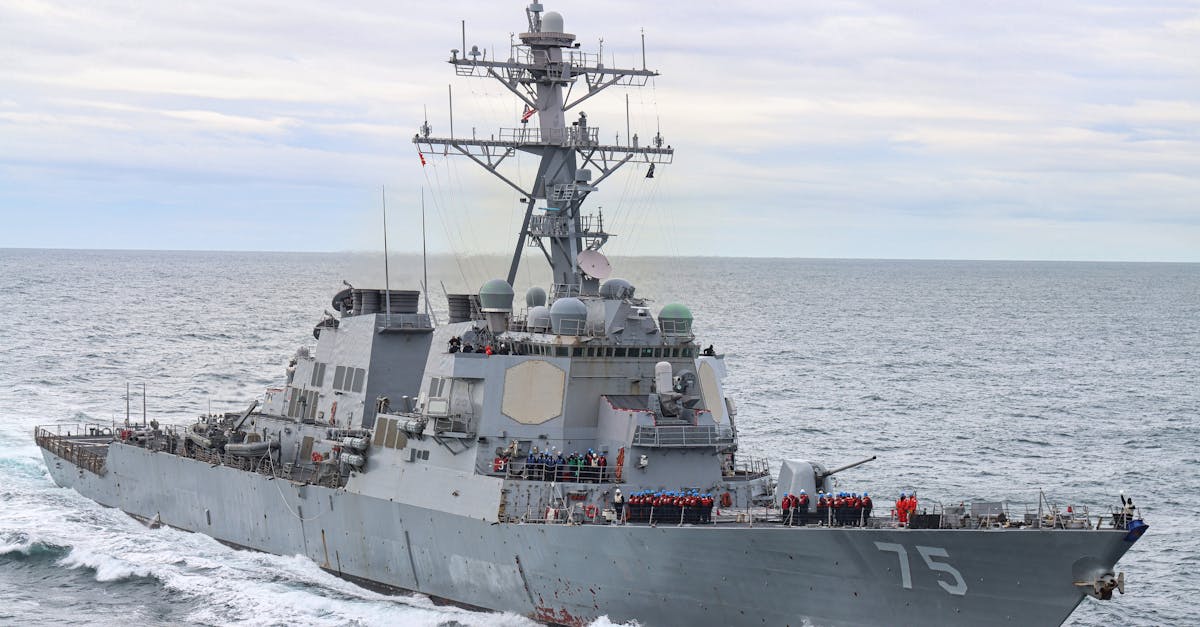
The strain on the truce was visible at sea this week. US Central Command said an F/A-18 Super Hornet disabled two Iranian-flagged tankers, the M/T Sea Star III and M/T Sevda, by firing precision munitions into their smokestacks as the vessels attempted to breach the American blockade. CENTCOM also reported that the USS Mason was one of three US warships targeted by Iranian missiles during a 7 May transit of the strait, though none was struck.
Earlier in the week, Iranian forces had seized a commercial tanker in the Gulf of Oman, prompting the American counter-strikes that have since framed the diplomatic standoff. Industry tracking firm Windward AI estimated that around 80,000 barrels of crude have spilled from damaged loading infrastructure at Kharg Island, leaving an oil slick of about 71 square kilometres.
Bahrain announced separately on Friday that authorities had detained 41 people accused of links to Iran’s Islamic Revolutionary Guard Corps, the first publicly disclosed mass arrest of suspected IRGC operatives in a Gulf Cooperation Council state since the start of the war. Officials in Manama gave no details on the alleged plots.
What happens next
The American peace proposal under consideration in Tehran is a one-page, 14-point memorandum that would temporarily suspend Iran’s nuclear enrichment, ease US sanctions, release frozen Iranian assets and open a 30-day window of structured negotiations. It also includes confidence-building measures specific to the Strait of Hormuz, where commercial traffic remains depressed as insurers reassess war-risk premiums and producers in the Gulf weigh diversification options.
Britain’s deployment of HMS Dragon does not yet trigger the broader UK and French escort plan, which officials have said will only stand up once shooting stops. Pentagon planners and European defence ministries are watching the size and composition of any coalition closely, conscious that an ill-timed multinational deployment could harden Iranian positions even as Tehran weighs Trump’s offer.
For now, Trump’s view of the diplomacy carries an edge of dare. “I believe they want the deal more than I do,” he said.

Yara Halabi
Foreign affairs correspondent covering the Middle East, the Gulf and US foreign policy. Reports from London.