Consumer sentiment hits record low as price fears spread
Consumer sentiment hit a record low in May as Americans braced for higher fuel and food costs, sharpening the Fed's inflation dilemma.

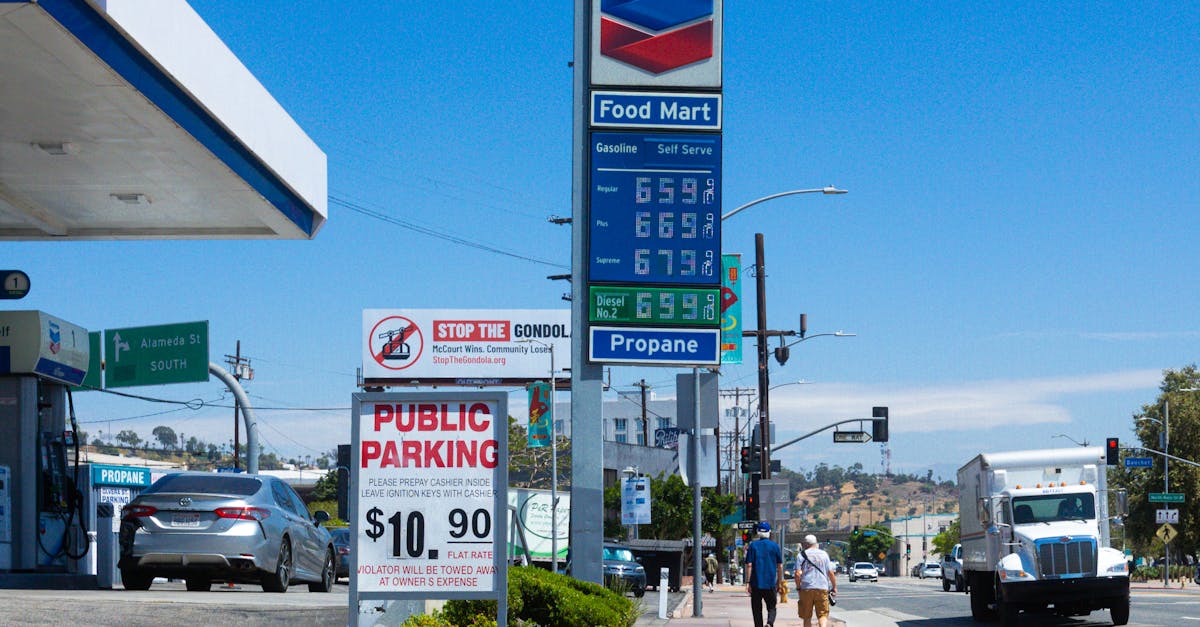
University of Michigan’s final May survey showed US consumer sentiment fell to a record-low 44.8 as households braced for higher fuel and food bills, a sign that the Iran-driven oil shock is moving from bond screens and crude charts into everyday budgets.
That headline number mattered because it came with a second warning. Consumers’ year-ahead inflation expectations climbed to 4.8 per cent and their long-run expectations rose to 3.9 per cent, figures that make this more than a sour mood reading. They suggest the price shock is starting to settle into expectations, which is exactly the transmission channel Federal Reserve officials watch when deciding how long policy needs to stay tight.
For the households most exposed to petrol, groceries and rent, the survey reads like a confirmation of what has already been happening at the checkout. Reuters reported that lower-income consumers and respondents without college degrees posted the sharpest declines. But the same data set lands differently in Washington, where the more consequential question is whether a jump in long-run expectations starts to look like an inflation-credibility problem rather than a temporary energy shock.
The survey’s sub-indexes help explain why both readings can be true at once. Current economic conditions fell to 45.8 and consumer expectations dropped to 44.1, both also historically weak levels in the Michigan series. Joanne Hsu, the survey’s director, said Americans were not just reacting to one volatile item.
The cost of living continues to be a first-order concern, with 57% of consumers spontaneously mentioning that high prices were eroding their personal finances.
— Joanne Hsu, University of Michigan Surveys of Consumers
That line matters because it shifts the story away from a narrow oil-market explanation. Higher energy prices may have lit the match, but once households start talking about the cost of living in broader terms, the damage spreads into inflation psychology. CNBC reported that Hsu also warned consumers appeared worried inflation would spread beyond fuel prices, even in the long run. That is the point at which a geopolitical shock becomes a domestic macro problem.
The analyst case is more nuanced. Sentiment has a mixed record as a predictor of near-term spending, and aggregate consumption does not always crack just because survey respondents say they feel worse. But the composition of spending can still change quickly. The New York Times reported earlier this week that Walmart, Target and TJ Maxx were attracting shoppers squeezed by energy costs, a sign that households may still spend while shifting harder toward staples, discounts and necessities.
Why the Fed cares
For policymakers, the uncomfortable number in Friday’s release was probably not the headline sentiment index at all. It was the 3.9 per cent long-run inflation expectation, because that measure speaks to credibility. Central banks can usually argue that an oil spike is temporary. It becomes harder to make that case if households begin to assume today’s jump in petrol and food bills will leave a lasting imprint on future prices.

That helps explain why Federal Reserve governor Christopher Waller said in a speech on Thursday that he would not hesitate to back a rate increase if inflation expectations started to become unanchored. Waller’s remarks were conditional, not a policy signal on their own. But they established a clear threshold: if the Fed concludes households are no longer treating this as a short-lived energy shock, the bar for rate cuts rises and the risk of a renewed hiking debate stops looking theoretical.
If I believe inflation expectations start to become unanchored, I would not hesitate to support an increase in the target range for the federal funds rate.
— Christopher Waller, Federal Reserve governor
That is why the gap between market pricing and household psychology matters. CNBC’s markets coverage this week showed traders still focused on Treasury yields and the bond market’s inflation warning, but survey data can move on a different timetable. Households are responding to what they pay at the pump and in the supermarket, not to five-year breakevens or the latest interpretation of core inflation. If consumers keep internalising higher prices faster than markets do, the Fed’s message that it can look through the energy shock gets harder to sustain.
There is also a political economy problem embedded in the data. Gallup’s latest economic-confidence gauge has already slid to its worst level since 2022, showing the Michigan survey is not an isolated outlier. Confidence and sentiment are different measures, but both are now pointing in the same direction: voters and consumers are increasingly treating price pressure as durable, not transitory.
History offers some evidence that this anxiety is no longer confined to survey forms. The New York Times wrote on 18 May that oil prices and bonds were already moving on renewed Iran-war inflation fears, while CNBC reported on 12 May that traders were beginning to contemplate inflation near 5 per cent this year. Friday’s Michigan reading does not settle that debate, but it does show the same anxiety broadening beyond trading desks and into households, which is usually when an energy shock stops looking contained.
That does not mean the Fed is about to react to one survey. Officials will still want to see hard inflation data, labour-market readings and evidence that expectations remain elevated. Even so, the Michigan report compresses the timeline of concern. When a geopolitical shock pushes up crude, policymakers can debate pass-through. When households start to anticipate broader price rises, the policy debate narrows.
Where the squeeze shows up first
The likelier near-term macro story is not an immediate collapse in consumer spending but a more selective retreat. Lower-income households tend to feel fuel and food shocks first, which means the earliest damage often appears in dining out, discretionary retail and other categories that can be delayed by a week or a month without missing a rent payment.

That pattern has already started to show through in corporate reporting. CNBC reported on 11 May that higher gas prices were pressuring restaurant sales at some chains even before Friday’s survey. Walmart’s earnings setup pointed to the same tension from the other side: households were still shopping, but investors were waiting to hear how much of that demand was being sustained by trading down rather than by genuine confidence.
That distinction answers, at least partly, the analyst question of whether consumers keep spending when sentiment hits record lows. They often do, until they cannot. The adjustment comes first in the mix of purchases, the brands people choose and the frequency of non-essential trips. A sentiment reading this weak does not guarantee an immediate drop in headline consumption, but it does suggest the cushion is thinning fastest for the consumers least able to absorb another rise in basics.
The broader implication is that the Iran shock is now showing up in the part of the economy that matters most for US growth: the household sector. Oil markets can reverse and Treasury yields can settle. Consumer expectations are stickier once they become attached to lived experience. Friday’s survey suggests Americans are no longer treating higher prices as background noise. They are starting to price them into how they think about the months ahead, and that makes the inflation problem harder for the Fed, harder for retailers and harder for the White House to dismiss.
For now, the cleanest read is that the US consumer has not broken, but confidence has. That still leaves room for spending resilience in the aggregate, especially if the labour market holds up. Yet a record-low sentiment reading combined with firmer long-run inflation expectations is a warning that the damage from higher energy costs may arrive not as a sudden collapse, but as a slow tightening of household choices that eventually reaches growth and policy alike.

Marcus Holloway
Markets editor covering UK gilts, sterling and the Bank of England. Previously a fixed-income strategist in the City.