US CPI seen at 3.7% in April amid Iran war
The consumer price index is forecast to show a 0.6% monthly increase, pushing the annual rate to 3.7% — the highest since September 2023 as energy costs from the Iran war persist.
U.S. consumer prices are expected to have risen 0.6 percent in April, pushing the annual inflation rate to 3.7 percent, as the energy disruption triggered by the Iran conflict continues to work its way through the world’s largest economy.
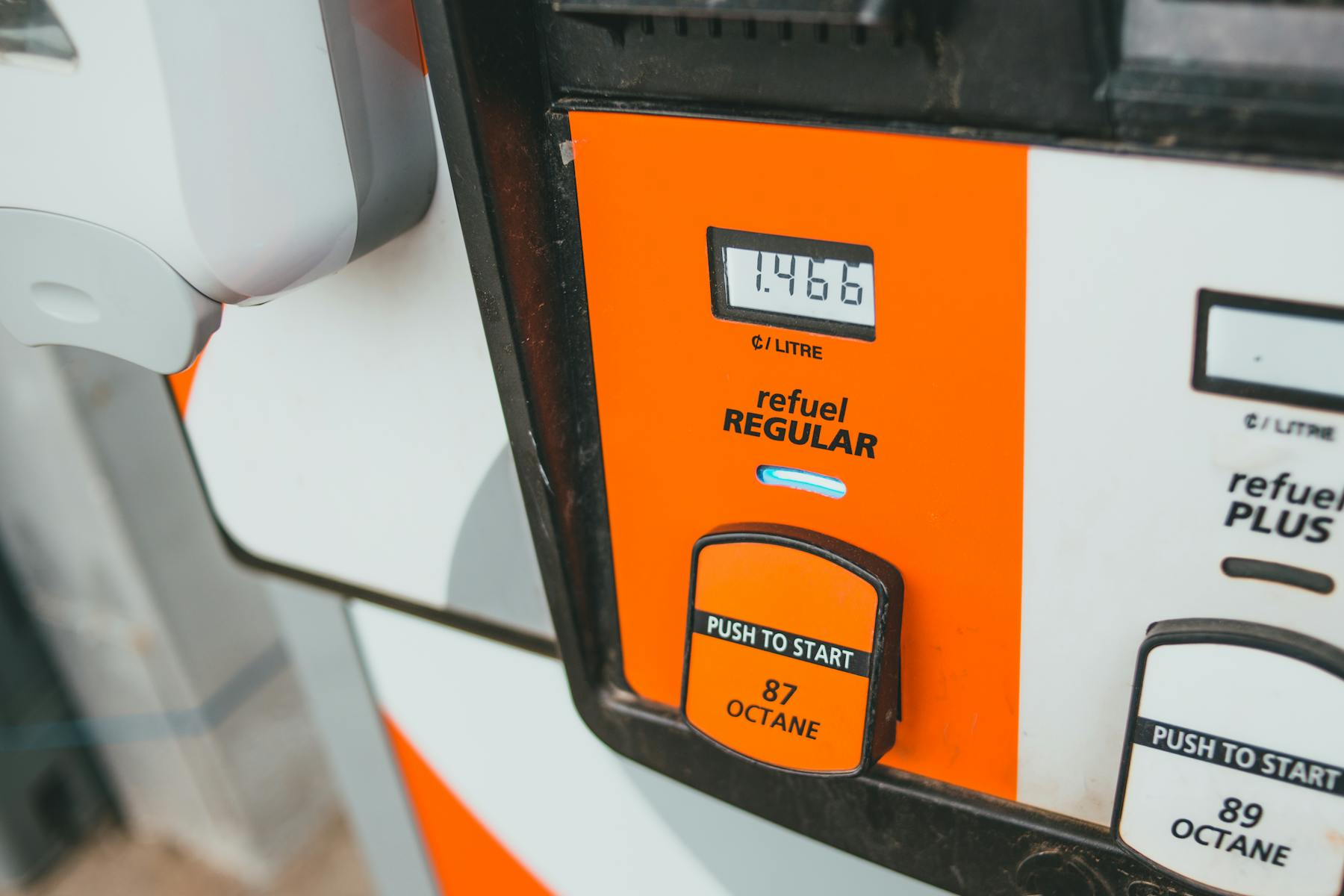
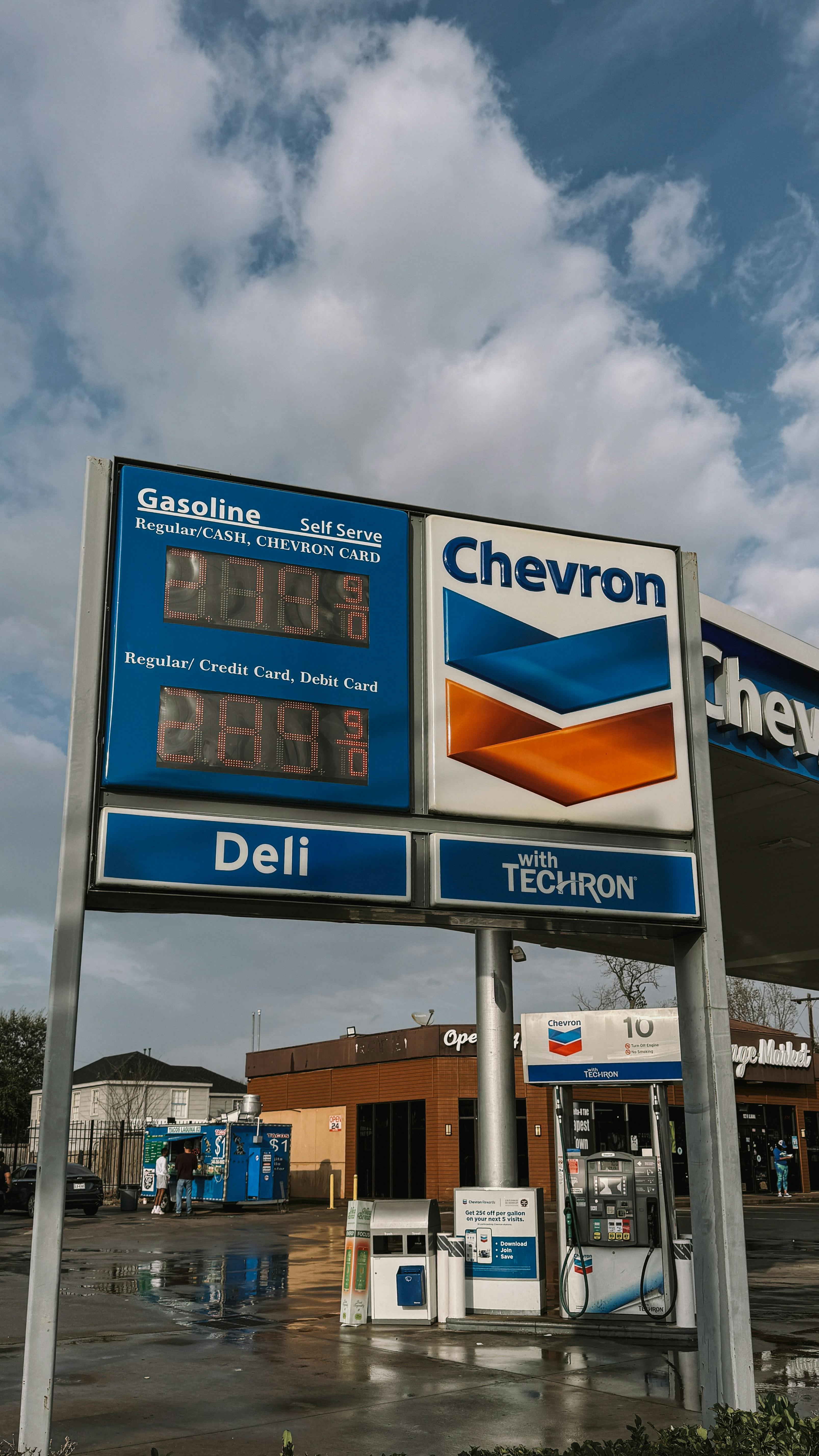
The Labor Department’s consumer price index, set for release Wednesday morning, would register the highest headline reading since September 2023 if the forecasts prove accurate. Economists surveyed by Reuters attribute the surge primarily to gasoline prices that remained elevated through April after spiking in March, when the pump price jumped 21.2 percent in a single month — the largest monthly increase since 1967.
The Iran-driven energy shock has scrambled an inflation picture that had been steadily improving through the final months of 2025. U.S. and allied strikes on Iranian oil infrastructure in March sent Brent crude briefly above $100 a barrel before the benchmark pulled back to roughly $96 following a tentative ceasefire in the Strait of Hormuz. But the pass-through to retail gasoline — which averaged between $4.12 and $4.30 a gallon through late March and early April — has been far slower to reverse than the crude pullback might suggest. Refiners are still working through higher-priced crude inventories, and seasonal demand typically rises as the summer driving months approach. Analysts at CNBC noted that a range of everyday grocery items, from eggs to coffee, also tracked higher in March as transportation costs filtered into food supply chains.
“The problem is that the average person, the working people, they don’t live in core CPI,” Sung Won Sohn, an economist at Loyola Marymount University, told Reuters. “They live in higher gasoline prices, they live in higher grocery prices, and they are getting hurt.”
That gap between the headline number and so-called core CPI — which strips out volatile food and energy costs — is expected to widen further in the April report. Core inflation is forecast to show a more modest monthly increase of roughly 0.3 percent, though economists caution that rising transportation and shipping costs tied to the Hormuz disruption will eventually bleed into a broader range of consumer goods. Shelter costs, which account for about a third of the overall index, have also remained stubbornly above pre-pandemic norms, adding a layer of persistence beneath the energy-driven headline.
Heather Long, chief economist at Navy Federal Credit Union, warned last month that the strain on household budgets would intensify even if the military conflict wound down quickly. “It’s going to get a lot worse before there’s any relief,” Long told CNN. “Even if the war on Iran ends in two weeks, and there’s magically an agreement, inflation will continue to rise for months to come.”
The Fed’s March calculation
The inflation report arrives at a difficult moment for the Federal Reserve, which had been signaling it was close to declaring victory over the post-pandemic price surge before the Iran conflict upended global energy markets.
Policymakers left interest rates unchanged at their March meeting and have since made clear they are in no hurry to cut. Minutes from that meeting showed officials divided over whether the energy shock is likely to prove transitory — a supply-side jolt the central bank can look through — or the leading edge of a more entrenched inflation cycle. A second consecutive monthly headline print above 0.5 percent would strengthen the hand of the Fed’s hawkish wing, which argues the central bank cannot risk easing monetary policy while inflation is accelerating. Several regional Fed presidents have said publicly in recent weeks that they want to see at least two months of cooling data before considering a move.
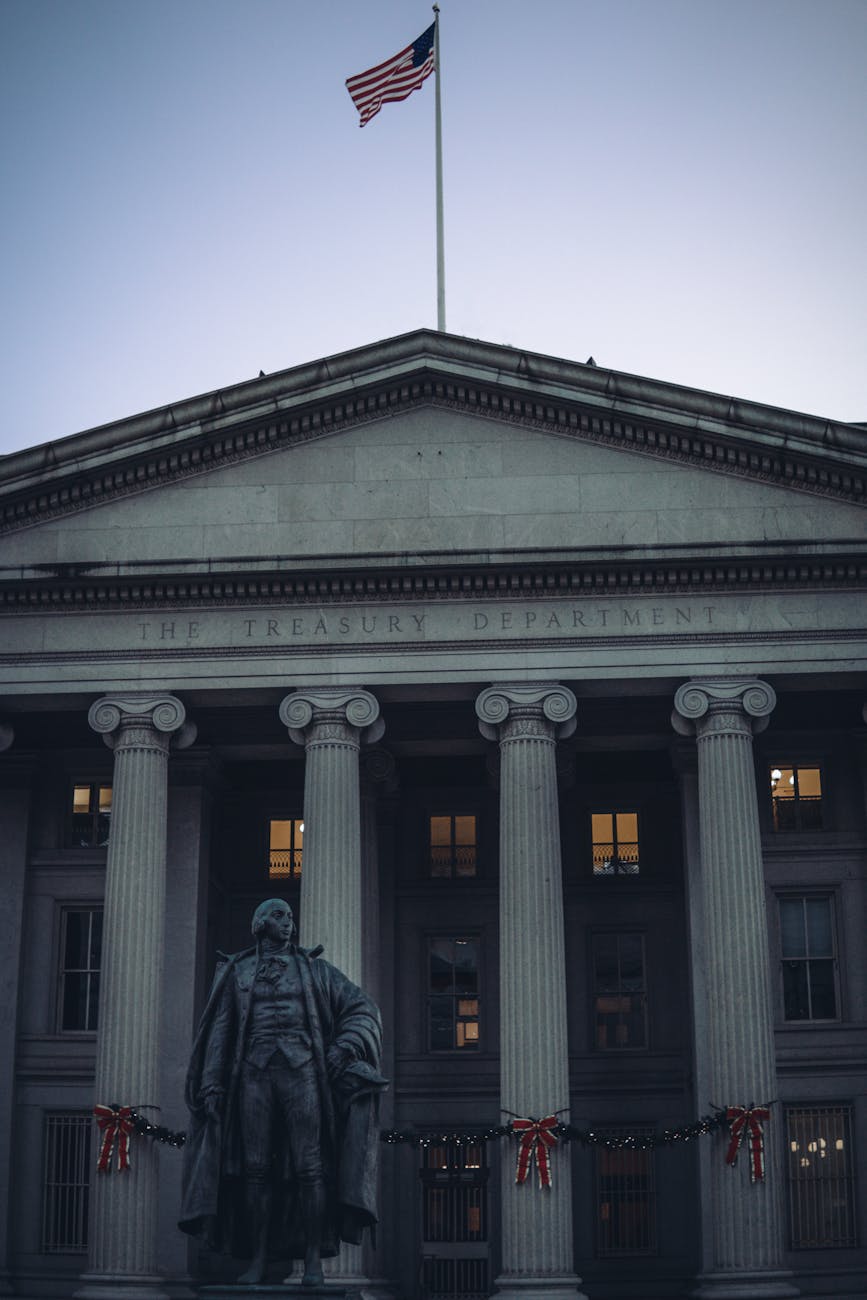
Markets are currently pricing in fewer than two quarter-point rate cuts for the remainder of 2026, a sharp reversal from the four cuts that were expected before the Iran crisis began. Treasury yields have climbed in response, with the two-year note rising above 4.5 percent, reflecting investors’ expectation that rates will stay higher for longer.
Brian Bethune, an economics professor at Boston College, framed the political dimension of the cost-of-living squeeze in blunt terms. “People are now realizing that the pitch they got about lowering the cost of goods and services is a fairy tale,” Bethune told Reuters. “They were basically treading water with their nose just above the surface, now they are being pulled down below the surface.”
What happens next
The trajectory of inflation in May and June depends heavily on whether the Hormuz ceasefire holds and how quickly global oil markets normalize. Saudi Arabia has signaled it is prepared to increase output to offset the Iranian barrels removed from the market, but any renewed escalation in the Gulf would send crude prices back toward triple digits within days. For American households, the immediate pressure remains concentrated at the pump and the grocery checkout. Wednesday’s report will put a number to a reality most consumers are already living.

Marcus Holloway
Markets editor covering UK gilts, sterling and the Bank of England. Previously a fixed-income strategist in the City.