Bank Indonesia rate hike shows how Iran shock hits Asia
Bank Indonesia rate hike to 5.25% after a rupiah record low shows how the Iran war is feeding currency stress and imported inflation across Asia.

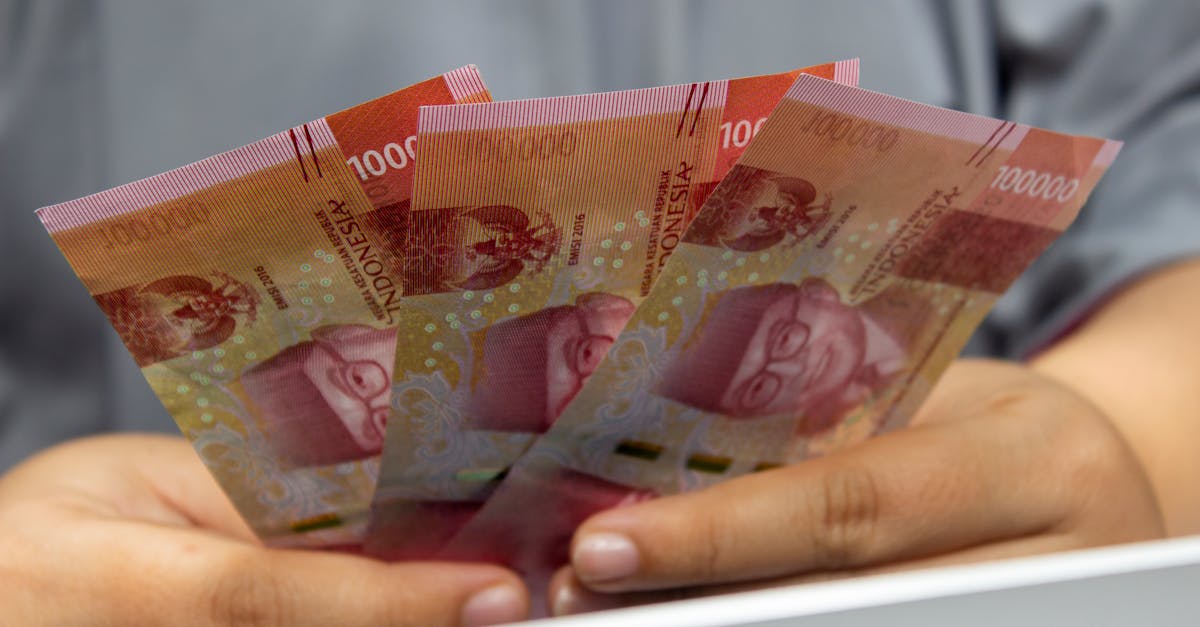
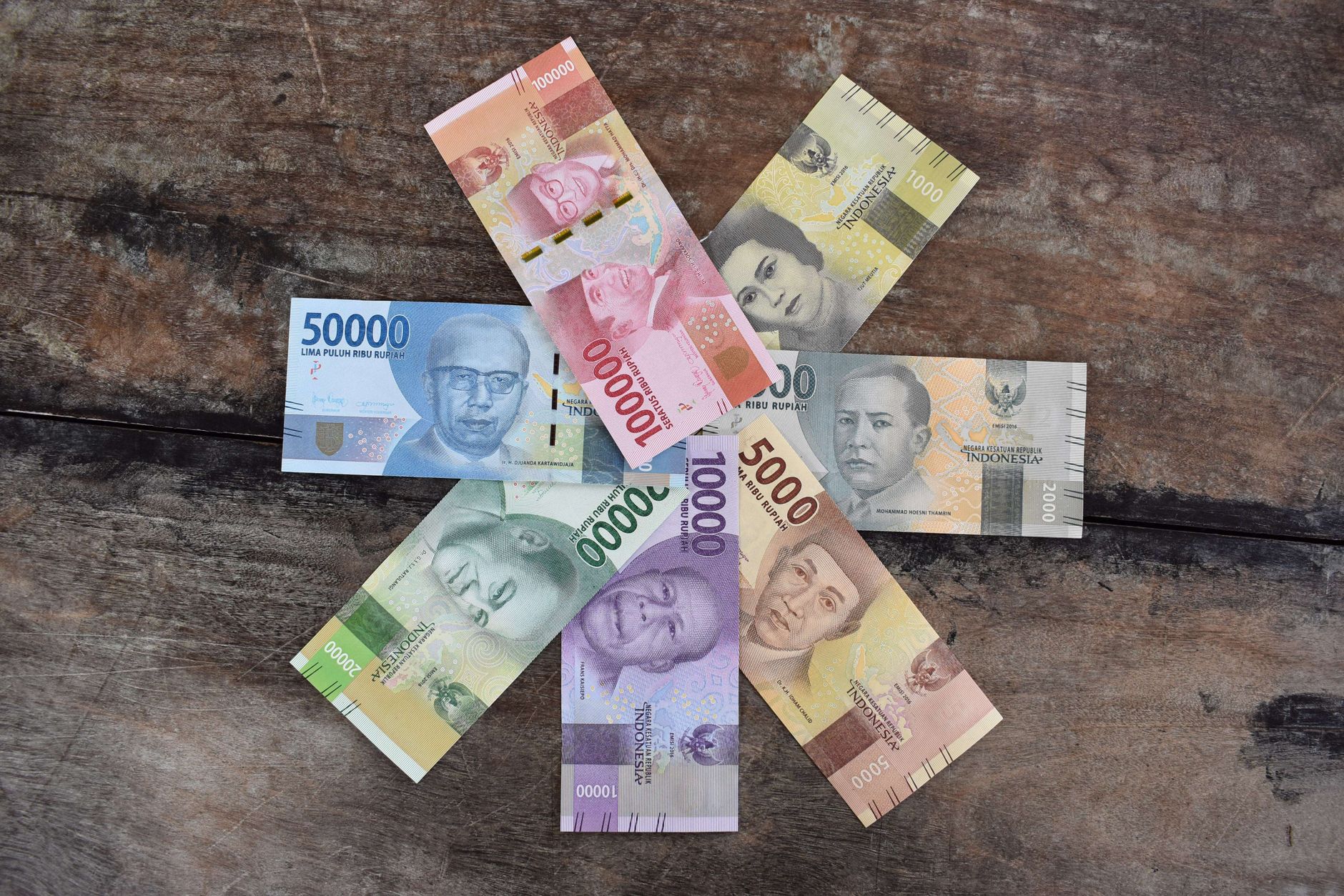
When Bank Indonesia moved by a bigger-than-expected 50 basis points on Tuesday, taking its benchmark rate to 5.25 per cent, the decision looked less like a routine inflation adjustment than a defensive answer to a rupiah slide to record lows. For the central bank, the risk was no longer only market optics. A weaker currency threatens to carry the Iran war’s oil shock into Asian assets and, eventually, into domestic prices.
Indonesia matters beyond its own market for precisely this reason. Bloomberg Markets had reported before the meeting that a hike was back in play as pressure built on the rupiah, with only 25 of 41 economists expecting a smaller quarter-point move. By delivering more, Bank Indonesia turned Indonesia into one of the clearest Asian case studies yet of how a Middle East conflict can migrate from crude prices and U.S. yields into an emerging-market balance sheet.
Read from outside the bank, the same move looks different. Analysts saw the rate decision as a statement that Bank Indonesia was willing to put foreign-exchange stability first, while skeptics questioned whether an old emerging-market playbook of intervention plus tighter policy can do much against a broad dollar and energy shock hitting several Asian importers at once. Credibility versus limits — that is the heart of the policy case now facing Jakarta.
Reuters quoted Governor Perry Warjiyo framing the move explicitly as currency defence.
“The increase is a further step to strengthen the stabilisation of the rupiah exchange rate amid global volatility due to the Middle East war.”
— Perry Warjiyo, Bank Indonesia governor
Warjiyo’s statement also resolves one of the insider questions in the research bundle: how long could Bank Indonesia rely on intervention and special rupiah instruments before a rate increase became unavoidable? Not indefinitely. According to its first-quarter monetary policy review, foreign-exchange reserves stood at US$151.9 billion at the end of February with the rupiah at Rp16,985 per U.S. dollar on March 16. By May, those tools were still buying time, but no longer enough on their own.
What concerns households and importers is not the exchange rate as an abstract market price. It is how long weakness feeds into fuel, food and intermediate goods. Indonesia still has buffers — commodity income and policy tools that can slow pass-through — but those do not cancel the arithmetic of a softer currency for companies buying dollar-priced inputs. The user-affected perspective in the reporting is the simplest one: if the rupiah stays weak, some imported costs eventually land in retail prices or profit margins.
Why Indonesia matters
As a bellwether, Indonesia works precisely because it is not the frailest economy in the region. It entered this episode with still-solid reserves, a history of active FX management and a central bank that had tried to avoid rate rises as long as possible. If even Indonesia has to pay up to defend its currency, the signal for smaller or less liquid emerging markets is uncomfortable.
Already, the regional pattern is visible. Reuters reported that Indian equities had been pinned by crude-war worries, while BBC Business described pressure on the rupee and on households being asked to economise on dollar spending. India and Indonesia are not identical, of course. The common thread is that oil-importing Asian economies are being pushed toward the same trade-off: let currencies weaken and risk inflation, or tighten conditions and accept slower growth.
There is also an Indonesian wrinkle. Bloomberg Economics reported that President Prabowo Subianto was tightening state control over some commodity exports as fiscal pressure mounted alongside the plunging rupiah. None of this makes the country uniquely fragile, but it does mean the exchange rate is now colliding with industrial and fiscal policy, not only monetary policy. A weaker currency can flatter export receipts on paper while making imported fuel, machinery and external funding more expensive.
What makes Indonesia a bellwether, then, is this combination rather than any single factor. The story is not a classic crisis about a country that has already lost access to policy tools. It is about a relatively large emerging market, with reserves and a credible central bank, still being forced to tighten because the external shock is broad enough to overwhelm incremental measures. Across Asia, investors will read that signal carefully.
Tuesday’s surprise move was mainly about credibility, in the analyst view. Reuters cited Mandiri Sekuritas economist Rangga Cipta arguing that the half-point rise showed Bank Indonesia’s independence and its willingness to prioritise FX stability.
“We think the bold 50 basis point hike by BI not only shows the shift of priority to FX stability but also displays BI’s maintained credibility and independence.”
— Rangga Cipta, Mandiri Sekuritas
Bank Indonesia also stressed that it had been adjusting market interest rates through higher yields on its rupiah securities, showing that policymakers had tried to tighten conditions without moving the main policy rate first.
“Bank Indonesia has adjusted the term structure of market interest rates through higher yields on instruments, such as Bank Indonesia Rupiah Securities (SRBI).”
— Bank Indonesia policy statement
Here the analyst question gets a partial answer. A 50 basis point move can buy time by resetting assumptions about how far the central bank is willing to go. It does not close the case, though. ING had previously argued that policymakers were trying to prioritise rupiah stability without moving the policy rate. Tuesday’s shift suggested higher yields on BI instruments and spot intervention were no longer enough by themselves.
What the hike can and cannot do
The skeptic’s case, though, should not be dismissed. Higher rates can defend a currency by improving relative yields and by proving that a central bank will absorb pain early. They cannot pump more oil into Asia or reverse a jump in U.S. Treasury yields. If the external shock persists, Bank Indonesia may have bought time rather than solved the problem.
The distinction matters concretely for households and companies. Indonesia’s inflation trend had eased before the latest war shock, which gave policymakers room to wait. A durable spell of currency weakness, however, can reopen the problem through imported food, fuel and freight costs, even if subsidies delay some of the pass-through. Companies with dollar liabilities or imported inputs face something beyond an academic question — a central bank rescue of the rupiah shapes their financing costs and pricing power in real time.
Regional portfolio flows tell the same story. Once investors decide that oil, U.S. yields and currency weakness belong to the same trade, central banks can stabilise expectations only at a price. A move meant to defend the rupiah therefore lands as a signal to the wider emerging-market complex: policy patience is becoming harder to afford.
Bloomberg Markets reported that currencies in India and Indonesia only edged off their lows after central banks stepped in, while swaps also began to price tighter policy elsewhere in the emerging-market complex. This is the wider frame. Indonesia is not suffering an idiosyncratic crisis. It is showing how quickly a geopolitical shock can force large emerging markets to spend reserves, adjust rates and re-rank policy priorities.
For now, Bank Indonesia has answered one of its own questions. It can no longer rely on intervention alone when rupiah weakness risks becoming an inflation story. The harder question — the one analysts and households still face — is whether a 50 basis point move is the start of a successful defence or simply the opening instalment on a more expensive Asian adjustment. Indonesia, far from the Gulf but exposed to its fallout, is where that answer is now coming into view.

Marcus Holloway
Markets editor covering UK gilts, sterling and the Bank of England. Previously a fixed-income strategist in the City.