South Korea volatility jumps as foreign selloff deepens
South Korea volatility jumped as foreign investors sold $13.2 billion of stocks, exposing how chip concentration and oil risk are testing appetite.
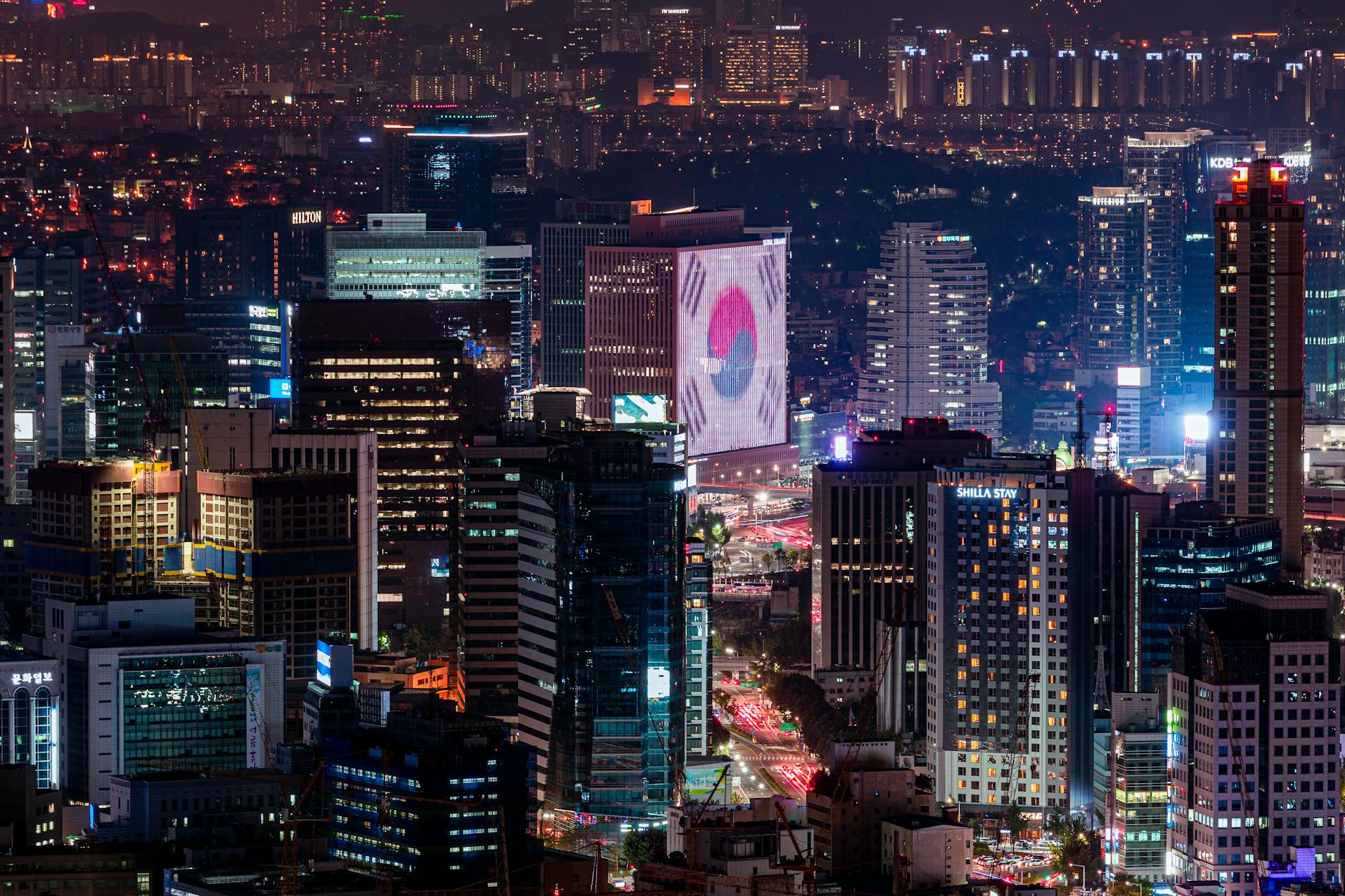
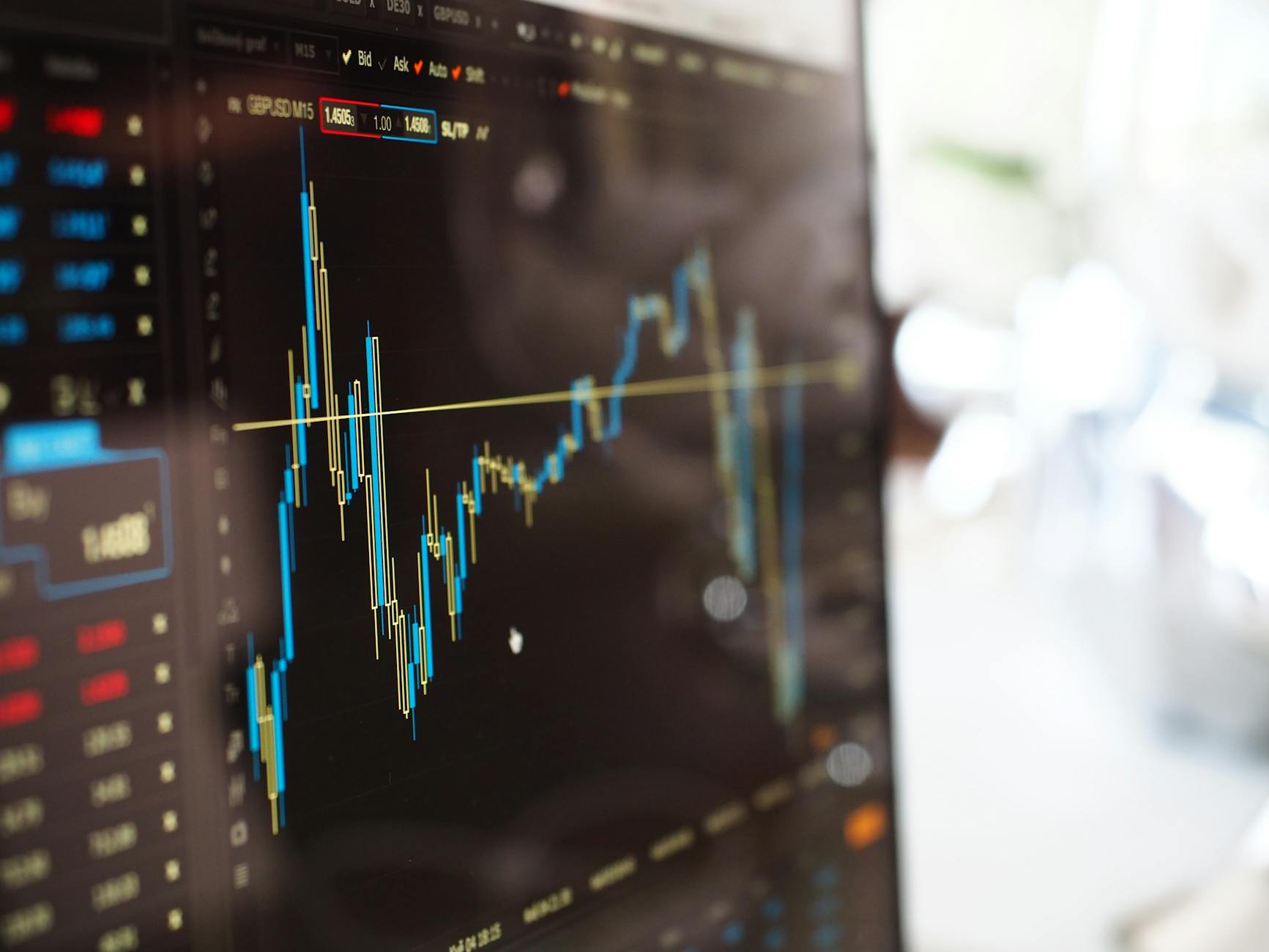
South Korean market volatility lurched toward record territory after foreign investors sold $13.2 billion of local equities in a week, a move that analysts read less as a wholesale exit from Seoul than as a warning that one of Asia’s most AI-exposed markets has become unusually sensitive to any shock in rates, oil or chips. When the KOSPI 200 futures curb was briefly triggered after a sharp early slide, the market was showing how quickly a trade built on semiconductor optimism can turn into a broader test of risk appetite.
In raw flow terms, the immediate question is whether the foreign selling is mostly profit-taking after a furious rally or the start of a deeper retreat from Korean risk. The answer appears narrower, but more revealing, than the headline outflow suggests. Foreign investors still owned 39.6 per cent of Korean equities as of May 14, close to record levels, and Korea JoongAng Daily reported that MSCI-related inflows could yet cushion part of the move. But the same concentration that helped power the rally also means even a partial trim in Samsung Electronics and SK Hynix can shake the whole benchmark.
Regulators, though, would read the same tape differently. The issue is not only that overseas funds are taking money off the table. It is that a weaker won, firmer Treasury yields and higher oil prices can feed one another, making Korean shares less attractive just as the market’s semiconductor champions account for more of the index than usual. That tension is why Seoul’s volatility has become a wider Asia signal, not just a local correction.
Heo Jae-hwan of Eugene Investment & Securities told The Korea Times that the selloff should not yet be mistaken for a broad flight from the market:
Still, foreign investors are not broadly retreating from Korean equities.
— Heo Jae-hwan, The Korea Times
Citigroup strategists, quoted by CNBC, were blunter about the trade that had formed around Korea’s AI-heavy equity rally:
Kospi appears much more overbought than in the U.S. and prudence suggests we take profits on half our position.
— Citigroup strategists, CNBC
Taken together, those views point to a market that may still be fundamentally supported, but is no longer forgiving. Korea has become a liquid way to express enthusiasm about memory chips, AI servers and Asian technology demand. It has also become a quick way to de-risk when the macro backdrop darkens.
Why the selling matters
Currency pressure is the nearer macro fault line. As The Korea Times reported, the won slipped past the psychologically important 1,500-per-dollar threshold during the selloff, a level that sharpened fears about imported inflation and the cost of holding emerging-market exposure into a period of oil and bond volatility. That matters because Korea can absorb equity churn more easily than a self-reinforcing currency slide.

Moon Da-un of Korea Investment & Securities said in comments carried by CHOSUNBIZ that the currency move was being driven first and foremost by equity outflows:
The biggest factor behind the exchange rate’s rise over the past week is foreigners selling Korean stocks.
— Moon Da-un, CHOSUNBIZ
That is where the regulator-policy concern enters. In an analysis for the Korea Economic Institute of America, analysts argued that South Korea is better placed to weather an Iran-related oil shock than in earlier crises, but they did not suggest the country is insulated from one. Korea still imports nearly all of its crude. If energy costs stay high while U.S. yields remain elevated, the relief from a still-healthy chip cycle can be diluted by a harsher funding backdrop. Guardian reporting on the bond and oil wobble after the Iran war scare underscored the same problem: inflation fears travel quickly across markets, and Korea is exposed to them through both fuel imports and foreign portfolio flows.
That helps answer the policy question of whether Seoul can simply wait out the selling. It probably can if the external shock fades. If oil settles, yields stop climbing and the won steadies, the foreign trim will look more like an orderly rebalance from crowded positions. If those pressures persist, however, the market’s structure makes the country look vulnerable even when domestic corporate earnings remain solid. The problem is not a lack of winners. It is that the same winners dominate the tape.
A chip trade in disguise
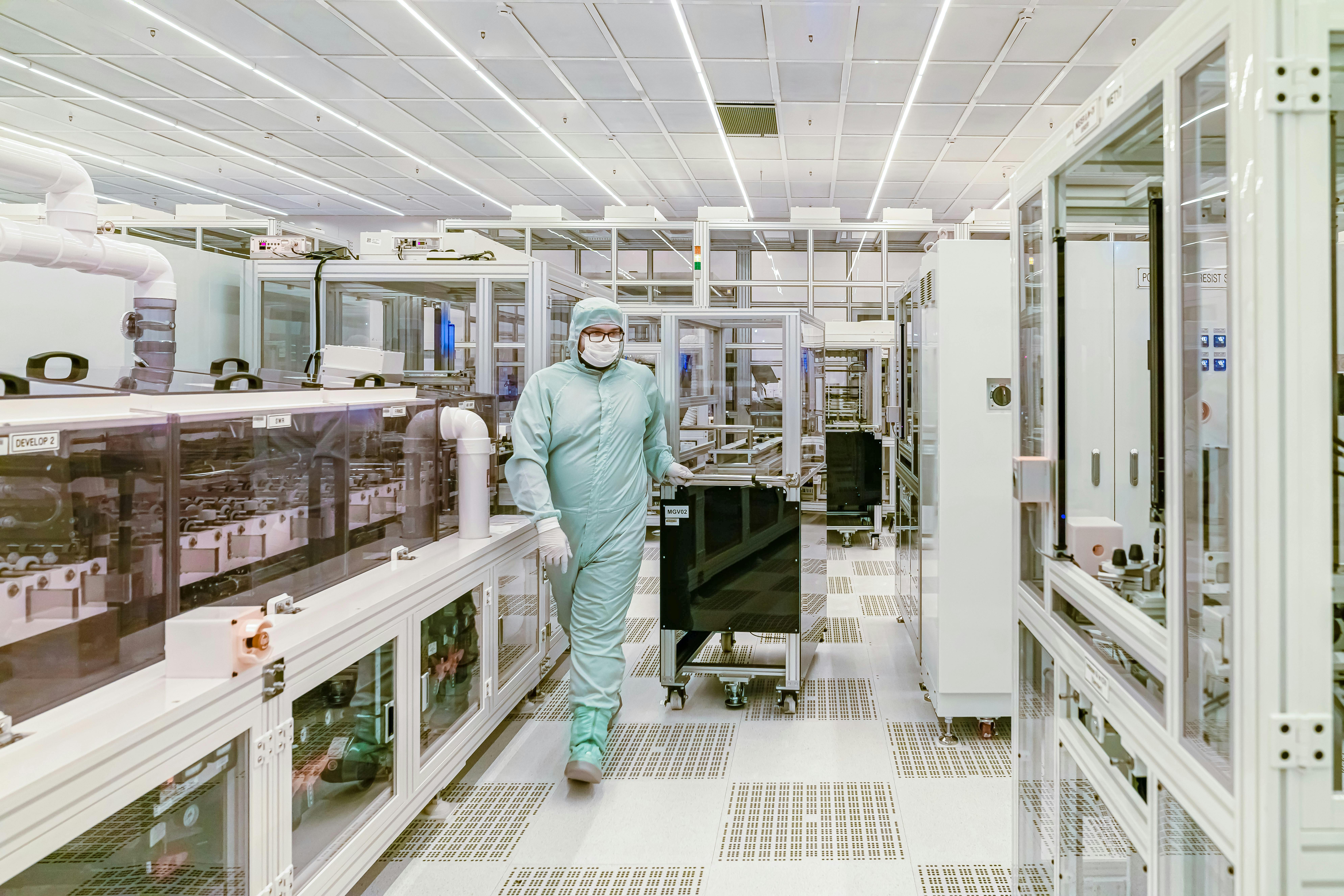
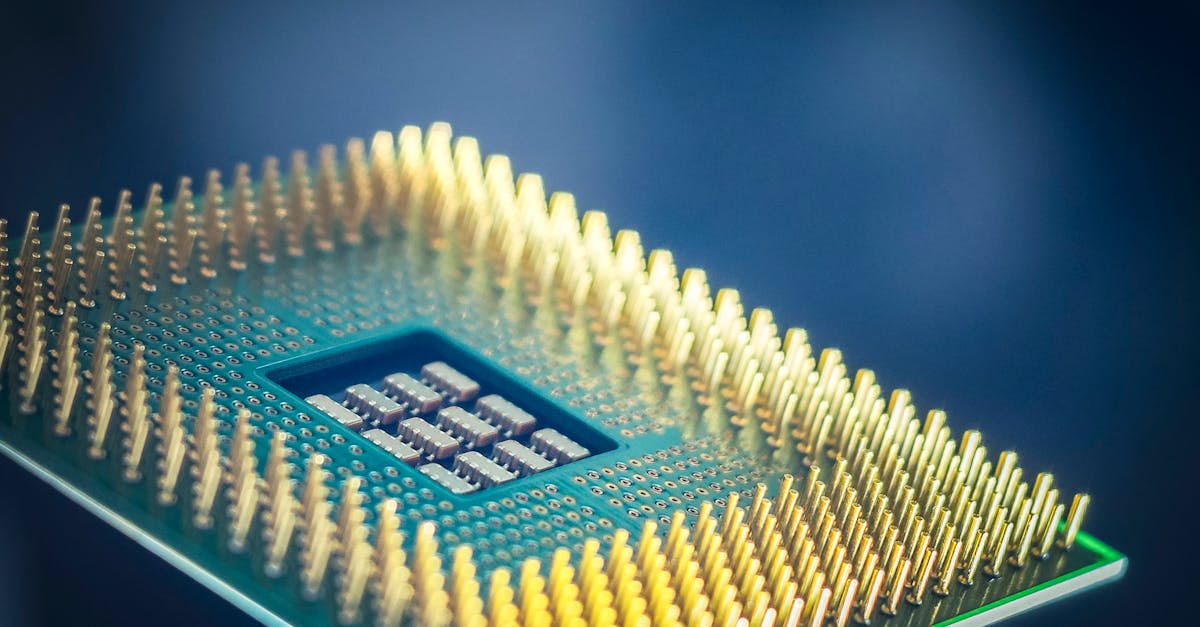
Two companies sit at the center of that concentration. The New York Times noted in its reporting on Samsung’s labour dispute that Samsung Electronics and SK Hynix together account for more than 40 per cent of the KOSPI’s total market capitalisation. In practice, that means South Korea’s benchmark no longer trades like a broad read on the domestic economy alone. It trades like a high-volatility proxy for the global semiconductor cycle.
Just days earlier, CNBC reported that the AI boom had reshuffled global market rankings, pushing South Korea ahead of the U.K. and making it one of the clearest beneficiaries of investor demand for memory and compute exposure. The same structure now explains why volatility has jumped so quickly. When the market’s heaviest weights drive the index higher, global capital floods in faster. When sentiment on those same stocks turns, there is no broad sector mix to absorb the blow.
The insider perspective is important here because the chip story is no longer only about quarterly demand. It is also about execution risk. CNBC’s reporting on the threatened Samsung strike and the BBC’s account of the AI bonus dispute showed how quickly labour tensions, pay disputes and production concerns can spill into a market that treats Samsung as a national champion and an index anchor at the same time. In a broader benchmark those stories would matter to one sector. In Korea they can move the whole market’s mood in hours.
Support mechanisms, too, come with a price. Bloomberg’s analysis of the weak won despite the stock rally and Korea JoongAng Daily’s reporting on expected passive inflows suggest that MSCI reweighting and benchmark demand may help keep capital coming into Korea over time. Yet that same mechanism increases dependence on a narrow set of megacap winners. Passive money can soften an exit. It cannot diversify the market.
Retail buyers take the other side
For households, the shock lands differently. Local and international reporting has described retail traders stepping in as foreigners sell, a split that can keep daily trading orderly while also transferring more risk to households and short-term money backed by margin debt. That is the user-affected side of this story. A market that looks resilient at the index level can still leave late buyers owning the most volatile expression of the AI trade.
There are two ways to read that retail bid. The optimistic version is that local investors understand the structure of the rally and are willing to own Samsung and SK Hynix through a rough patch because the medium-term chip demand story remains intact. The darker version is that a period of foreign profit-taking is being met by buyers who are chasing what already worked, with less room to absorb another jump in yields or oil. Either way, the burden of stability shifts inward.
More broadly, the past week looks less like a verdict on Korea than a reminder of how global money now uses the market. Foreign funds do not need to be bearish on the country’s long-term prospects to cut risk. They only need to decide that one of Asia’s most crowded technology trades no longer compensates them for currency risk, geopolitical stress or the chance that chip exuberance pauses. Once that happens, Seoul’s volatility becomes a referendum on global positioning as much as on local fundamentals.
Watch the same three variables now. If the won steadies, oil retreats and the semiconductor leaders keep delivering, South Korea can plausibly resume acting as a preferred Asia AI market after a sharp rebalance. If not, the recent selloff will be remembered as the moment investors stopped treating the KOSPI as a diversified national index and started treating it as what it increasingly is: a high-beta, semiconductor-heavy barometer of how much risk the world wants to carry.

Marcus Holloway
Markets editor covering UK gilts, sterling and the Bank of England. Previously a fixed-income strategist in the City.