Asia's chip titans create single-point stock market risk
TSMC, Samsung and SK Hynix now dominate Taiwan and South Korea's stock indices, creating concentration risk as hyperscalers pour $500 billion into AI infrastructure.
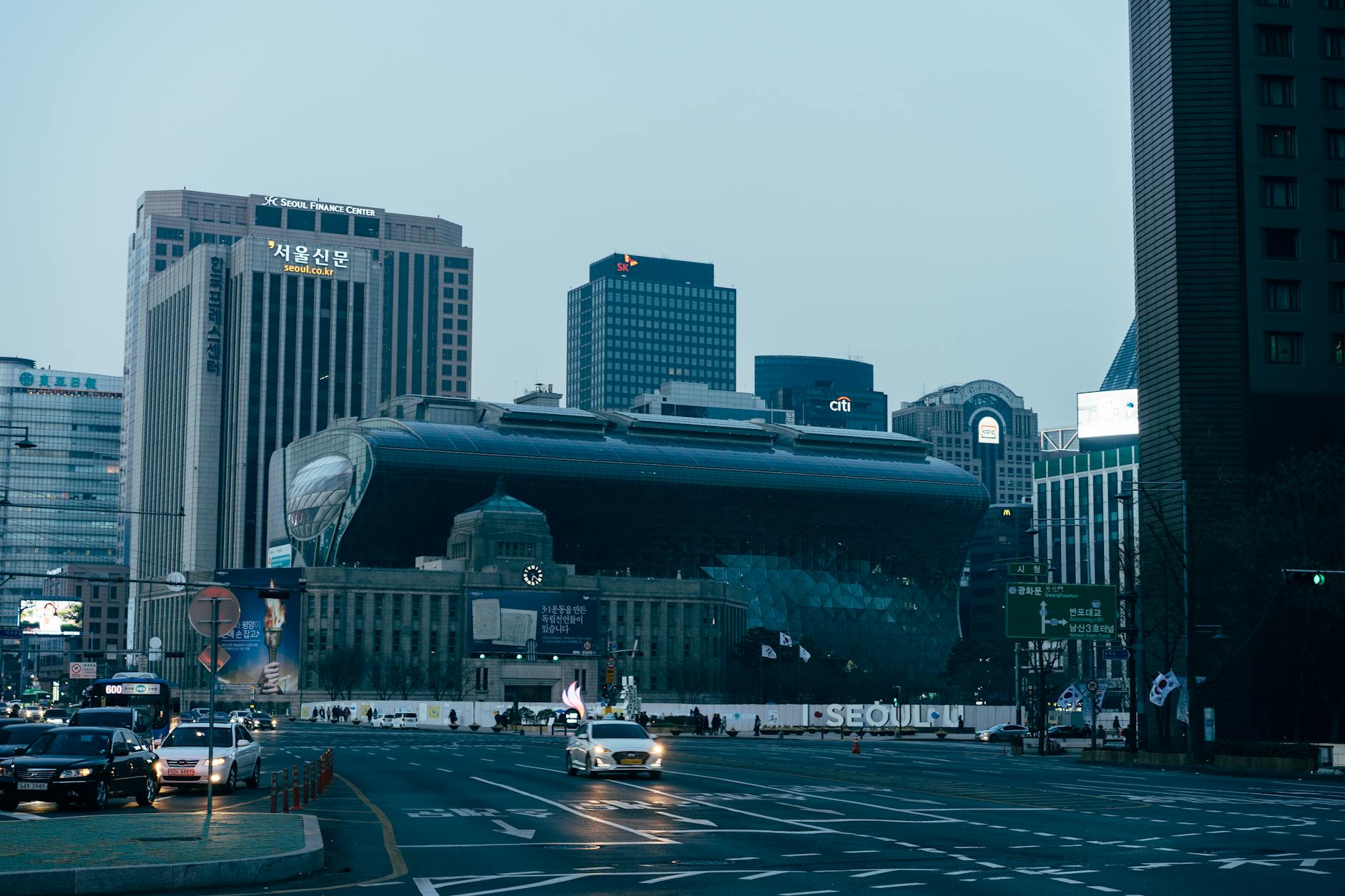
Taiwan Semiconductor Manufacturing Company is now 40 per cent of Taiwan’s Taiex benchmark index. Samsung Electronics and SK Hynix together account for 42.2 per cent of South Korea’s Kospi. Three companies now call the tune in what were once broadly diversified industrial economies — and their grip is tightening by the day.
“In a word, it’s the AI hardware theme that’s clearly what is propelling things,” said Tim Moe, a Goldman Sachs strategist. “Taiwan is well over 80 per cent exposed to AI-related revenue streams while South Korea stands around 60 per cent.”
The numbers behind the dominance are extraordinary. TSMC’s market capitalisation has reached $1.85 trillion — 58 trillion Taiwan dollars — making it one of the most valuable companies on the planet. The Kospi has surged at an annualised rate exceeding 80 per cent in 2026, driven almost entirely by semiconductor names. Hyperscalers — Microsoft, Google, Amazon, Meta — are projected by Goldman Sachs to invest more than $500 billion in AI infrastructure this year alone, nearly all of which flows through a handful of Asian fabrication plants and memory facilities.
But that concentration cuts both ways.
“Some people say Taiwan is just a one-trick pony. That’s just TSMC,” said Qi Wang, chief investment officer for wealth management at UOB. “Longer term, it does increase the concentration risk for both the economy and the stock market.”
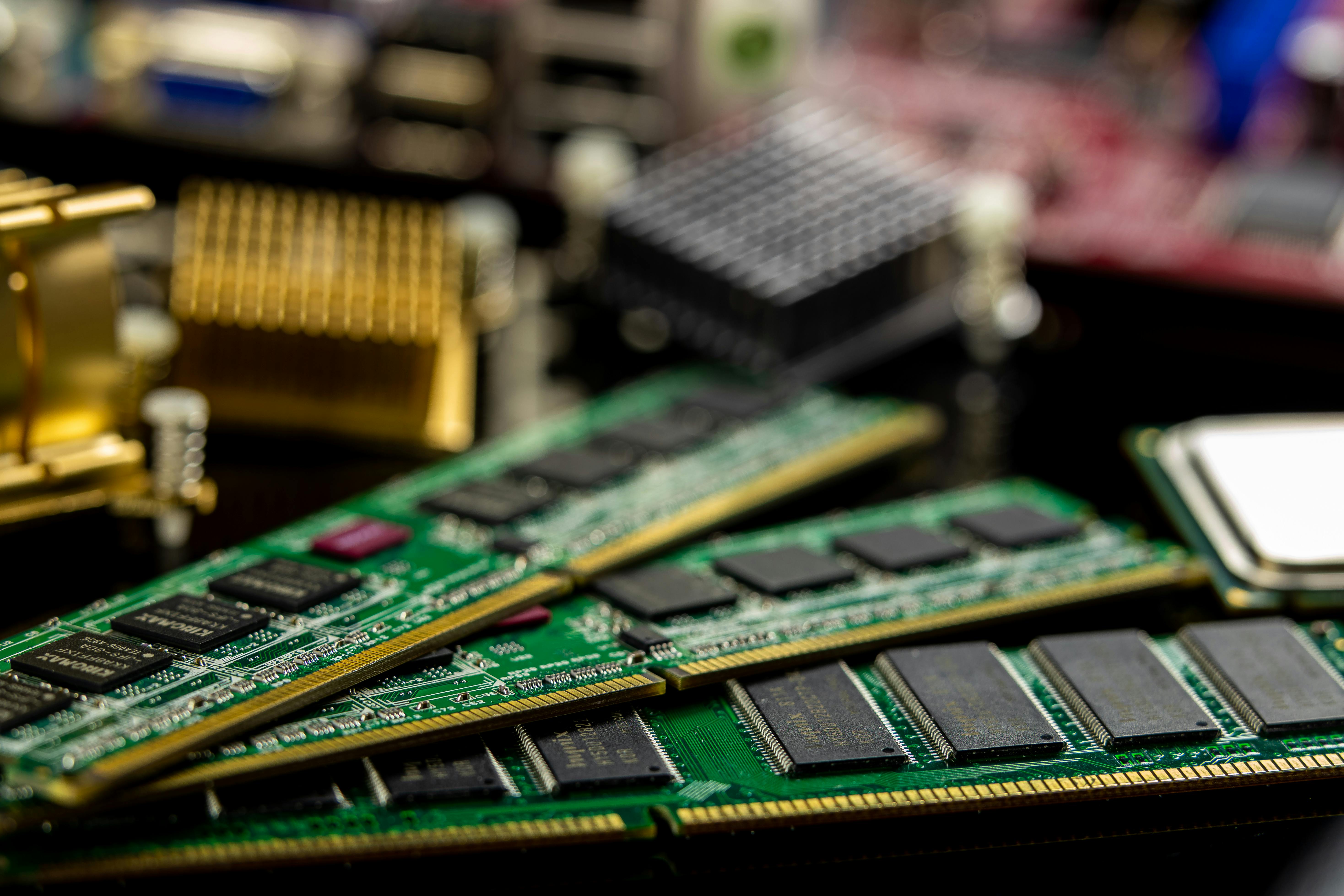
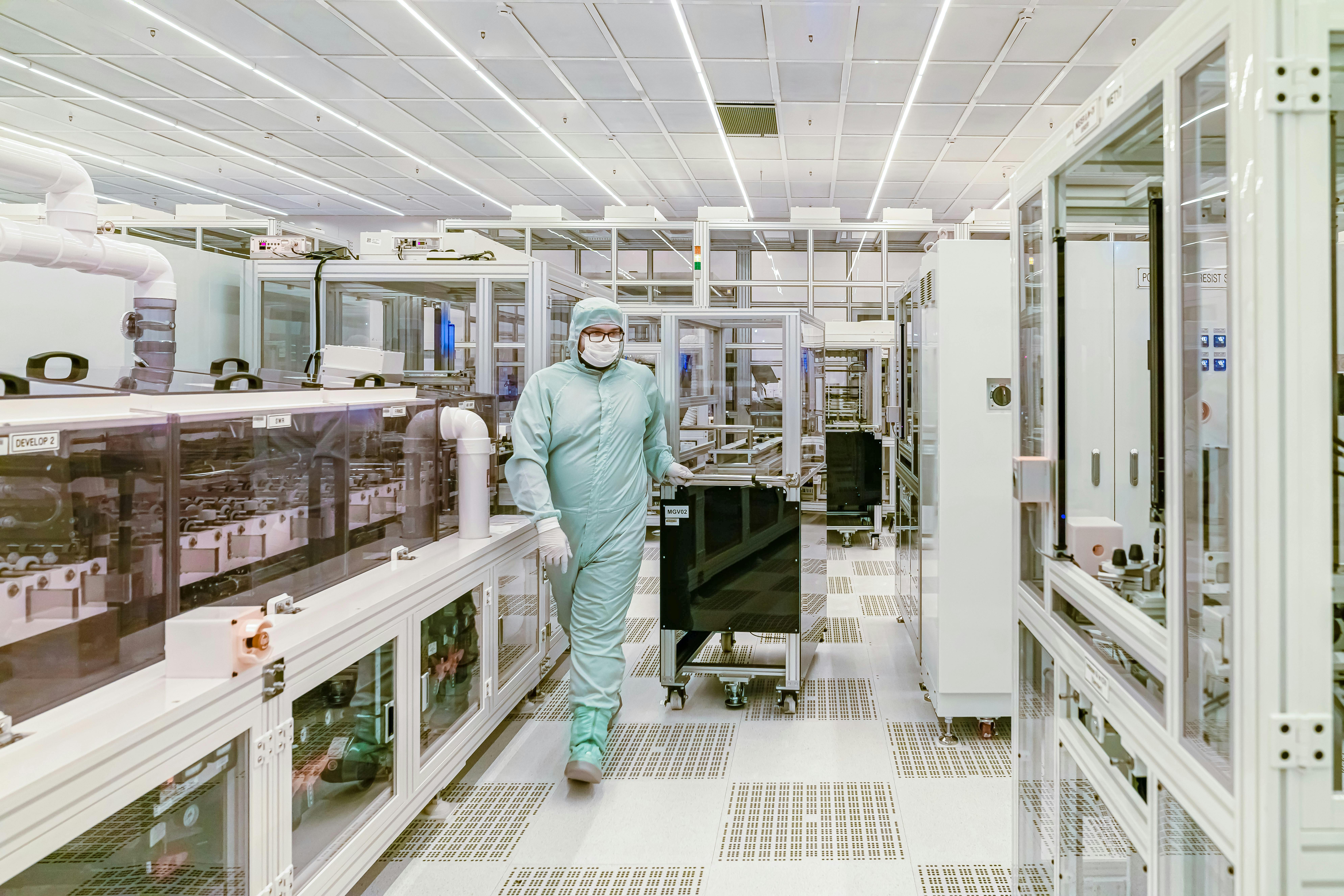
The risk Wang identifies is not hypothetical. More than 90 per cent of the world’s most advanced logic chips are manufactured at TSMC’s facilities in Taiwan, a vulnerability with no near-term fix. South Korea’s high-bandwidth memory — the specialised DRAM that sits next to AI accelerators inside data centres — is overwhelmingly produced by SK Hynix and Samsung, and the supply chain runs through a single geography.
“If that were to break, a lot of allocators will wake up with double risk,” said Florian Weidinger of Santa Lucia Asset Management, referring to the twin exposure of equity concentration and geopolitical fragility.
Beyond geopolitics, a quieter supply-side constraint is compounding the problem. TSMC’s most advanced N3 fabrication node is now roughly 60 per cent allocated to AI-related orders, according to SemiAnalysis, and HBM capacity is sold out through 2027. Smartphone makers and automakers are being pushed down the priority list. Industrial chip buyers further down the chain face the same squeeze — a dynamic that ripples well beyond the tech sector.
“Who loses allocation when the next capacity squeeze hits is the question nobody in procurement wants to answer out loud,” said one supply chain strategist familiar with the allocation process, speaking on condition of anonymity because the negotiations are commercially sensitive.
The concentration cascade
The mechanism by which a single company comes to dominate an index is not complicated. When TSMC’s share price rises — it has gained more than 40 per cent in 2026 — passive funds tracking the Taiex must buy more of it. That buying pushes the price higher, which increases the weighting, which forces more buying. And the same self-reinforcing loop operates in Seoul, amplified by the fact that Samsung Electronics and SK Hynix are the only two Korean names with meaningful AI exposure.
Mixo Das, head of Korea and Taiwan equity strategy at JPMorgan, has flagged the dynamic in client notes. The concentration is self-reinforcing in a bull market, self-punishing in a downturn — precisely the pattern that has caught allocators off guard in past cycles. But the sheer scale of this episode has no modern parallel. Taiwan’s weighting in the MSCI Emerging Markets index has ballooned past 20 per cent, a level at which single-country risk begins to dominate the diversification that the benchmark is supposed to provide.
Not every investor is alarmed. The bull case is straightforward: AI demand is real, the infrastructure buildout has years to run, and the few companies capable of manufacturing at the cutting edge have an impregnable moat. TSMC’s technology lead over Intel and Samsung’s foundry division is measured in years, not quarters. No greenfield fab closes that gap quickly.
Yet the counterargument is not that the thesis is wrong — it’s that the thesis is priced in. When three companies account for more than 40 per cent of two of the world’s fastest-growing stock indices, the margin for error is slender. A single earthquake or an escalation in the Taiwan Strait would reset valuations across both markets. So would a single quarter of softer-than-expected hyperscaler capital expenditure.
What the allocators are doing
So far, the response from institutional capital has been muted. Most global emerging-market funds are structurally overweight Taiwan and South Korea relative to benchmarks, and the AI trade has rewarded that posture handsomely. But the conversations are shifting.
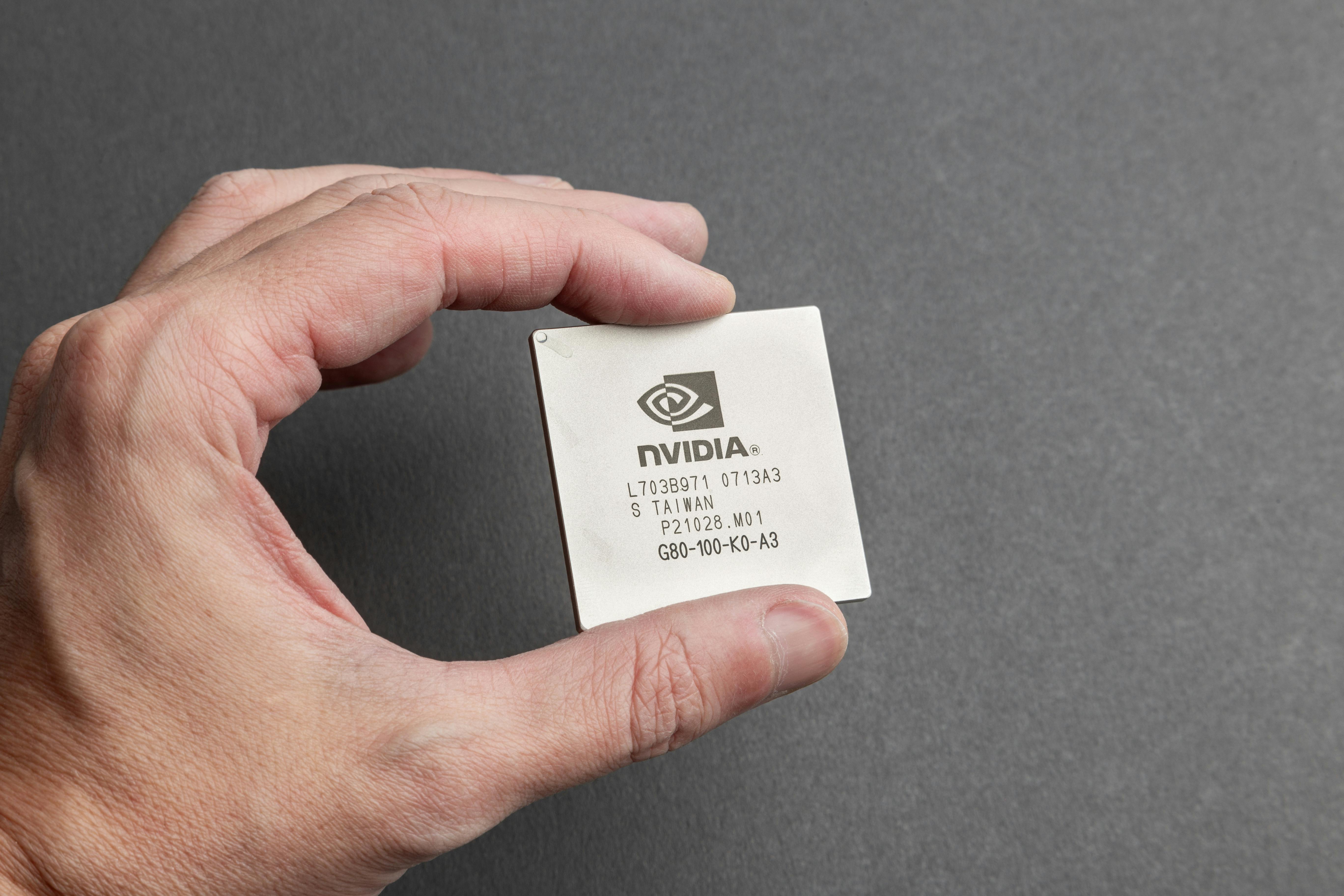
Several large asset managers have begun stress-testing portfolios for a Taiwan disruption scenario, modelling the second-order effects on everything from Apple’s iPhone production to Nvidia’s GPU deliveries. By one estimate, a six-month halt at TSMC’s Hsinchu campus would cut global AI compute capacity growth by more than half for the year. Because the concentration risk is lodged at the very centre of the global economy’s most important production chain, it is not merely a valuation concern — it is a physical supply question with no obvious diversifier.
The semiconductor supply chain has absorbed disruptions before. The 2011 Thailand floods. The 2016 Kumamoto earthquake. The 2021 drought in Taiwan. But never at a moment when a single node and a single geography carried this much of the world’s most strategically sensitive manufacturing.
South Korea’s position is different but not safer. Samsung’s foundry business trails TSMC, and SK Hynix’s HBM dominance depends on a technology lead that competitors are spending aggressively to close. If either stumbles, the Kospi’s concentration works in reverse — and the Korea Herald has described the resulting index behaviour as a “distorted expansion” in which a handful of stocks mask weakness across the broader economy.
Forward look
The concentration will not resolve itself. TSMC is building fabs in Arizona and Japan, with a German plant also in development, but those facilities will not replicate the scale or sophistication of its Taiwan operations for years. Samsung’s foundry ambitions require billions more in capital expenditure at a moment when the company’s memory business is absorbing most of the investment. SK Hynix is racing to stay ahead of Micron and Samsung in next-generation HBM.
For allocators, the uncomfortable arithmetic comes down to this: to bet on AI, you must bet on Taiwan and South Korea. To bet on Taiwan and South Korea, you must bet on three companies. And to bet on three companies, you must believe nothing breaks. It is the kind of concentrated wager that portfolio theory was designed to dismantle — and yet the structure of the chip industry leaves no alternative.
The Diplomat captured the structural dimension of the problem in a 2025 analysis, noting that South Korea’s semiconductor dependence has moved from an export strength to a single-point economic vulnerability. The same conclusion now applies to Taiwan, magnified by the fact that its leading company is also the world’s most geopolitically exposed manufacturer of an irreplaceable product.
For now, the flows continue. For now, the thesis holds. But the assumptions underpinning Asia’s fastest-growing stock markets have narrowed to a wafer-thin proposition — literally and figuratively.
Kai Mendel
Technology editor covering fintech, AI and the platform economy. Reports from San Francisco.