AI Rally Broadens Beyond Chips Before Nvidia Earnings
Wall Street strategists say the AI bull market is entering a new phase where software and services overtake chipmakers as the primary driver of market gains, with Nvidia's May 20 earnings report serving as the next major test.
Wall Street strategists are calling the current technology earnings season a super wake-up call for investors who assumed the artificial intelligence trade would remain concentrated in semiconductor stocks, as a string of better-than-expected quarterly reports shows AI spending spreading into enterprise software, cloud services, and consumer-facing applications at a pace that is reshaping the investment landscape.
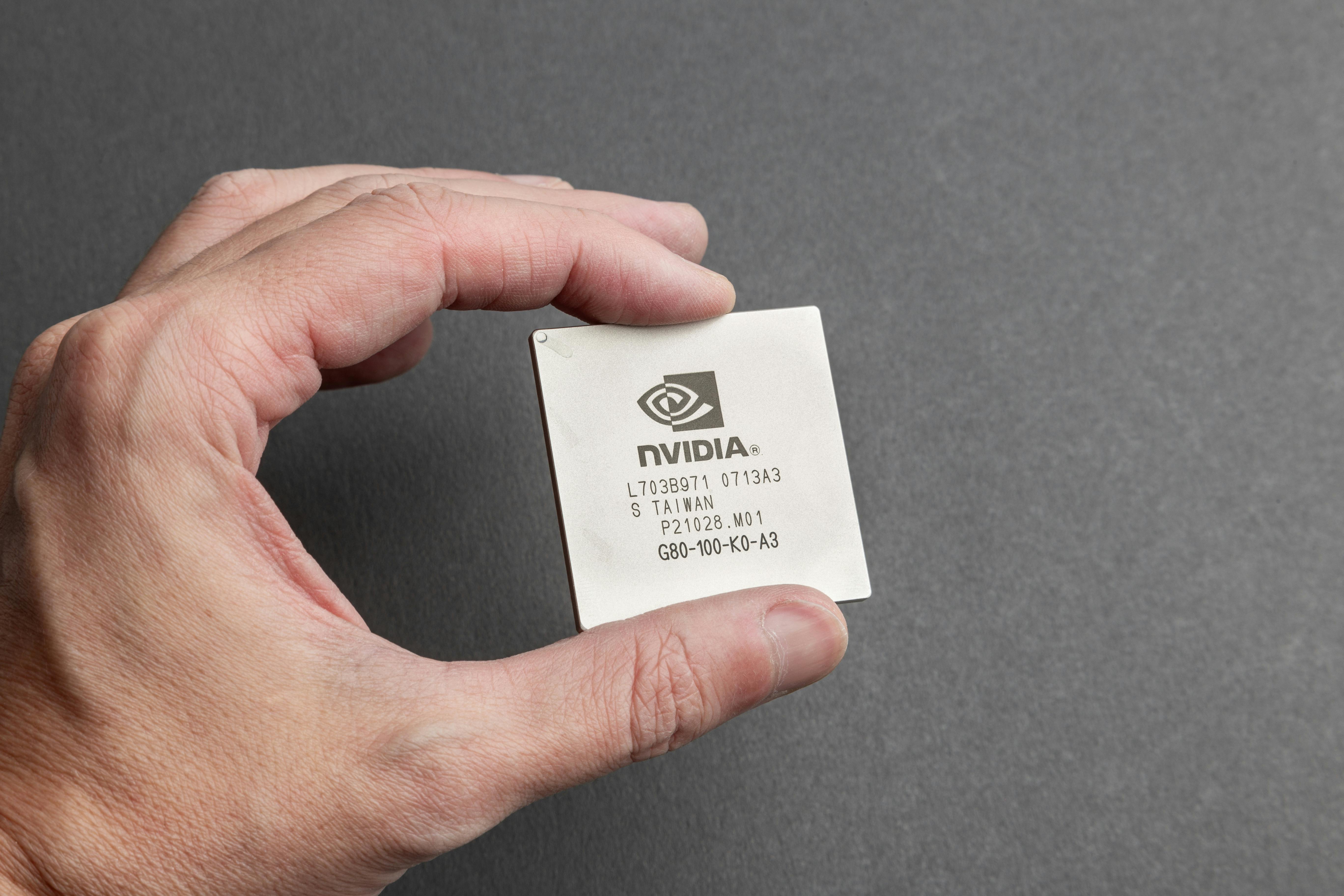
Chip stocks have surged, with the Philadelphia Semiconductor Index up 38 per cent over the past month. South Korea’s Kospi Composite Index has gained 85 per cent this year, lifted by AI-exposed manufacturers whose fortunes are tied to the buildout of data centres from Northern Virginia to Malaysia. Nvidia, the undisputed bellwether of the chip trade, closed at an all-time high of $219.44 on Monday and reports earnings on May 20, with Data Center revenue already up 75 per cent year-over-year in its most recent quarter.
The software pivot
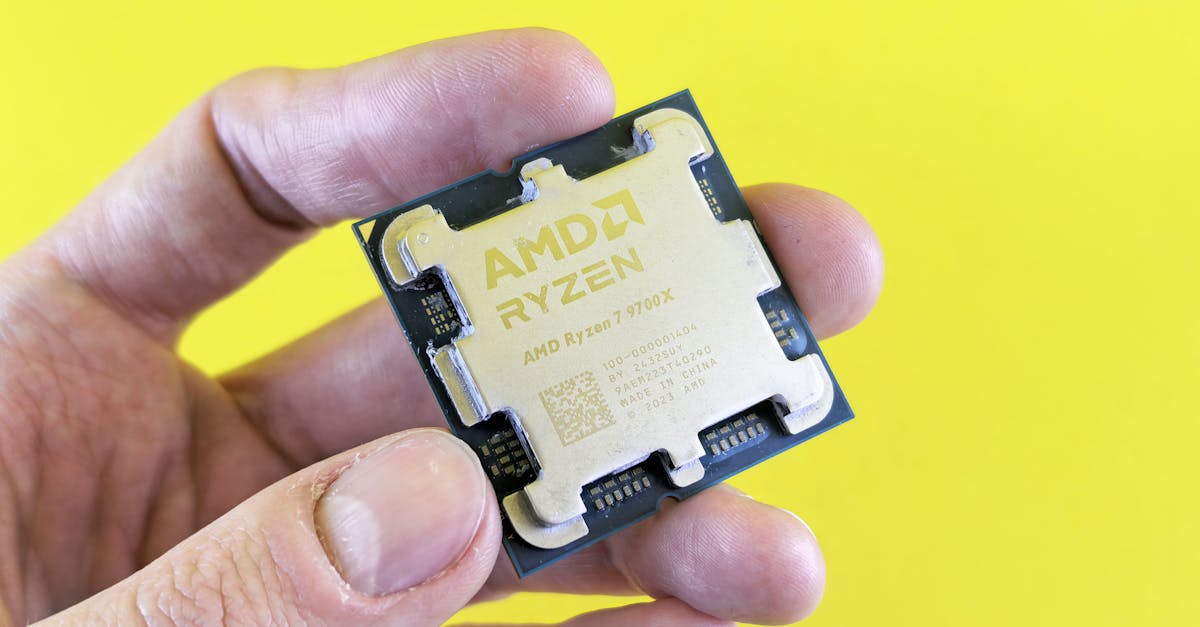
But the most significant development, Wedbush strategists wrote in a note this week, is not the chipmakers’ numbers. “The monetisation phase of the AI era has only just begun, and the winners are not limited to leaders in AI computing infrastructure such as AMD, Intel, NVIDIA, and Micron,” the note said. The firm named enterprise software, AI-powered cloud services, and consumer applications as the next frontier — areas where corporate spending on artificial intelligence is beginning to show up in revenue lines rather than just capital expenditure budgets.
Dan Ives, managing director at Wedbush Securities and one of the most vocal AI bulls on Wall Street, told CNBC that demand for AI chips still runs at a 10-to-1 ratio over supply. “These earnings have validated the AI bullish thesis,” Ives said. “We are in the early days still of the AI revolution.” He predicted the Nasdaq composite would reach 30,000 by the end of 2026, a target that implies a roughly 15 per cent rally from current levels over the remaining seven months of the year.
That earnings cycle, covered earlier by this site, saw 94 per cent of technology-sector companies beat analyst estimates in the first quarter. The firm described it last week as a reckoning for AI sceptics, noting strength not only in chips and cloud infrastructure but also in the enterprise software names overlooked during the first wave of AI investment. The bar for what counts as a disappointment heading into Nvidia’s May 20 report is now higher than it has ever been.
This broadening is not just anecdotal.
A mid-cycle moment
Investors can see the shift in the data. The equal-weighted Nasdaq 100 has outperformed its market-cap-weighted counterpart over the past month, a sign that the rally is lifting a wider set of companies beyond the trillion-dollar giants that dominated the first two years of the AI buildout. Paul Tudor Jones, the billionaire founder and chief investment officer of Tudor Investment, offered a parallel assessment, telling CNBC that the “supercycle AI bull market has completed about 50 per cent to 60 per cent of its journey and can last another one to two years.” His framing casts the current moment as a mid-cycle transition rather than a peak. Tudor Investment is among a growing cohort of hedge funds positioning for an expansion of AI-related spending into healthcare, finance, legal services, and logistics — industries where the productivity gains from large language models and agentic AI systems are only beginning to appear in corporate balance sheets.
Ed Yardeni, founder of Yardeni Research, has flagged the concentration risk in AI-exposed indexes as a vulnerability. His widely followed market indicators remain in expansionary territory, however, and he has not called a top. The tension between the bulls’ mid-cycle thesis and the bears’ valuation concern is likely to define market narrative through the summer.
The May 20 test
For Nvidia, earnings week arrives with a market capitalisation now above $5 trillion and a valuation that leaves limited room for disappointment. Its guidance for the current quarter will be the most consequential single data point for the AI trade this month. Analysts are watching for any sign that hyperscaler capital expenditure — the engine of Nvidia’s Data Center revenue — is plateauing after two years of breakneck growth. A guidance miss would test whether the broadening thesis is valid or if the market remains tied to the chipmaker that has become the proxy for AI sentiment.
What happens next will be decisive. Nvidia’s earnings are the immediate catalyst. Beyond that, second-quarter GDP data from the United States, the trajectory of Federal Reserve rate policy, and the strength of corporate IT budgets will determine whether the AI rally’s second act outpaces its first.
Right now, the market is pricing in the Wedbush thesis. The Nasdaq composite rose 12 per cent in the first quarter and has added further gains in the current quarter. Every major earnings report from the hyperscale cloud providers — Amazon Web Services, Microsoft Azure, and Google Cloud — showed accelerating AI-related revenue during the April reporting cycle, lending weight to the argument that demand for AI compute is translating into real economic activity beyond the semiconductor supply chain. The question is no longer whether AI will transform the economy. It is whether investors are positioned for where that transformation is headed next.

Kai Mendel
Technology editor covering fintech, AI and the platform economy. Reports from San Francisco.