Big Tech earnings deliver 'wake-up call' to AI skeptics, Wedbush says
First-quarter results from the largest U.S. technology companies showed AI-driven demand holding firm across chips, cloud infrastructure, and enterprise software, with 94 percent of the sector beating earnings estimates.
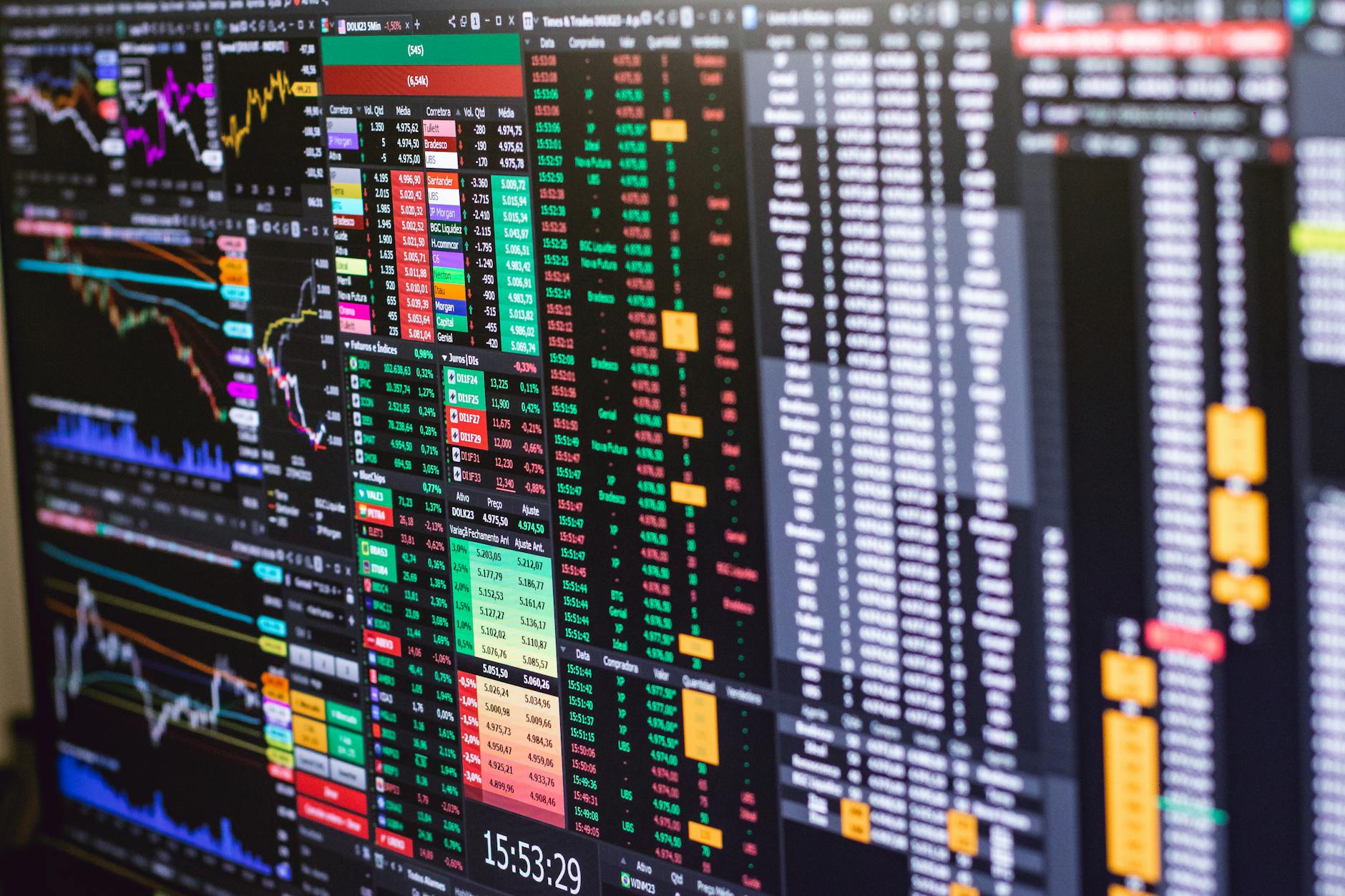
Technology companies within the S&P 500 delivered a 94 percent beat rate on first-quarter earnings estimates, far outpacing the 84 percent rate for the index as a whole. Wedbush analysts called the results a “wake-up call” for investors who doubted the durability of AI spending across chips, cloud infrastructure, and enterprise software.
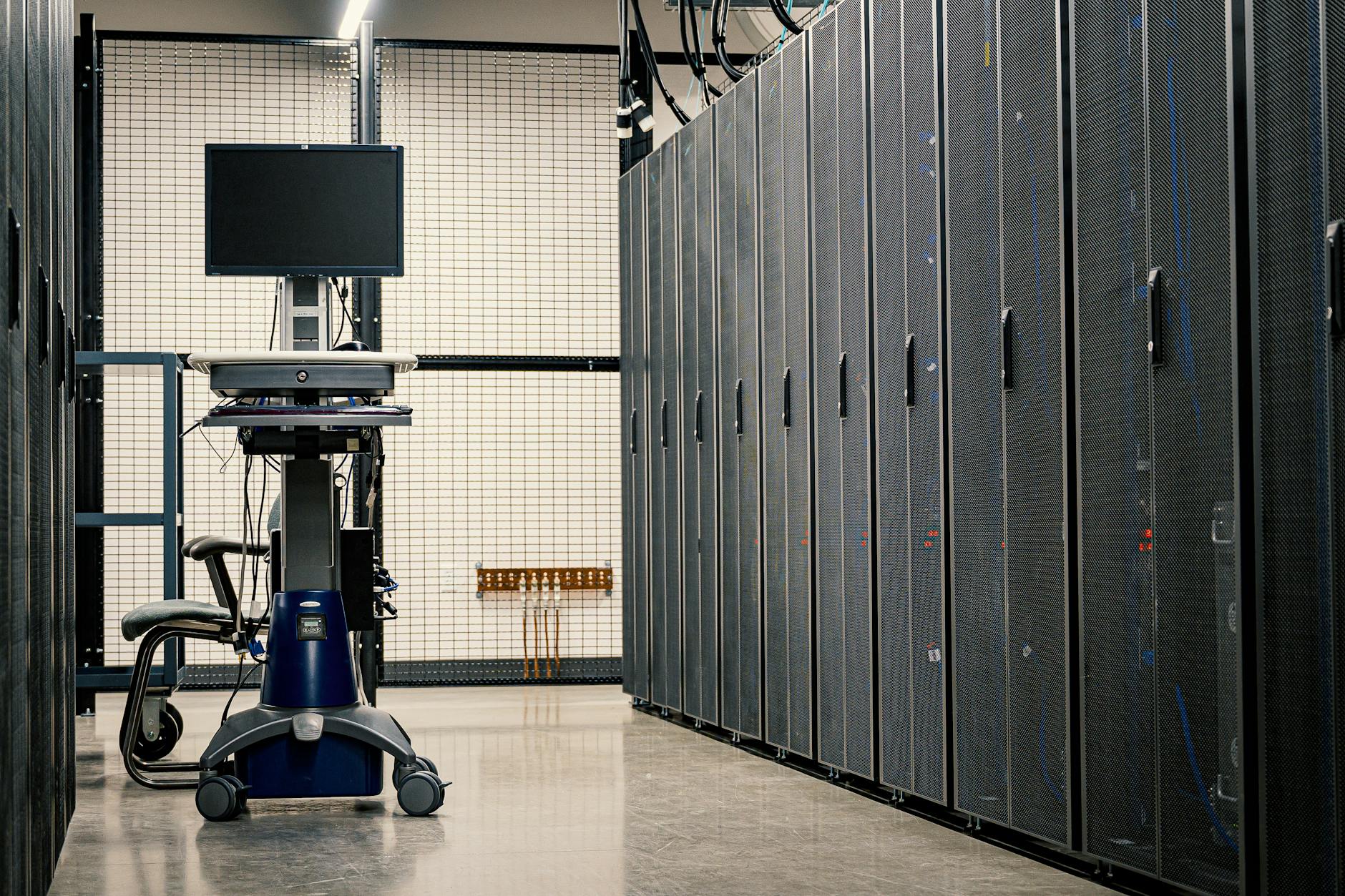
The so-called Magnificent Seven — Apple, Microsoft, Alphabet, Amazon, Nvidia, Meta, and Tesla — have surged more than 25 percent since the end of March, outpacing the S&P 500’s own 16 percent advance over the same window. Cloud-computing backlogs swelled at all three major hyperscale providers, with Microsoft Azure, Amazon Web Services, and Google Cloud each reporting accelerating revenue growth in the quarter. Enterprise AI workloads moved from proof-of-concept trials to production deployments at a pace that surprised even some company insiders, according to earnings call transcripts reviewed by Seeking Alpha.
“Overall this earnings season has been a ‘wake up call’ for the tech skeptics on the sideline of the AI Revolution,” Wedbush analysts wrote in a note published Monday. “We are seeing no cracks in AI demand on the chips/hardware or software front which gives us a bright green light to own the core tech winners into year-end.”
Dan Ives, who leads the firm’s technology equity research, told clients the quarter demonstrated that demand for semiconductors, related hardware, and AI-inflected software “remains aloft.” The firm pointed to enterprise software bookings as a forward indicator that the buildout has not peaked. Companies are no longer just experimenting. They are signing multiyear deals with AI-native features priced in, and those contract values are showing up in the revenue lines of Microsoft, Salesforce, and ServiceNow. Microsoft and Salesforce both cited AI-specific bookings growth above 50 percent year-over-year on their calls, a metric that did not exist in earnings presentations two years ago.
That confidence extends beyond Wedbush. DataTrek Research co-founders Nicholas Colas and Jessica Rabe noted in their own client commentary that the earnings season validated a thesis that had been under pressure: AI capital expenditure, however enormous, is translating into measurable revenue growth across the stack. The chain runs from the chipmakers supplying the infrastructure to the hyperscale cloud providers monetizing the capacity and down to the software companies embedding AI models into products customers are paying for. Every link in that chain reported numbers above the Street’s consensus in the first quarter.
The S&P 500 has climbed 16 percent since the end of March, a rally that owes much of its thrust to the technology and communication-services sectors. The Magnificent Seven alone are projected to grow earnings per share by 34 percent in 2026, according to Investopedia’s analysis of consensus estimates. That growth rate would justify a significant portion of the valuations that skeptics have called stretched.
Not everyone is unreservedly bullish. Morgan Stanley equity strategy lead Michael Wilson has cautioned in recent notes that while earnings are undeniably strong, the bar for the second half of the year is now higher. The market may be pricing in near-perfection, and the risk is not that AI demand collapses but that the rate of upside surprise — the magnitude by which companies clear the consensus bar — begins to narrow as estimates catch up with the reality of how much revenue AI workloads are actually generating. Wilson’s note stopped short of calling the rally unsustainable. But it made clear that the easy phase of beating lowered expectations is over.
The quarter did not produce a single high-profile miss among the megacap names.
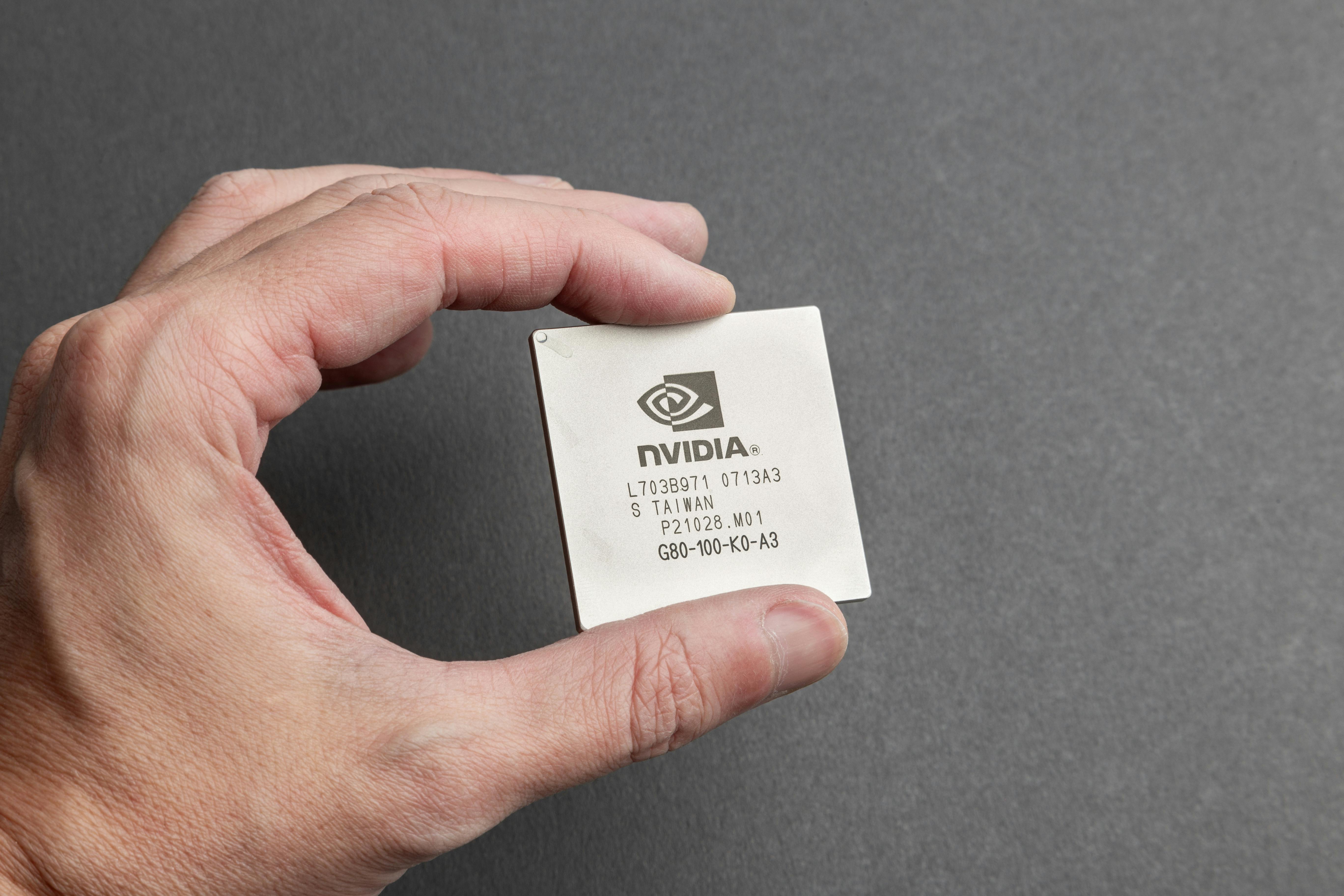
The forward question is whether Nvidia, the company at the center of the AI hardware buildout, can extend the streak when it reports its own results in the weeks ahead. Wedbush called the chipmaker’s upcoming print the “next catalyst” for the sector. Demand for Nvidia’s forthcoming Blackwell Ultra architecture is widely expected to outstrip supply through at least the end of the calendar year, and the company’s data-center revenue run rate has roughly doubled in the past twelve months. Supply-chain checks indicate lead times for the current-generation H200 platform remain stretched past twenty weeks in some configurations, suggesting the upgrade cycle has further to run. Nvidia reports its results in the weeks ahead.

Kai Mendel
Technology editor covering fintech, AI and the platform economy. Reports from San Francisco.