Kansas judge blocks youth gender-care ban pending appeal
A Kansas judge temporarily blocked key parts of the state's ban on gender-transition treatments for minors, handing parents an early court win.
A Kansas state judge on Friday temporarily blocked enforcement of a law banning gender-transition treatments for minors, an early win for parents and civil-liberties lawyers challenging state restrictions on medical care for transgender young people.
The order took effect at once.
District Judge Carl Folsom III did not strike down the Kansas statute in full, and he left in place the section banning surgery for minors. His injunction froze the parts covering hormone therapy and puberty blockers while Kansas Attorney General Kris Kobach prepares an appeal. The law, passed in January after Republican lawmakers overrode Democratic Governor Laura Kelly’s veto, now faces a direct court test of how far a state can go in restricting parental medical decisions.
In a 117-page ruling, Folsom said the parents who sued on behalf of two teenagers were likely to show that the state had intruded on “a parent’s fundamental right to make medical decisions for their children,” Reuters reported. The finding was preliminary, not final. But it gave the plaintiffs the immediate relief they had sought ahead of a full trial.
Harper Seldin, an ACLU attorney representing the families, called the ruling “an enormous relief to our clients and families across the state of Kansas.”
For the families in the suit, the question was whether existing treatment could continue while the legal fight plays out, not whether the broader national debate had been settled.
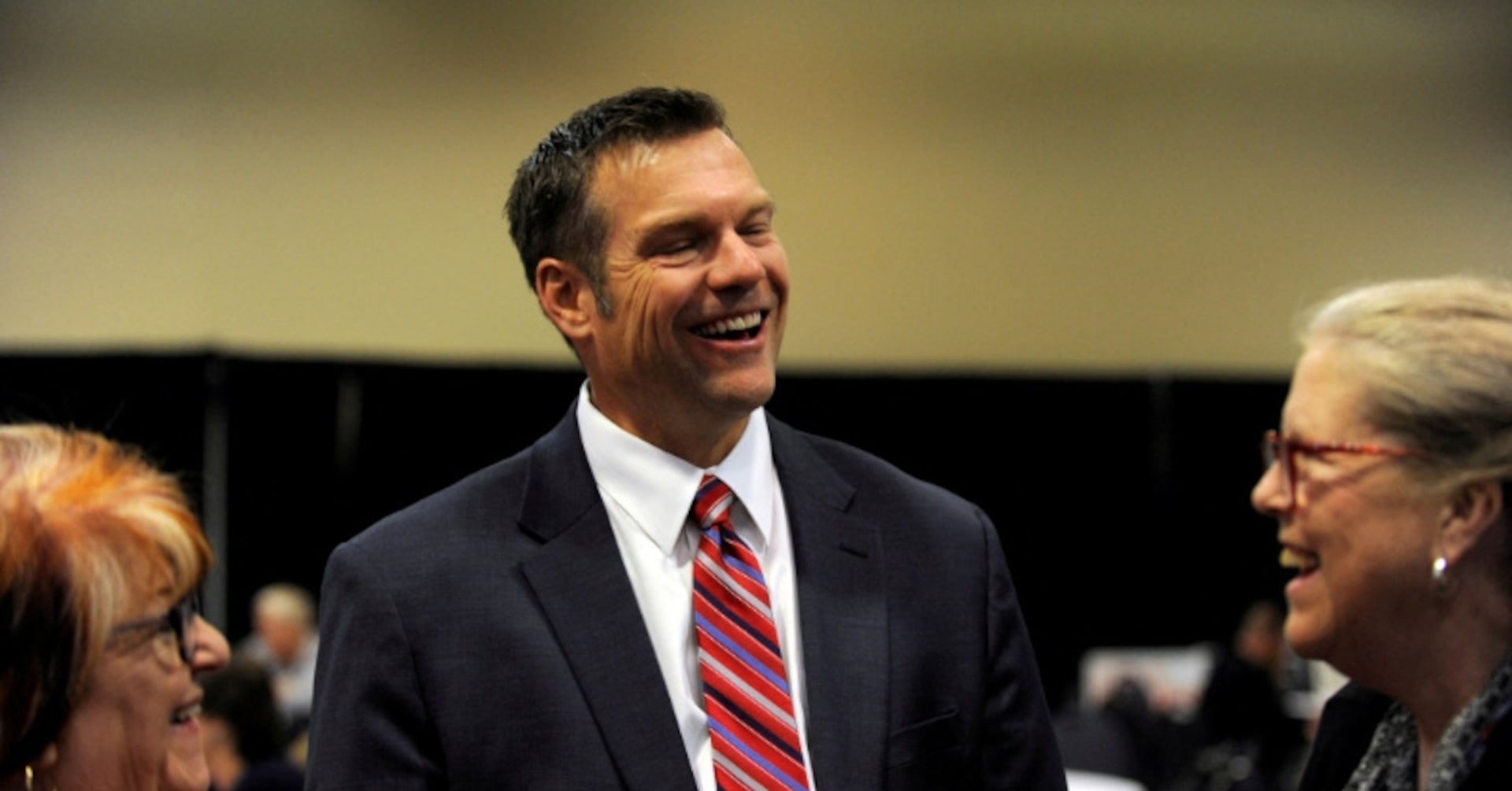
Kobach made clear he intends to fight the ruling. He called the decision “a stark example of judicial activism” and said his office would seek to overturn it, according to the New York Times. His response extended a fight between a Republican-backed law and a state judge who found the challengers’ claims were strong enough to justify pausing enforcement before trial.
What the ruling covers
The Kansas measure, approved by the Republican-controlled legislature in January after lawmakers overrode Kelly’s veto, barred several forms of gender-transition care for minors, Reuters reported. Folsom’s order split that framework in two. The surgery ban remains in force for now. The medication-related provisions are on hold as the lawsuit moves ahead.
Kelly had tried to stop the bill, but the legislature pushed it through anyway. The injunction does not reopen that political fight. It narrows the dispute to a legal question: whether Kansas can enforce the law while parents argue that lawmakers crossed constitutional limits.
Families and providers are waiting. They have won time, not certainty.
The split narrows the immediate reach of the injunction and gives the appeal a defined target. Kansas has not been told it can never enforce the law. The state has been told instead that the families challenging it may be able to prove lawmakers stepped into decisions that normally belong to parents and doctors.
The case lands after the U.S. Supreme Court ruled last year that states can ban gender-affirming care for minors, a decision that pushed more fights into state courts. In Kansas, the families are pressing separate claims under state law, and Folsom’s ruling suggests those arguments may still succeed even as the federal path has grown steeper.
The appeal is expected to move quickly. Kobach has said the state will appeal, and the broader lawsuit will continue in Kansas courts. For now, the injunction buys the two teenagers at the centre of the case more time and signals that, in Kansas at least, judges are willing to scrutinise how far the state can go in overriding parental medical choices.

Ramona Castellanos
US politics correspondent covering Congress, primaries and the Trump administration. Reports from Washington.