Alibaba, Tencent signal AI spending surge despite earnings pressure
Alibaba and Tencent both missed revenue expectations in the March quarter but signalled sharp increases in artificial-intelligence spending, betting that cloud and chip demand will outrun the near-term hit to profits.
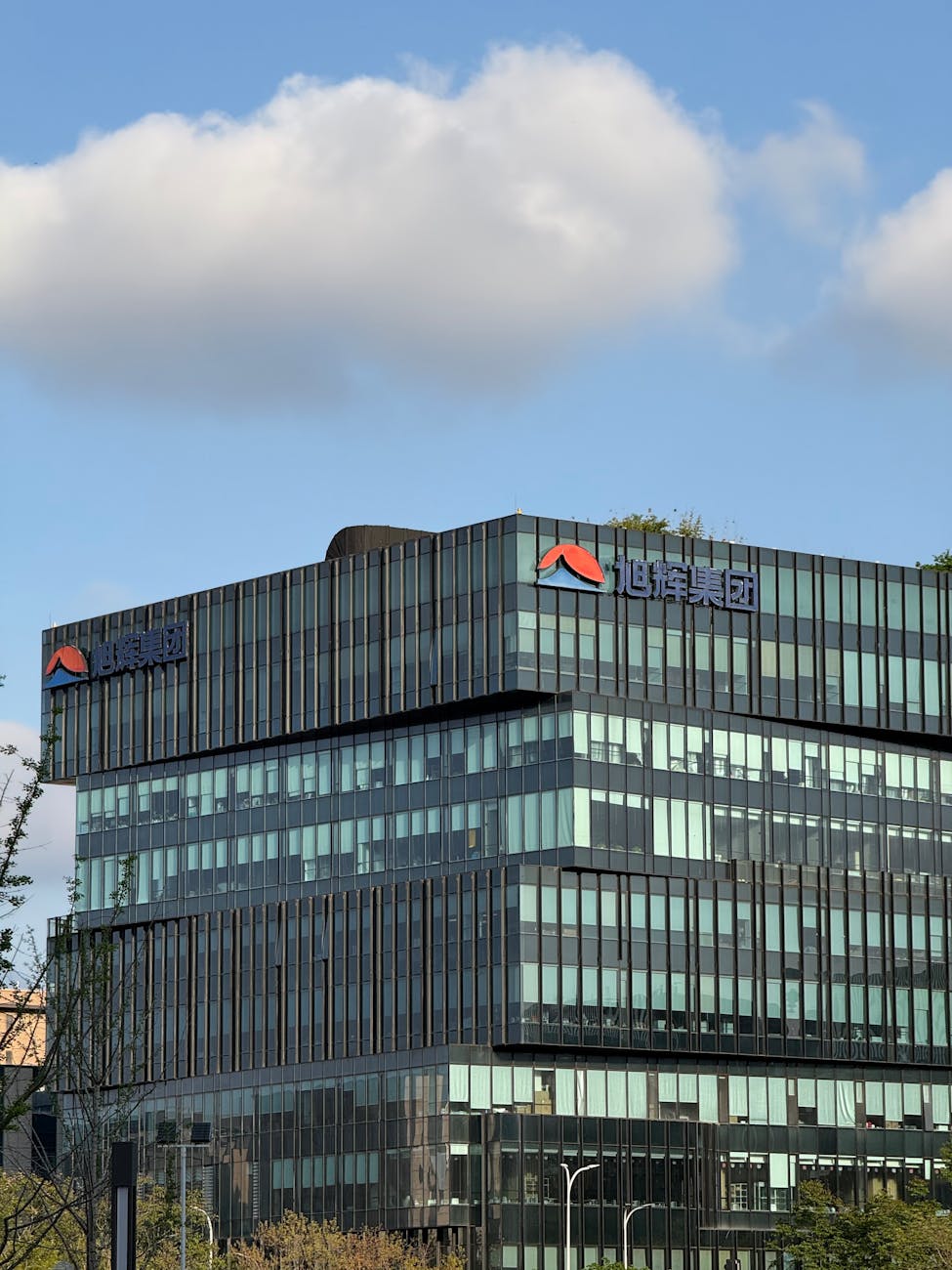
Alibaba and Tencent both missed revenue expectations in the March quarter but signalled sharp increases in artificial-intelligence spending, betting that surging demand for cloud computing and domestic chips will outrun the near-term hit to profits.
Alibaba’s adjusted EBITA — its core profit measure — dropped 84 per cent year on year to 12.2 billion yuan in the three months to 31 March, the company reported on 13 May. It redirected capital into AI infrastructure and cut prices in its core e-commerce business to fend off rivals PDD Holdings and ByteDance.
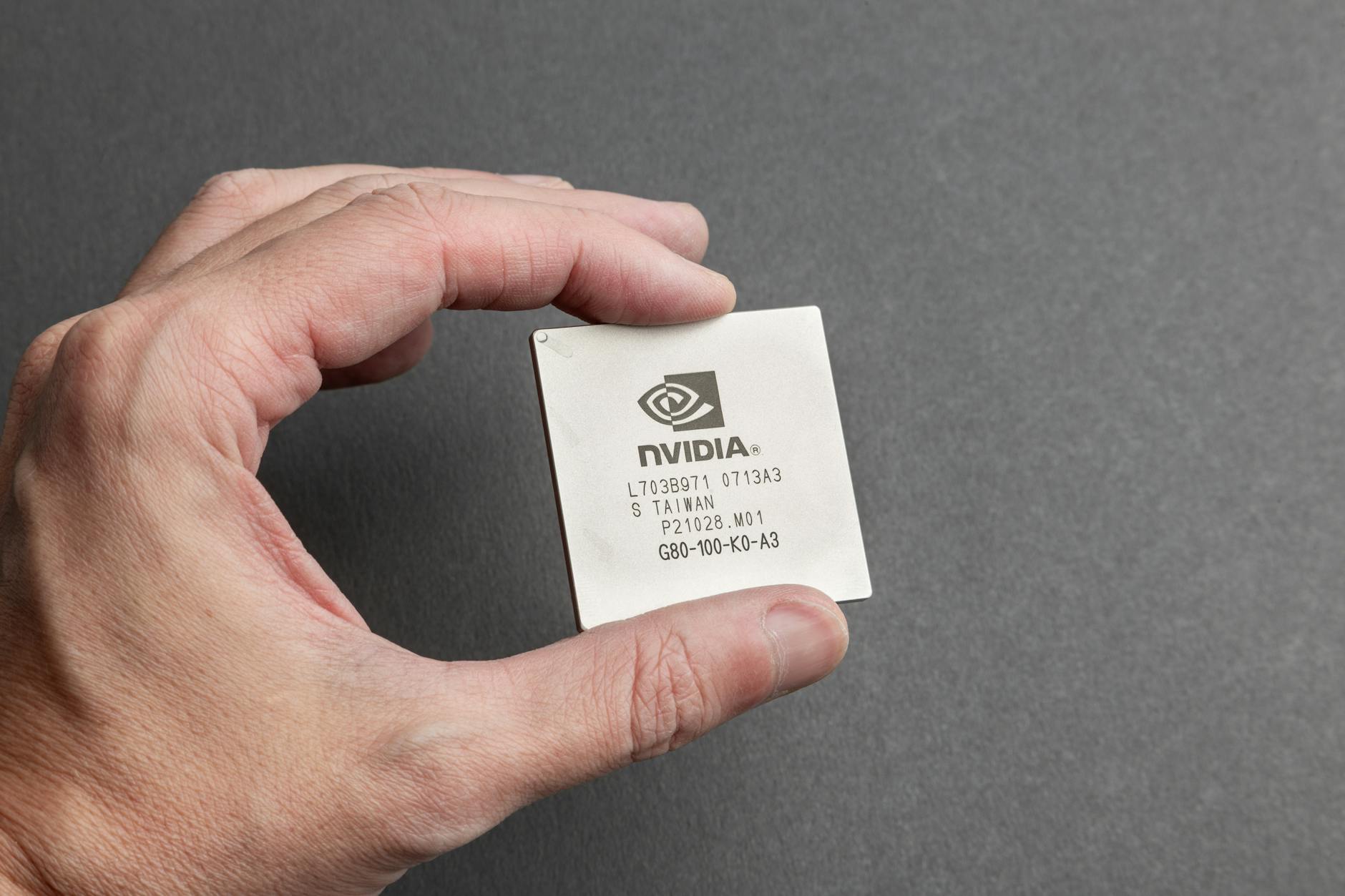
Chief executive Eddie Wu Yongming told analysts that the company’s in-house silicon had insulated it from the US export controls that have throttled Chinese access to Nvidia’s most advanced processors.
“As the only AI cloud provider in China capable of delivering self-developed AI chips at scale, we have secured autonomy over our compute supply chain,” Wu said.
Alibaba’s cloud division grew 38 per cent year on year in the quarter, driven by AI workloads. Wu said utilisation rates across the company’s GPU fleet were running at full capacity.
“I can tell you that today there isn’t a single card on our service that is idle,” he said.
Wu added that Alibaba was likely to exceed its three-year capital expenditure target of 380 billion yuan (US$56 billion). He described the investment cycle as a rational bet on the enterprise AI market. “We see the ROI on this investment in the next three-to-five years as being extremely clear,” he said.
Tencent, reporting a day later on 14 May, posted revenue of 196.5 billion yuan, up 9 per cent but below the analyst consensus of 198.96 billion yuan. Net profit attributable to shareholders rose 12 per cent, also missing forecasts, as the Shenzhen-based company absorbed higher costs tied to its AI build-out.
Capital expenditure hit 31.9 billion yuan, up 63 per cent from the previous quarter, as Tencent expanded data-centre capacity for its advertising, gaming and cloud divisions. Chief strategy officer James Mitchell and president Martin Lau told investors the company would lift 2026 capex substantially from the first-quarter run-rate, though they declined to give a specific figure.
Tencent did not break out AI-attributable revenue but said AI-driven features were lifting user engagement across WeChat and its advertising platform. Mitchell described AI investment as “non-discretionary” for the company’s long-term competitive position.
The wider AI arms race
The spending extends beyond Alibaba and Tencent. ByteDance, the parent of TikTok, has raised its 2026 capital expenditure by at least 25 per cent to roughly 200 billion yuan, people familiar with the matter told the South China Morning Post this week.
All three groups are racing to build data-centre capacity for training and running large language models. At the same time they are developing domestic processors — including Alibaba’s PingTouGe chips and Huawei’s Ascend series — to replace the Nvidia hardware that Washington has progressively restricted from the Chinese market since October 2022.
Alibaba shares rose 2.3 per cent in Hong Kong on 14 May despite the earnings miss. Investors appeared willing to look through the margin compression to the cloud and AI trajectory. Tencent shares edged lower in early Hong Kong trading before recovering to near-flat.
Alibaba and Tencent’s sales disappointed as “AI monetisation efforts fell short”, Nikkei Asia reported. Neither company has yet converted its infrastructure spending into the kind of AI-driven revenue growth that US peers Microsoft and Amazon have begun reporting.
Both leadership teams framed the current spending as an infrastructure investment that would pay off once the enterprise market for AI services matured, a strategy that echoes the capex-heavy approach of the American hyperscalers.
Huawei has emerged as the dominant domestic AI chip supplier. Baidu and SenseTime are competing for enterprise cloud contracts. Well-funded start-ups including DeepSeek and Zhipu AI are pressing the incumbents on model performance.
The March-quarter results show both Alibaba and Tencent are willing to absorb significant margin pressure to lock in compute infrastructure ahead of their rivals.

Kai Mendel
Technology editor covering fintech, AI and the platform economy. Reports from San Francisco.