Trump moves to suspend gas tax amid Iran war
Trump plans to suspend the 18.4-cent gas tax as Iran war pushes prices to $4.52. The proposal requires Congress and drains $500 million weekly.
President Donald Trump said Monday he plans to suspend the federal gasoline tax to blunt the surge in pump prices driven by the nearly three-month-old war with Iran, but the move would require Congressional approval and would drain roughly $500 million per week from the Highway Trust Fund.
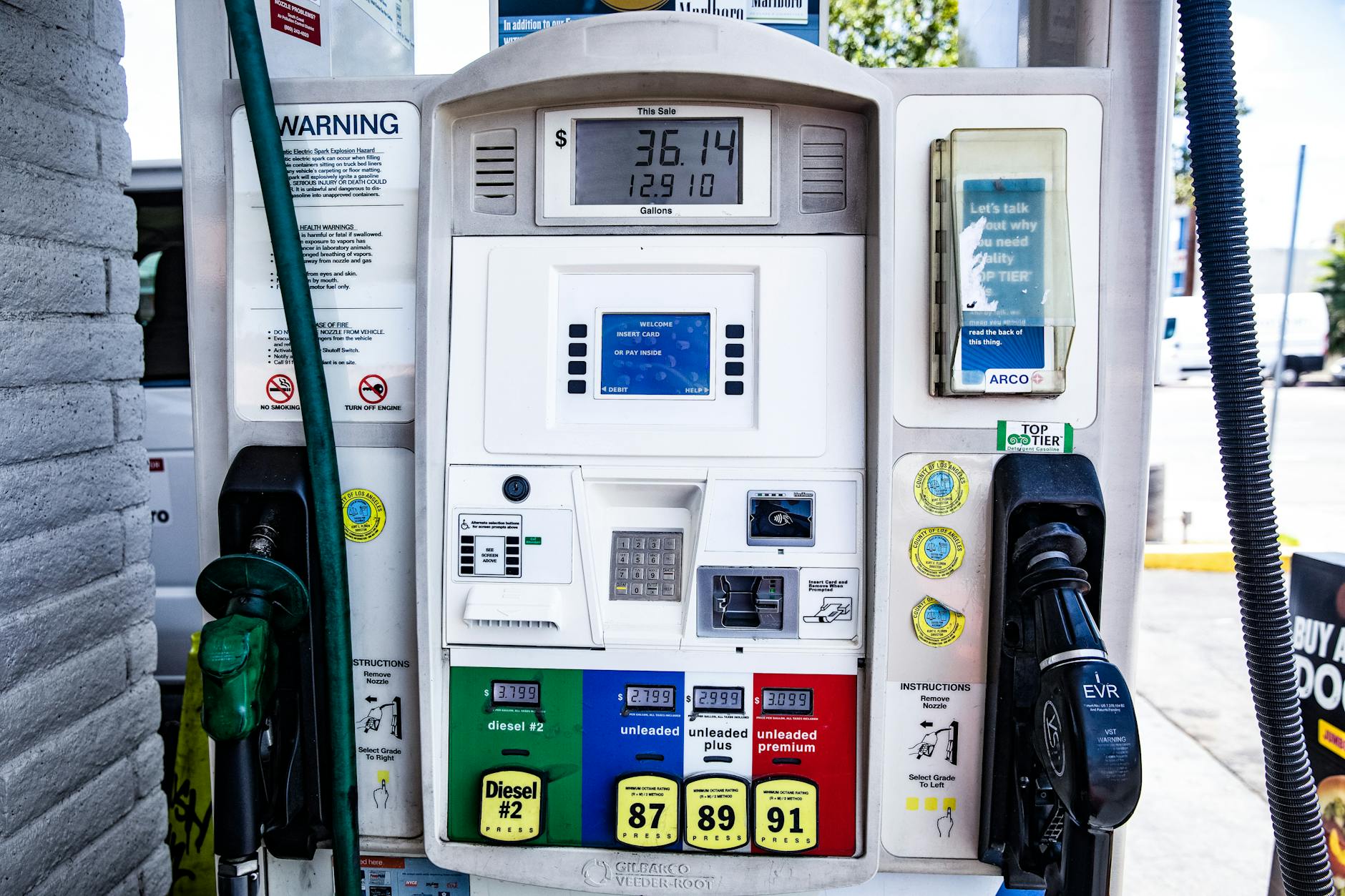
The interview with CBS News marked Trump’s most direct pledge yet to use the 18.4-cent-per-gallon levy as a relief valve. Average gasoline prices hit $4.52 per gallon — a four-year high and more than 50 percent above where they sat when the Iran conflict began February 28 — as the war’s disruption of Hormuz shipping lanes has tightened global crude supply.
“I think it’s a great idea. Yup, we’re going to take off the gas tax for a period of time, and when gas goes down, we’ll let it phase back in,” Trump told CBS.
GOP allies ready bills in both chambers
The President’s comments came as two Republican lawmakers readied companion bills to carry the proposal through Congress. Senator Josh Hawley of Missouri is preparing the Senate version. Representative Anna Paulina Luna of Florida, who introduced the House bill, said her office would work directly with the White House. “American families need this relief on gas prices. My office will be working directly with President Trump to ensure we deliver this win for the American people,” she told CNBC.
The federal gas tax has been frozen at 18.4 cents per gallon since 1993. The diesel levy sits at 24.4 cents. Neither is indexed to inflation, meaning their real value has eroded by roughly half over three decades even as the Highway Trust Fund they feed has lurched from one shortfall patch to the next. Suspending the tax would cost the federal government an estimated $500 million each week. The nonpartisan Committee for a Responsible Federal Budget has previously flagged gas-tax holidays as an inefficient form of relief — one that delivers small per-driver savings while blowing a hole in infrastructure funding.
The political arithmetic has shifted.
Eight in ten Americans feeling the strain
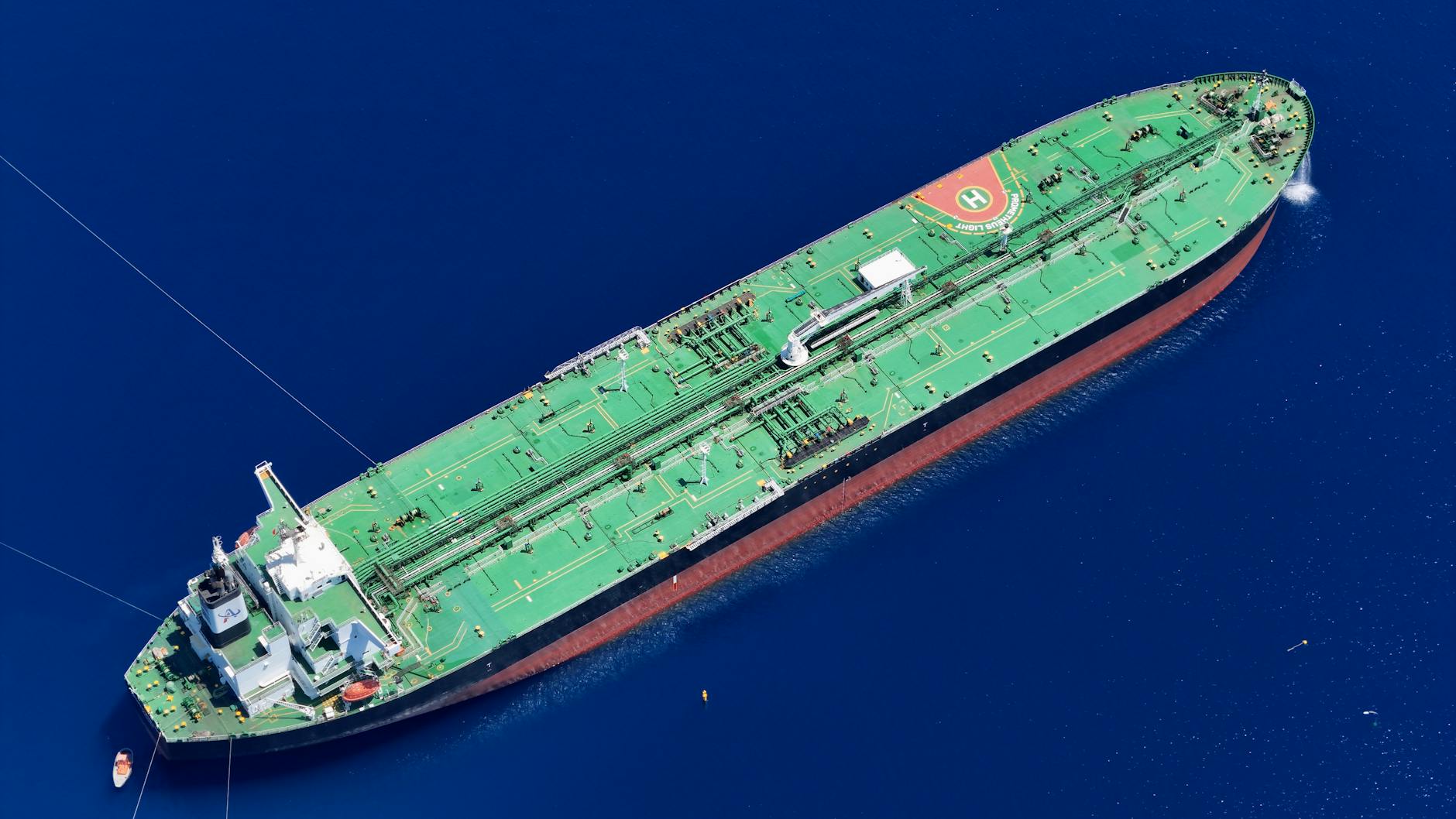
Eight in 10 Americans now say gasoline prices are straining their household budgets, according to an NPR/PBS News/Marist poll released Monday. The same survey found broad disapproval of the administration’s handling of inflation, which has been turbocharged by the conflict that has kept a sizable portion of global oil tanker traffic bottled up or re-routed around the Cape of Good Hope.
The Iran war, now in its third month, has sent crude prices gyrating. Brent crude traded above $95 a barrel for much of April before settling back near $90 in early May. Each dollar increase in crude adds roughly 2.4 cents to the retail price of gasoline, and the run from $72 in late February to above $90 has been the primary driver of the pump-price spike that Trump is now racing to counter. The broader inflation backdrop makes the White House’s calculus more urgent. Consumer prices rose faster than expected in April, and energy costs accounted for the single largest category contribution to the monthly increase.
The 2026 midterms are six months out. The administration is under pressure to show voters it can bring down costs that polls consistently rank as the number-one concern.
A tax cut with no guarantee at the pump
The path through Congress is not guaranteed. While Hawley and Luna can count on broad Republican support in both chambers, suspending a dedicated tax that pays for roads and bridges will face opposition from some GOP deficit hawks. Democrats have been reluctant to embrace a policy that provides an across-the-board subsidy at a time when the Highway Trust Fund is already running a structural deficit, and that resistance is unlikely to soften in an election year when every vote carries a price tag.
Whether consumers would actually see the full 18.4-cent savings at the pump is another open question. States levy their own gas taxes that average roughly 30 cents per gallon and would not be affected by federal action. Retailers also have discretion over how quickly and fully they pass tax changes through to posted prices. During previous state-level gas-tax holidays, studies found that between 60 and 80 percent of the tax cut reached consumers — meaning the real relief at the pump could be as little as 11 cents.
The White House has not yet released legislative text or a timeline. Trump’s interview suggested the suspension would be temporary — tied to the duration of elevated crude prices — rather than a permanent repeal. But the precise trigger mechanism for phasing the tax back in remains unspecified.
For now, the pledge adds a concrete policy dimension to what has been a mounting political liability. Every week the war keeps Hormuz chokepoint shipping at a crawl, the administration’s room to maneuver on energy prices shrinks. The gas-tax suspension is one lever. Whether Congress lets Trump pull it is the question that now moves to Capitol Hill.

Yara Halabi
Foreign affairs correspondent covering the Middle East, the Gulf and US foreign policy. Reports from London.