New polls find Americans disapprove of Trump economic policies
Multiple polling organizations report Americans have turned sharply against President Trump's handling of the economy, with approval in the low-to-mid 30s as rising costs and the Iran conflict strain household budgets.
A wave of new polling released Monday shows Americans have turned sharply against President Donald Trump’s handling of the economy, with approval ratings sinking into the low-to-mid 30s as rising costs and the widening Iran conflict strain household budgets across the country.
The numbers are grim.
A CNN/SSRS survey found that just 30 percent of Americans approve of Trump’s economic stewardship, while 77 percent say his policies have increased the cost of living in their own communities. More than three-quarters of the country now blames White House policy for higher prices where they live — one of the sharpest cost-of-living verdicts delivered against any recent administration.
An NPR/PBS News/Marist poll measured disapproval of Trump’s economic management at 61 percent, up from 58 percent in March. That is a three-point climb in a single month, and it signals the erosion is not leveling off.
The damage is broad and consistent across organizations. A Reuters/Ipsos survey conducted April 24 through 27 put Trump’s economic approval at 27 percent, with 61 percent of Americans saying the U.S. economy is on the wrong track. On the cost of living, an AP-NORC poll from April found just 23 percent approve of the president’s handling of the issue. Seventy-six percent disapprove. That margin — 23 percent approval against 76 percent disapproval — leaves scant room for argument about where the public stands.
The polls were conducted across a four-week window spanning late March through late April, a period in which U.S. forces deepened their involvement in the Iran conflict and energy markets absorbed the resulting supply shocks. The uniformity of the findings — every major survey now shows Trump’s economic approval below 31 percent — suggests the public’s assessment has hardened into something more durable than a momentary reaction to bad headlines. Economic approval in the high 20s to low 30s is territory that has historically spelled trouble for incumbent parties in midterm elections. Whether the White House can reverse the slide before November is the question now hanging over the numbers.
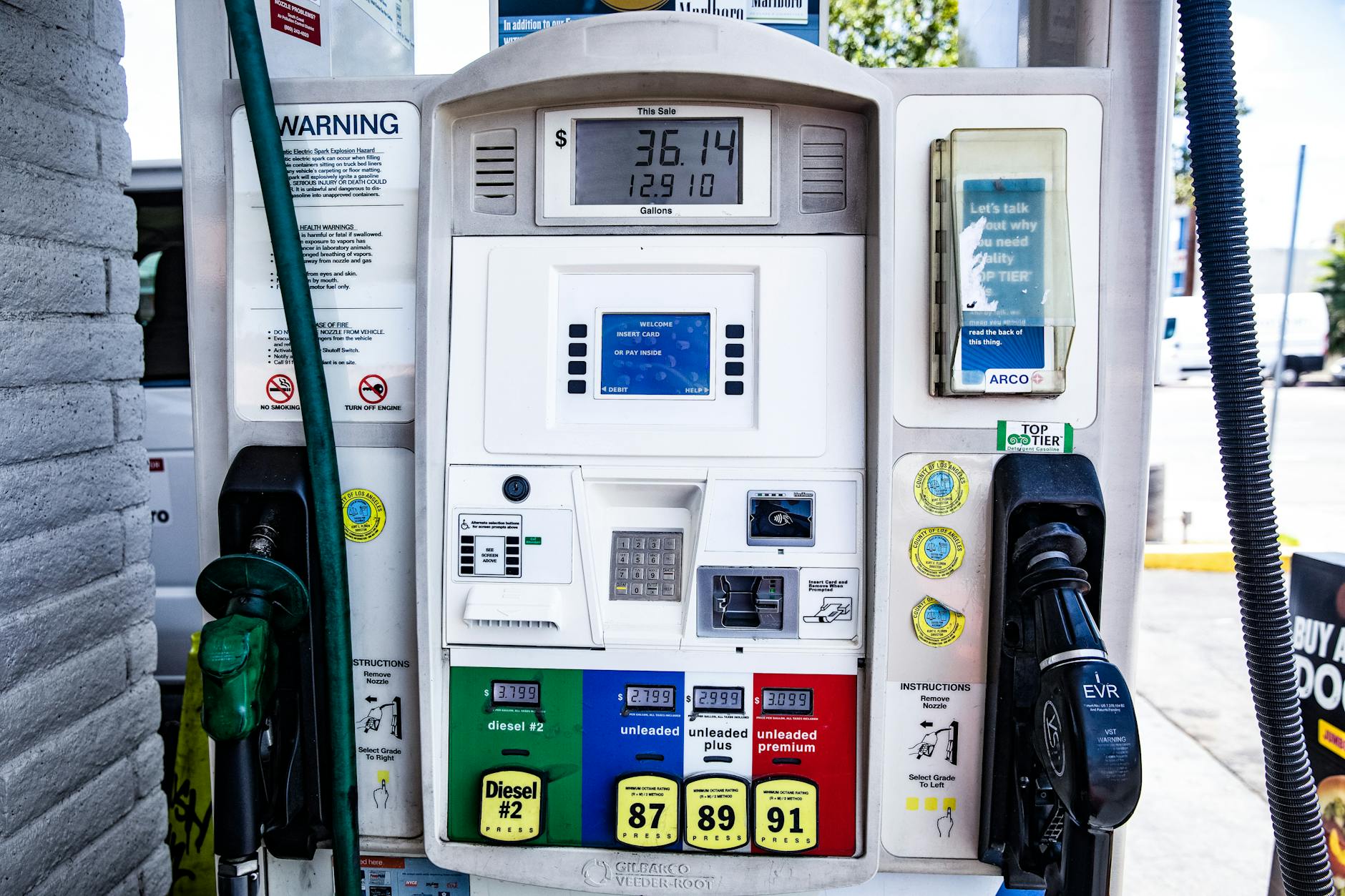
Energy costs have been a particular source of strain. The disruption in the Strait of Hormuz that began escalating in March has added upward pressure on global crude prices, a cost that passes directly to American drivers at the pump and ripples through the price of shipped goods. Those price signals were arriving in household budgets at the same moment the polling data was collected, making the surveys something close to a real-time reading of economic pain.
The polls arrive as the administration contends with the economic fallout from the Iran conflict, which has pushed energy prices higher and added friction to global supply chains. Trump has repeatedly pointed to job gains and manufacturing investment announcements as evidence his economic agenda is delivering. But voters, the polling suggests, are measuring the economy by the prices they see at the grocery store and the gas pump, and they do not like what they find. Whether that judgment hardens or softens will depend heavily on what happens with energy prices in the months ahead.

Ramona Castellanos
US politics correspondent covering Congress, primaries and the Trump administration. Reports from Washington.