Trump rejects Iran ceasefire response as totally unacceptable
President Donald Trump rejected Iran's ceasefire response on Sunday as 'totally unacceptable,' hours after Tehran demanded war reparations and sovereignty over the Strait of Hormuz. The breakdown raises the prospect of renewed U.S. military operations to reopen the key oil shipping lane.
President Donald Trump on Sunday rejected Iran’s response to a U.S. ceasefire proposal as “totally unacceptable,” hours after Tehran delivered its reply via Pakistani mediators and days after a diplomatic opening had raised the prospect of an end to weeks of fighting.
Iran’s reply, carried by state television on May 10, rejected the American proposal as a demand for surrender. Tehran demanded war reparations from the United States, full Iranian sovereignty over the Strait of Hormuz, an end to sanctions, and the release of seized Iranian assets. Washington had proposed ending the conflict, reopening the strait to commercial shipping, and rolling back Iran’s nuclear programme. The reply came days after Secretary of State Marco Rubio met with Qatari mediators to deliver the American proposal.
Trump called Iran’s terms “TOTALLY UNACCEPTABLE!” in a social media post. In an earlier message, he accused Tehran of “playing games” for nearly 50 years, adding: “They will be laughing no longer!”
Mike Waltz, the U.S. ambassador to the United Nations, told ABC that Trump is giving diplomacy “every chance we possibly can before going back to hostilities.”
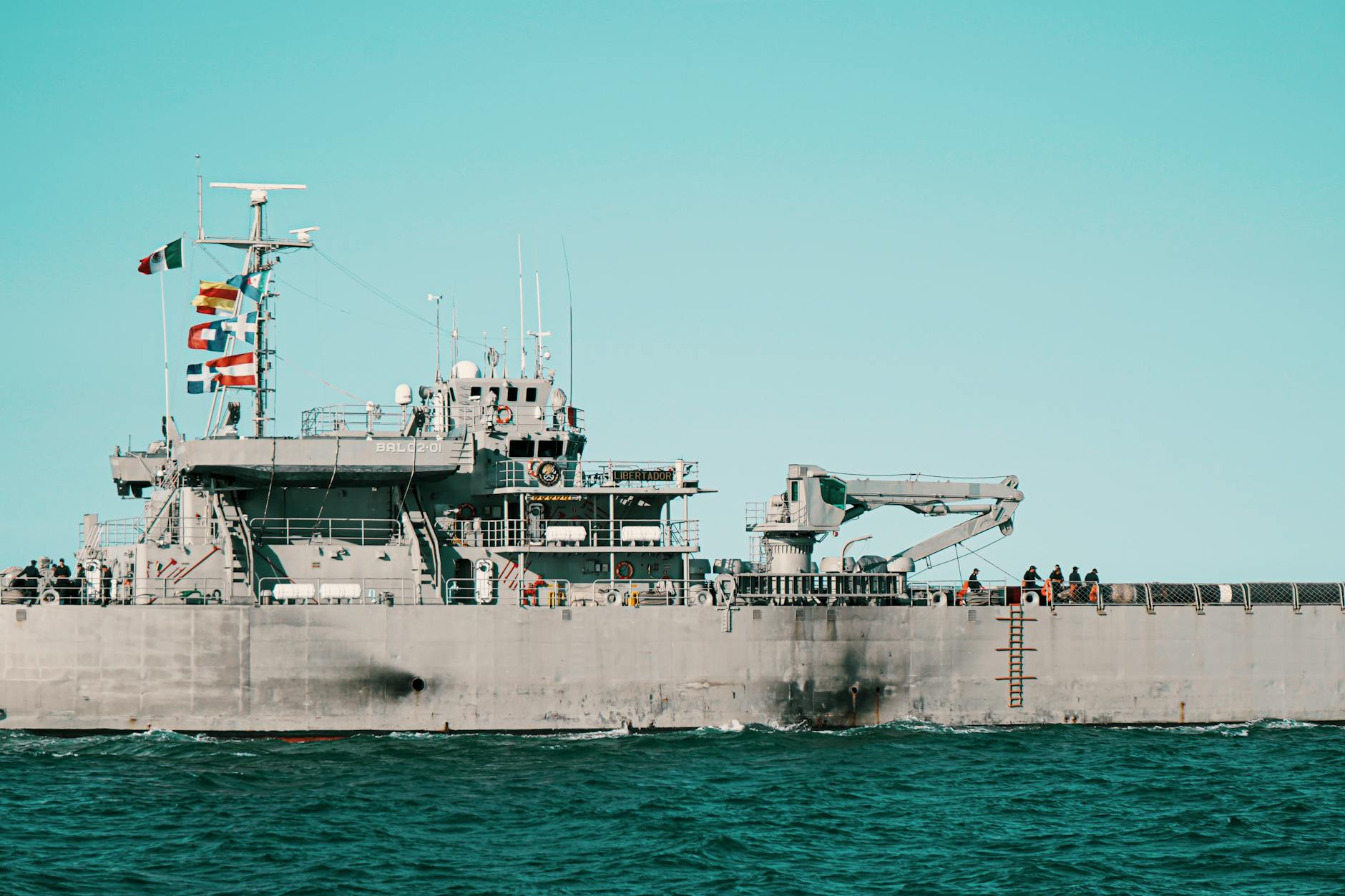
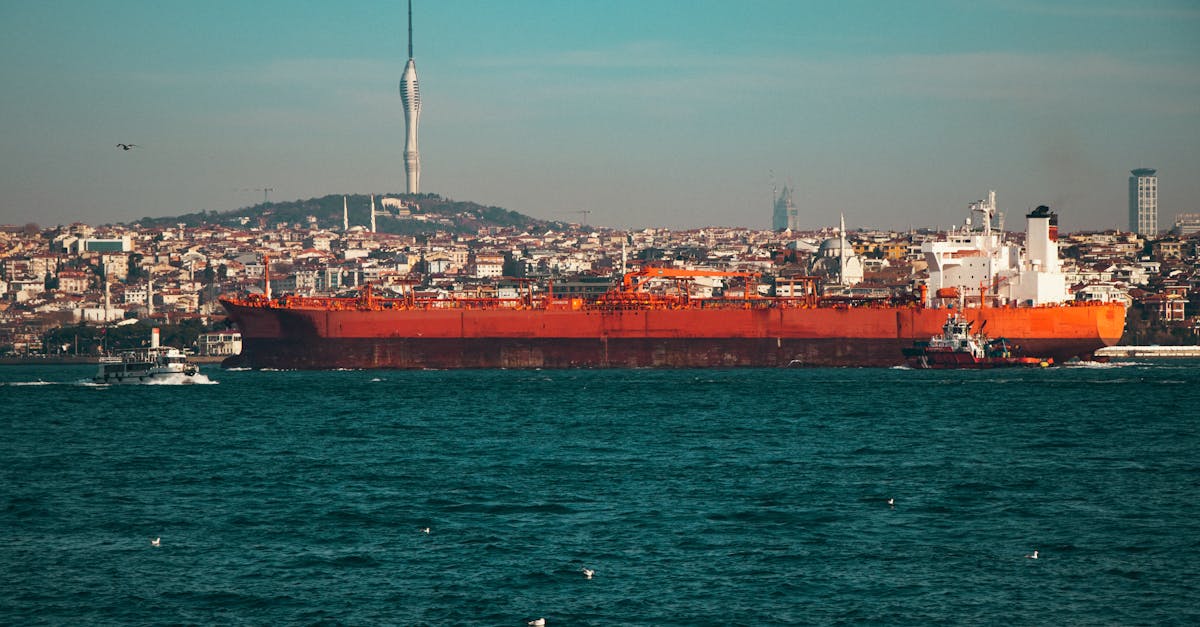
The ceasefire rejection came on a day of continued violence across the Gulf. A drone struck a cargo ship off Qatar, starting a small fire but causing no casualties. Kuwait’s Defence Ministry reported drones in its airspace and said its forces had responded. Brigadier General Saud Abdulaziz Al Otaibi, the ministry spokesman, confirmed the incursions. The United Arab Emirates said it shot down two drones and blamed Iran. Qatar’s Foreign Ministry called the ship attack a “dangerous and unacceptable escalation that threatens the security and safety of maritime trade routes.”
The nuclear sticking point
Iran holds more than 440 kilograms of uranium enriched to 60 per cent, according to the United Nations nuclear watchdog. The IAEA’s director-general has said most of the highly enriched uranium is likely at the Isfahan nuclear complex, which was struck by American and Israeli airstrikes during a 12-day war last year. The enrichment level is a short technical step from weapons-grade.
Brigadier General Akrami Nia of Iran’s armed forces said units were on “full readiness” to protect uranium storage sites from what he described as possible “infiltration operations or heli-borne operations” by adversaries.
Israeli Prime Minister Benjamin Netanyahu told reporters the war could not end until the enriched uranium was removed from Iranian soil. “Trump has said to me, ‘I want to go in there,’ and I think it can be done physically,” Netanyahu said. President Vladimir Putin of Russia said Moscow’s offer to take Iran’s enriched uranium “remains on the table.”
The military option
Energy Secretary Chris Wright said the administration would decide within days whether to resume military operations. “If it is clear in the next few days that there is not a good path to a negotiated settlement, we will go back to the military method,” Wright said. He added that forcibly reopening the Strait of Hormuz “is a challenge, it is not a one or two-day endeavour.”
Iran’s new supreme leader, Mojtaba Khamenei, who has not been seen publicly since the war began, issued what state media described as “new and decisive directives for the continuation of operations,” the state broadcaster reported.
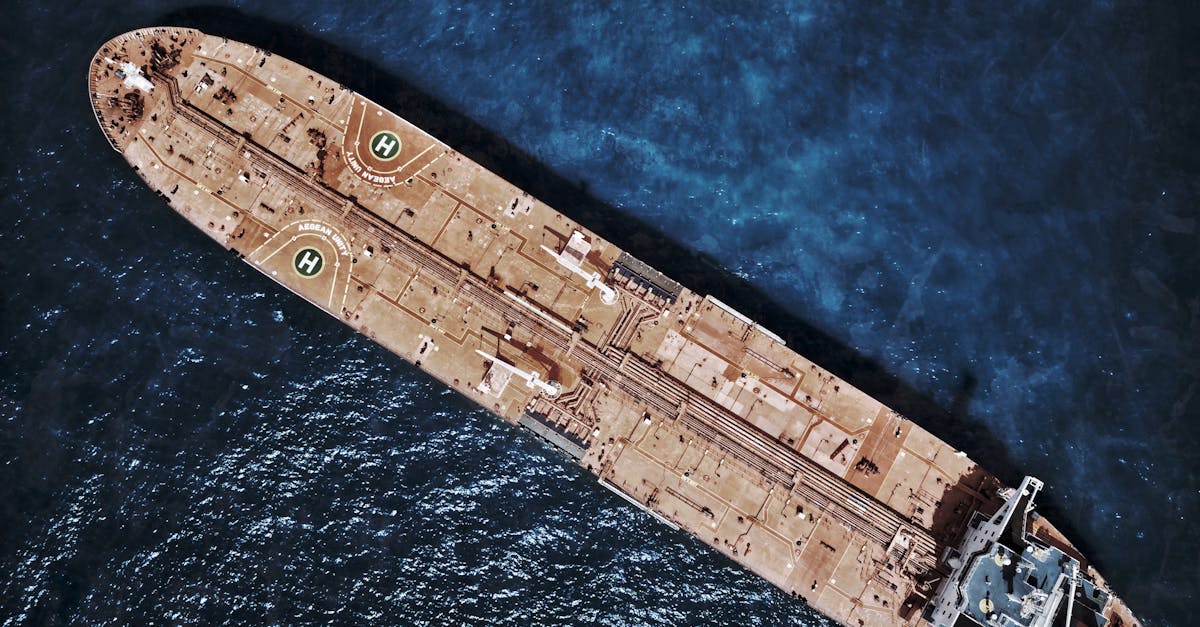
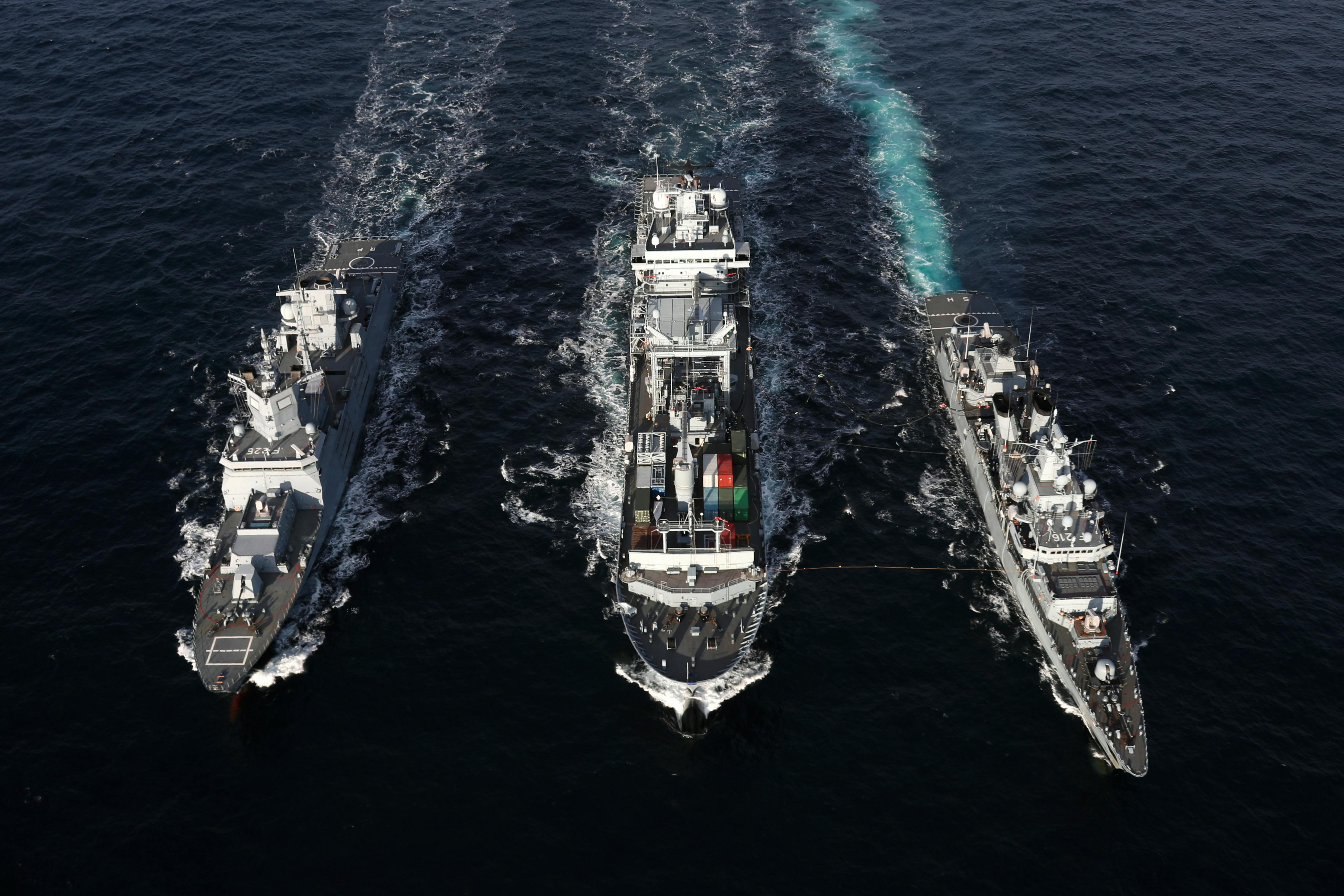
The U.S. has maintained a naval blockade of Iranian ports since April 13, turning back 61 vessels and disabling four. On Friday, American forces struck two Iranian oil tankers that attempted to breach the blockade. Tehran responded by warning of an attack on U.S. bases in the region. Iran’s Revolutionary Guard navy said any further tanker attack would trigger a “heavy assault” on American bases.
Iranian Deputy Foreign Minister Kazem Gharibabadi separately warned that French and British vessels cooperating with what he called “illegal U.S. actions in the Strait of Hormuz” would face a “decisive and immediate response.” President Emmanuel Macron of France said any European mission would be an international effort to secure shipping, not a military deployment.
U.S. crude oil rose 2.7 per cent to $97.97 a barrel on the news and Brent crude climbed to $104.01. Dow futures fell 200 points, or 0.40 per cent. The S&P 500 and Nasdaq futures lost 0.33 per cent and 0.28 per cent. The 10-year Treasury yield held at 4.36 per cent.
What happens next
Pakistani mediators remain in contact with both sides. Wright said the administration would give negotiations “the next few days” before deciding whether to resume Project Freedom, the military operation to escort commercial vessels through the Strait of Hormuz that was paused when Iran requested talks.
A State Department spokesman said Sunday that the U.S. position had not changed. Iran must verifiably dismantle its nuclear facilities and agree to a 20-year suspension of enrichment. The spokesman described the Iranian reply as falling “well short” of those conditions.

Yara Halabi
Foreign affairs correspondent covering the Middle East, the Gulf and US foreign policy. Reports from London.
Related
Trump Rejects Iran Ceasefire Response as Drones Hit Gulf Shipping
US awaits Iran ceasefire response as Rubio meets Qatari mediators
Iran ceasefire on the brink as world leaders press Tehran after Hormuz attacks
Iran warns of attack on US bases after tanker strikes test ceasefire