Suicide bombing kills 14 police officers in northwest Pakistan
A suicide bomber and gunmen attacked a police post in Khyber Pakhtunkhwa province, killing at least 14 officers and wounding three. A newly formed militant faction linked to the Pakistan Taliban claimed responsibility.
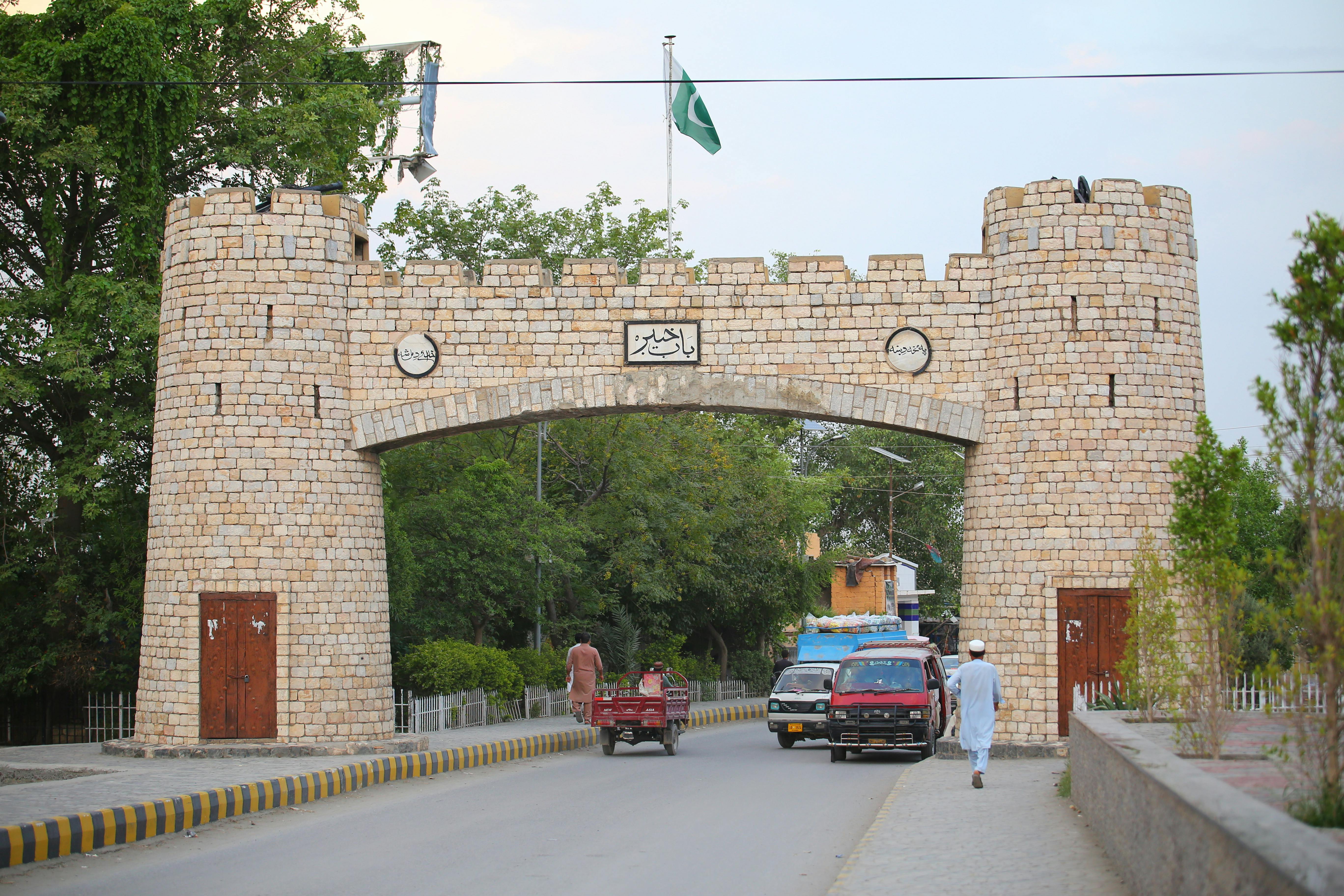
A suicide bomber and several gunmen detonated an explosives-laden vehicle at a police post in Fatah Khel, a village in the Bannu district of Khyber Pakhtunkhwa province, killing at least 14 police officers and wounding three others, Pakistani officials said on Sunday.
The attackers struck late Saturday, triggering an intense firefight before part of the building collapsed, burying officers under the rubble. Rescuers used heavy machinery to retrieve bodies, said Sajjad Khan, a senior police official in Bannu district. Three wounded personnel were pulled alive and transferred to hospital.
A newly formed militant faction calling itself Ittehad-ul-Mujahideen Pakistan claimed responsibility for the bombing. Pakistani authorities have described the group as a front for the Tehrik-e-Taliban Pakistan, or TTP, an alliance of militant factions that has driven a surge in violence across the country’s northwestern border regions since the Afghan Taliban returned to power in neighbouring Afghanistan in 2021.
The death toll was revised upward from an initial count of 12 as recovery efforts continued through Sunday morning, Khan said.
A surge in militant violence
The attack is the latest in a wave of TTP-linked violence that has killed hundreds of people since late February, when fighting between Pakistani security forces and militants intensified in Khyber Pakhtunkhwa and Balochistan provinces. Islamabad has long accused Kabul of sheltering TTP commanders on Afghan soil, a charge the Taliban government in Kabul denies.
China brokered peace talks between Afghan and Pakistani officials in early April aimed at de-escalating the border tensions. The discussions produced no formal ceasefire, and sporadic cross-border clashes have continued at a lower intensity, according to Pakistani military officials. Beijing has a strategic interest in stability along the China-Pakistan Economic Corridor, which passes through Khyber Pakhtunkhwa and has been threatened by militant activity in the past.
The TTP, though operationally separate from the Afghan Taliban, shares ideological roots with the movement and has exploited the post-2021 security vacuum along the Durand Line to regroup and rearm. Analysts and Pakistani security officials say the group now operates with greater freedom than at any point since the Pakistani military’s Zarb-e-Azb offensive drove its leadership into Afghanistan in 2014.
The group has also benefited from the release of several hundred TTP prisoners under a short-lived amnesty programme in 2022, which Islamabad abandoned after a series of attacks on security forces. US and UN monitoring bodies have since assessed that the TTP commands between 3,000 and 5,000 fighters, with sanctuary in Afghanistan’s eastern provinces.
Bannu district sits roughly 60 kilometres from the Afghan border and has been a frequent target of militant strikes. A suicide bombing at a security forces headquarters in Peshawar earlier this year and a separate vehicle-borne attack on a military post in the province’s north showed the reach of TTP-linked cells across Khyber Pakhtunkhwa.
What happens next
Pakistani officials have not said whether Sunday’s attack will affect the tentative diplomatic channel with Kabul. A provincial security spokesperson said operations against militant cells in the border districts would intensify, but gave no specifics.
The attack came days before Pakistan’s National Assembly is expected to debate a supplementary security appropriation. Opposition lawmakers have already signalled they will press the government on the deteriorating security situation in the border provinces, where many police posts remain lightly fortified against vehicle-borne attacks despite years of warnings from provincial security advisers. Western diplomats in Islamabad have raised concerns that the growing frequency of TTP strikes could draw Pakistani military resources away from counterterrorism operations and into a prolonged internal security deployment in the border districts.

Yara Halabi
Foreign affairs correspondent covering the Middle East, the Gulf and US foreign policy. Reports from London.