Iran ceasefire holds as Bahrain detains 41 over Revolutionary Guard ties
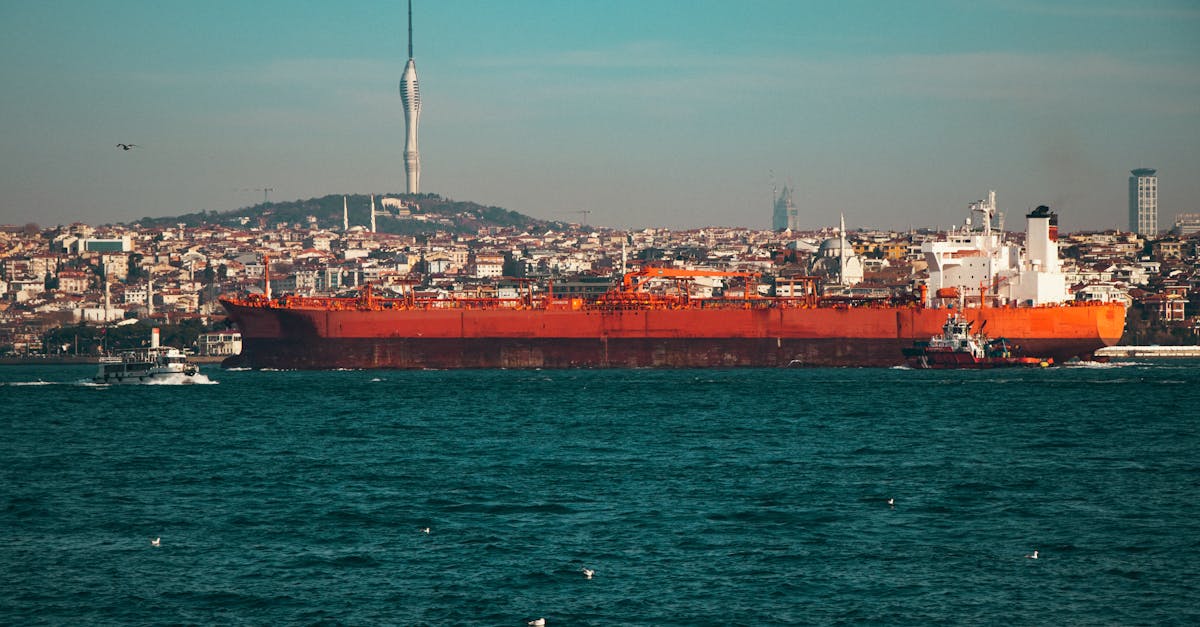
A tenuous ceasefire between the United States and Iran appeared to hold on Saturday after US strikes on two Iranian tankers, while Bahrain said it had arrested 41 people accused of links to Iran's Revolutionary Guard.
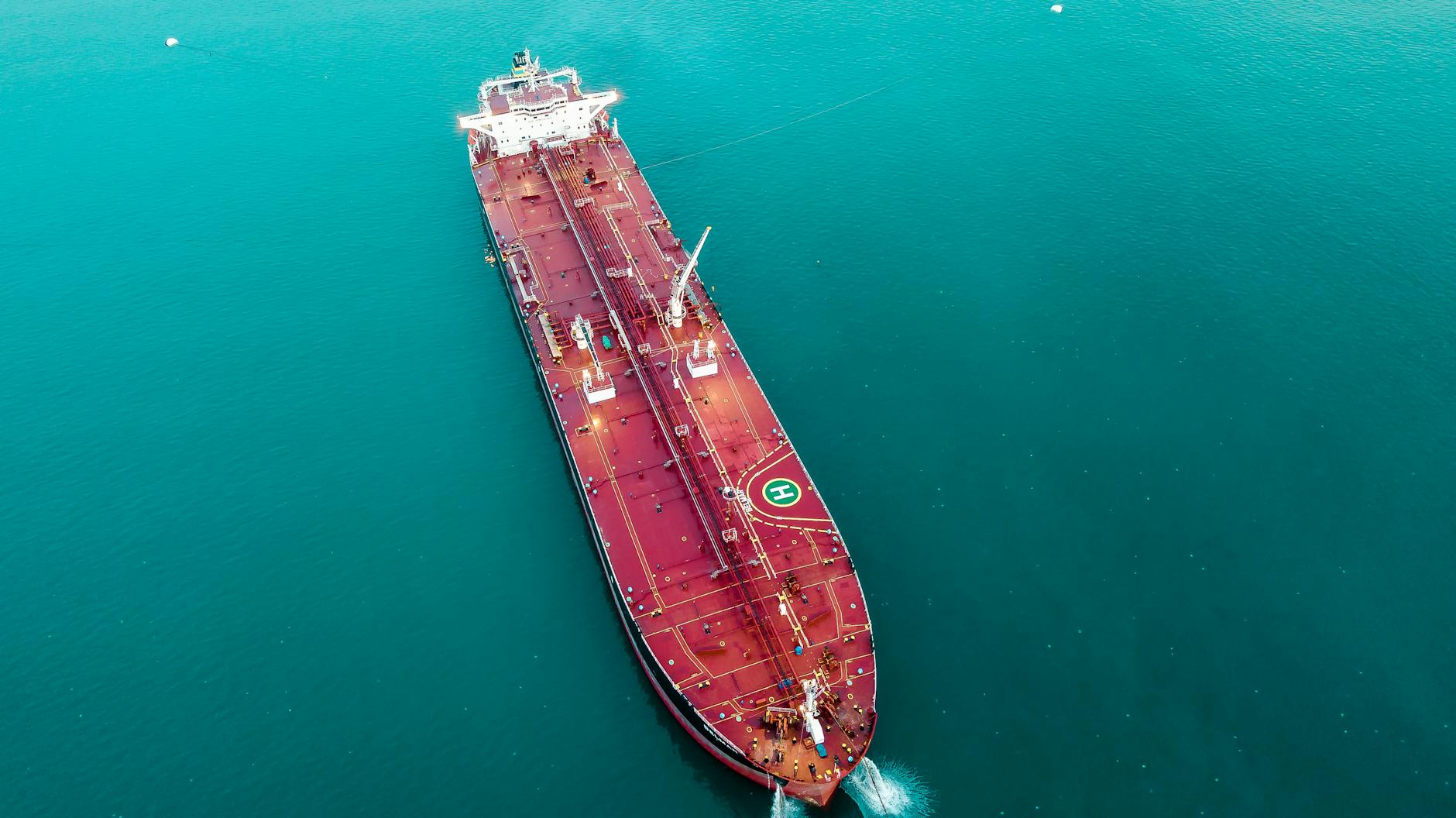
A tenuous ceasefire between the United States and Iran appeared to hold on Saturday, a day after US forces struck two Iranian oil tankers in the Gulf, while Bahrain said it had arrested 41 people accused of links to Iran’s Revolutionary Guard.
The detentions, announced by Bahrain’s interior ministry, came as Washington awaited Iran’s response to a fresh peace proposal aimed at reopening the Strait of Hormuz to commercial traffic and rolling back Tehran’s nuclear programme. Bahrain hosts the regional headquarters of the US Navy’s Fifth Fleet.
Iran’s Revolutionary Guard navy issued its sharpest warning of the week against further American action against Iranian shipping. Ebrahim Azizi, head of the national security commission of Iran’s parliament, told the state-run IRNA news agency that countries cooperating with the United States would face consequences.
“Siding with the U.S.-backed resolution will bring severe consequences,” Azizi said. “The Strait of Hormuz is a vital lifeline; do not risk closing it on yourselves FOREVER.”
Iran’s foreign ministry spokesperson, Esmail Baghaei, said Tehran was not paying attention to “deadlines” set by Washington for a response to the proposal. The remarks suggested Iran was preparing to draw out negotiations even as it absorbed the loss of its tankers.
The arrests in Bahrain are the largest such operation announced by a Gulf state since the war began on February 28. The interior ministry said the 41 detainees were under investigation for activities linked to the Revolutionary Guard but did not provide further details on the alleged offences or where the suspects were taken into custody.
US Central Command said its naval forces had now disabled four Iranian tankers and turned back 58 commercial ships since a blockade of Iranian oil exports began on April 13. The latest strikes on two tankers on Friday were the first since the month-old ceasefire took hold and prompted the Revolutionary Guard navy’s warning.
What Washington wants
The US proposal, delivered through intermediaries earlier this week, calls for Iran to reopen the strait to non-Iranian shipping, accept new constraints on its nuclear programme and resume indirect negotiations on a wider security framework. President Donald Trump has threatened to resume bombing if Tehran rejects the terms.
Trump told reporters on Friday that the ceasefire remained in effect despite the strikes on the tankers, which he said were enforcement of the existing blockade. He has set no public deadline for Iran’s reply but has said he is prepared to “go much harder” if no deal is reached.
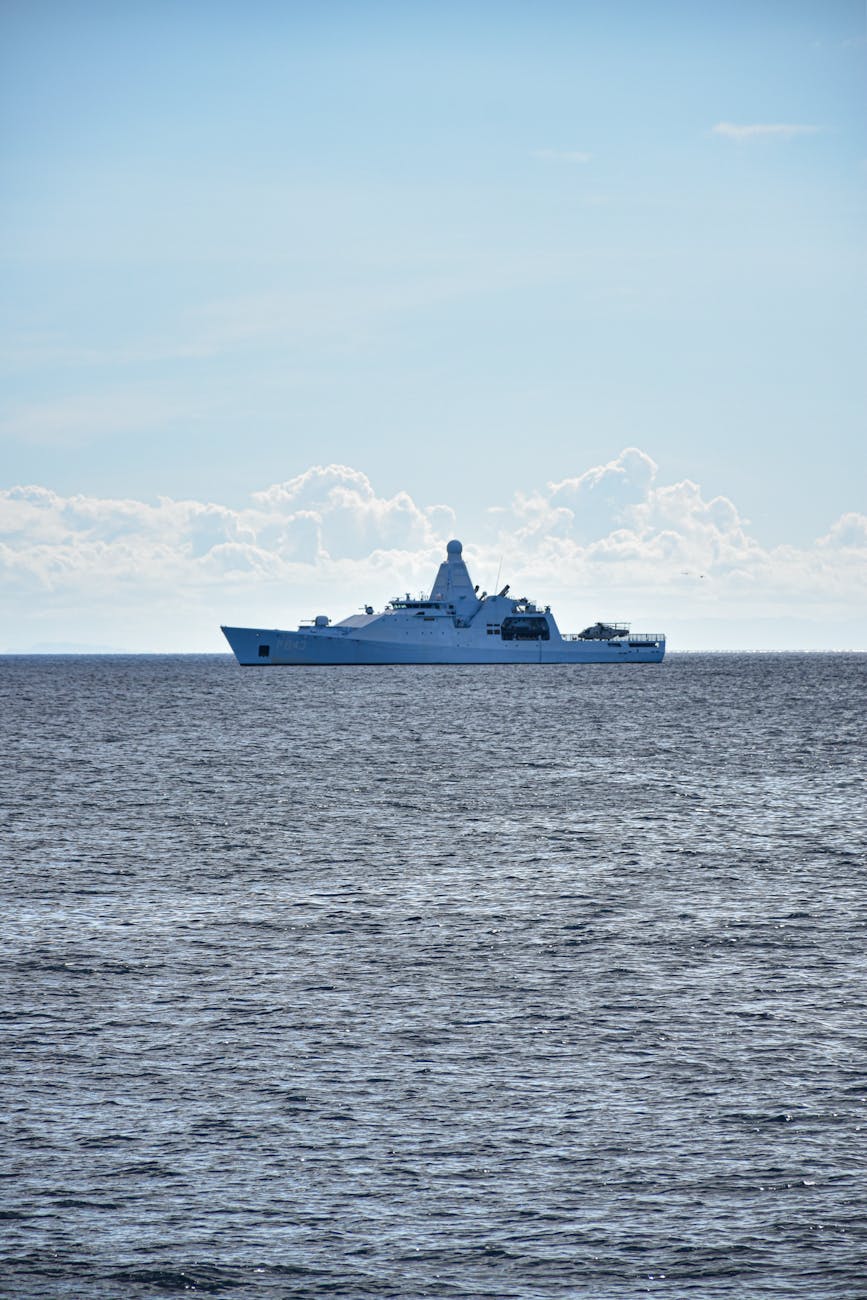
The administration is also pressing allied navies to take a larger role in protecting Gulf shipping. The British Royal Navy this week ordered the destroyer HMS Dragon to deploy to the region for a possible escort mission alongside US and French vessels. Defence officials in London said the ship would join operations only after a sustainable ceasefire was in place.
The view from Tehran
Inside Iran, the leadership of Mojtaba Khamenei, who became supreme leader after the death of his father Ayatollah Ali Khamenei earlier this year, has taken a publicly defiant line while signalling through Pakistani and Omani intermediaries that it remains open to talks. Mazaher Hosseini, an aide attached to the office of the late supreme leader, told state television that Mojtaba Khamenei was in good health and would address the nation again soon.
Pakistani Prime Minister Shehbaz Sharif, who has hosted intermediaries shuttling between the two sides, said US and Iranian envoys were in contact “day and night” in pursuit of an extension to the ceasefire. Russia’s foreign ministry called for a “sustainable, long-term agreement” to end the war. Saudi Arabia issued a similar statement urging diplomacy. Officials from Egypt and Qatar said diplomacy was “the sole path to a solution”.
The conflict began on February 28 when the United States and Israel launched coordinated strikes on Iranian nuclear and military sites, prompting Iranian missile barrages on Gulf states hosting US bases and a campaign of attacks on commercial shipping in the Strait of Hormuz. The current ceasefire, brokered through Pakistani mediation, took effect roughly a month before the latest US strikes.
What happens next
Officials on both sides expect a formal Iranian response to the proposal within days. Trump’s team has said it will judge the response on whether it accepts the terms on the strait and the nuclear programme rather than on its tone.
The US blockade of Iranian oil exports remains in force and is likely to be the early test of whether the ceasefire can survive a longer negotiation. Each fresh strike on Iranian shipping risks pulling Tehran’s hardline factions back into open confrontation.
In Washington, Trump is also under domestic pressure to wind down the conflict. A Republican-led bill to end the Iran war by July 30 was introduced in the House this week, the first such measure to attract significant support from members of the president’s own party since the fighting began.
The Revolutionary Guard navy said it would respond to any further attacks on Iranian vessels. The US Fifth Fleet, operating from Bahrain, is enforcing the blockade with destroyers and helicopter patrols. Tehran has signalled it will keep talking through Pakistani and Omani intermediaries. Neither side has so far shown willingness to compromise on the question of who controls the strait.

Yara Halabi
Foreign affairs correspondent covering the Middle East, the Gulf and US foreign policy. Reports from London.