Republicans seek $1bn for White House ballroom security in $70bn immigration bill
Senate Republicans tucked $1bn for Secret Service upgrades tied to Donald Trump's East Wing ballroom into a $70bn immigration enforcement package, drawing immediate Democratic accusations of self-dealing.
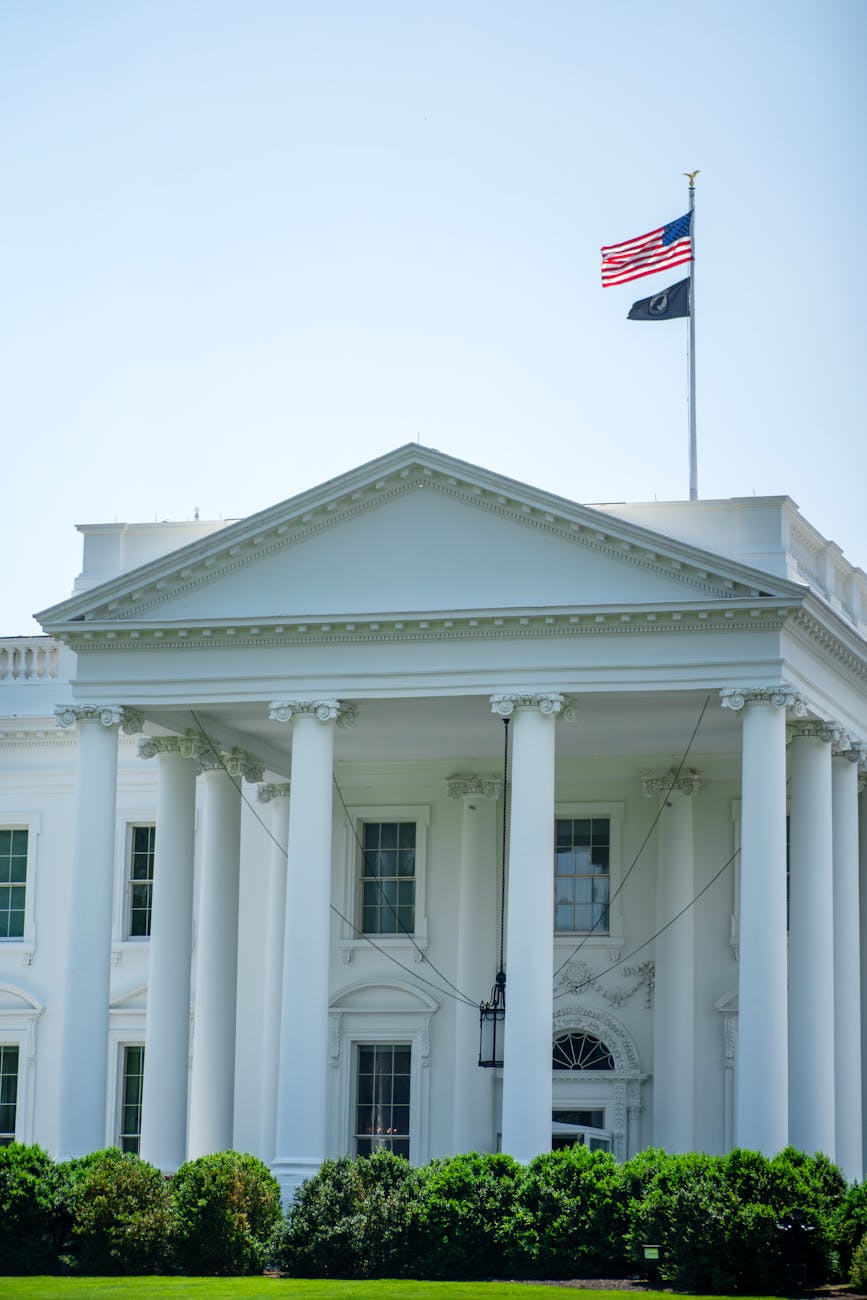
Senate Republicans have tucked $1bn for Secret Service upgrades tied to President Donald Trump’s East Wing ballroom into a $70bn immigration enforcement package, drawing immediate Democratic accusations that the party is using border funding to underwrite the most contested construction project of the second term.
The bill, unveiled on 5 May, routes the bulk of its money to the southern border. US Immigration and Customs Enforcement is in line for $38bn, US Customs and Border Protection for $26bn, and the remaining $1bn is carved out for “security adjustments and upgrades” tied to what the legislation calls the East Wing Modernization Project. Republicans plan to move the package through budget reconciliation, the parliamentary procedure that bypasses a Democratic filibuster.
A spokesperson for Senate Judiciary Committee Chairman Chuck Grassley said the bill “provides funds for Secret Service enhancements that will ensure all presidents… are adequately protected.” White House spokesman Davis Ingle pointed to a recent assassination attempt at the Correspondents’ Dinner as justification for the additional security spending. Neither Grassley nor Ingle addressed why the line item sits inside an immigration vehicle.
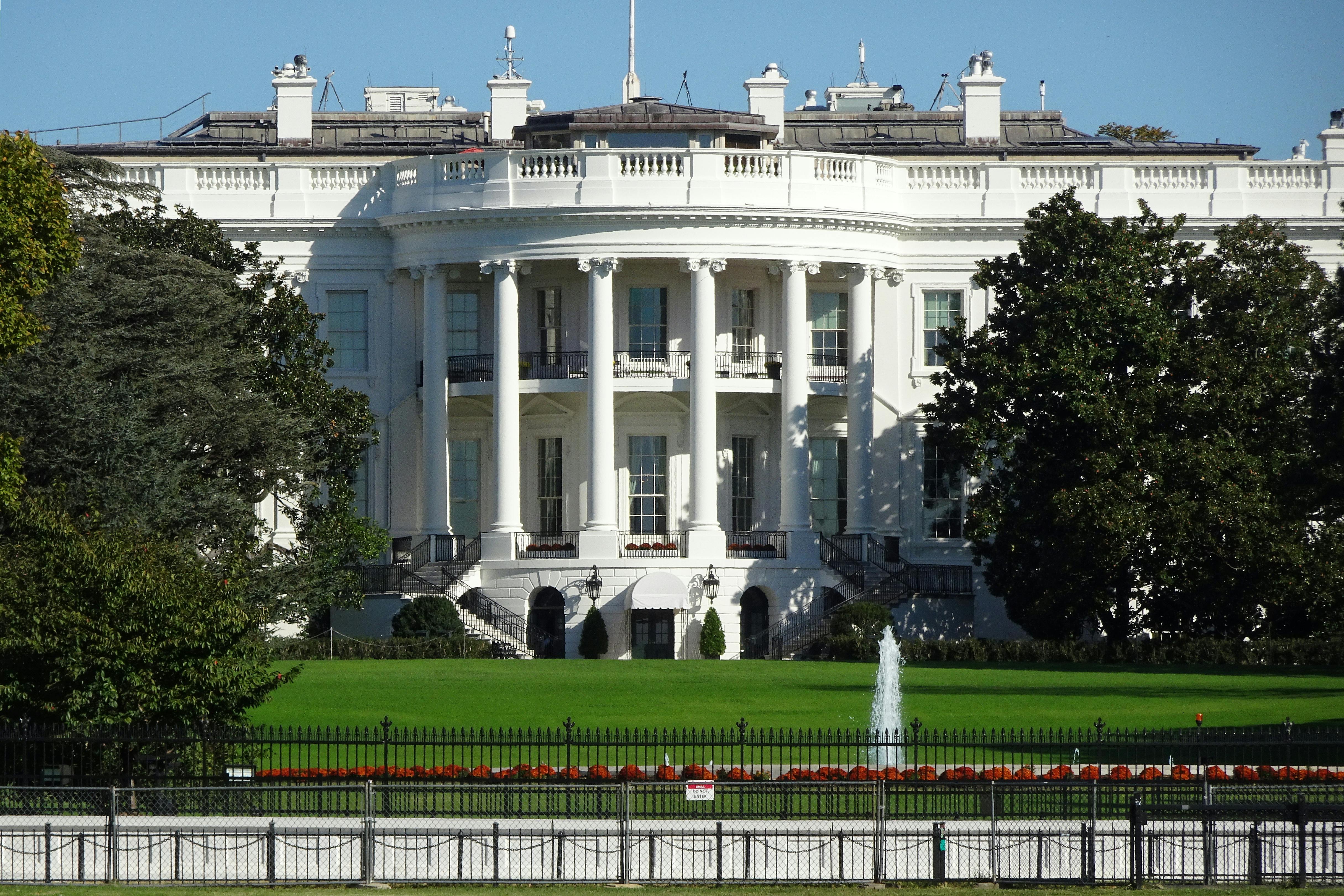
The ballroom, an East Wing addition Trump has described as a personal priority, has been contested since groundbreaking. In October the president told reporters “the government is paying absolutely nothing”, saying private donors were funding the work. Critics challenged that account. In late March Federal Judge Richard Leon ruled that breaking ground without congressional authorization violated the law. The DC Circuit Court of Appeals later stayed the injunction administratively, allowing construction to continue, with oral argument scheduled next month.
What the bill funds
Of the three pots in the bill, Secret Service is the smallest by a wide margin. The $38bn ICE allocation is the largest single boost to immigration enforcement in any reconciliation package this decade. The money would go to hiring, detention capacity and removal operations. The $26bn for Customs and Border Protection is earmarked for technology, vehicles and additional border-station construction. The $1bn for the ballroom would pay for perimeter screening, communications hardening and what the bill calls a “protective detail expansion” across the East Wing footprint.
Two earlier Republican bills tried smaller versions of the same idea. Senator Rand Paul moved last week for unanimous consent on an authorization bill that would have permitted construction without appropriating any new money. A Democratic objection killed it on the floor. Paul has stayed quiet on whether he will object to the larger package on the same grounds. Senator Lindsey Graham has led a separate measure that would put $400m toward ballroom-related security and offset it with customs user fees. Fiscal hawks in the GOP conference have complained that drawing the appropriation from general revenue, as the new package does, sets a worse precedent. Graham’s bill sits on the Senate calendar without a scheduled vote.
The view from Democrats
Senate Minority Leader Chuck Schumer was blunt. “Republicans looked at families drowning in bills and decided what they really needed was more raids and a Trump ballroom,” he said. House and Senate Democrats jointly introduced the Stop Ballroom Bribery Act, which would impose new disclosure rules on private donations to White House construction and bar foreign-linked donors. The bill will not move in the Republican-held Congress. Its sponsors said the point was to force recorded votes on what they called a self-dealing project.
The procedural reason for placing the ballroom money inside the immigration bill is plain. Reconciliation needs only a simple Senate majority, and immigration spending is popular across the GOP conference. Stripping the ballroom item would require either a Byrd-rule challenge or an amendment vote. Either path risks defections, and Senate leadership has so far judged it can hold its members on both. Trump’s pressure on Republican holdouts, including last week’s purge of Indiana state senators who had blocked his redistricting map, has tightened the room for public dissent.
What happens next
A floor vote on the package is expected within weeks. The DC Circuit appeal will run on a parallel track, with oral argument set for next month. A ruling against the administration would not unwind the appropriation if the bill has already passed. It could, however, force the Treasury to park the money in escrow until the construction question is resolved. Several legal scholars have warned that retroactively ratifying a project a federal court has called unlawful raises constitutional problems of its own. No Republican senator has aired that view publicly. Justice Department lawyers are expected to argue at the appeal that the ballroom is an executive-branch facility and falls outside the categories of construction that need advance congressional sign-off.
Inside the GOP conference the open question is whether to defend the ballroom line item by name or wave it through as an incidental security upgrade. Recent comments from Grassley and Senate Majority Leader John Thune point to the latter approach. Both have described the spending as protecting “the office, not the project”. Democrats have not bought the framing. Schumer’s reply, repeated this week, is that in this case the project is the office.
The Trump administration has continued to insist that no taxpayer money is funding ballroom construction itself. The $1bn appropriation, in the White House’s account, pays only for the protective infrastructure around the project, not for the building. The legislative text draws no such line.

Ramona Castellanos
US politics correspondent covering Congress, primaries and the Trump administration. Reports from Washington.