Appeals court rules lawmakers may continue ICE detention inspections
A federal appeals court on Friday unanimously required the Trump administration to continue allowing members of Congress to inspect immigration detention facilities without advance notice, preserving Democrats' ability to conduct unannounced oversight visits.
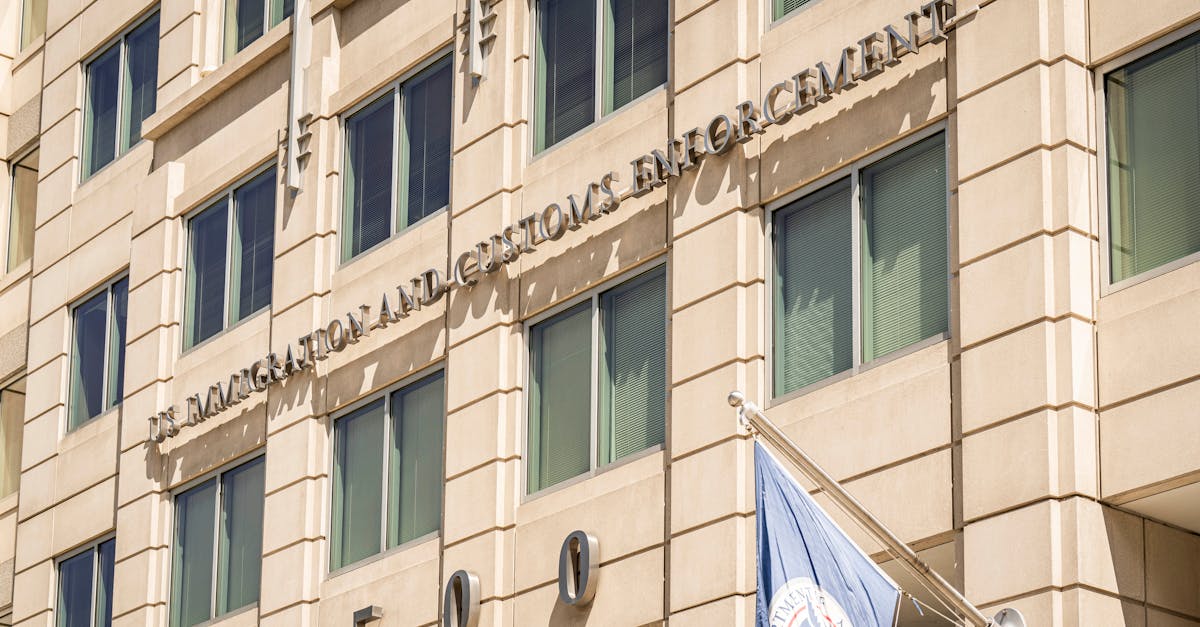
A federal appeals court on Friday unanimously required the Trump administration to continue allowing lawmakers to inspect immigration detention facilities without advance notice, ruling that the impromptu visits posed minimal problems for the government.
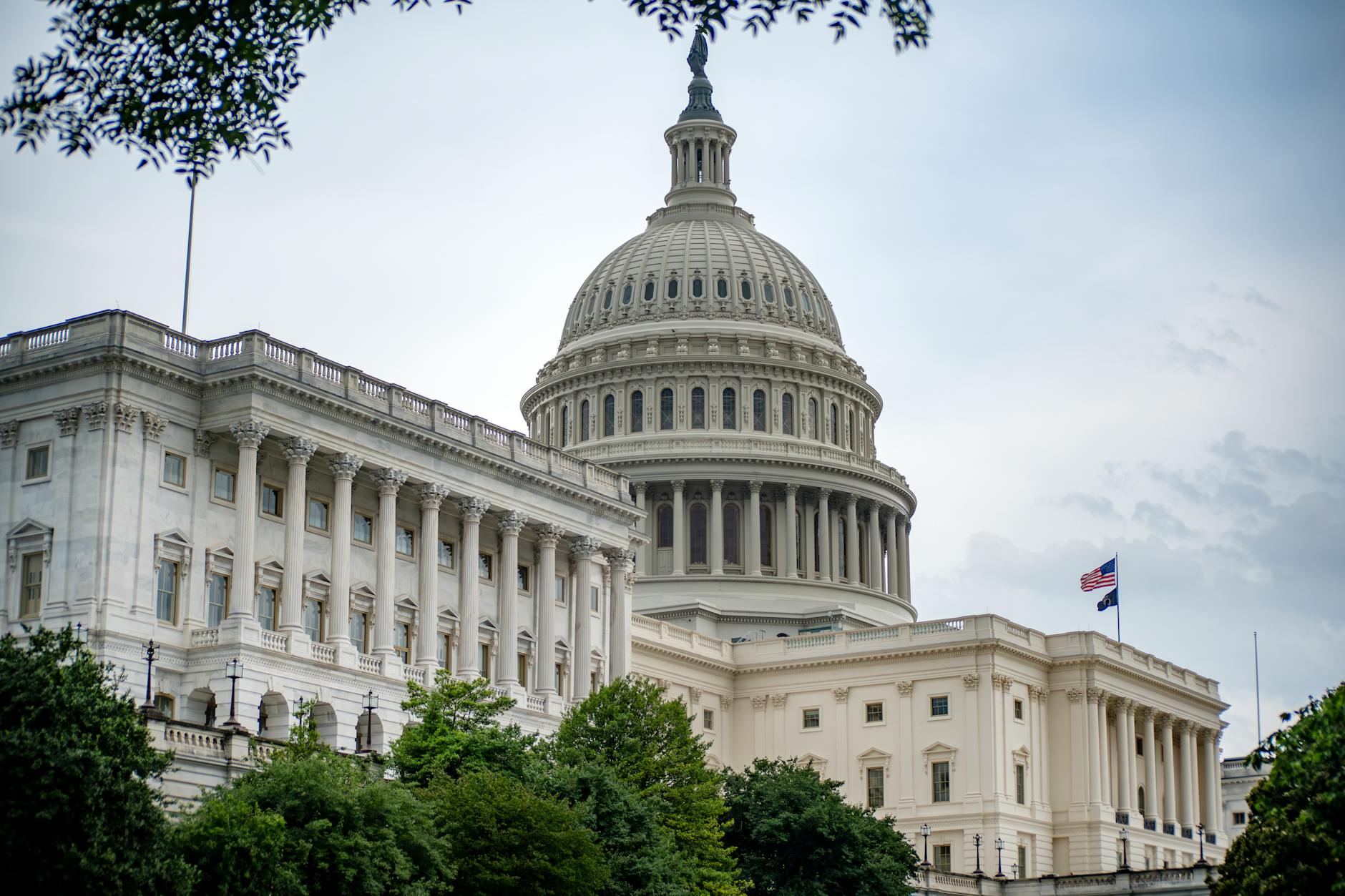
The decision by a three-judge panel of the Court of Appeals for the District of Columbia Circuit preserved the ability of Democrats in Congress to make unannounced visits to detention centres and check on conditions inside. It came as the administration works to expand the Department of Homeland Security’s detention capacity with converted warehouses and as facilities have drawn repeated allegations of human rights violations.
The ruling is the latest in a series of federal court defeats for the administration’s immigration detention policies. Last week, the Eleventh Circuit rejected a separate Trump administration policy that denied bond hearings to immigrants in removal proceedings, deepening a circuit split now headed for the Supreme Court.
The dispute over congressional access began last year, when the Homeland Security Department twice enacted policies requiring lawmakers to provide at least seven days’ notice before visiting immigration detention facilities. A group of Democrats in Congress sued in July 2025, arguing that under the law that funds Immigration and Customs Enforcement, the agency must allow members of Congress and their employees access to perform oversight.
The Trump administration countered that it was relying on a different measure to fund the facilities. The government pointed to the tens of billions of dollars set aside for immigration detention in the tax and spending bill President Trump signed last year, and argued it was not bound by the language in the appropriations law that requires access.
A federal district judge, Jia M. Cobb, a Biden appointee, twice ruled the administration was illegally blocking access. Judge Cobb found that the government was continuing to use the traditional appropriation measure to fund some elements of its immigration enforcement, including top officials’ salaries, undercutting the administration’s argument that it had switched funding sources entirely.
One of the three appellate judges, Judge Neomi Rao, a Trump appointee, wrote in a 10-page concurring opinion that the government had not shown it would be substantially harmed by allowing periodic oversight visits from members of Congress, beyond what she described as “administrative inconvenience.”
Judge Rao was joined by Judges Cornelia Pillard and Robert L. Wilkins, both Obama appointees, in ruling that the lawmakers should retain access to the facilities for now.
Democracy Forward, the legal nonprofit representing the lawmakers, celebrated Friday’s ruling. Skye Perryman, the organisation’s president, said the administration “keeps trying to keep members of Congress and people in America from seeing what is happening inside detention facilities, even as reports of overcrowding, abuse, denial of medical care, and deaths in custody continue to grow.”
“Today’s unanimous ruling is another major victory for transparency, for the rule of law, and for the constitutional system of checks and balances that prevents abuses of power,” Perryman said.
The Department of Homeland Security did not immediately respond to a request for comment.
What the judges found
Judge Rao, in her concurring opinion, wrote that she believed the lawmakers had overstepped the bounds of traditional congressional oversight and predicted the Trump administration would ultimately prevail in the case.
“As a practical matter, the members visit detention facilities as individual lawmakers,” she wrote. “Conducting such investigations for oversight purposes is not a personal prerogative or right; rather, it is an exercise of the institutional power of Congress.”
The ruling keeps in place the status quo while the underlying litigation continues. It does not resolve the question of whether the administration can block access permanently.
Conditions inside detention facilities
Democrats have said a series of deaths inside immigration detention facilities this year have raised urgent questions about conditions inside. A federal judge in Maryland blocked the construction of a new detention centre in April. Separately, assessments of a facility in the Florida Everglades have found severe effects on local water and public health systems.
The administration is working to convert warehouses into detention space as part of what it has described as the largest immigration enforcement operation in American history. Delaney Hall, a 1,000-person detention centre used by ICE in Newark, New Jersey, is among the facilities now in operation. The administration has said it needs to more than double its current detention capacity to carry out its enforcement plans.
What happens next
Litigation over the issue will continue. Judge Rao’s concurrence indicated that at least one member of the panel sees the administration’s legal position as stronger on the merits, even though the government could not show the kind of immediate harm needed to justify an emergency stay.
The DC Circuit’s ruling is procedural, not final. It declined to halt the lower court’s order while the appeal proceeds. A full hearing on the merits has yet to be scheduled.

Ramona Castellanos
US politics correspondent covering Congress, primaries and the Trump administration. Reports from Washington.