Democrats move to strip $1bn ballroom security from Senate immigration bill
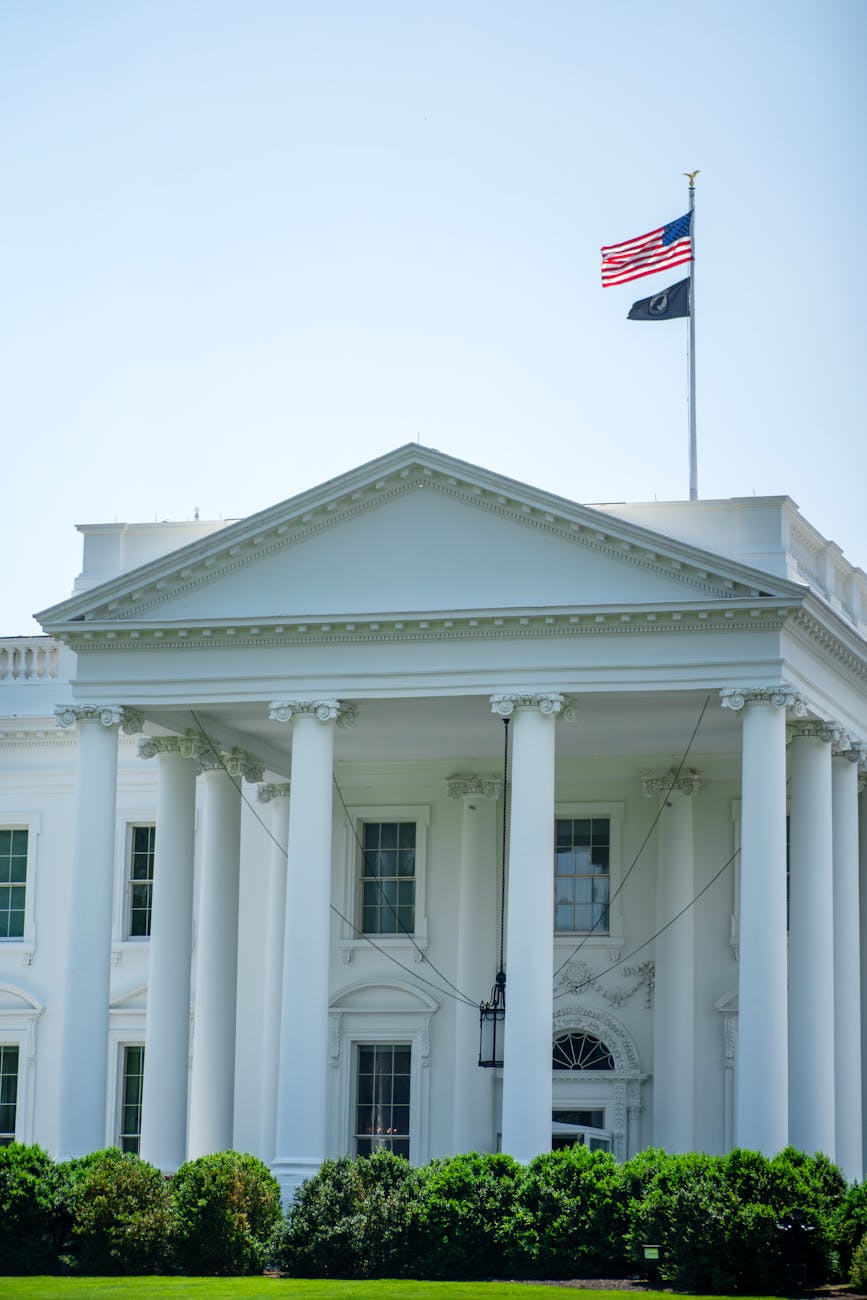
Senate Democrats led by Chuck Schumer will use parliamentary rules to strip $1 billion in security funding for the White House East Wing ballroom from a $72 billion immigration enforcement package, setting up a floor fight over a project Trump once said would be privately funded.
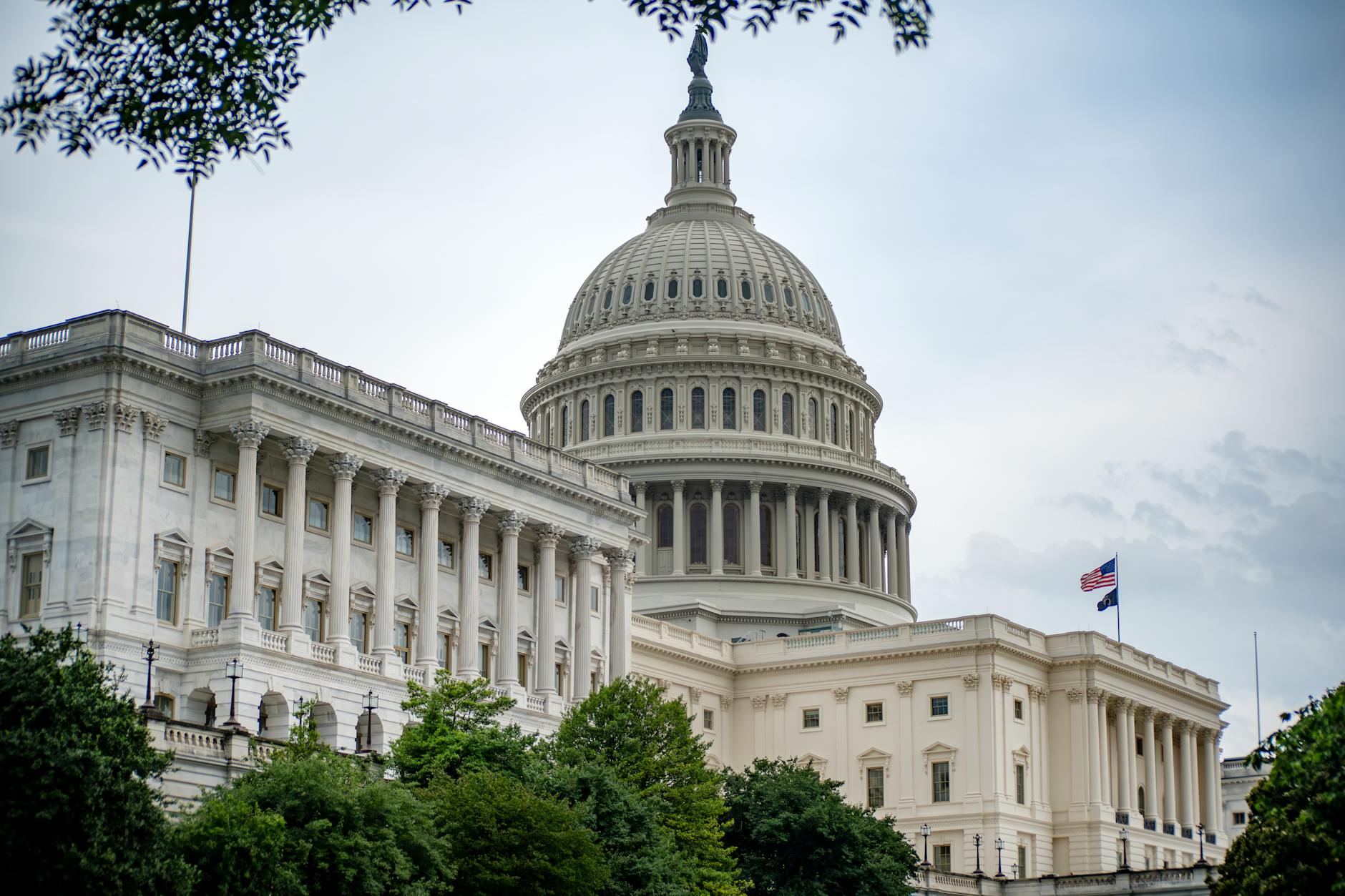
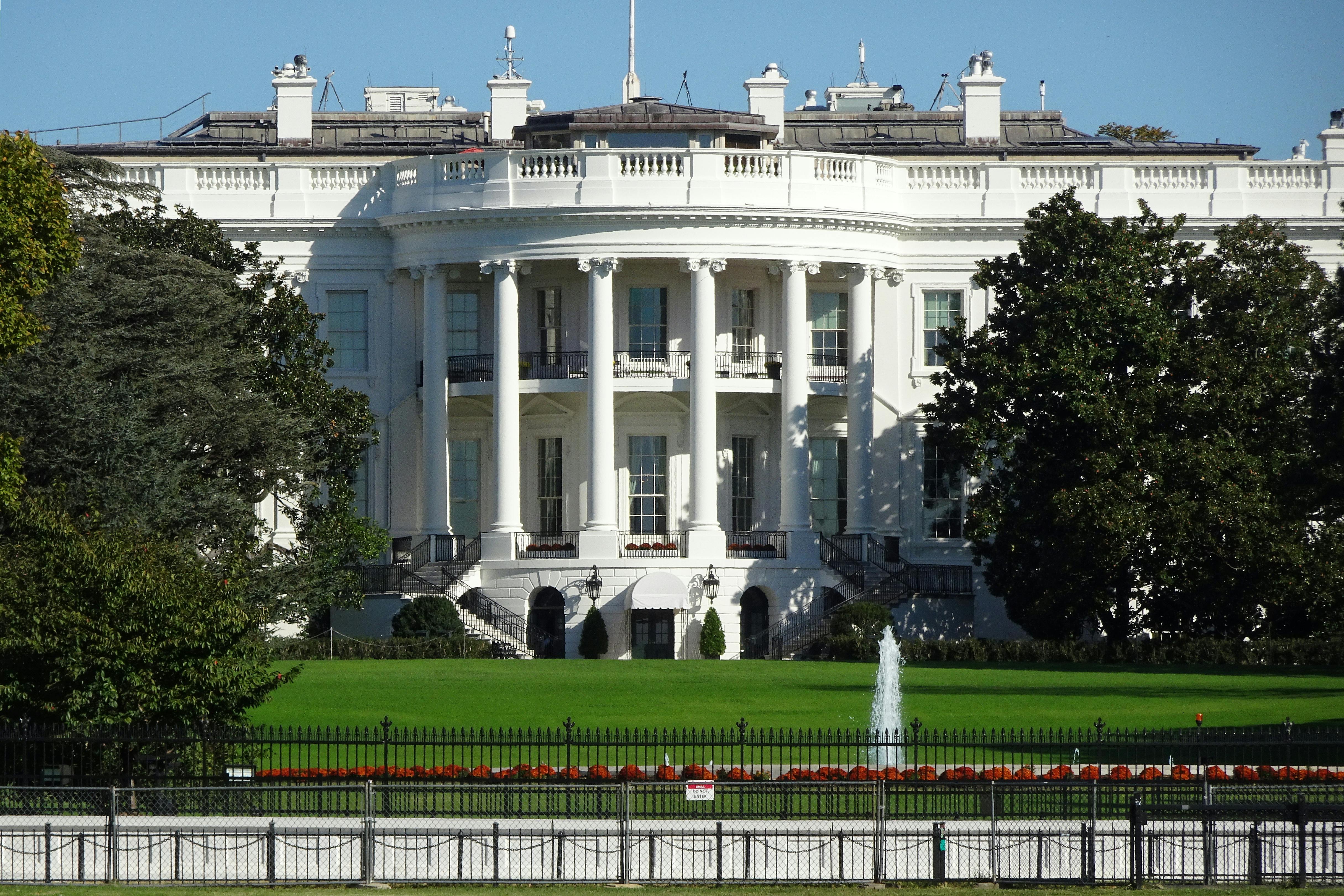
Senate Democrats, led by Minority Leader Chuck Schumer, said Tuesday they will use parliamentary procedures to strip roughly $1 billion in security funding for President Trump’s East Wing ballroom renovation from a $72 billion immigration enforcement package. The move sets up a floor fight that will force Republicans to defend spending on a project the president initially pledged to finance with private donations.
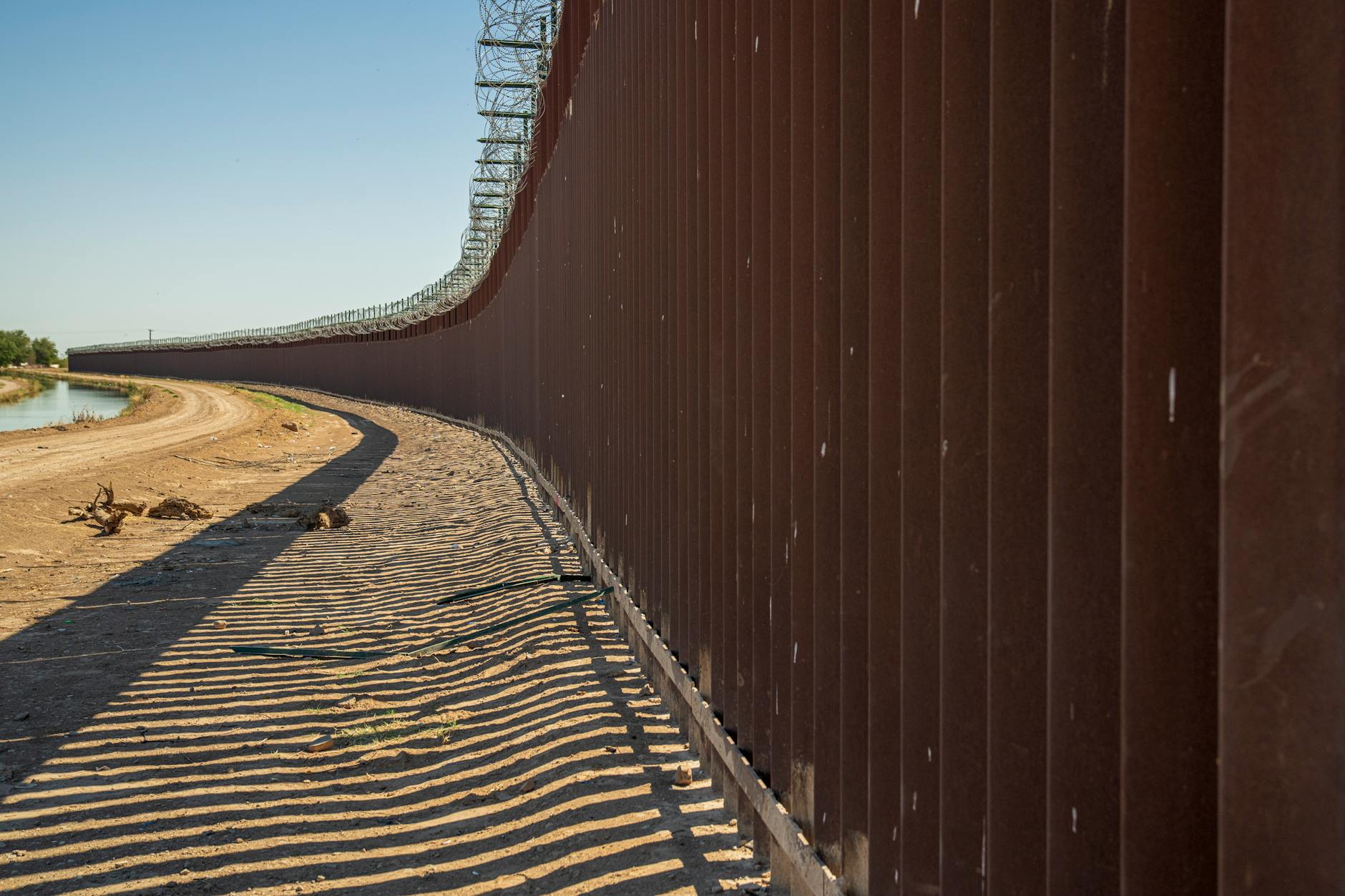
The ballroom security money was tucked into the broader reconciliation bill by Senate Republican appropriators as the package advanced through committee. It includes funding for border wall construction, detention capacity, and deportation operations and needs near-unanimous Republican support to pass the 53-seat chamber.
Senate Majority Leader John Thune defended the allocation Monday, arguing the Secret Service requires the resources to protect the president at the White House after three assassination attempts against Trump in the past two years.
“Obviously the money that’s in there is about securing that building,” Thune told the New York Times. “Secret Service has a job to defend and protect the president, and I need to make sure they have the tools to do it.”
Schumer rejected that framing.
He called the spending an indefensible use of taxpayer dollars and vowed to challenge it under the Byrd rule, which bars extraneous provisions from reconciliation legislation. “This staggering waste of taxpayer dollars has nothing, nothing to do with security and everything to do with Trump’s ego,” Schumer said. “That is a disgrace. Democrats will use every tool in our arsenal to fight this bill.”
The party-line dispute has exposed a rift within the Republican conference as well. Senator Rand Paul of Kentucky, who chairs the Homeland Security Committee, told reporters his preference was to provide no taxpayer money for the project at all. “My preference is always no taxpayer money,” Paul said. “And he can do it privately. That’s my preference.”
Paul’s objection creates a problem for Thune. The Majority Leader cannot afford more than three Republican defections on the final bill, and Paul has already signalled he is a no if the ballroom funding stays in.
How the money got there
Trump has prioritized the East Wing ballroom since returning to the White House in January 2025. The president has described the renovation as a venue for official state functions and said construction would cost roughly $400 million, covered by private contributions rather than appropriated funds.
What Republican appropriators approved was more than double that amount, and the money would come directly from the Treasury. GOP leaders viewed the provision as a loyalty test for their conference — a vote designed to put lawmakers on the record supporting or opposing the president’s stated priorities, the Bloomberg Government newsletter reported.
The Secret Service said the existing East Wing configuration creates security vulnerabilities that the renovation would address. The building’s current layout forces protectees through public-facing corridors; the proposed design would add secure entry and exit routes and hardened perimeter zones.
Officials briefed on the project’s security assessment pointed to the three attempts on Trump’s life since 2024 as evidence that physical upgrades at the White House complex are overdue. One attempt resulted in a shooter wounding the president’s ear at a rally in Pennsylvania. Another involved an armed man arrested near Trump’s Florida golf course. The third was foiled at a Las Vegas campaign stop before the suspect reached the venue.
Democrats argue the security rationale does not hold up under scrutiny. The White House already operates under some of the tightest physical security protocols of any building in the world. The Secret Service’s budget has grown sharply in recent years, while the agency has not formally requested a line item for ballroom-specific hardening, according to Democratic staff on the Senate Appropriations Committee.
The parliamentary fight ahead
By packaging the funding inside a must-pass immigration bill that many vulnerable Democrats up for re-election will find difficult to oppose, Republican leaders have complicated the vote count for Schumer’s caucus. Several moderate Democrats in purple states have signalled they are open to supporting the underlying immigration package, even as they criticize the ballroom provision.
Whether the Byrd rule applies will turn on whether the Senate parliamentarian agrees that the security funding bears no direct budgetary relationship to immigration enforcement. If the parliamentarian rules in Democrats’ favour, the provision would require 60 votes to survive rather than a simple majority — a threshold Republicans cannot meet on their own.
The floor debate is expected to begin later this week. Were the ballroom money to be stripped, the broader immigration bill could still pass, though the timing would slip and conservative Republicans who backed the package partly because of the White House security component may withdraw their support.
Schumer told reporters Tuesday that his caucus would not negotiate on the point. “Every dollar that goes to Trump’s vanity project is a dollar that isn’t going to border security,” he said. “We are going to make them own this.”

Ramona Castellanos
US politics correspondent covering Congress, primaries and the Trump administration. Reports from Washington.