Israeli strikes kill 16 in Lebanon, Hezbollah retaliates across border
Israeli airstrikes killed at least 16 people across southern Lebanon on Saturday, the deadliest day since a US-brokered ceasefire took effect three weeks ago.
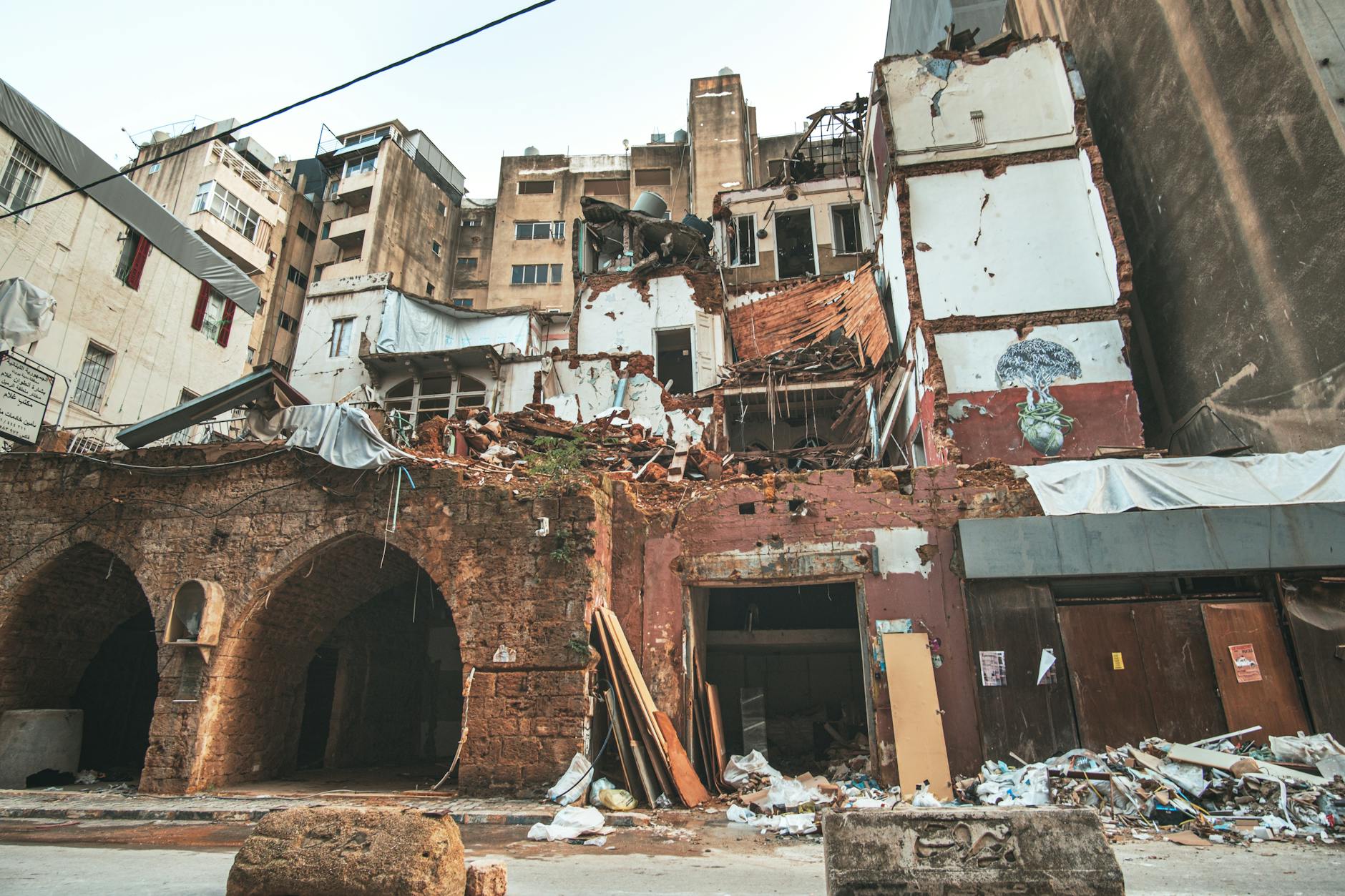
Israeli airstrikes and artillery fire killed at least 16 people across southern Lebanon on Saturday, the deadliest single day since a US-brokered ceasefire took effect three weeks ago. Hezbollah responded by launching its first cross-border attacks since the truce began, striking military bases in northern Israel with drones and rockets days before diplomats are due to meet in Washington.
The Lebanese Health Ministry said the dead included four children. At least 54 people were wounded in strikes that hit the southern towns of Saksakiyeh, Nabatieh, and Bedias, as well as the Saadiyat highway roughly 20 kilometres south of Beirut, an area outside traditional Hezbollah strongholds. A separate tally by Euronews put the death toll at 39, though the ministry figure of 16 was the only one attributed to an official source.
The Israeli military said it struck more than 85 Hezbollah targets in the previous 24 hours, including weapons depots, rocket launchers, manufacturing sites, and an underground facility in Nabi Chit in the Bekaa Valley. The IDF described the Saksakiyeh strike as targeting “Hezbollah terrorists operating from within a structure used for military purposes.” Seven people were killed and 15 wounded there, including one child, according to Lebanon’s National News Agency. Israeli forces also demolished homes in the Al-Jabana neighbourhood of Bint Jbeil and fired illumination flares over several southern towns.
Hezbollah claimed responsibility for 26 attacks on Saturday, including drone and rocket strikes on military bases near Nahariya and the Meron base in northern Israel. One Israeli army reservist was severely wounded and two others moderately injured. The group’s lawmaker Hassan Fadlallah warned of “a new phase, in which the resistance will not accept a return to pre-March 2.”
“When it attacks our villages and suburbs, the enemy must expect a response,” Fadlallah said.
The strikes
The attacks were spread across southern Lebanon in a geographic arc from the coast to the Bekaa Valley. In Nabatieh, a Syrian national and his 12-year-old daughter were killed in three successive drone strikes, according to the Health Ministry. The father was struck first while riding a motorbike; a third drone hit the girl directly as she approached the scene.
Three people were killed when a vehicle was struck on the Abbasiyah to Burj Rahal road in the Tyre district. Another three died in a vehicle attack on the Moultaqa al-Nahrain road in the Chouf district. A drone strike killed one person in the Al-Masarib neighbourhood of Meifdoun. Artillery shelling was also reported in Braachit, Safad al-Battikh, Touline, Ghazieh, and Froun, according to Lebanese state media.
The Israeli military issued evacuation orders for nine towns in southern Lebanon, designating them “active combat zones” and instructing residents to move at least one kilometre from the specified sites. Neither Saksakiyeh nor Nabatieh, where the deadliest strikes occurred, was included in those warnings. The orders prompted new displacement toward the Lebanese interior, with residents reporting heavy Israeli surveillance flights overhead.
Ceasefire under strain
The violence threatens a truce announced by US President Donald Trump in mid-April and later extended through the middle of May. The ceasefire has failed to halt daily exchanges of fire. Israel reserves the right to act against what it calls “planned, imminent or ongoing attacks” under terms released by Washington, while Israeli troops operate inside a buffer zone extending roughly 10 kilometres into Lebanese territory.
Lebanese and Israeli representatives are scheduled to hold direct talks in Washington on 14 and 15 May, the second round of negotiations since the ceasefire was extended. Fadlallah called for the Lebanese government to withdraw from the talks in favour of indirect negotiations, describing the meetings as a “path of concessions.”
Saturday’s cross-border operations were the first Hezbollah has publicly claimed since the April truce. The group also said it intercepted an Israeli drone over al-Abbasiyah with a surface-to-air missile and clashed with Israeli forces in the town of Al-Bayada. Several explosive drones were launched into Israeli territory beyond the two confirmed base strikes, according to the group.
What comes next
Hezbollah drew Lebanon into the broader conflict on 2 March by launching rockets at Israel in retaliation for the killing of Iran’s supreme leader in joint US-Israeli strikes. Since then, Israeli attacks on Lebanon have killed more than 2,700 people and displaced over one million, according to Lebanese authorities.
The weekend escalation leaves both sides in hardened positions ahead of the Washington talks. Israeli troops remain inside the buffer zone on Lebanese territory, and the evacuation orders for nine southern towns indicate the military expects further operations. Hezbollah’s public return to cross-border attacks shows the group will not observe the ceasefire unilaterally while Israeli strikes continue.

Yara Halabi
Foreign affairs correspondent covering the Middle East, the Gulf and US foreign policy. Reports from London.