Trump redistricting push stalls in Alabama, South Carolina
Trump redistricting efforts in South Carolina and Alabama ran into Senate resistance and a court block, blunting a late House-map push.
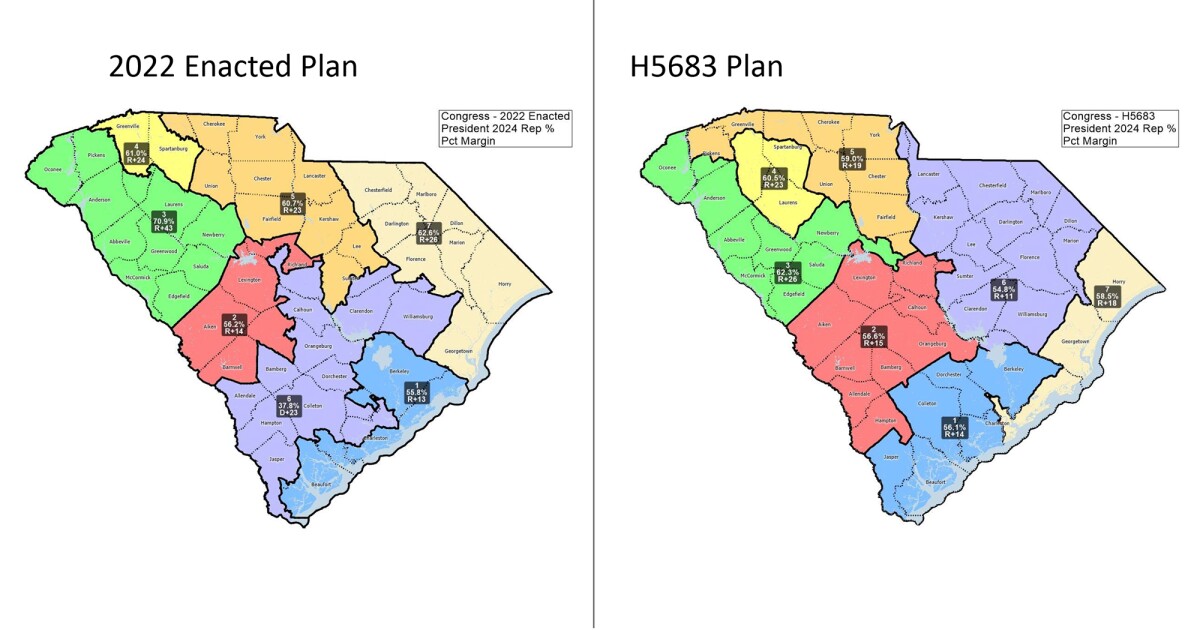
President Donald Trump’s push to redraw congressional maps before the midterms ran into resistance in Alabama and South Carolina on Tuesday, slowing a Republican bid for quick House gains after a federal court in Alabama blocked one map change and South Carolina senators refused to advance another.
South Carolina carried the sharper immediate stakes. Republicans had tried to move a late map that could have made Rep. James Clyburn’s district more competitive, putting one of the state’s best-known Democratic seats in play. The twin setbacks left Trump with less room to press for a fast pre-November redraw through Republican-led state institutions.
In Columbia, a 24-20 procedural vote left the South Carolina Senate short of the support needed to end debate and move the proposal, after 12 Republicans joined Democrats to stop it. The vote came after Governor Henry McMaster urged lawmakers to act, but the coalition frayed once the calendar became part of the argument.
Early voting was already underway ahead of South Carolina’s June 9 primary. About 45,000 votes had been cast by 3 p.m. Tuesday on the first day, according to The New York Times. That made a last-minute rewrite harder to defend and harder to administer.
State Senator Richard Cash said he would not intervene once voting had begun. “South Carolina citizens are going to the polls today,” he said, adding that neither his conscience nor common sense would let him stop an election already under way, according to AP.
State Senator Larry Grooms told POLITICO that Republicans and the White House had worked quickly to pass the plan before in-person voting started, but that “the call from the governor came too late.”
The map drew so much attention because it threatened the seat held by Clyburn, the veteran Democratic congressman who remains a central figure in South Carolina politics and national Democratic campaigns. For Trump and House Republicans, a redraw would have offered a direct chance to hunt for another seat before November. For Democrats, the day’s fight became a measure of how far Republican leaders would go once the election process had already started.
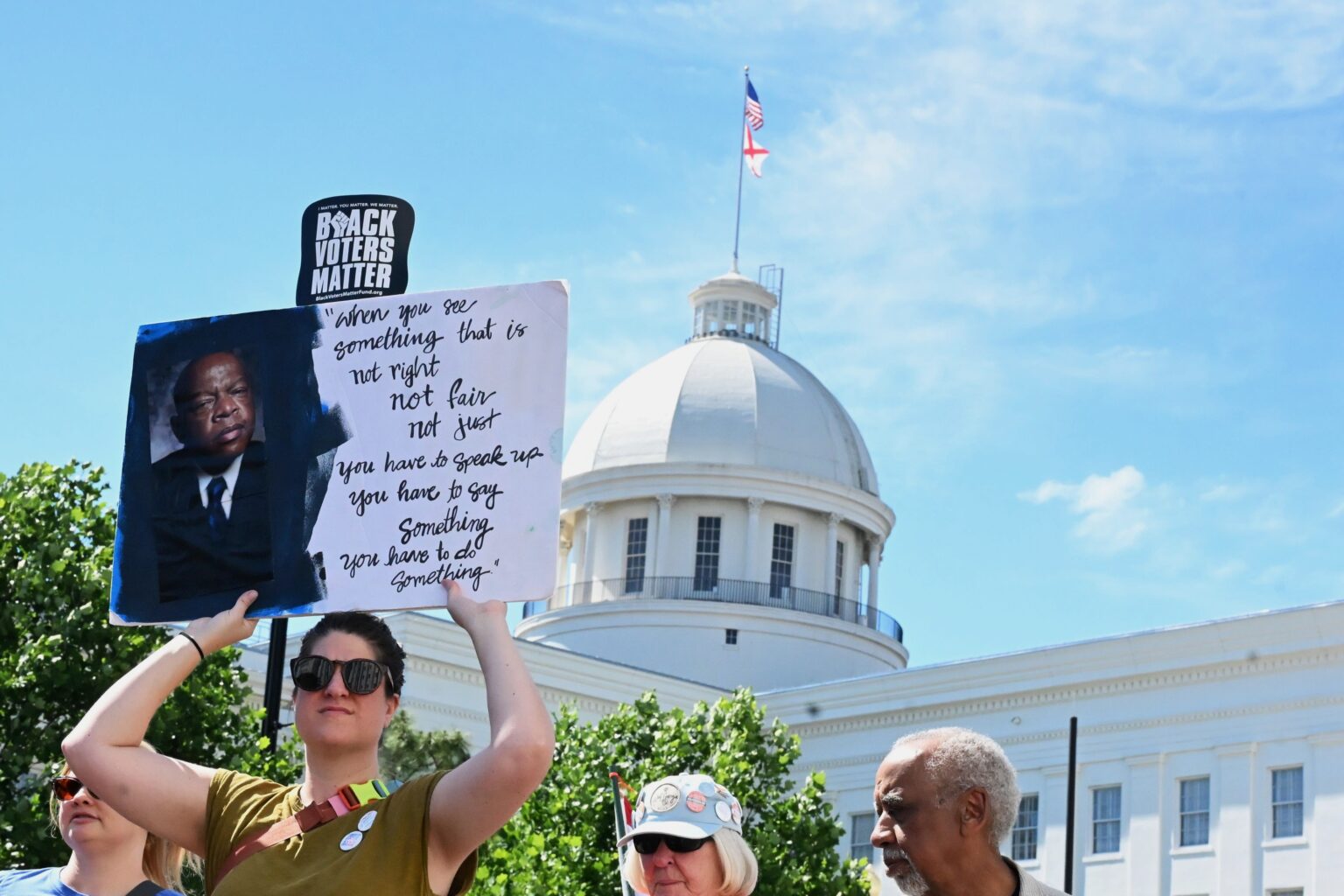
Alabama brought a different obstacle. Reuters reported that a federal court blocked a separate Republican-backed attempt there, cutting off another route for Trump’s allies in a state that has already seen repeated voting-rights battles over its congressional map. South Carolina showed resistance inside a Republican legislature; Alabama showed that judges could still halt a late push.
What the setbacks mean
The two decisions do not end Republican efforts to revisit House maps before the midterms, but they remove two of the quickest opportunities. Redistricting can alter the playing field faster than fundraising or candidate recruitment. It still has to survive court review, election deadlines and local political pressure.
For now, South Carolina’s existing map looks set to remain in place for the 2026 cycle. Alabama’s next step will depend on whether Republicans appeal or try a narrower change. Either way, Tuesday left Trump’s broader redistricting push facing both political resistance and legal limits.

Ramona Castellanos
US politics correspondent covering Congress, primaries and the Trump administration. Reports from Washington.