China stalls Airbus approvals to press Europe on COMAC
China stalls Airbus approvals as Beijing presses Europe over slow COMAC certification, turning civil aviation into industrial leverage.
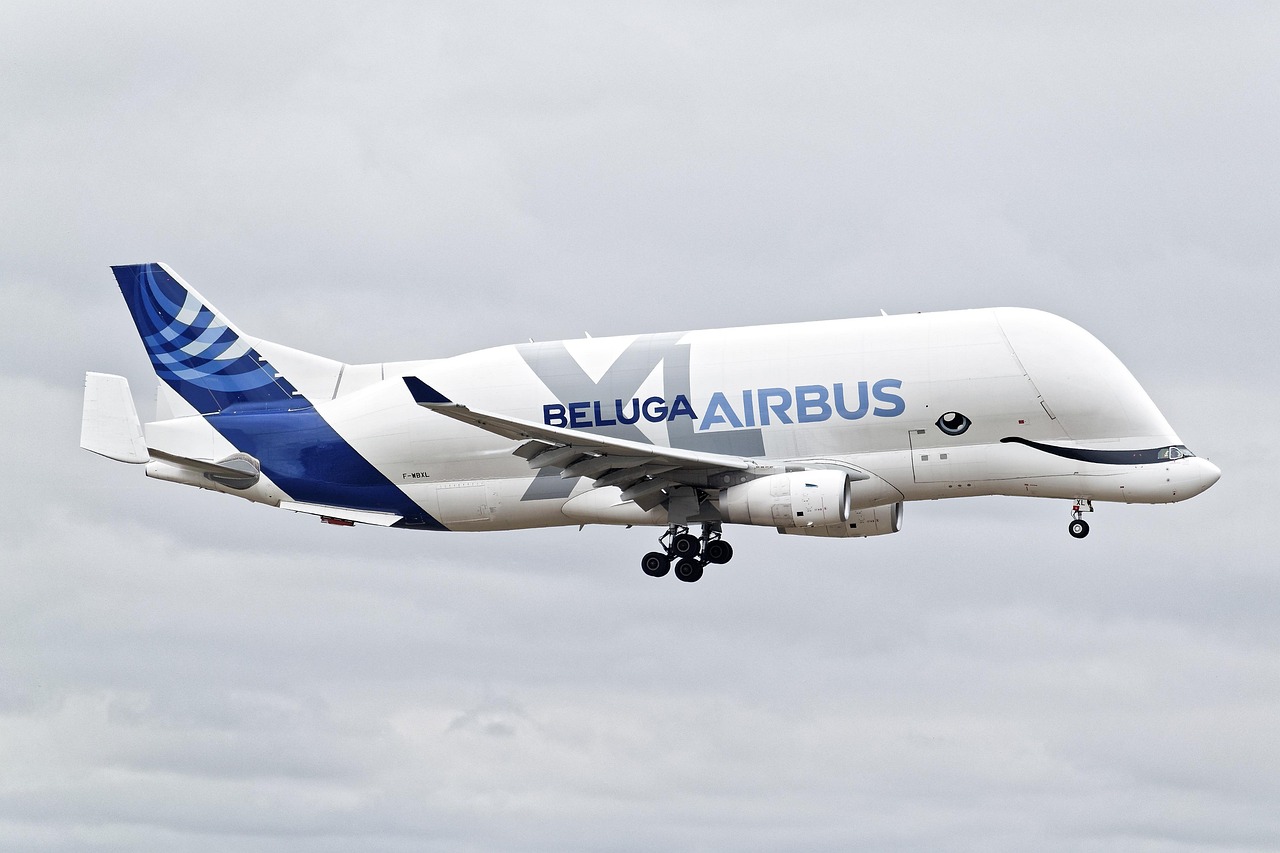
China has slowed final approvals for some Airbus deliveries as it signals frustration with Europe’s pace in certifying COMAC aircraft, according to people familiar with the matter cited by Bloomberg. What should be a technical aviation process is now touching a wider fight over market access and industrial policy.
Bloomberg said the holdup affects the last approvals needed before some Airbus planes can be handed over to Chinese customers. Reuters, citing Bloomberg, reported the delay has lasted several months. That gives Beijing a way to press Europe without launching tariffs or a formal trade case. Instead, it can use an administrative bottleneck that matters to one of Europe’s biggest manufacturers.
COMAC sits at the center of the dispute.
China wants its state-backed jetmaker certified in Europe, which would give it a safety endorsement from foreign regulators and a stronger sales argument beyond its home market. Airlines, lessors and suppliers watch those rulings closely. An approval would not break Airbus and Boeing’s hold on the market overnight, but it would give COMAC a more credible claim to international legitimacy.
For European officials, that creates an awkward line to hold. Aircraft certification is supposed to turn on safety and compliance, not on the commercial interests of governments. If China is linking Airbus handovers to COMAC’s review, it pushes a technical process into the realm of statecraft. The question for Europe is whether regulators can keep that boundary intact as relations with Beijing harden.
Airbus has little room to respond.
China remains a core long-term market for the company, yet Airbus does not control how quickly Europe reviews a Chinese rival’s aircraft. That leaves Airbus carrying the immediate commercial risk while the real policy argument sits elsewhere. A pause in approvals can disrupt customer handovers even if factory output is unchanged.
The episode fits a broader pattern in Europe-China ties. Market access, licensing and administrative decisions now feature more often in strategic-sector disputes. Civil aviation was once treated mainly as a technical and commercial field. In this case, it looks more like another channel through which governments test how far industrial policy can reach.
The outcome is still uncertain. European regulators have not indicated any change to COMAC’s certification timetable, and the slowdown reported by Bloomberg could prove temporary. Even so, the message is clear enough: a slow decision in Europe may now carry a cost for Airbus in China, and that precedent could outlast this particular delay.

Yara Halabi
Foreign affairs correspondent covering the Middle East, the Gulf and US foreign policy. Reports from London.