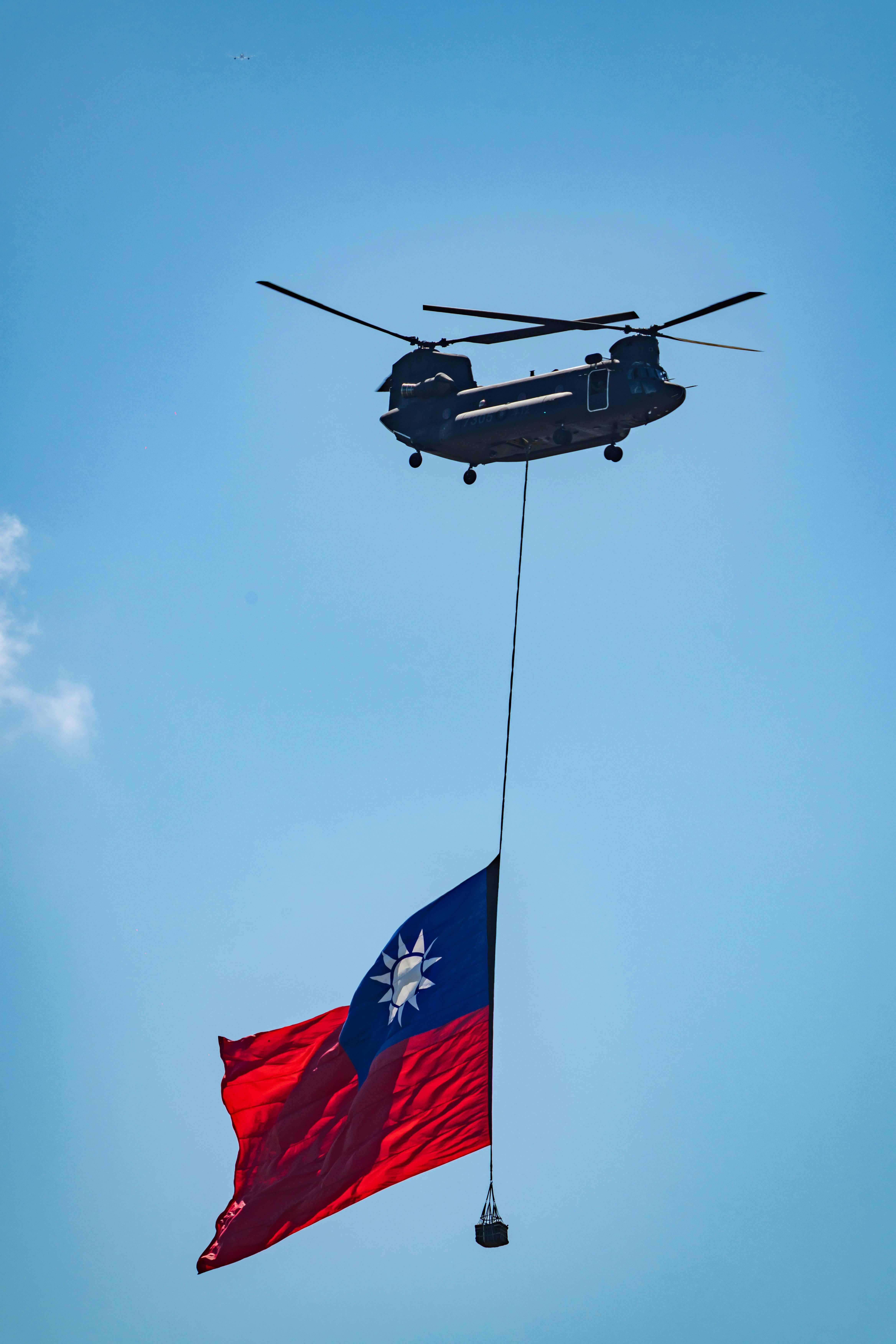
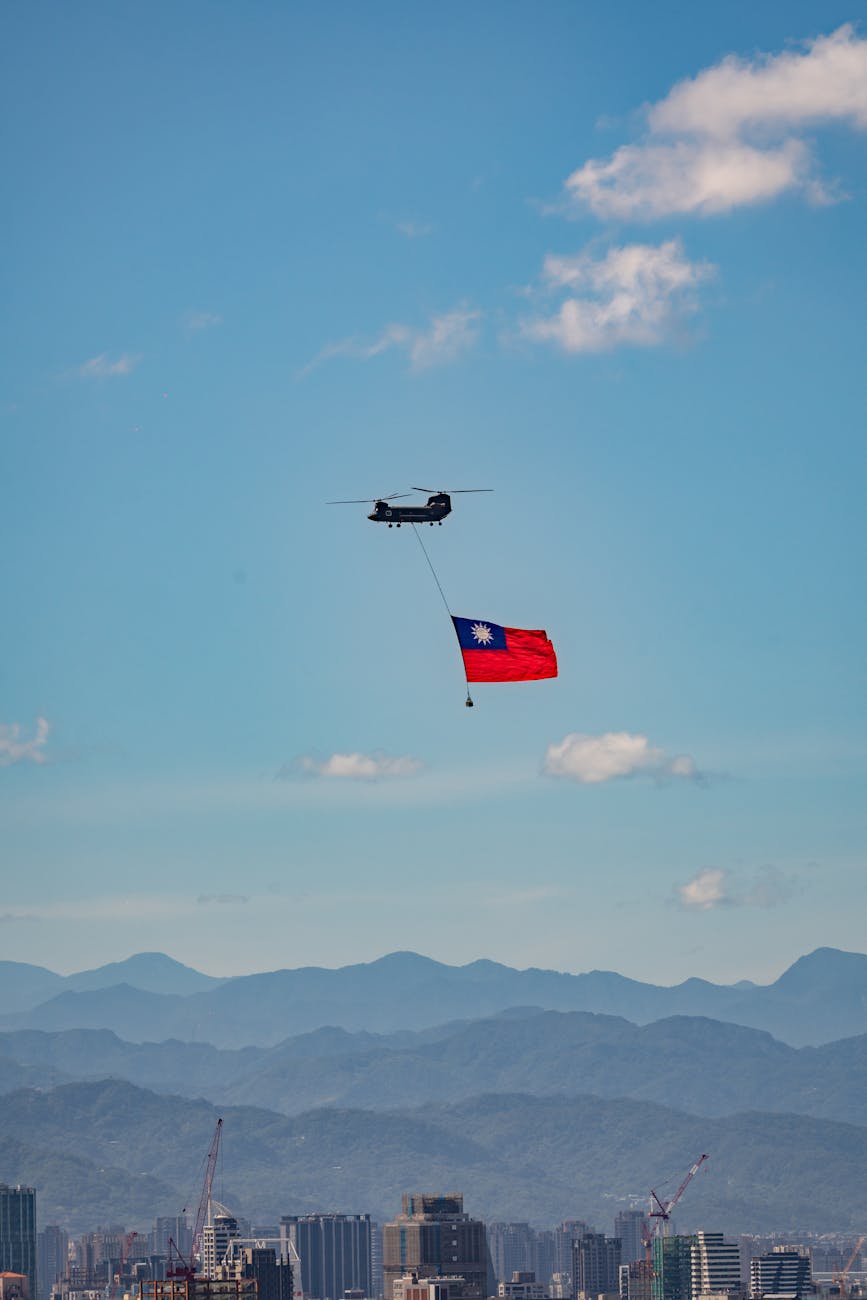
Trump puts Taiwan arms sales on table ahead of Beijing summit with Xi
President Donald Trump said he will discuss U.S. arms sales to Taiwan with Chinese President Xi Jinping during their summit in Beijing this week, raising the stakes for a $14 billion weapons package that has sat in limbo for months.
WASHINGTON — President Donald Trump said Monday he will discuss U.S. arms sales to Taiwan when he meets Chinese President Xi Jinping in Beijing this week, putting a $14 billion weapons package that has stalled for months at the center of the first face-to-face talks between the two leaders since Trump returned to office in January. The remarks, delivered during a White House press availability, set up what could be the most consequential test of U.S. defense commitments in the Indo-Pacific since Trump began his second term.
Trump, who departs Tuesday for the three-day summit, told reporters that Xi “would like us not to” proceed with the sales but that he intended to raise the issue anyway. “I’m going to have that discussion with President Xi,” Trump said. “That’s one of the many things I’ll be talking about.”
The remarks added uncertainty to a relationship both sides have sought to stabilize since the transition. The administration inherited more than $11 billion in arms and equipment authorized for Taiwan under the Biden-era foreign military sales program. Most of that hardware was never delivered. A separate tranche of advanced systems — including Javelin anti-tank missiles and M1A2 Abrams tanks — cleared Congress in December 2025 and is still awaiting Trump’s final sign-off. A decision to freeze or scale back that tranche, analysts said, would be the most significant shift in U.S. defense policy toward the island in decades.
Taiwan, which Beijing claims as its own territory, has pressed Washington to release the stalled deliveries as its own defense posture comes under strain. On May 8, Taipei’s legislature approved a defense budget of roughly $25 billion — well short of the $40 billion the government had requested. That shortfall highlights the island’s fiscal limits as it races to modernize its forces against a rapidly expanding Chinese military. Taipei will have to prioritize which systems it can afford even if Washington releases the full package.
Bonnie Glaser, director of the Indo-Pacific program at the German Marshall Fund, told CNBC that any signal from the summit suggesting Washington was stepping back from its arms commitments would carry consequences beyond Taiwan. “A tacit or explicit bargain in which Washington appears to concede a sphere of influence to Beijing over Taiwan could embolden China to take more assertive steps,” she said.
Trump struck a more optimistic note about the summit.
“I don’t think it’ll happen. I think we’ll be fine. I have a very good relationship with President Xi,” he said, according to the Straits Times. Beyond the arms question, the two leaders are also expected to discuss fentanyl trafficking, U.S. trade tariffs, and the fate of jailed Hong Kong media tycoon Jimmy Lai. The Lai case has been a persistent flashpoint in bilateral relations.
The summit is Trump’s first trip to Beijing since returning to the White House in January. Its outcome on Taiwan is likely to shape defense planning across the Indo-Pacific for the remainder of his term. Allies from Tokyo to Canberra will watch for any sign that the administration is willing to trade arms commitments for progress on other fronts.

Yara Halabi
Foreign affairs correspondent covering the Middle East, the Gulf and US foreign policy. Reports from London.