UK energy bills rise as Iran war hits gas prices
UK energy bills will rise 13 per cent in July as Iran-war gas costs push Ofgem's cap to £1,862, exposing Britain's gas-price vulnerability.
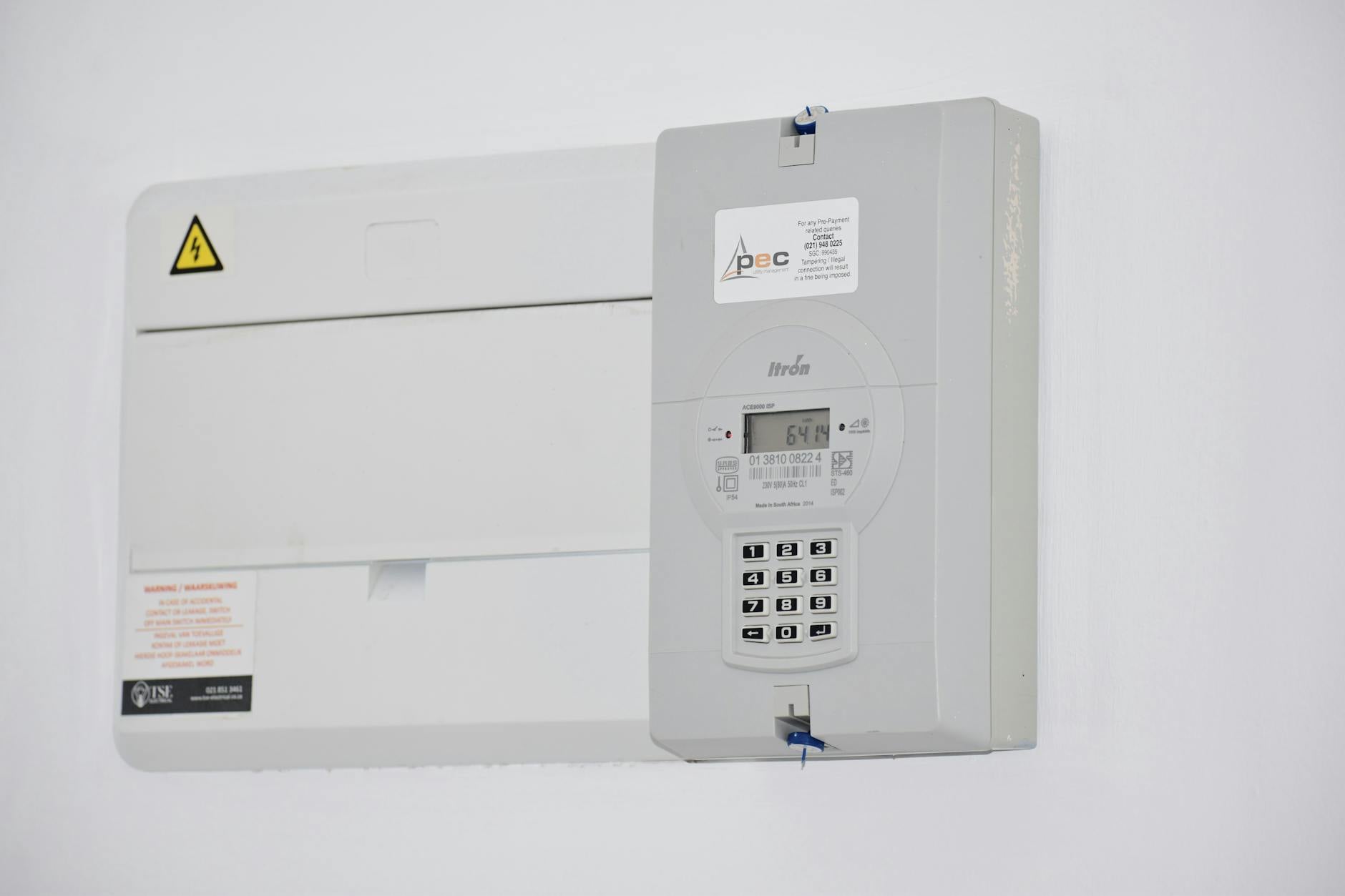
UK households are about to see the Iran war move from tanker routes and oil screens into direct debit statements, with the energy regulator raising the typical annual bill by 13 per cent from July.
Ofgem’s July price cap will put a typical dual-fuel household bill at £1,862 a year, up £221 from the current level, after wholesale gas prices jumped during the conflict. The change covers customers in Great Britain on default tariffs and lands in the summer, before the heavier heating demand that usually determines the political pressure of an energy shock.
Energy analysts are already looking past July to the October cap, which Ofgem will confirm in August. That next reset will show whether the Hormuz risk has faded or become part of the winter bill base.
For ministers, the first consequence is simple: a conflict treated mainly as a foreign-policy and security crisis is now a cost-of-living event.
Reuters reported that the cap will rise 13 per cent after gas costs climbed, while the BBC said about 33 million households are covered by the system. Around 40 per cent of households on fixed-term contracts are shielded for now, CNBC reported, but that insulation lasts only as long as those deals do.
“The rise in the price cap because of a war we did not choose is deeply unwelcome news for households across the country.”
Source: Ed Miliband, UK energy secretary
Miliband’s line matters because it frames the politics of the increase. Officials can blame the war for the first pass-through, but they cannot easily tell households that a geopolitical shock is someone else’s problem when the charge appears on domestic bills.
Why gas still sets the bill
Britain’s exposure starts with gas. It is used directly for home heating and still helps set power prices in a market where gas-fired generation often supplies the marginal unit of electricity. Disruption in the Gulf therefore has a path into the price of electricity, not only the price of gas.
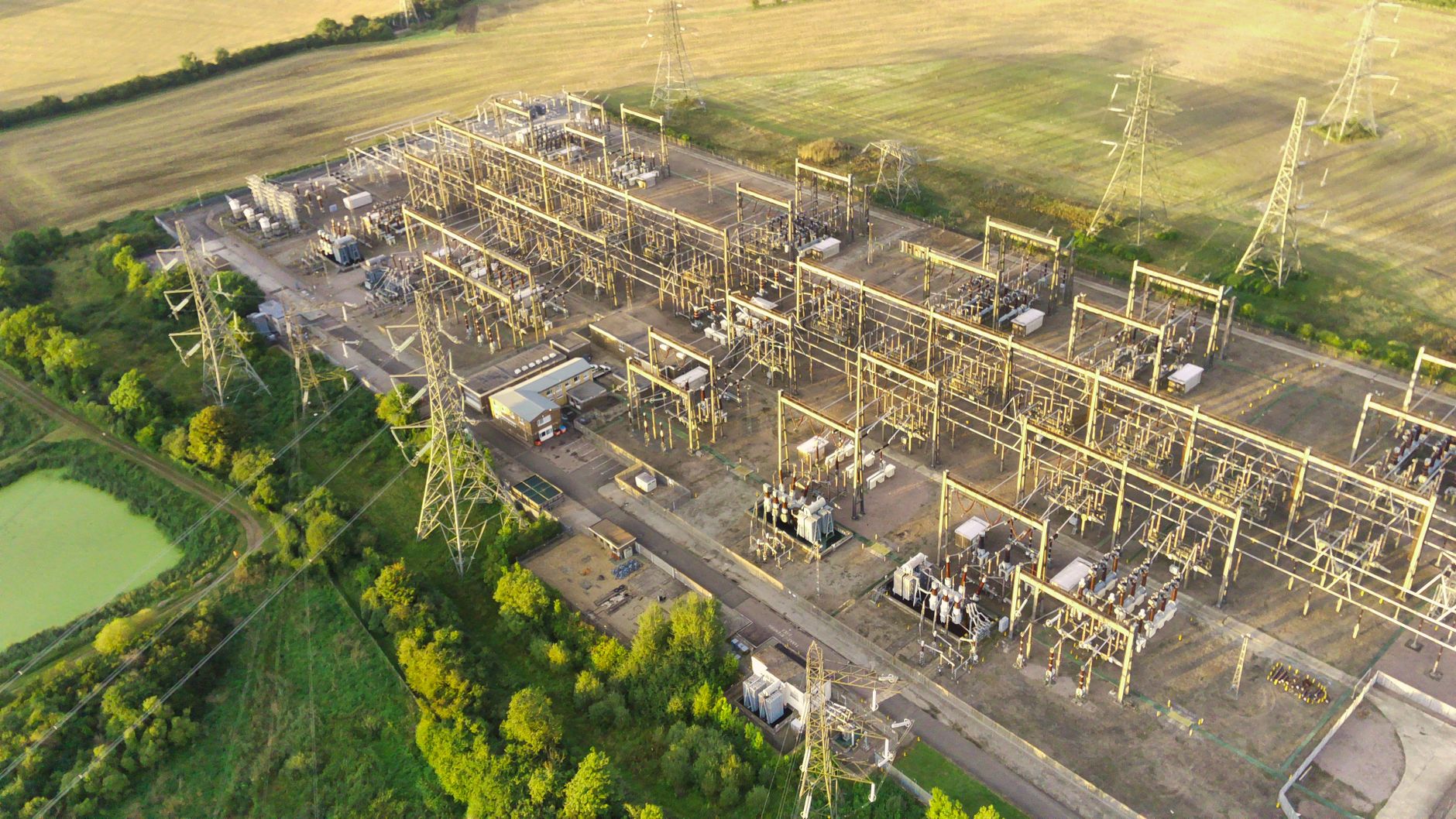
A Reuters analysis put the structural weakness bluntly: about 30 per cent of UK electricity comes from gas, and Britain has far thinner storage than some European peers, with roughly 12 days of capacity. Germany and France have larger buffers, so a wholesale spike is less immediately exposed to household tariffs.
Not every pound of the July increase came from a single event in the Gulf. Ofgem’s cap is calculated over an observation window, and it also includes network costs, policy costs, supplier operating costs and a profit allowance. Still, the Iranian conflict changed the wholesale benchmark during the period that mattered for July.
Timing separates a price shock from a bill shock. Oil traders react in minutes; household bills move through regulated cap windows. Consumers can therefore see the increase arrive suddenly even when market stress has been visible for weeks.
Tim Jarvis, Ofgem’s interim chief executive, acknowledged the strain in the regulator’s public message.
“We understand many will be concerned about rising prices.”
Source: Tim Jarvis, Ofgem interim chief executive
Ofgem can explain the formula, but it cannot neutralise the impact. A lower usage assumption can soften the headline annual bill, yet per-unit costs still rise. Households that use more energy than the notional typical household will pay more than the headline cap figure.
The October risk
July is a floor only if the war premium fades quickly. The October cap, due to be announced in August, will show whether the market treats the Iran shock as a temporary disruption or a longer repricing of supply risk.
Because Ofgem’s cap is backward-looking, a ceasefire or reopening of the Strait of Hormuz would not instantly unwind the household impact. Wholesale prices would need to fall during the next observation period. Relief that comes late can leave the October number elevated even after the most alarming market headlines have passed.
That is why the household effect is politically more stubborn than the oil chart. The Guardian reported before the cap announcement that higher bills were already expected to weigh on households after the Iran war doubled the UK gas market price. Ofgem’s later decision turned that expectation into a specific number.
Distribution matters. A £221 annual rise is an average, less damaging for households that built up credit through the spring or locked in a fixed tariff, and harsher for prepayment customers, renters in poorly insulated homes and households already carrying energy debt.
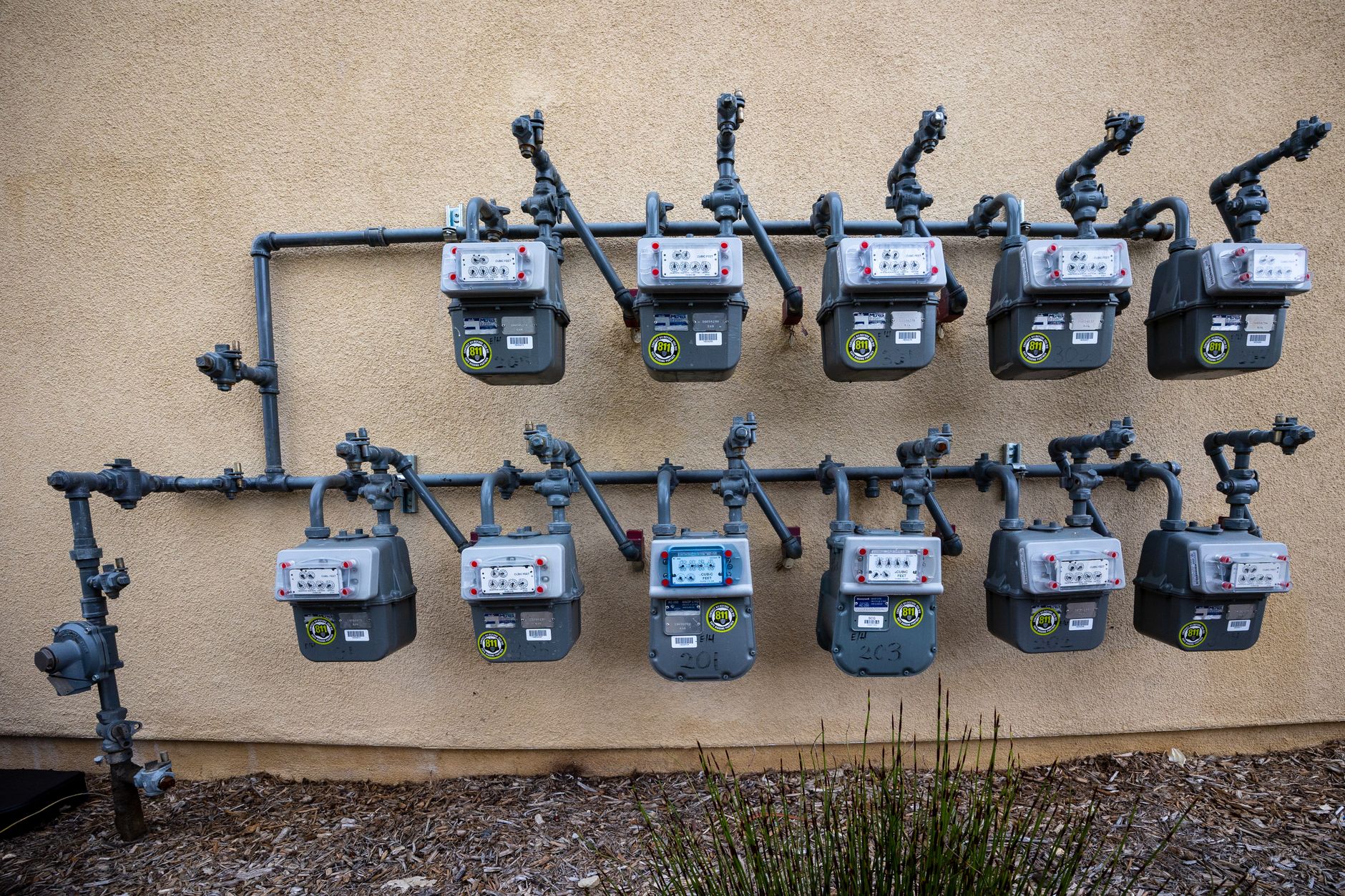
Fuel-poverty groups are pressing that point. Adam Scorer, chief executive of National Energy Action, told Reuters that ministers should act before arrears deepen.
“Now is the time for the government to set out targeted interventions to help those on the lowest incomes afford their energy and to clear their debt.”
Source: Adam Scorer, National Energy Action
For households on fixed deals, protection is also time-limited. CNBC’s 40 per cent figure suggests many consumers will not feel the increase immediately. Fixed terms expire, and if wholesale prices remain elevated the shield becomes a delay rather than a protection.
Ministers’ narrow choices
The government’s first answer is likely to be targeted support and a renewed argument for domestic clean power, not a broad return to the emergency subsidy model used during the 2022 energy crisis. That is partly fiscal caution and partly political messaging.
Miliband has an obvious case to make: imported fossil-fuel dependence leaves households exposed to conflicts Britain cannot control. The policy answer, in that framing, is more domestic generation, insulation and storage. It is a long-term answer to a short-term bill.
Monthly payments create the near-term problem. Households do not pay energy bills in strategy documents, and the July cap lands before many of the government’s preferred supply-side remedies can affect the price.
The Guardian’s editorial board argued that winter is the real test and that Labour needs a plan for energy shocks. That is analysis rather than official policy, but it captures the pressure forming around ministers: the summer rise is manageable for some households, serious for others and politically dangerous if it becomes the first step in a winter climb.
Suppliers will be watching arrears. A summer price rise gives them a chance to adjust repayment plans before winter, but it also reduces the room households have to build credit during lower-use months. Behind the headline cap sits that supplier concern.
Practical consumer guidance remains blunt. Households can check whether a fixed deal beats the cap, give regular meter readings and seek support early if debt is building. The BBC’s bill guide notes that the cap is based on typical use, which means actual bills still depend on consumption.
The larger signal is already clear. The Iran conflict has raised oil and gas prices, unsettled shipping assumptions and forced governments to watch the Strait of Hormuz. Britain now has the household pass-through. If the October cap rises again, the question will not be whether the war can reach domestic bills. It will be how long households are expected to absorb it.

Pria Kothari
Energy and commodities correspondent covering OPEC, oil markets and the Gulf. Reports from London.