Bessent tells Congress oil prices will drop after Iran conflict
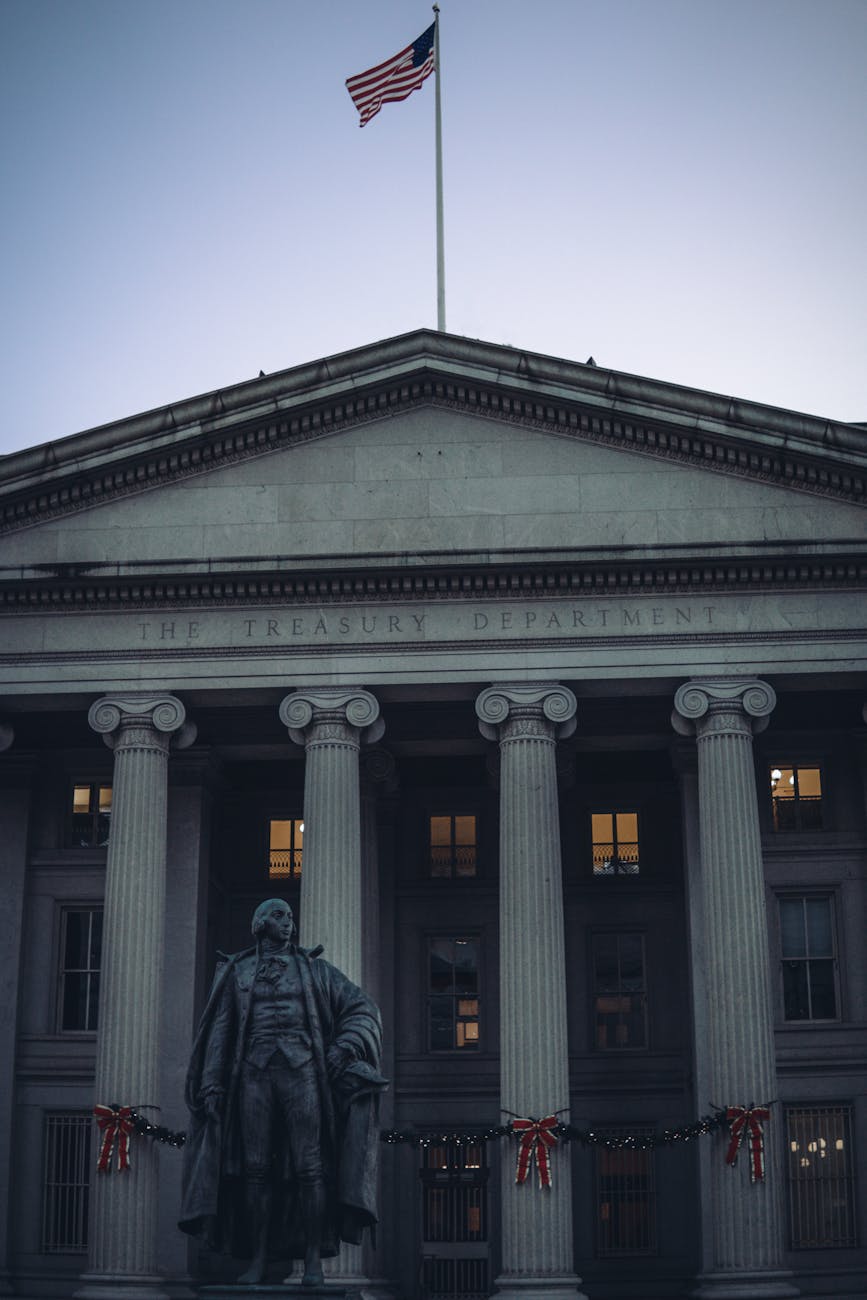
Treasury Secretary Scott Bessent told lawmakers he expects oil and gasoline prices to fall sharply once the U.S.-led conflict with Iran concludes, pointing to the Strait of Hormuz as the main price driver.
WASHINGTON — Treasury Secretary Scott Bessent told lawmakers on Tuesday that he expects oil and gasoline prices to fall significantly once the U.S.-led conflict with Iran concludes, pointing to the Strait of Hormuz bottleneck as the primary driver of the surge that has pushed American gasoline above $4 per gallon.
The prediction, delivered during testimony before a House committee, is among the most concrete from a senior Trump administration official about when consumers might see relief from fuel costs that have climbed more than 40 percent since late February, when U.S. and Israeli forces began striking Iranian naval targets in the Persian Gulf.
“Oil prices on the other side of this conflict are going to be much lower,” Bessent said. He added a separate assurance on gasoline: “I think the conflict will end, I think gasoline prices will come back to where they were or perhaps lower.”
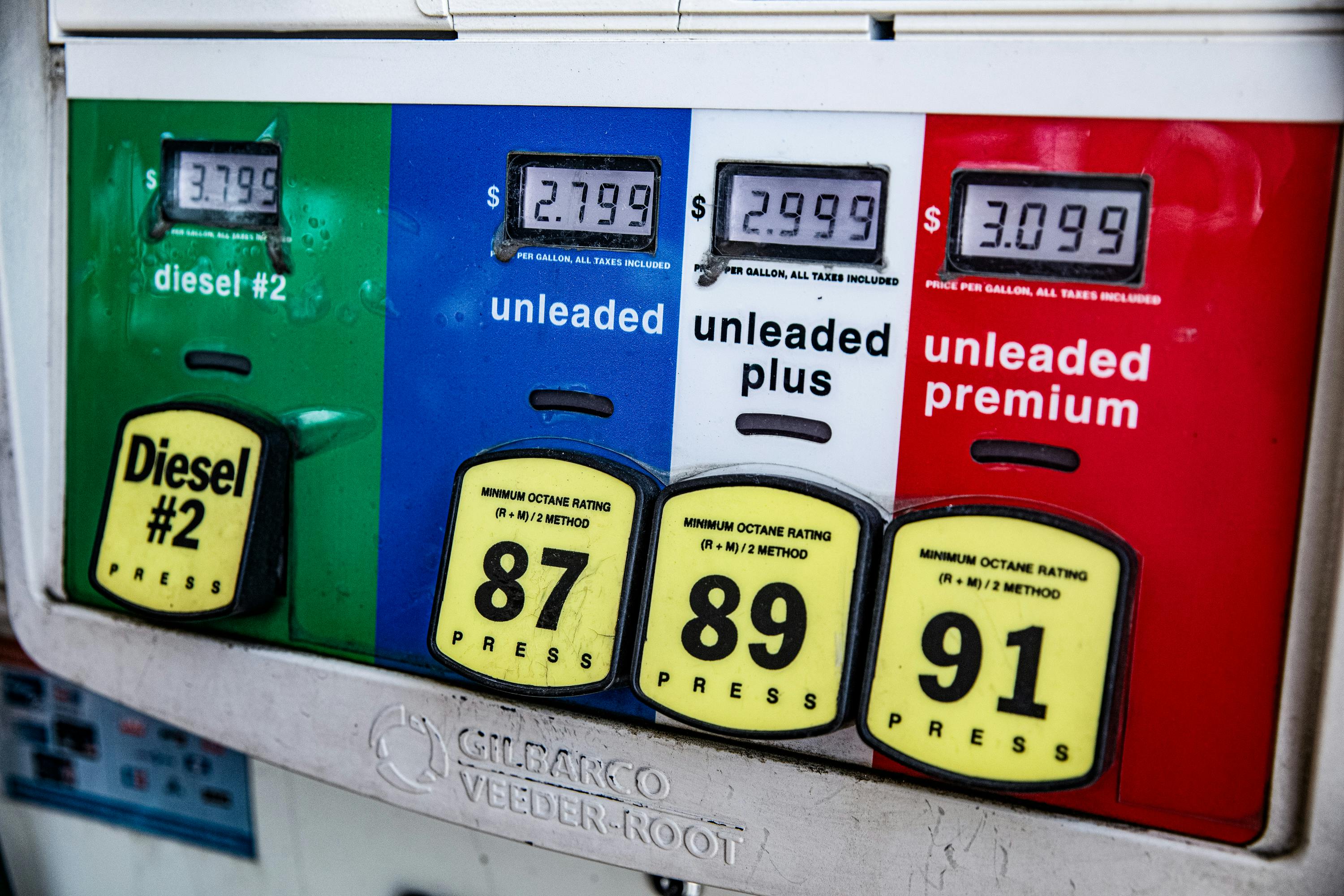
The average price of a gallon of regular gasoline in the United States stood at $4.18 on May 3, up $1.19 from the $2.98 recorded on Feb. 28 — the day the airstrikes began. Crude oil has traded near $100 per barrel, a level not sustained since 2014 outside of the initial weeks of Russia’s full-scale invasion of Ukraine. Benchmark Brent crude touched $102 earlier in the month before settling back toward $98, reflecting a market that has priced in both the supply shock and the uncertainty over how long it lasts.
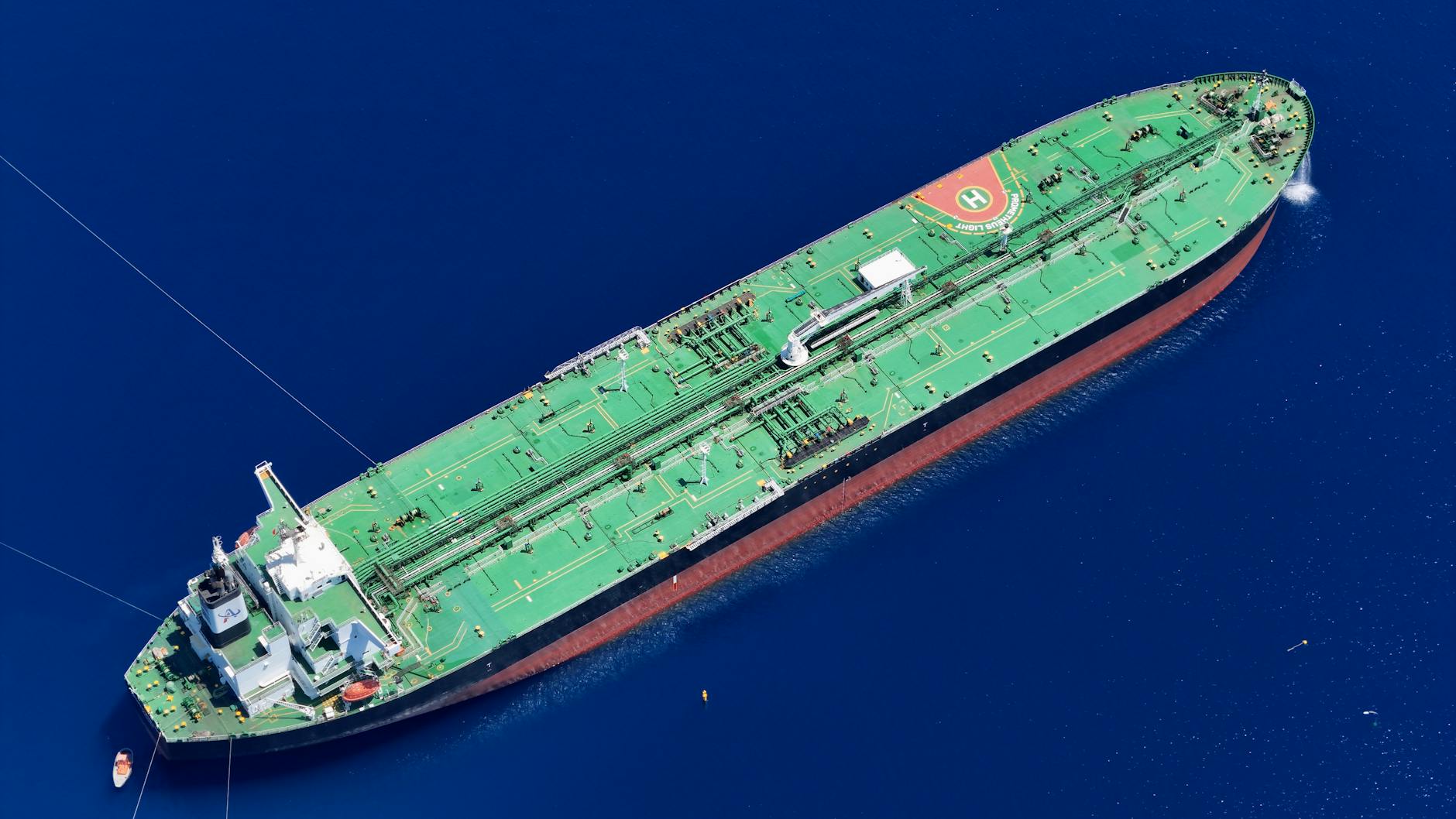
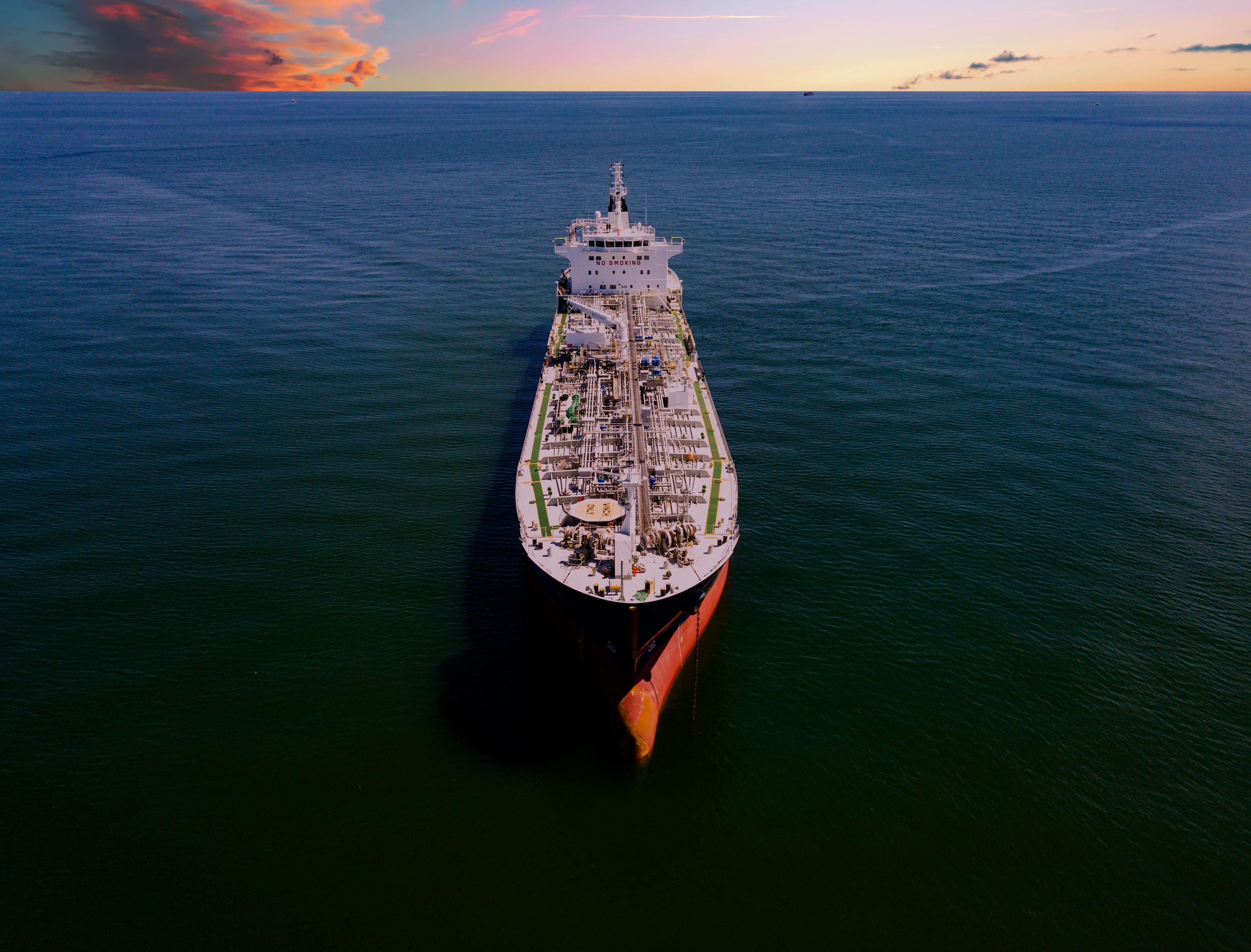
Roughly one-fifth of global oil and gas supplies transit the Strait of Hormuz, the narrow waterway between Iran and the Arabian Peninsula that has been the theater of the most intense naval engagements since World War II. U.S. forces have fired on and disabled Iranian tankers in the strait. Tehran has responded with drone and missile attacks on commercial shipping. Lloyd’s of London widened its high-risk zone to cover most of the Gulf in March, pushing war-risk insurance premiums to levels not seen in decades.
Bessent also defended the administration’s sanctions policy, linking it to President Donald Trump’s record on energy costs. “President Trump has shown that he is good at getting energy prices down,” Bessent told the Washington Times in late April. The Treasury chief did not offer a timeline for when hostilities might cease beyond his stated expectation that the conflict will resolve.
The toll at the pump
American drivers have absorbed the full weight of the Hormuz disruption since late February. The $1.19 increase translates to roughly $18 more per fill-up for a typical sedan. In California, prices have breached $5.50 in some markets, reviving memories of the summer of 2022 when the national average briefly topped $5.
Bessent’s forecast rests on the assumption that the strait returns to something resembling normal traffic — and that speculators who have bid up crude futures unwind their positions once the naval risk recedes. He told lawmakers gas prices could fall below $3 per gallon once hostilities end. For consumers who have watched pump prices climb week after week, the implied reversal would be the steepest since the aftermath of the 2008 financial crisis.
That would mark a sharp decline but not an unprecedented one. Gasoline prices dropped by roughly a dollar per gallon in the six months after Russia’s invasion of Ukraine, once the initial supply panic subsided and strategic reserves were tapped. But the difference this time is material: the U.S. Strategic Petroleum Reserve sits at its lowest level in four decades, leaving far less buffer for a rapid drawdown. The administration has already released 12 million barrels from the reserve since March.
Ceasefire proposals have been floated and then collapsed repeatedly. Iran most recently rejected terms it said would leave its naval assets exposed to further strikes. Diplomatic channels involving China have opened but yielded no breakthrough. The forward curve in oil futures markets tells a cautious story: contracts for delivery in December 2026 are trading only about $7 below the front-month price. Traders, in other words, do not yet share Bessent’s conviction that the decline will be swift.
What comes next
Bessent’s testimony was the latest effort by the administration to project confidence that the economic pain of the Iran conflict will prove temporary. The consumer sentiment index has fallen to its lowest reading in more than two years. A Financial Times poll published this week found disapproval of Trump’s economic management at 52 percent — the highest of his presidency. Every $10 move in the price of crude adds or subtracts roughly 25 cents from the pump price, and the weight of those swings now falls on an electorate already sour on the economy.
And yet the Treasury Secretary was unambiguous in his message. “Oil prices on the other side of this conflict are going to be much lower,” he repeated. When the other side arrives is the question that remains unanswered — by Bessent, by the Pentagon, and by the futures market.

Pria Kothari
Energy and commodities correspondent covering OPEC, oil markets and the Gulf. Reports from London.