Iran internet blackout lifts as ceasefire talks wobble
Iran began easing an 88-day internet blackout on Tuesday, though monitors said service remained partial as ceasefire diplomacy with Washington stayed fragile.
Iran began restoring internet access on Tuesday after an 88-day blackout, Iranian officials and network monitors said, reconnecting part of the country while ceasefire diplomacy with Washington remained unsettled.
The reopening eased one of the government’s broadest wartime controls, but it did not amount to a full return to normal service or a clear signal that the conflict was ending. The blackout began on 28 February after US and Israeli strikes. Tuesday’s move instead suggested Tehran was willing to relax a costly restriction while keeping tight control over how access returned.
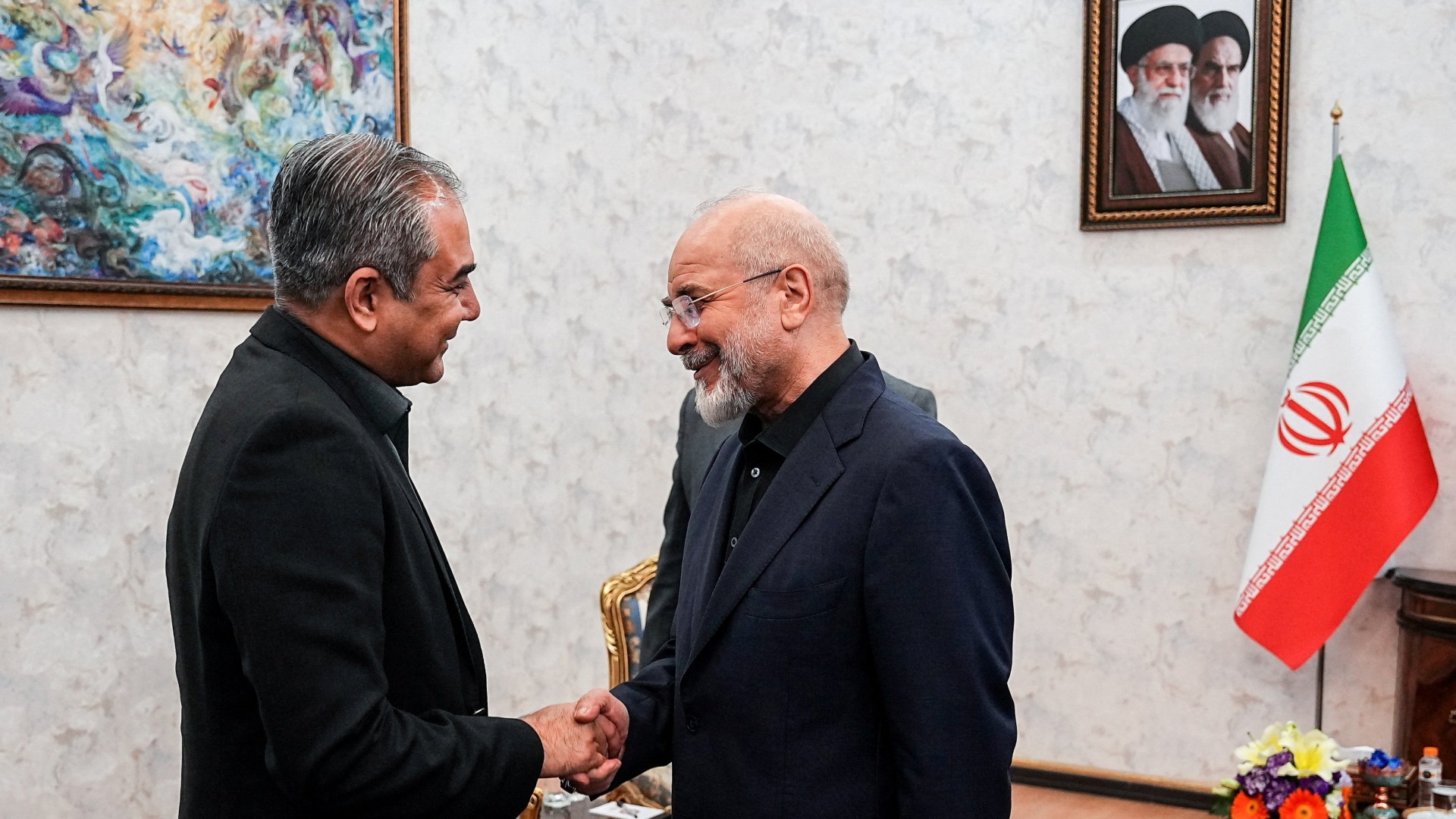
Iran’s restoration of internet access was announced by first vice-president Mohammad Reza Aref, who described it as the start of a supervised reopening, not a return to pre-war conditions. His statement pointed to a phased process after nearly three months in which much of the country was cut off from the global web.
“The first step toward free and regulated access to cyberspace has been taken.”
— Mohammad Reza Aref, Iran’s first vice-president
Outside monitors said the shift was real but incomplete. BBC News reported that NetBlocks and traffic-monitoring company Kentik both detected a recovery in connectivity at about 13:00 GMT on Tuesday. Isik Mater, NetBlocks’ research director, said service returned unevenly across the country, a sign that authorities had not restored previous access in one step.
“Access is not universally back to its original state, with some regional variation.”
— Isik Mater, NetBlocks research director
NetBlocks described the change as “partial restoration to internet connectivity”, and BBC reporting said some users were still relying on restricted routes that had become common during the shutdown. That left open the larger question of how much international traffic Tehran will allow in the coming days.
The blackout became one of the most visible domestic consequences of the crisis. According to the New York Times and BBC, the shutdown lasted almost three months, far longer than the short localised disruptions that often follow specific security incidents. Tuesday’s recovery in traffic marked a policy shift, even if many users still lacked ordinary service.
For Iranian households and businesses, even partial access matters. The blackout cut links to foreign websites, messaging services and outside news, making everyday communication harder during a period already strained by military escalation. A broader reconnection would ease some of that pressure if the service holds.
Why the timing matters
The change also fits Iran’s pattern of tightly managed access since the ceasefire announced on 8 April. After that deal, the government introduced an “internet pro” scheme that gave selected groups some international connectivity while much of the country stayed under heavier restrictions. Tuesday’s move went further, but it still looked like a state-managed easing rather than an open return.
Diplomacy, meanwhile, remained fragile. The 8 April ceasefire reduced open fighting, but it did not settle the dispute with Washington. That left Tehran room to make domestic concessions that could be reversed quickly while preserving leverage in talks.
That matters because service has not fully returned and authorities have shown they can reimpose controls when security conditions change. Iranian leaders can present Tuesday’s move as a step to reduce pressure at home without giving up control over information flows.
For now, the clearest conclusion is limited. The blackout that began on 28 February is no longer total, which matters for millions of users. The staged return, official supervision and regional variation point to a controlled reopening under state supervision.

Yara Halabi
Foreign affairs correspondent covering the Middle East, the Gulf and US foreign policy. Reports from London.