Warren-Waters housing bill split tests Democratic strategy
Warren-Waters housing bill split shows Democrats torn between curbing big investors and keeping a bipartisan affordability package alive.

Elizabeth Warren and Maxine Waters, two of Washington’s most influential progressives, have landed on opposite sides of the 21st Century ROAD to Housing Act. Their split has turned the housing package into a live test of how Democrats want to legislate on affordability in an election year.
Investor limits are the immediate dispute, but the fight runs deeper. Warren backed a Senate package that paired supply measures with tougher language on institutional buyers. In the House, Waters helped guide a rewrite that still passed 396-13, after the chamber amended the measure and sent it back to the Senate. Together those moves map a broader Democratic divide: whether to write a bill that maximizes its odds of enactment or one that is easier to defend as a direct check on Wall Street.
Policy analysts, however, read the same legislation differently. In the Bipartisan Policy Center’s breakdown of the bill, the package still looks like a substantial housing effort spanning supply, financing and ownership rules. From Warren’s side, the House changes weakened the part that most clearly matched the White House’s January call for action to stop Wall Street from competing with Main Street homebuyers. That tension, rather than the personal drama, explains why the clash matters.
In Politico’s reporting on the Warren-Waters split, a Democratic lawmaker captured the standoff bluntly:
“Ranking member Warren and ranking member Waters are powerful, larger-than-life personalities. Neither has any inclination to defer to the other.”
Democratic lawmaker, Politico
What the House changed
Viewed one way, the fight is about what survived the compromise and what did not. The Senate approved its version 89-10, a sign that both parties saw room for a broad affordability package. House lawmakers then kept the larger structure intact while softening the sharpest anti-investor provisions. Waters argued the chamber preserved more than 90 per cent of the original bill. Warren’s camp can answer that the missing slice included the easiest part of the package to sell to angry renters and locked-out first-time buyers.
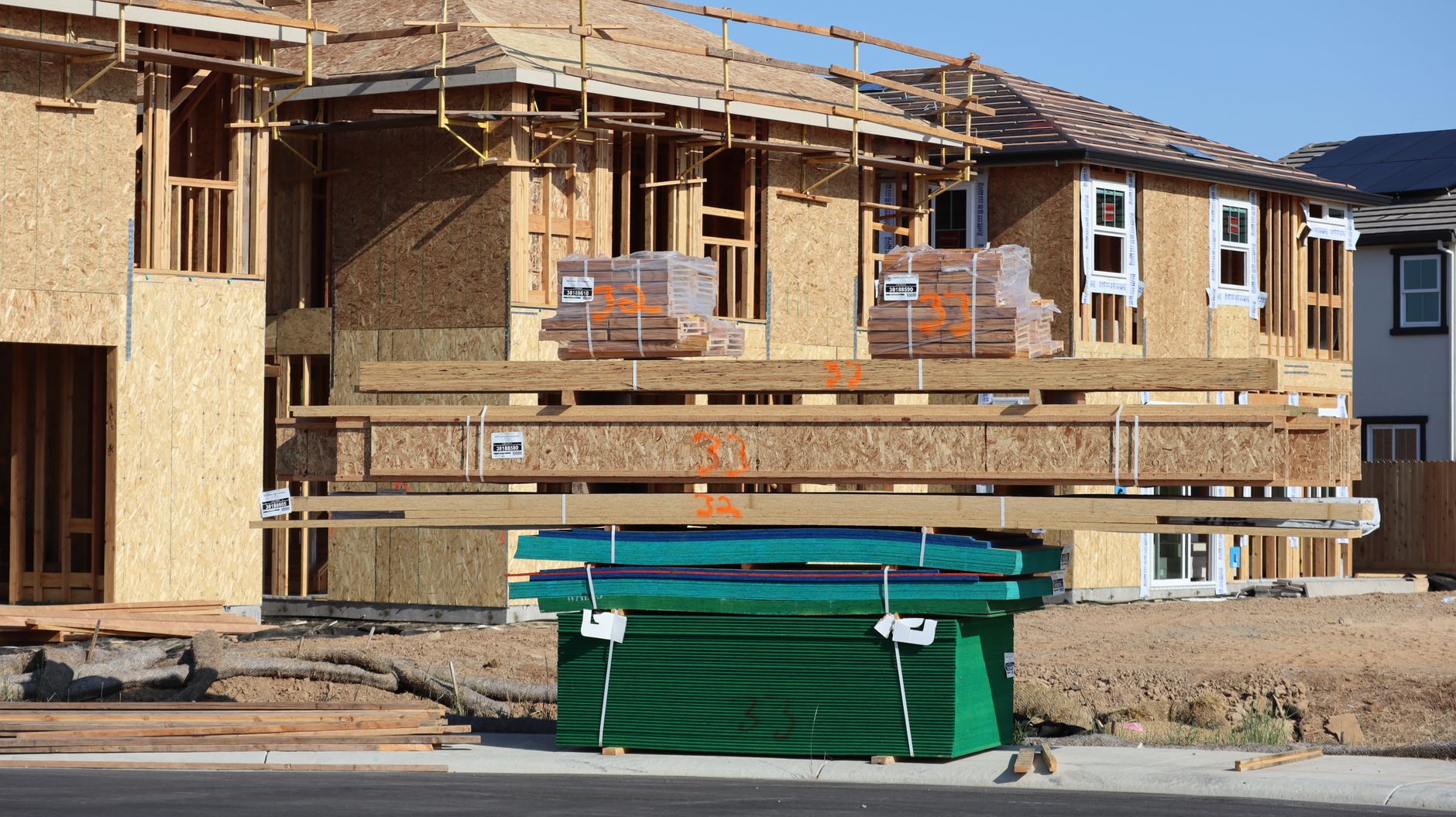
In practice, those edits were not cosmetic. Under the Senate framework, some build-to-rent homes would have had to be sold to individual buyers within seven years, and the strongest restrictions targeted large institutional investors that owned more than 350 single-family homes. That was the part of the legislation most clearly written around a Democratic political message: affordability is not only about supply and rates, but also about concentrated ownership.
Senate sponsors described the bill in broader terms. In the Banking Committee release announcing the Warren-Scott package, the emphasis was on boosting supply and bringing down costs, language designed to hold together a coalition that stretched well beyond the populist left. That framing also helps explain the commanding margins. A bill framed as a broad affordability measure can attract Republicans. A bill framed mainly as a confrontation with private equity is harder to keep bipartisan.
Inside the talks, negotiators and committee staff are asking less whether Warren’s critique is coherent than whether it is survivable. If the choice is between a smaller policy win now and a larger statement that stalls, pragmatists in both parties will choose the smaller win. Waters’ position fits that logic.
Why Democrats diverge
Waters’ allies point to the vote counts as evidence that the strategy worked. The House tally was not narrow. Nor was the earlier Senate vote. In a Congress with limited space for major cost-of-living legislation, that matters. It means the compromise bill has a plausible path, which is more than can be said for most housing debates on Capitol Hill.

Waters has also tried to keep the dispute from becoming a full personal break. In the same Politico report, she said:
“are friends, and we are going to remain friends.”
Maxine Waters, Politico
For both lawmakers, that line matters because it limits the risk that a tactical disagreement hardens into a factional story. Still, the policy disagreement is real. Warren has spent years arguing that concentrated financial power can distort household markets, whether the issue is banking, consumer credit or housing. From that perspective, a housing bill that loses its clearest investor curb loses more than a technical provision. It loses a clean answer to the question of who, exactly, is supposed to be restrained.
CNBC described the House deal as a breakthrough for investors. That framing also explains why analysts who are sympathetic to the broader package still see the compromise as politically double-edged. The bill remains more than a messaging exercise. But it no longer looks quite as comfortable inside the anti-Wall Street frame that has defined much of Warren’s economic politics.
Analysts, then, see the bill as both a meaningful supply-side effort and a narrowed compromise. The House did not gut the legislation. It did, however, make a deliberate trade, preserving the parts most likely to command bipartisan support while thinning the provision most likely to satisfy Democrats who wanted a sharper confrontation with institutional landlords. That answers the central question hanging over the package. The bill is not merely symbolic, but neither is it the same instrument Warren first endorsed.
What it means for 2026
Beyond housing policy, the political stakes are also about message discipline. Democrats know affordability is one of the few subjects that cuts cleanly across ideology, geography and age. They do not agree as clearly on how to narrate the problem. One camp wants to show voters that Democrats can still build a large bipartisan coalition around costs. Another wants to show that the party is willing to name a culprit, especially when starter homes and rents have become harder for middle-income households to reach.
Skeptics of the federal push think both camps are overstating what Congress can deliver. In a recent Hill opinion essay arguing that interstate migration and local supply restrictions matter more than Congress, the point was not simply ideological. Federal lawmakers can tweak incentives and financing, but they cannot by themselves unwind the local land-use politics that make housing scarce. If that critique gains traction, the Democratic split over investor rules could look, in hindsight, like a fierce argument over one part of a market the federal government does not fully control.
From the White House and regulatory side, the view is more practical. The administration’s own language about Wall Street and Main Street homebuyers shows why the Warren argument has political force. The Senate package released by Warren and Tim Scott shows why the Waters argument may be the one that survives contact with Congress. The bill became a rare bipartisan accomplishment only after some of its sharpest populist edges were sanded off.
If the Senate accepts the House revisions, leaders in both parties will still claim a housing achievement that looked unlikely a few months ago. The Warren-Waters split suggests the more revealing story comes after passage. Democrats are not arguing about whether housing costs are a crisis. They are arguing about whether the winning answer in 2026 is a bipartisan supply bill, an anti-Wall Street affordability bill, or an uneasy blend of both.

Ramona Castellanos
US politics correspondent covering Congress, primaries and the Trump administration. Reports from Washington.