Saudi Vision 2030 faces oil, debt and spending squeeze
Saudi Vision 2030 is colliding with wider deficits, weaker oil revenue growth and a harder borrowing trade-off as Riyadh trims its biggest bets.
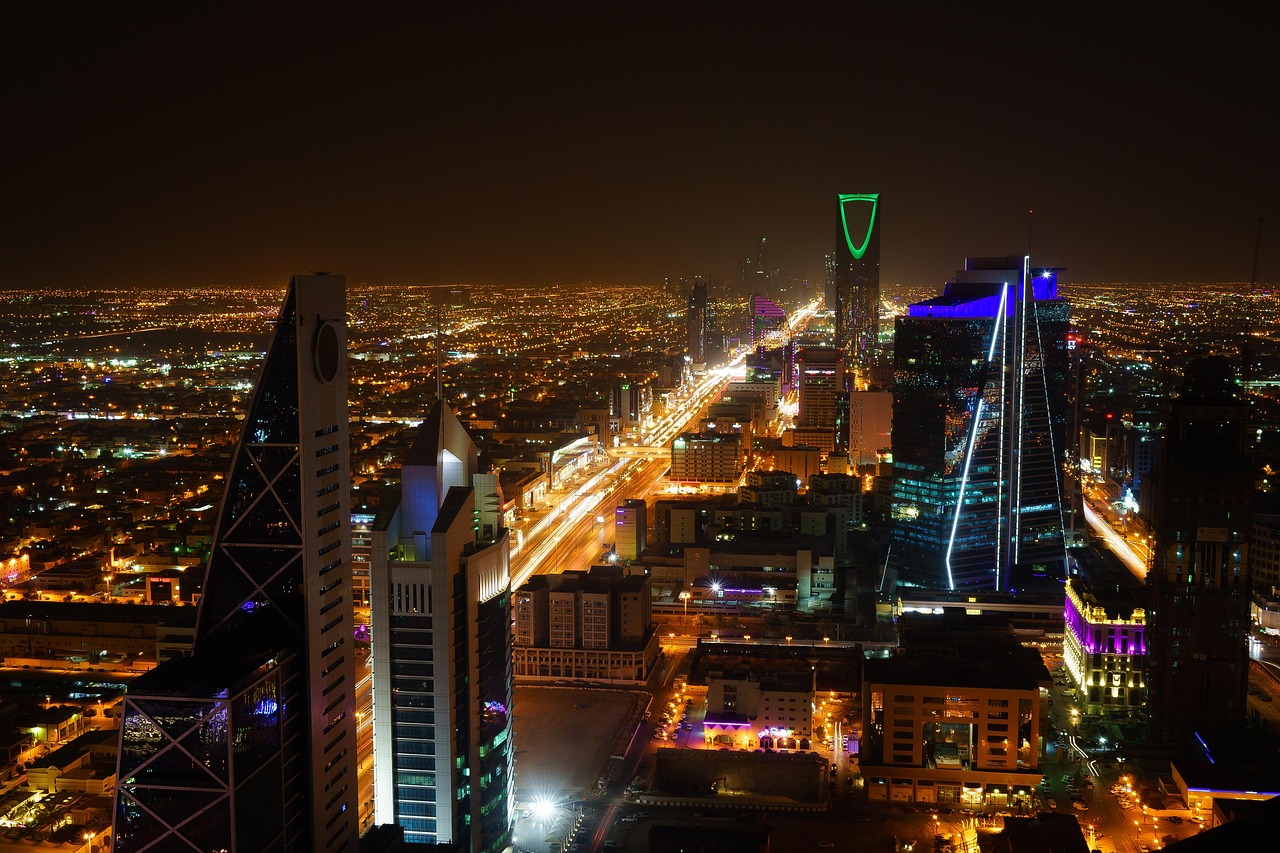
Saudi Arabia’s vast spending drive is running into harder economic limits, and the adjustment is starting to look less like a pause than a fiscal test of Crown Prince Mohammed bin Salman’s Vision 2030 strategy. After years in which Riyadh could sell megaprojects as proof that oil wealth and state power could build a post-oil economy on command, the kingdom is now having to explain why the numbers no longer stretch as easily.
Simple arithmetic is driving the squeeze. Saudi Arabia posted a first-quarter deficit of 125.7 billion riyals, or $33.5 billion, as spending rose 20 per cent year on year to 386.7 billion riyals while oil revenue slipped 3 per cent to 144.7 billion riyals, Reuters reported. That does not mean Vision 2030 is over. It does mean the project is moving out of its ambition-led phase and into a less glamorous one in which every new commitment has to survive a budget test, a borrowing test and, increasingly, a credibility test.
Viewed from policy circles, the same evidence raises one question: how much more the state can spend before oil income and debt markets start dictating the timetable. From a skeptical vantage, the deeper issue is whether a trimmed-down Vision 2030 can still do the job the grand version was meant to do: attract capital, signal confidence and make diversification feel irreversible.
“focus, through its strategy, on improving the efficiency of its spending and disbursements”
— Yasir al-Rumayyan, governor of the Public Investment Fund, via BBC News
For Riyadh, that wording matters because it is not the language of limitless expansion. It is the language of sequencing, triage and control. The kingdom’s Public Investment Fund, now near $1 trillion, is still one of the largest pools of state capital in the world. Yet even a fund that size cannot make financing costs, delayed revenues and a wider sovereign deficit disappear.
Why the budget math changed
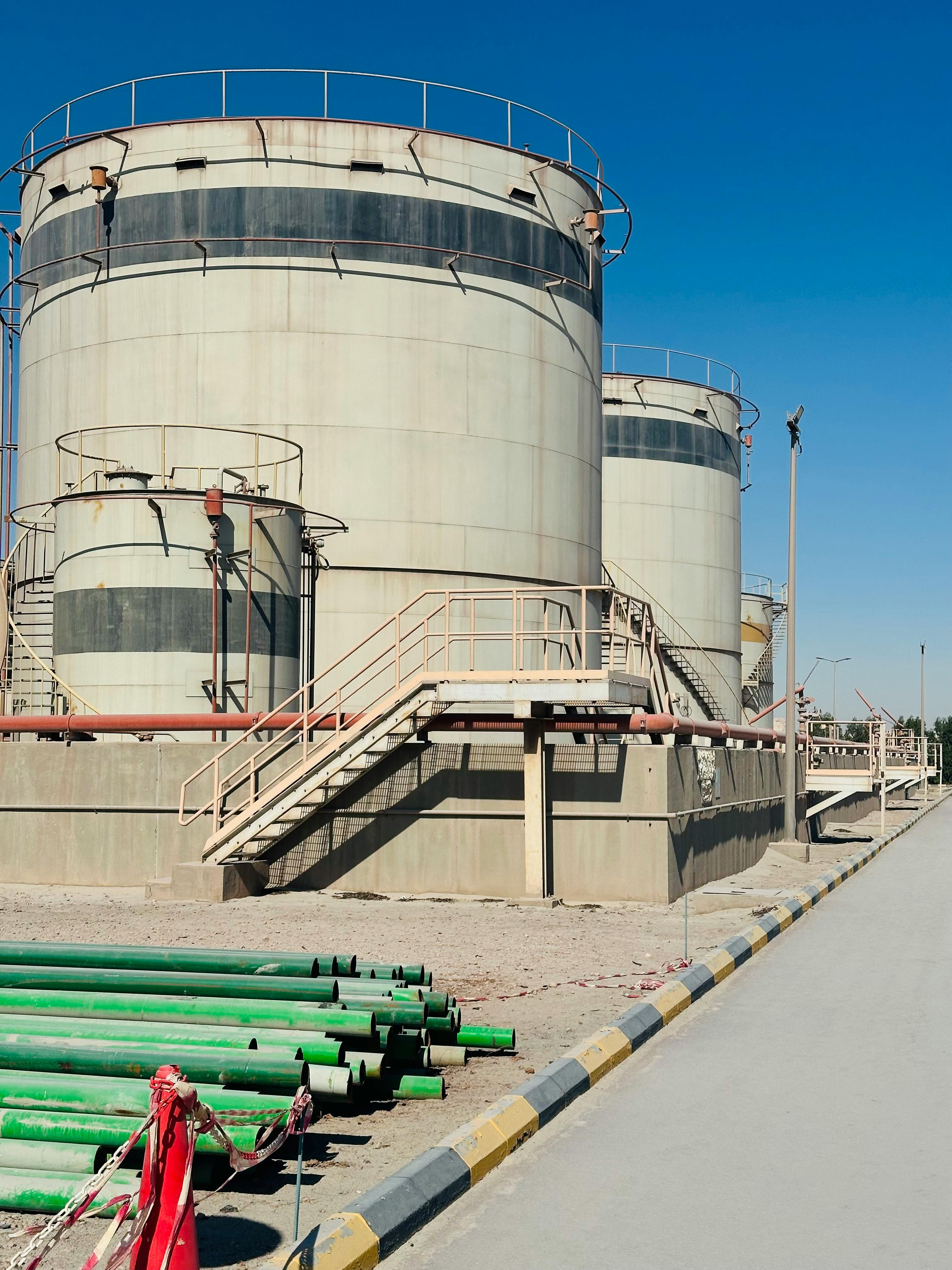
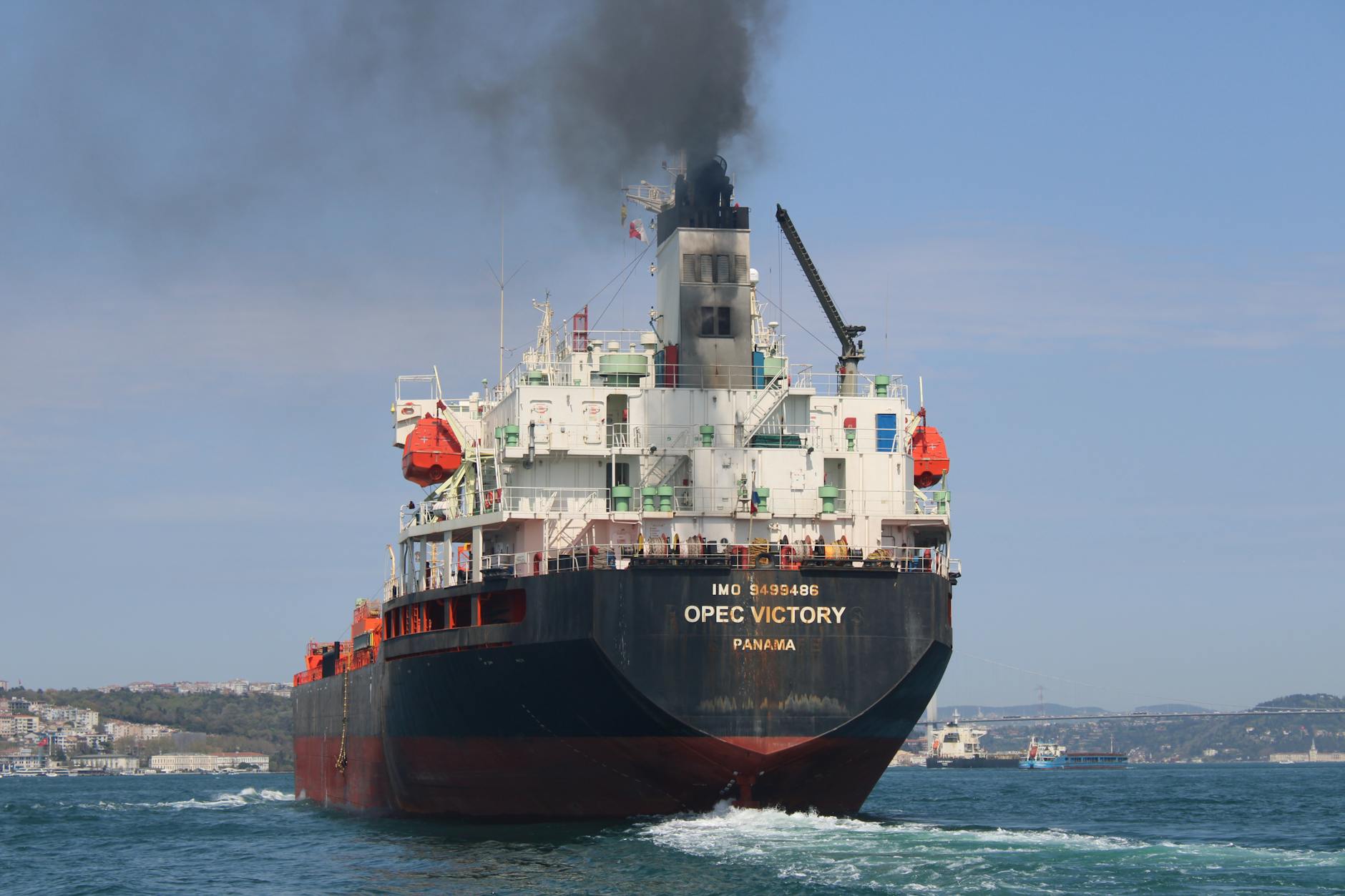
Officials can still point to oil strength and be right only up to a point. Oil export values surged in March, and the recent regional conflict gave Gulf producers a familiar reminder of how quickly crude prices can jump. But the problem for Riyadh is that higher prices have not restored the old fiscal cushion. Spending has risen faster than revenue, and the state has already been taking stock of spending priorities after an oil-revenue drop.
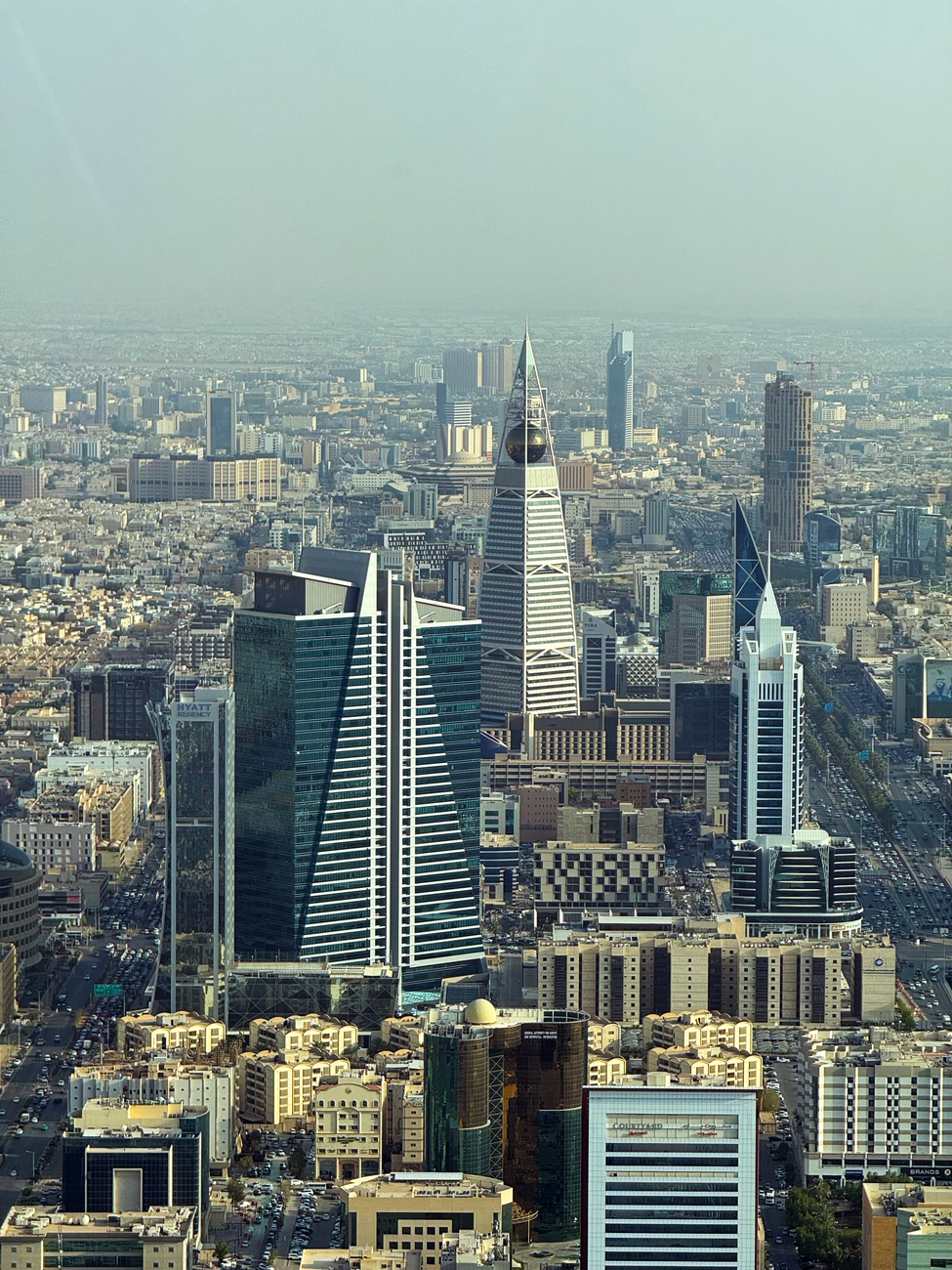
From that regulator-policy angle, the issue is not whether Saudi Arabia has money. It is whether the kingdom can keep funding a long list of capital-intensive promises at once without leaning too heavily on domestic lenders or repeatedly rewriting the timetable. Semafor reported that debt had risen by the most in years as Riyadh tapped domestic banks to help finance the gap, a sign that the financing mix is shifting even before the most expensive projects are complete.
Inside the system, tighter control has already begun. The Financial Times reported that Saudi Arabia had stopped new work for consultants and delayed some payments as officials tried to clamp down on Vision 2030 costs. Semafor separately reported a freeze in payments to advisers, management consultants and law firms. Those are not dramatic public cancellations. In some ways they matter more. They suggest the centre of gravity has shifted from launch to audit.
Another reading is that tighter sequencing does not amount to failure. Saudi officials and advisers can plausibly argue that the first stage of Vision 2030 was always designed to shock the system: overbuild the narrative, pull in private money, create new sectors and worry about rationalisation later. That case works only if execution starts to look more predictable, not less.
From spectacle to smaller wins
For Riyadh, the BBC’s account of cuts to The Line and a more restrained approach to other flagship projects captures the political problem. Vision 2030 was sold in part as spectacle. It asked investors, contractors and foreign governments to believe that the kingdom could build the future at state speed. Once those blueprints start shrinking, the burden of proof changes. Riyadh no longer has to defend ambition. It has to defend prioritisation.

“This is the same playbook, the same thing again with The Line.”
— Ellen R Wald, author of Saudi, Inc., via BBC News
For Wald, the issue is less one project than repetition. Investors can live with a slower rollout. What they tend to punish is a stop-start model in which the showcase keeps changing and the hierarchy of priorities is never fully stable. That is why the skeptical reading of the current pullback matters. Smaller projects in tourism, mining and technology may be easier to finance and easier to finish, but they may not reproduce the halo effect the megaprojects were supposed to create.
Riyadh, though, is already trying to pivot toward those smaller wins rather than simply cutting back. The BBC noted that Sindalah, the luxury island resort in Neom, opened last year, while CNBC has reported that the Middle East war is testing the Gulf’s ambitions to become an AI hub. That makes AI, tourism and mining more than side stories. They are the categories in which Saudi Arabia can still claim progress without asking the market to swallow another half-trillion-dollar leap of faith.
The same logic extends to religious tourism. Semafor has also reported that a Saudi theme park project turned to Google for AI support, a reminder that diversification is still moving ahead, just in forms that look more incremental than utopian. Another Semafor report on rising Hajj costs underscored how central tourism remains to the Vision 2030 mix even when conflict changes the economics around it.
“What we are seeing is the natural evolution from an ambition-led phase into an execution-led phase.”
— Thamer Shaker, via BBC News
Shaker offers the most charitable reading, and it is not implausible. State-led development models often overshoot in their first act because spectacle is part of how they mobilise labour, capital and politics. The question for Saudi Arabia is whether the second act can be disciplined enough to reassure creditors and contractors while still being bold enough to keep the private sector interested.
The credibility test
Riyadh still has room to manoeuvre. It has a giant sovereign investor, deep domestic banks, a central place in global oil markets and an unusual ability to direct capital from the top down. It is not facing an immediate funding crisis. But it is facing a credibility test that goes beyond one quarter’s deficit or one megaproject’s redesign.
At the intersection of oil, debt and policy sits the real test. If Riyadh keeps borrowing to preserve the full theatre of Vision 2030, it risks proving the skeptic’s case that the model depends on ever more state balance sheet. If it trims too abruptly, it risks undermining the analyst’s case that this is a mature execution phase rather than a retreat. The middle path is narrower than Saudi officials once suggested.
Across the broader Gulf, the story is also a warning about the limits of state-led development when financing conditions harden. Kuwait’s more cautious posture has started to look comparatively prescient, Semafor argued, even as Riyadh, Abu Dhabi and Doha keep trying to turn oil income into long-duration economic power. Saudi Arabia can still do that. But the era in which Vision 2030 could be sold mainly as futuristic spectacle is ending. From here, the project will be judged less by its renderings than by whether the kingdom can keep spending, borrowing and scaling back without losing the market’s trust.

Pria Kothari
Energy and commodities correspondent covering OPEC, oil markets and the Gulf. Reports from London.