Southern redistricting fights spread into state legislatures
Southern redistricting fights are moving into state legislatures as court rulings narrow Voting Rights Act protections and put Black representation at risk.
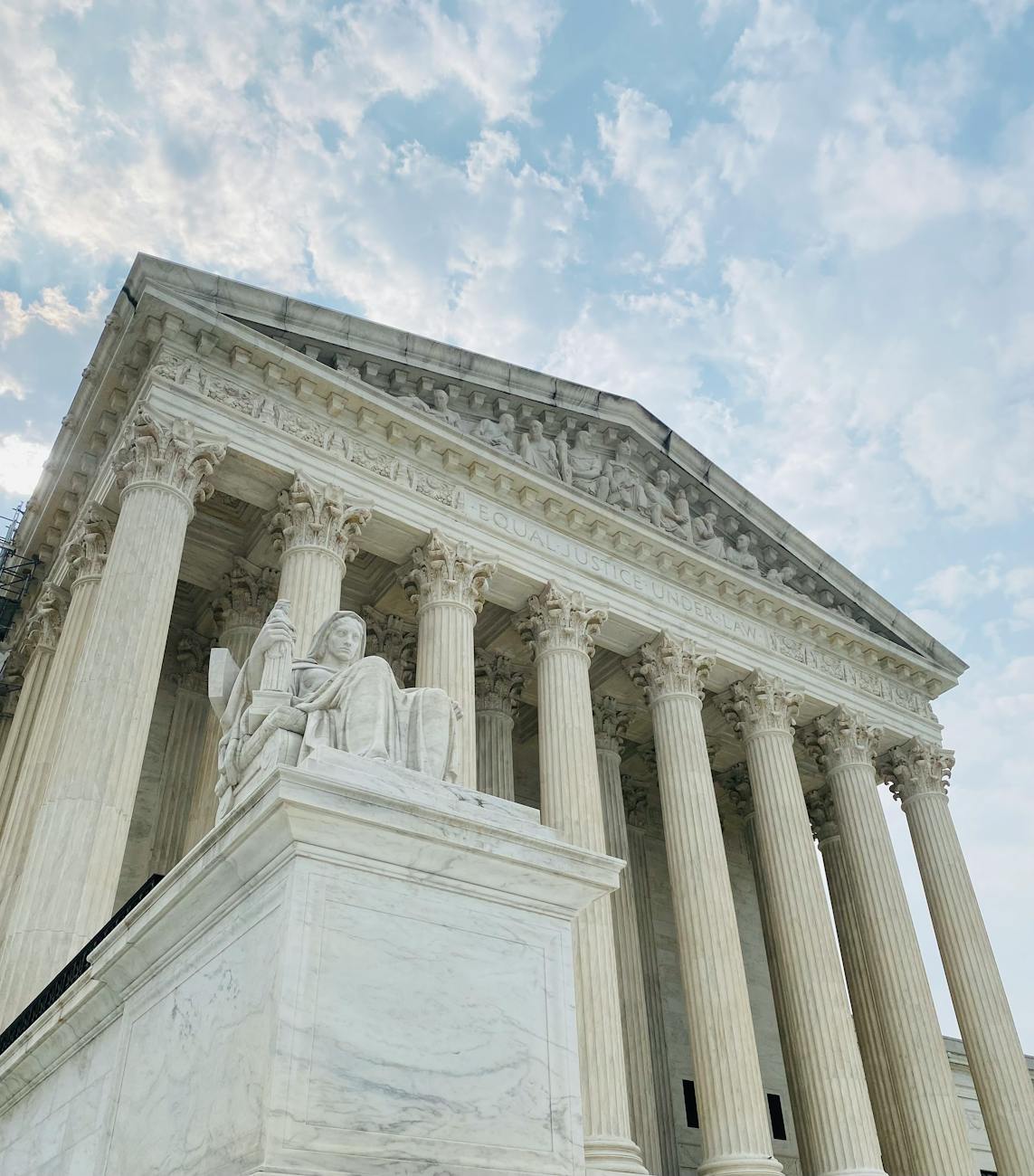
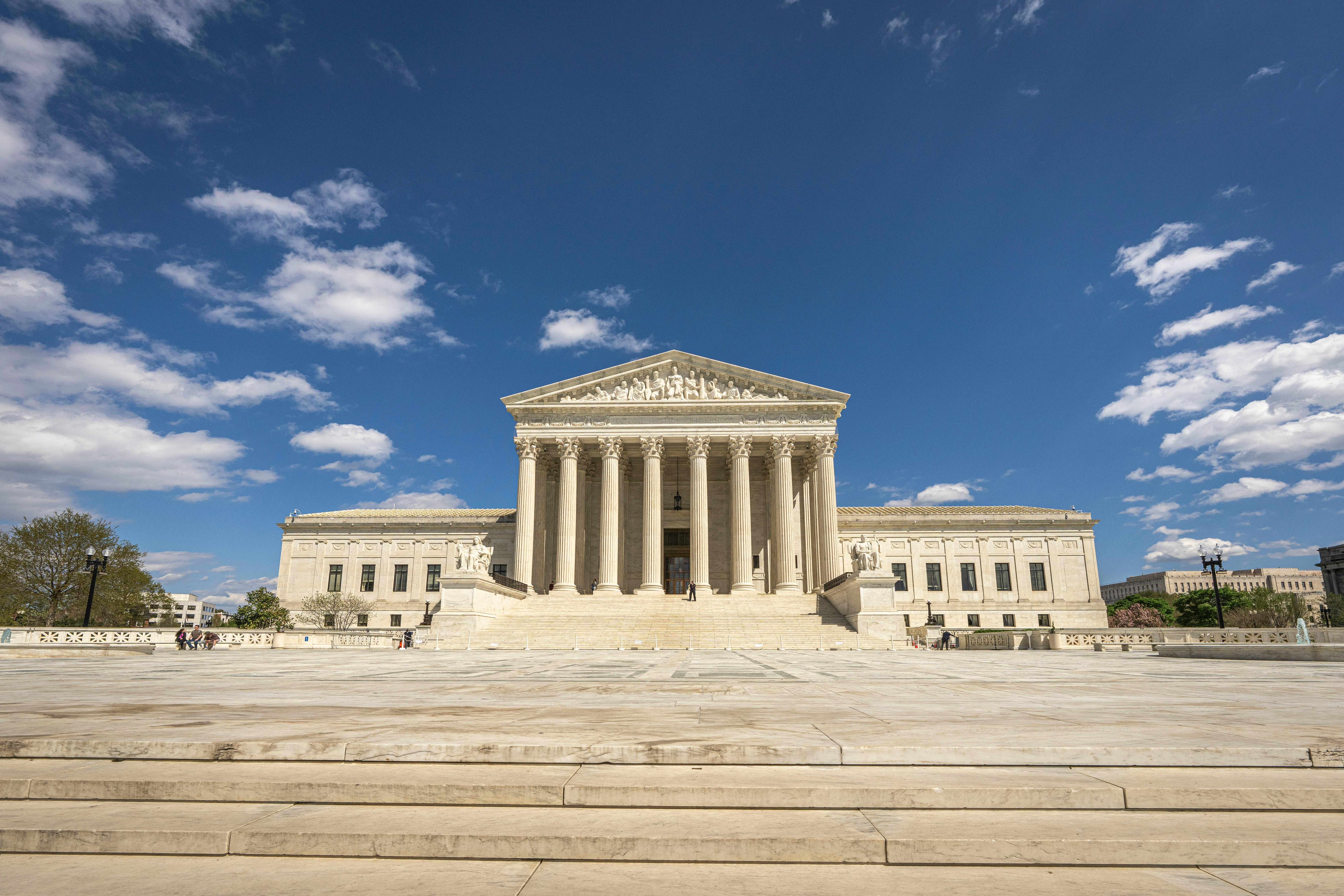
The southern redistricting fight is spreading beyond House seats into state legislatures, where Black Democrats, plaintiffs and election lawyers say the Supreme Court’s 6-3 ruling in Louisiana v. Callais is narrowing the federal protections that once helped preserve Black political representation.
Those flashpoints sit in different states and on different maps. Politico’s reporting from across the region traced lawmakers’ fear that the next redraws will target statehouse districts. The New York Times’ account of the Virginia map fight showed how quickly state courts become the deciding arena once a congressional dispute reaches a new legal theory. Across those fights, the post-Callais battle is shifting: the contest is no longer only about who wins a handful of seats in Washington. It is about who gets a durable voice in southern state governments.
Black lawmakers are stating the risk in human terms, not doctrinal ones. In Politico’s report, North Carolina state senator Natalie Murdock described the pace of the conflict this way:
“The entire South is on fire.”
— Natalie Murdock, Politico
Election-law analysts read the same evidence through a colder lens. Section 2 of the Voting Rights Act is harder to use after Callais, so the pressure point moves to state legislatures, state supreme courts and whatever state-law guardrails still survive. That 4-3 Virginia Supreme Court decision described by The New York Times matters beyond Virginia for exactly that reason. It showed that even when federal doctrine shifts, state institutions can still redraw the terrain for both parties before the midterms.
Where the legal fight moves next
Southern Republicans are likely to keep testing the limits of mapmaking after Callais. Which restraints still matter when they do is the open question. The Justice Department’s Section 2 guidance on redistricting still says Section 2 applies to redistricting at every level and bars minority vote dilution. A State Court Report analysis of the case’s aftermath argues, however, that the practical burden has shifted back to plaintiffs. They must now prove more with fewer federal tools and in a legal climate more suspicious of race-conscious remedies.
That answer is partial but sufficient for election officials and litigants. Federal law still exists. Discriminatory-intent claims remain. Section 2 remains on the books. Local bodies and state legislatures are still covered by the statute, and the Justice Department’s civil-rights guidance has not been withdrawn. What changed is the margin for using race to repair dilution. Lawyers may still sue, but officeholders inclined to press their advantage have more reason to believe the courts will let them try.
The skeptic’s question becomes central here. An empirical case for majority-Black or coalition districts still exists after one opinion. A Stanford Law Review analysis of race, place and legislative power, research published in Political Research Quarterly and an SSRN paper on racial and partisan polarization in mapdrawing each start from a similar premise: in much of the South, race and party remain tightly linked, so line-drawing that claims to ignore race often rearranges Black voting power all the same. Courts, however, have grown more willing to treat that overlap as a reason for restraint than as proof that representation requires close scrutiny.
A narrower federal standard also helps explain why the fight has spread so fast across issues that look disconnected on paper. A congressional map in Virginia, a state Senate district in Alabama and a Memphis redraw that split a Black urban base into three districts, as The Guardian reported share no identical facts. They share an incentive structure: if one successful theory weakens minority-vote claims in federal court, lawmakers elsewhere have reason to test how far the approach can travel.
Why the statehouse matters more
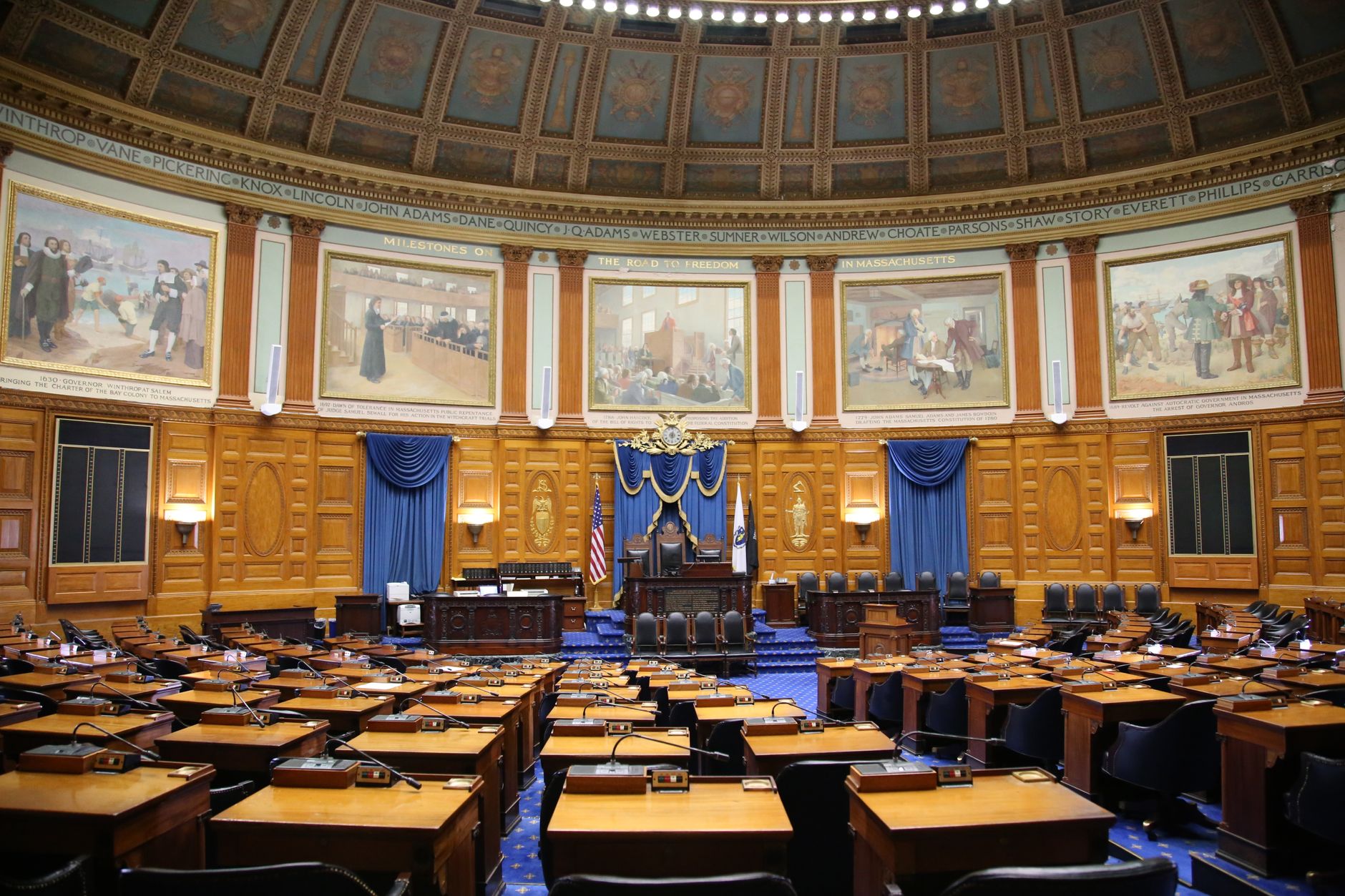
Congressional maps draw the headlines, but statehouse lines determine the policy machinery that most voters feel first. Politico’s reporting and The Guardian’s account of the Montgomery rally both captured a point easy to lose in a Washington-centred argument: when a community loses a district, it can also lose its say over budgets, school siting, transport links, health-care distribution and the local definition of whose neighbourhood counts.
Florida state senator Shevrin Jones put the case directly in Politico’s reporting:
“State legislatures control budgets. They decide where infrastructure dollars go, which schools get prioritized, how health care dollars are distributed, what economic development projects are funded and which communities are viewed as worthy of investment.”
— Shevrin Jones, Politico
Those state-level numbers matter because of that logic. Politico cited a report saying roughly 270 majority-Black legislative districts across 10 southern states could be eliminated under more aggressive redraws. In Alabama, AL Reporter wrote that a federal judge found a Montgomery-area Senate district violated the Voting Rights Act even after a redraw produced Black voting-age shares of 51.1 per cent and 43.9 per cent in the new districts. A line can look numerically responsive while courts still argue over whether representation was preserved or diluted in practice.
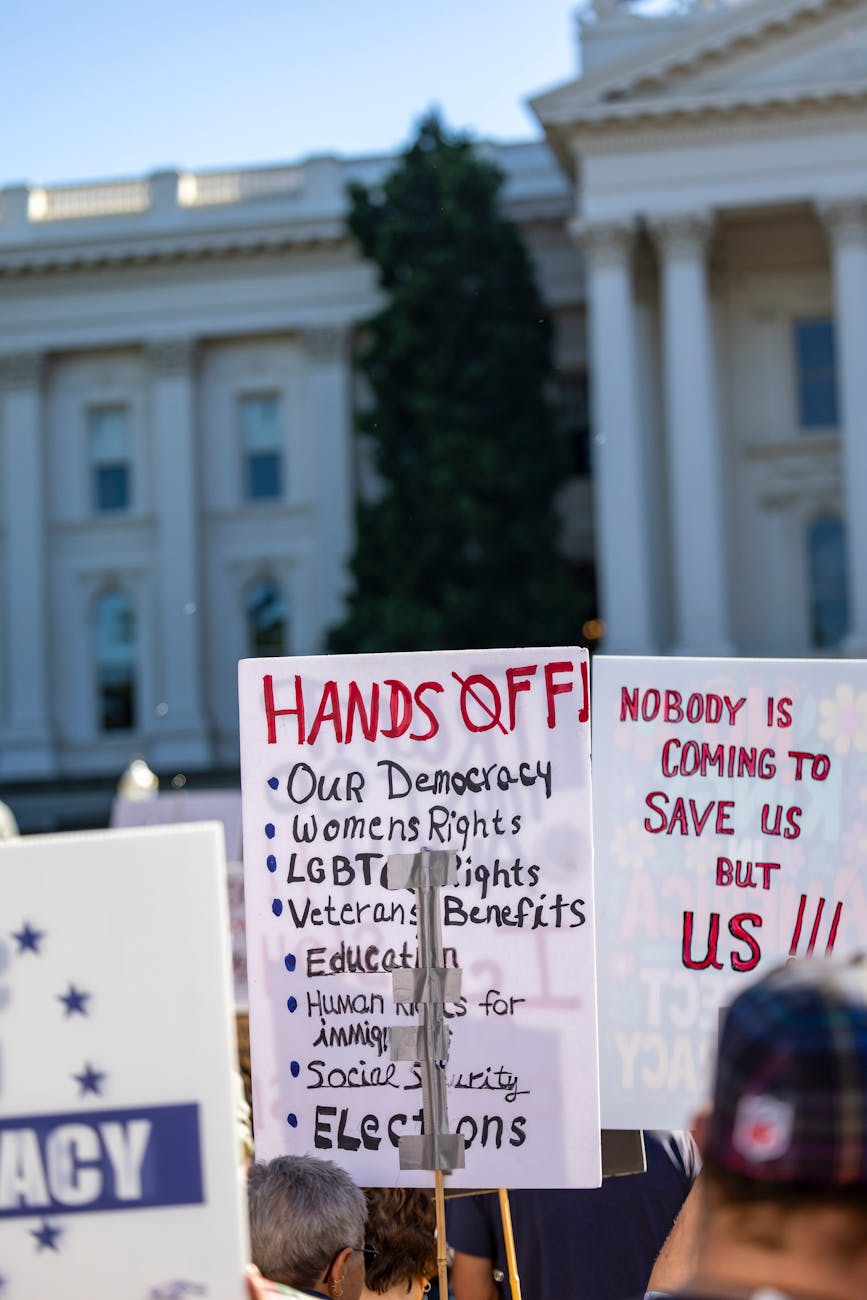
The protest movement is reacting to that structural threat, not merely to the symbolism of one ruling. In The Guardian’s dispatch from Montgomery, Tennessee state senator Charlane Oliver framed the backlash as a fight over ownership of the South’s political future:
“They may draw some racist maps, but we are the south, this is our south. The south belongs to us.”
— Charlane Oliver, The Guardian
That rhetoric has sharpened further as allied campaigns spread. The NAACP boycott push reported by The Guardian and new midterm reporting from The New York Times both suggest Democrats and civil-rights groups are preparing for a longer contest over competitiveness itself. One congressional plan surviving appeal is no longer the only question. Whether a series of state-level redraws can make southern elections less contestable before voters ever reach the ballot box is the broader one.
One political consequence is that redistricting now behaves like a state-capacity story as much as an election story. If federal courts give legislatures wider room, every governor, speaker and state supreme court chief justice becomes more important. The next legal skirmishes are likely to arrive in forum after forum, each with its own record and its own timetable, even as the underlying issue stays the same: how much Black representation the law will still protect when lawmakers say they are drawing neutral lines.
For Democrats, treating congressional maps as the main front is no longer enough. For Republicans, the opening is to pursue map changes where local power is concentrated and public attention is weaker. For voters, especially Black voters in the South, the practical test is simpler than the doctrine. They will see whether the districts that send people to the statehouse still give their communities a voice in how money, schools and services are distributed. In the post-Callais South, that is where the next redistricting fight is heading.

Eli Donovan
Supreme Court and legal affairs correspondent covering the federal judiciary and constitutional law. Reports from Washington.