Quectel sues Pentagon over Chinese military company blacklist
The Shanghai-based wireless technology firm argues its January 2026 designation under Section 1260H was made in error and is inflicting escalating commercial damage on a company that says it has never had ties to China's military.
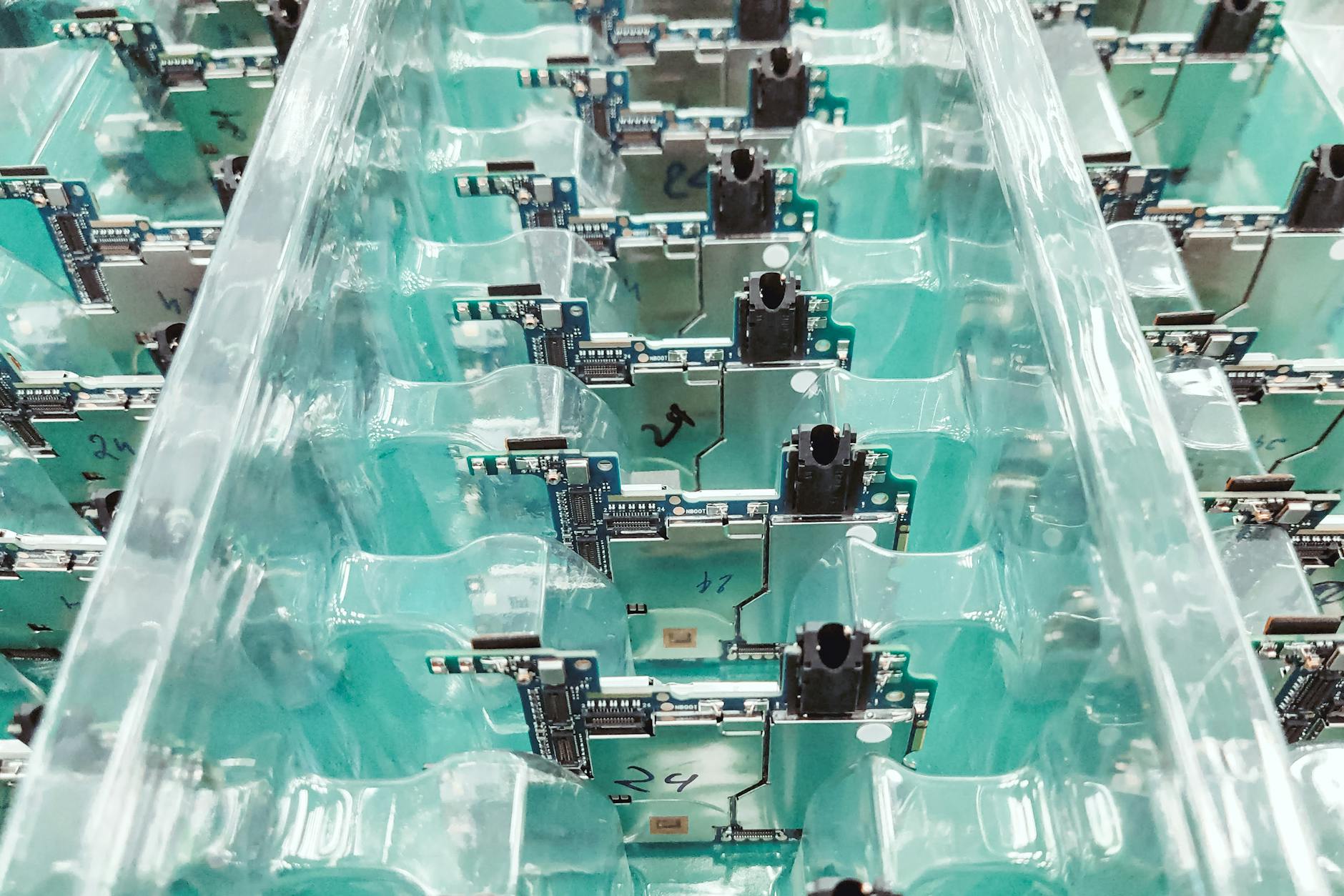
Chinese wireless technology firm Quectel Wireless Solutions filed a federal lawsuit Monday challenging its designation by the Pentagon as a Chinese military company, calling the January blacklisting baseless and warning it is inflicting escalating commercial damage on one of the world’s largest suppliers of civilian cellular and IoT modules.
The lawsuit, lodged in U.S. District Court for the District of Columbia on May 11, marks the first time a major commercial supplier of wireless components has taken the Department of Defense to court over the Section 1260H list — a congressionally mandated register of companies the Pentagon determines to have ties to China’s military-industrial apparatus. Dozens of Chinese firms now appear on the list, and the U.S. military is barred from contracting with any of them. Inclusion does not carry automatic sanctions, but the reputational weight is real: commercial customers and suppliers have, in several cases, curtailed or severed relationships with blacklisted entities to avoid regulatory exposure.
“Quectel has not — and does not — support the Chinese military or the Chinese defense industrial base in any way,” the Shanghai-based company stated in its court filing. “It designs and manufactures purely civilian technology that is used by people and enterprises around the world.”
Norbert Muhrer, Quectel’s president and chief security officer, said the company would “take appropriate action to protect ourselves and our stakeholders” and expressed confidence it “will be removed from the 1260H list.” Separately, Quectel added that it “categorically rejects the basis for its inclusion on the Section 1260H list, as it is now and always has been a leading designer and manufacturer of purely civilian technology.”
The Pentagon has not commented on the litigation. A spokesperson for the Department did not respond to a request for comment Monday.
What the company says
Quectel employs more than 5,800 people worldwide and produces the wireless modules embedded in vehicles, smart meters, payment terminals and industrial sensors sold by Western manufacturers, including several large European automotive suppliers. And it contends it derives no revenue from military or defence-related contracts — in China or elsewhere — and argues the Pentagon’s determination was reached without adequate process or an opportunity to contest the underlying evidence.
At the centre of Quectel’s argument is a simple claim: the firm is a civilian manufacturer caught in a widening regulatory dragnet that makes no distinction between companies that supply the Chinese military and those that happen to be incorporated in China. Muhrer, an Austrian-born executive who joined the company in 2023 as part of an effort to strengthen its Western-facing compliance and security credentials, has spent much of the past year delivering the same message to regulators and customers alike.
The counter-argument
Quectel’s legal challenge arrives against a backdrop of sustained congressional scrutiny. A 2024 report by the House Select Committee on China alleged the company maintains ties to China’s Ministry of Industry and Information Technology, supplies IoT modules for the Beidou satellite navigation system — Beijing’s answer to GPS — and has had supplier relationships with Chinese defence contractors already blacklisted by Washington.
The committee also flagged Quectel’s links to drone manufacturer DJI, which itself appears on multiple U.S. restricted-party lists. But Quectel disputes the characterisation of those relationships as evidence of military entanglement and says its components for Beidou and DJI are standard commercial products sold through ordinary distribution channels.
The legal environment
The lawsuit enters a U.S. legal system that has produced mixed outcomes for Chinese firms challenging federal blacklist designations. In 2021, a federal judge blocked the Pentagon from adding smartphone maker Xiaomi to an earlier version of the military-companies list, ruling the government had failed to produce sufficient evidence of military ties. That precedent is expected to anchor Quectel’s core argument: the Defense Department’s process lacks the evidentiary rigour required by law. Other challenges, however, have been dismissed at early stages. No hearing date has been set.
What happens next
The case is the latest flashpoint in the widening regulatory net around Chinese technology firms operating in Western markets, as Washington and its allies expand the list of companies deemed to pose a national security risk through military-civil fusion. For Quectel, whose modules connect millions of devices across Europe and North America, the designation threatens not only U.S. government business — which the company says it never had — but the commercial pipeline that accounts for the entirety of its revenue. A ruling in its favour would not automatically remove other firms from the 1260H list. But it would set a standard for due process that the Pentagon has so far been able to avoid testing in open court.

Kai Mendel
Technology editor covering fintech, AI and the platform economy. Reports from San Francisco.