SpaceX IPO Tests Limits of Market Liquidity Depth
SpaceX plans a $75 billion IPO at a $1.75 trillion valuation. The record listing could drain investor capital from smaller issuers and reshape market flows.
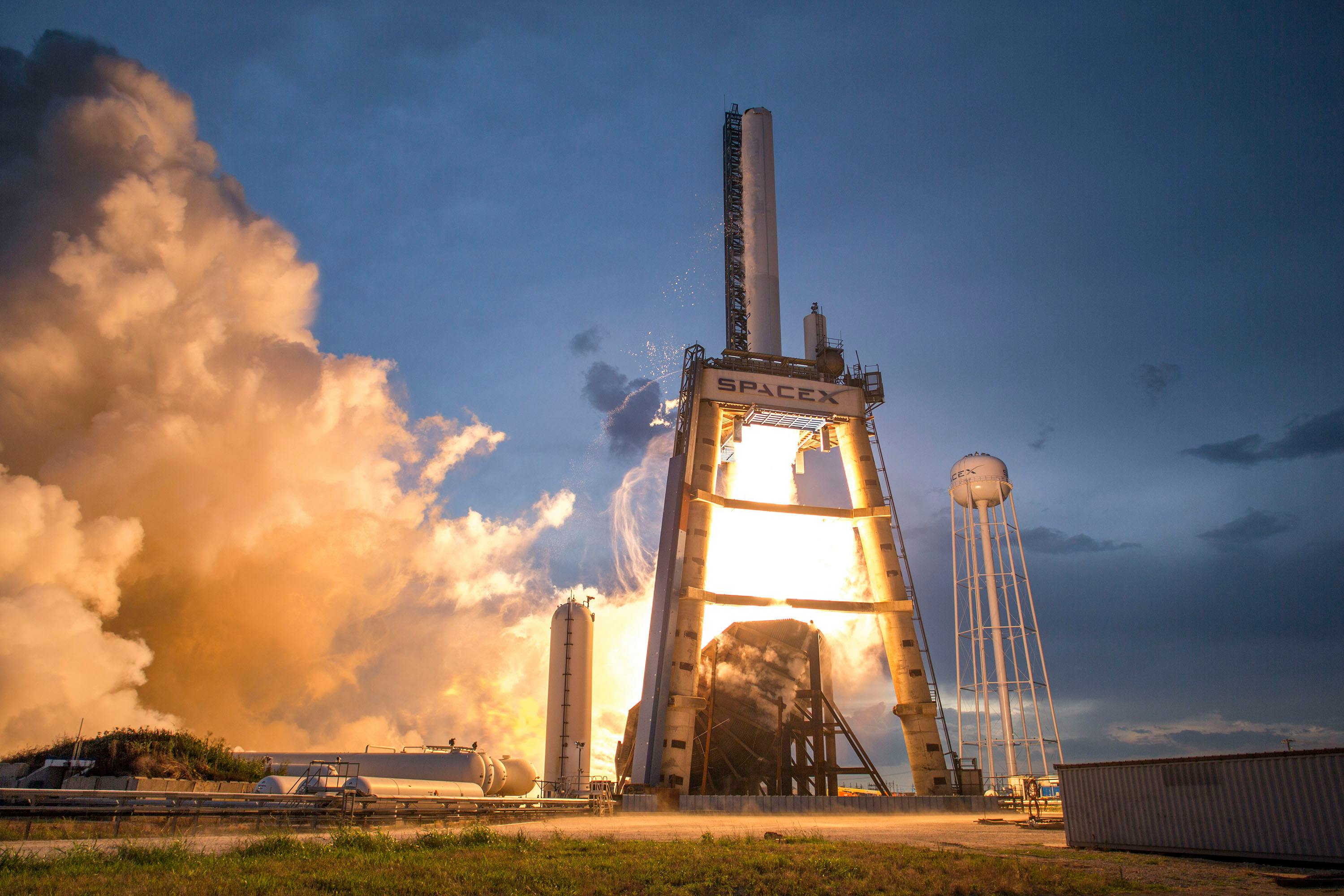
SpaceX’s record-shattering initial public offering, which targets $75 billion at a combined valuation of $1.75 trillion, is barreling toward an early-June roadshow. But the sheer scale of the listing is raising a question market participants rarely have to ask: can the broader IPO market absorb a debut this large without draining the pool for everyone else?
The numbers make the concern concrete. At $75 billion, the raise is roughly two and a half times the $29 billion Saudi Aramco pulled in during its 2019 listing, which until now stood as the largest IPO in history. The post-merger valuation of $1.75 trillion — reflecting the combination of SpaceX with Elon Musk’s xAI — would place the company above the total market capitalization of most national exchanges the moment it begins trading.
This is not incremental.
SpaceX confidentially filed with the Securities and Exchange Commission in early April and has since laid out a structure that breaks from convention in at least one critical dimension: retail allocation. The company intends to set aside 30 percent of the offering for individual investors, a figure roughly three times the 5-to-10 percent slice that large-scale IPOs typically reserve for the retail channel. Bret Johnsen, SpaceX’s chief financial officer, made the ambition plain. “Retail is going to be a critical part of this and a bigger part than any IPO in history,” Johnsen said, signaling the company is counting on direct-to-investor demand to absorb a meaningful share of the float.
That retail-heavy design, layered on top of the record dollar amount, is what has market strategists sounding notes of caution. Fiona Cincotta, senior market analyst at FOREX.com, warned that “the sheer size of the listing could literally be sucking oxygen out of the wider IPO market,” crowding out smaller issuers that depend on the same institutional and retail flows to price their own debuts. She noted that mega-IPOs routinely generate enormous demand in their earliest trading days — the risk is not that SpaceX fails to fill its book, but that it fills it so thoroughly there is little left over for the rest of the calendar.
At a $1.75 trillion valuation, SpaceX would enter major indices almost immediately after listing, forcing passive funds tracking the S&P 500 and total-market benchmarks to buy tens of billions of dollars in shares within days. Those flows, layered on top of the retail and institutional demand for the IPO itself, would pull capital from across the equity market — not just from competing IPOs but from existing holdings as managers rebalance. Saudi markets saw a version of this when Aramco listed; now the pull would be global and, by dollar volume, two and a half times larger.
SpaceX plans to kick off its roadshow in the first half of June, with pricing to follow shortly after. If the offering lands anywhere near its target, every other company with an S-1 in the queue will be watching the depth of the order book with an intensity that has no modern precedent.

Kai Mendel
Technology editor covering fintech, AI and the platform economy. Reports from San Francisco.